Almost a third of inmates at Northward prison are seeing a psychiatrist and taking prescription drugs for mental health problems, human rights campaigners have revealed.
Cayman’s Human Rights Commission (HRC) warned that the situation has caused tinderbox conditions at the prison, with an increase in violent incidents.
The HRC said the latest figures from prison management showed 70 inmates, 30% of those currently behind bars, were receiving treatment for mental health problems – a massive increase from just 10 a few months ago.
But the commission said visits by a psychiatrist to the prison for adult males were cut from once a week to once every two weeks after the new Poinciana Rehabilitation Centre opened in December.
An HRC spokeswoman said, “This shift has stretched resources thin and limited access to essential care for prisoners.”
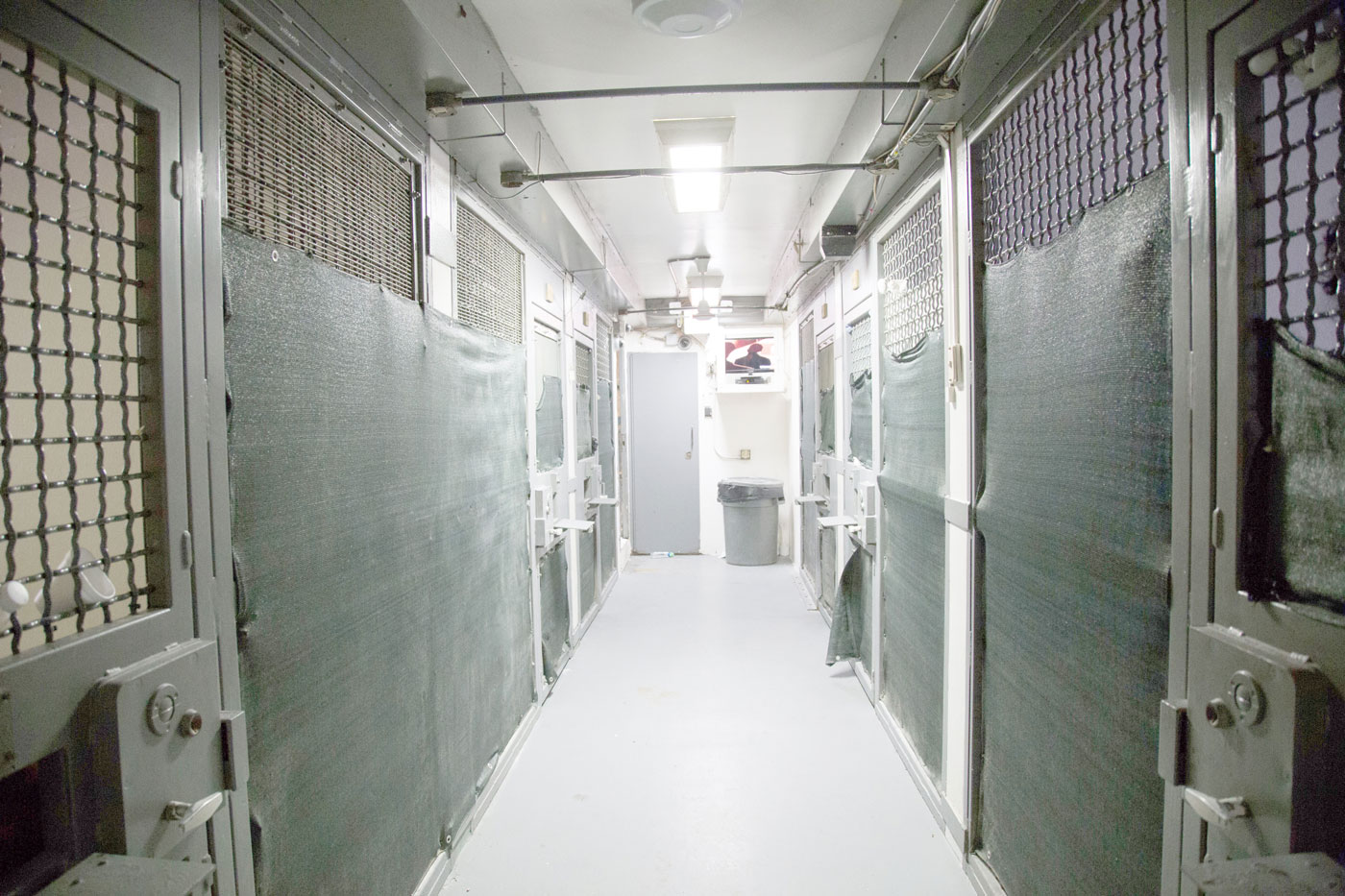
She added, “In addition, the inability to separate individuals with mental health conditions from the general population, due to overcrowding and lack of adequate facilities, has exacerbated tensions within the prison.
“We have been informed of a marked increase in unrest, including cell fires and inmate altercations.”
Government responds
The Ministry of Home Affairs said that the clinical team provided mental health services to an average of 45 inmates a quarter over the last two-and-a-half years.
A ministry spokeswoman said, “The data suggests that the demand for in-house mental health support has remained relatively stable with only minor fluctuations.”
She added that there was “no indication that an increase in the demand for services necessarily equates to a worsening mental health ‘crisis’ within the prison system currently”.
The spokeswoman added that global statistics showed that prison populations had high rates of mental problems, largely due to poverty, earlier trauma and substance abuse, and that Cayman was no exception.
She highlighted that a World Health Organization study two years ago showed that a third of prison inmates in Europe were being treated for mental health problems, in line with Cayman statistics.
The government said that most Cayman prisoners with mental health problems showed traits “indicative of personality disorders”, which were “static and enduring”.
The ministry said, “There are far fewer experiencing severe, debilitating and incapacitating mental illness that require more extensive treatment.
“Nevertheless, there are challenges with managing people in prison with severe and incapacitating mental illness.”
The ministry spokeswoman added that the use of the prison as a designated place of safety continued because there were no alternatives available.
She said, “This presents operational challenges for the prison for several reasons, including the limitations of the current facility, which is at capacity and can make it more difficult to separate vulnerable individuals appropriately when required.”
The HRC spokeswoman emphasised that the commission realised the prison service was doing its best to cope, but that government had to “act swiftly to address the growing mental health crisis in the prison system”.
She added, “We welcome continued dialogue on this issue to ensure that the treatment of all inmates remains consistent with international human rights standards.”
Previous findings
Concerns about poor psychiatric care behind bars have surfaced before. The Compass revealed in 2023 that prisons had become “indeterminate holding areas” for inmates with serious mental health conditions.
A review by consultant Dr. James Hard, carried out in late 2019, said a secure mental health unit should be included in the design of any new prison.
Hard also recommended that legislation on how and where mentally ill prisoners were detained should be reviewed.
He added that the “halfway house”, set up to prepare prisoners for release back into society, should be expanded.
Hard said that more psychiatrists and community mental health nurses should be hired and that prison officers, police and others should be given specialist training in how to deal with people with mental health problems.
The ministry spokeswoman said mental health is a national priority for the current government.
“Both the Ministry of District Administration and Home Affairs and the Ministry of Health, Environment and Sustainability – supported by the Mental Health Commission – are actively working to address long-standing gaps in mental health services within the criminal justice system, including the prison service,” she said.
She added some of Hard’s recommendations had been “implemented or were in progress” but that “others require further development”.
The spokeswoman said it was planned to boost safety and security in the prison system and that “prioritisation of these initiatives will be guided by the government’s forthcoming strategic priorities expected later this year”.
The Mental Health Commission declined to comment on its own, but said it had contributed to the government response.
Related Videos