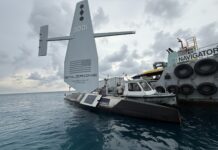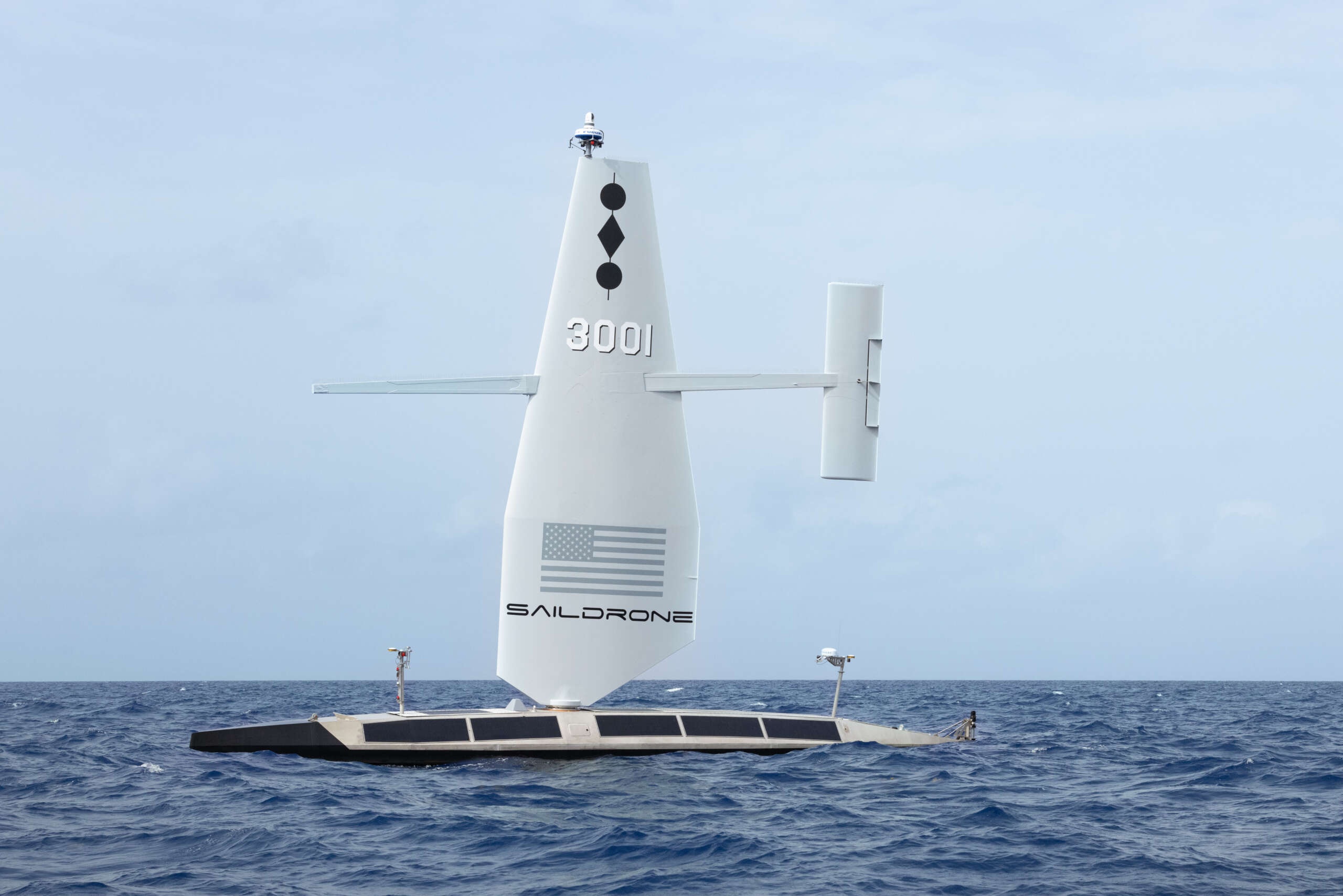
A second Saildrone vessel will soon join the mission to survey the seabed around the Cayman Islands, the company that owns the vessels has confirmed.
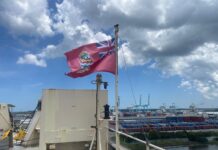
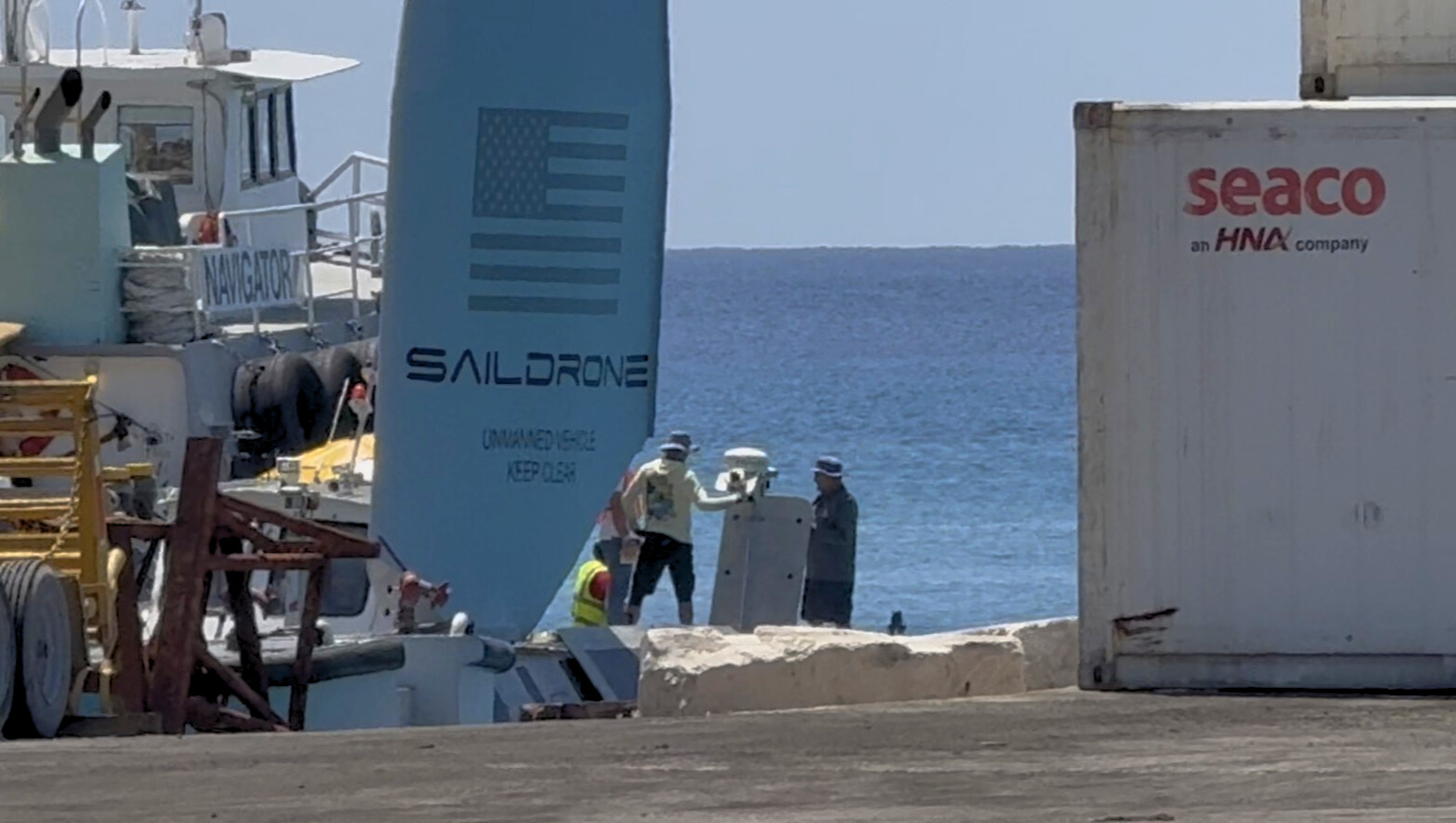
The first vessel, Saildrone 3001, an uncrewed surface vehicle working to map Cayman’s seafloor, is currently in George Town harbour undergoing a Port State Control inspection by the Cayman Islands Shipping Registry, a division of the Cayman Islands Maritime Authority.
The second autonomous vehicle, Saildrone 3004, is scheduled to arrive in port on 11 Sept., where it will also undergo an inspection, said Jenn Viskus, head of marketing and communications at Saildrone Inc.
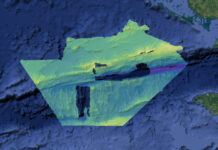
The Saildrone survey effort covers 29,300 square nautical miles or about 80% of Cayman’s exclusive economic zone, and the data will be used to produce a high-resolution map of Cayman’s seafloor.
The ocean mapping efforts are aimed at informing Cayman’s policy making, scientific research, conservation efforts and disaster planning.
In July, Viskus acknowledged that “exceptionally high levels of sargassum in the waters around the Cayman Islands – some of the highest on record – have influenced certain aspects of vessel operation, including routine maintenance and mission planning”.
Despite the issue with the sargassum, she said, “The survey is progressing steadily, with a significant portion of the planned area already covered.”
Charting new regulatory territory
In May, Christopher Balls, principal surveyor at the Cayman Islands Shipping Registry, spoke about the new challenges for Caribbean Port State Control officers as they adapt to the movement of autonomous marine vessels, like the Saildrones, in the region.
Balls, presenting a paper on the topic at the International Conference on Maritime Autonomous Surface Ships in South Korea, said there was a need for common international standards for vessels where control of the ship occurs elsewhere than on board, and the vessel itself is unmanned.
“As the concept of autonomous vessels advances to larger vessels and more widespread international voyages, so the appropriate mechanisms for oversight such as Port State Control will need to evolve,” he said.
Port State Control relates to the inspection of foreign ships in national ports to verify that the condition of the ship and its equipment comply with the requirements of international safety and environmental regulations.
Currently, international regulations relating to remote-controlled and unmanned marine drones are still in development, which, according to the paper authored by Balls, presents challenges.
As shipping evolves over time and autonomous vessels become more prevalent, Balls said, “It will become necessary for Port State Control Officers to have communication with the remote operating centre where the autonomous vessels are controlled from.”
Another issue identified by Balls is the qualifications and experience of control centre operators.
“How the safe manning of the control centre is verified and confirmed by the flag state needs to be established,” he said.
Related Videos