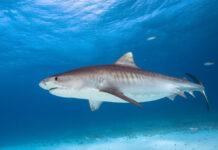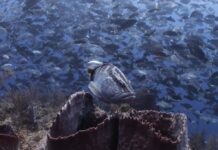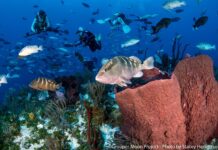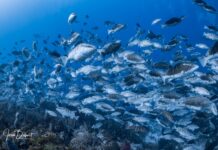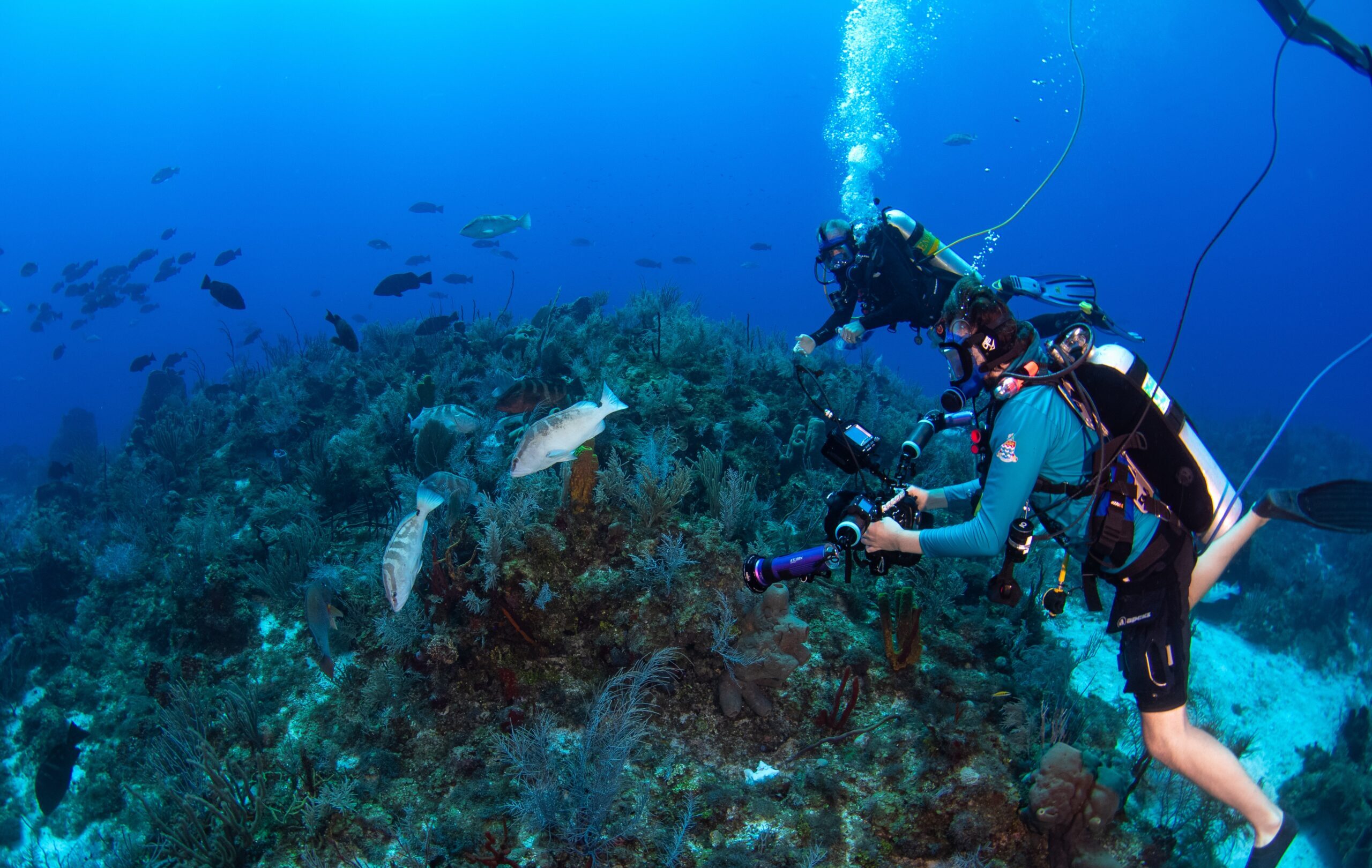
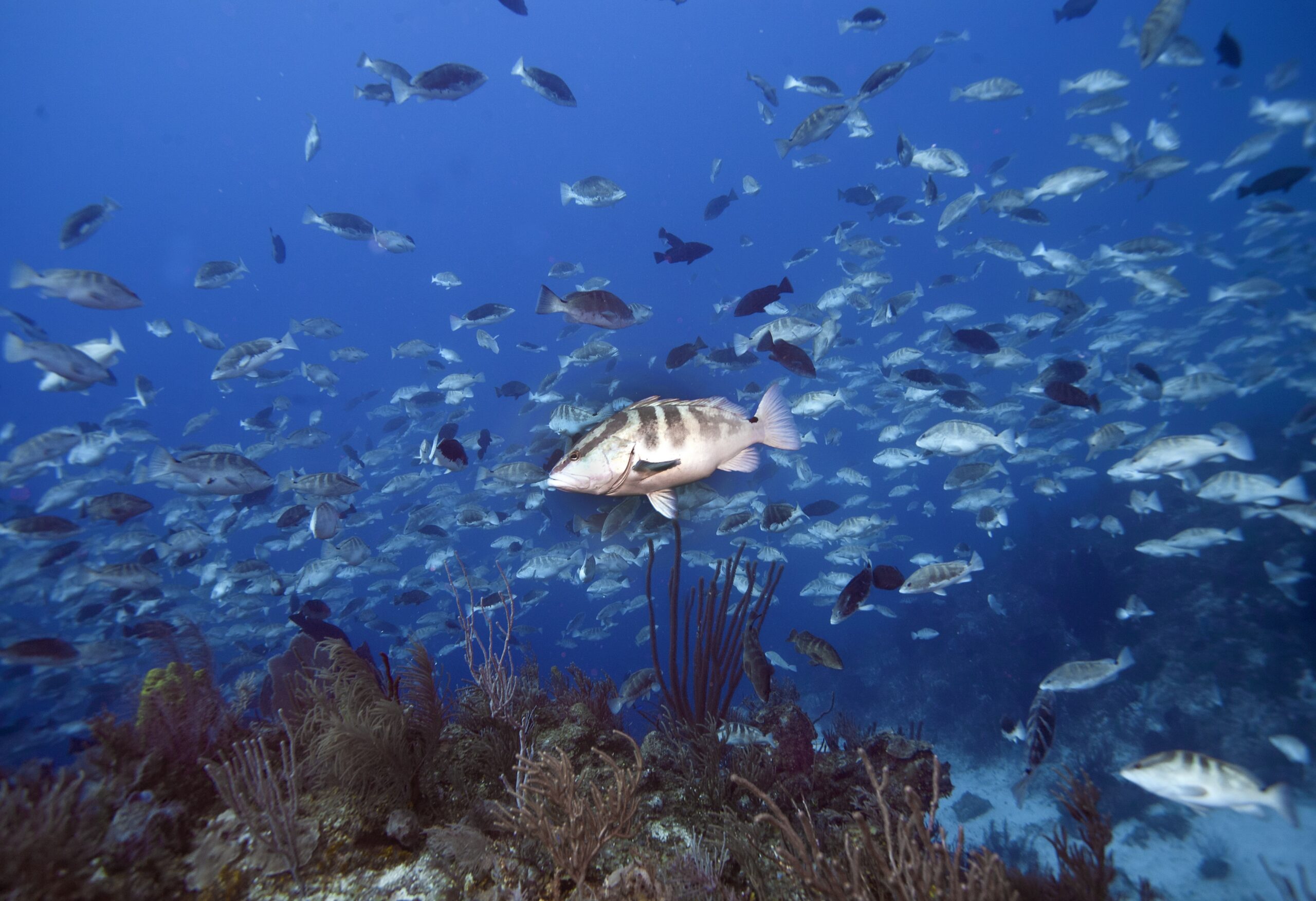
Early in February, following the full moon, thousands of endangered Nassau groupers will gather to spawn at a site in Little Cayman, and local students will get to see it happening live.
International organisation Reef Environmental Education Foundation, known as REEF, and the Cayman Islands Department of Environment will be hosting interactive livestreams of the annual natural phenomenon as part of the 2026 Grouper Moon Education Programme.
The programme connects classrooms across the Cayman Islands with DoE and REEF scientists working at the spawning site off the west end of Little Cayman, where up to 8,500 grouper are expected to gather after the early February full moon.
The DoE says students will engage in “real-time conversations with researchers and observe spawning behaviour through live video feeds, including underwater broadcasts from the aggregation itself”.
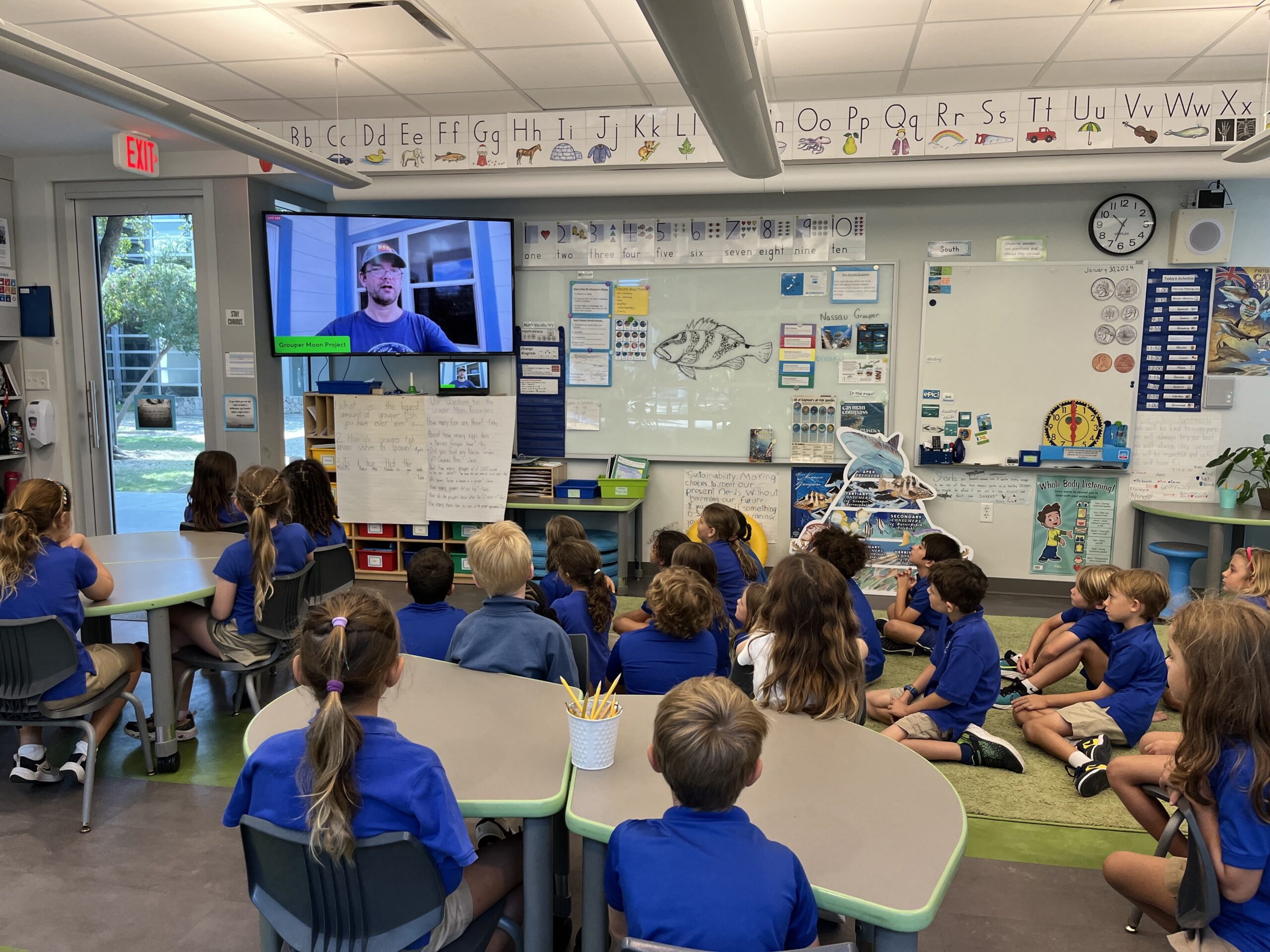
Grouper Moon Project educators and scientists have been connecting teachers and students directly to this groundbreaking research programme dedicated to studying and protecting the largest known aggregation of Nassau grouper.
Participating schools have included Cayman Prep, John Gray High School, Island Primary, Grace Christian Academy, Island Montessori Grand Cayman, Cayman International School, Edna Moyle Primary School, and Spot Bay and West End Primary School on Cayman Brac.
DoE Director Gina Ebanks-Petrie commended the great strides in education the Grouper Moon Project has achieved.
“As we celebrate 40 years of Marine Parks in the Cayman Islands, we must acknowledge the significant influence the Grouper Moon Project has had on our islands, not just through scientific research and policy development, but also through helping generations of Caymanians truly witness and be inspired by its conservation successes.
“We are grateful for the dedication and integrity REEF has contributed through the development of such a robust educational component and sharing the immense significance of protecting this keystone species with Cayman’s students and community.”
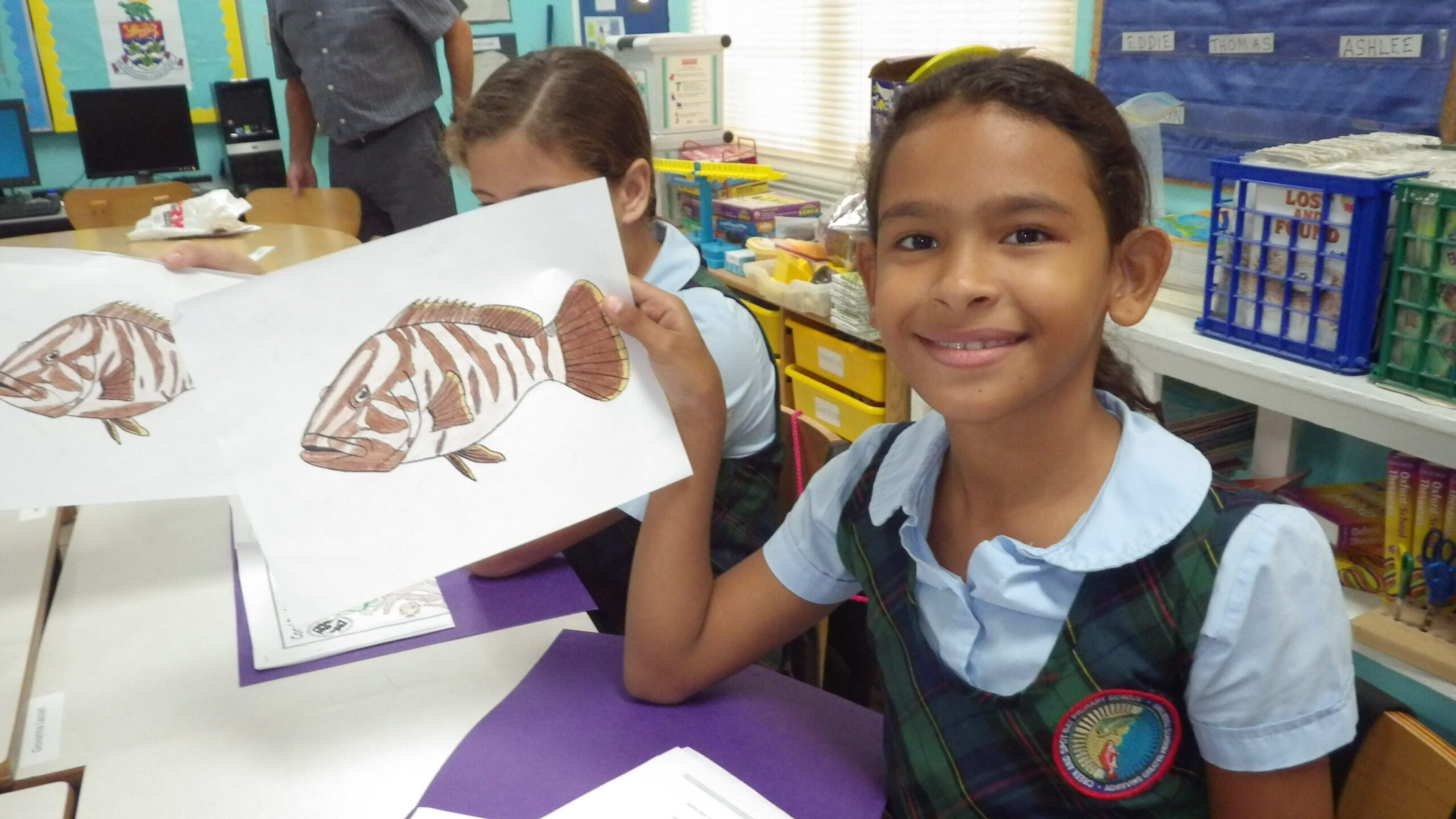
Tom Sparke, REEF communications manager and marine scientists, said that, for 15 years, the Grouper Moon Project’s underwater livestreams had been inspiring Caymanian children, “many of whom are now the politicians, business leaders and fishers shaping the islands today”.
He added, “That lasting educational impact is fundamental to the long-term protection of grouper populations.”
Live livestream schedule
There will be four live sessions tailored to different age groups:
• Monday, 2 Feb., at 10:30am: Primary school-focused livestream, Q&A with project scientists
• Tuesday, 3 Feb., at 10:30am: Middle and high schooll-focused livestream, Q&A with project scientists
• Wednesday, 4 Feb. at 10:30am: Live underwater broadcast from the Nassau grouper
spawning aggregation
• Thursday, 5 Feb., at 10:30am: Back-up underwater livestream date.
During each session, students will learn how scientific research supports fisheries management and marine conservation in the Cayman Islands.
A Cayman conservation success story
The Grouper Moon Education Programme is part of the long-running Grouper Moon Project, a collaboration between REEF and DoE, with researchers from Scripps Institution of Oceanography and Oregon State University.
Since 2002, the project has monitored Nassau grouper spawning aggregations in Cayman waters and provided critical data that has informed national fisheries regulations, which include a ban on fishing at spawning sites.
As a result of science-based management and long-term protection of spawning sites, Nassau grouper populations on Little Cayman and Cayman Brac have rebounded significantly over the past two decades, making the Cayman Islands a regional leader in grouper conservation.
In a press release, REEF and the DOE noted, “By bringing live field science into the classroom, the programme aims to inspire the next generation of Caymanian ocean stewards and reinforce the value of protecting Cayman’s marine resources.”
More information about the Grouper Moon Project and education programme, and a five-minute film, can be found at REEF.org/groupermoonproject.
Related Videos