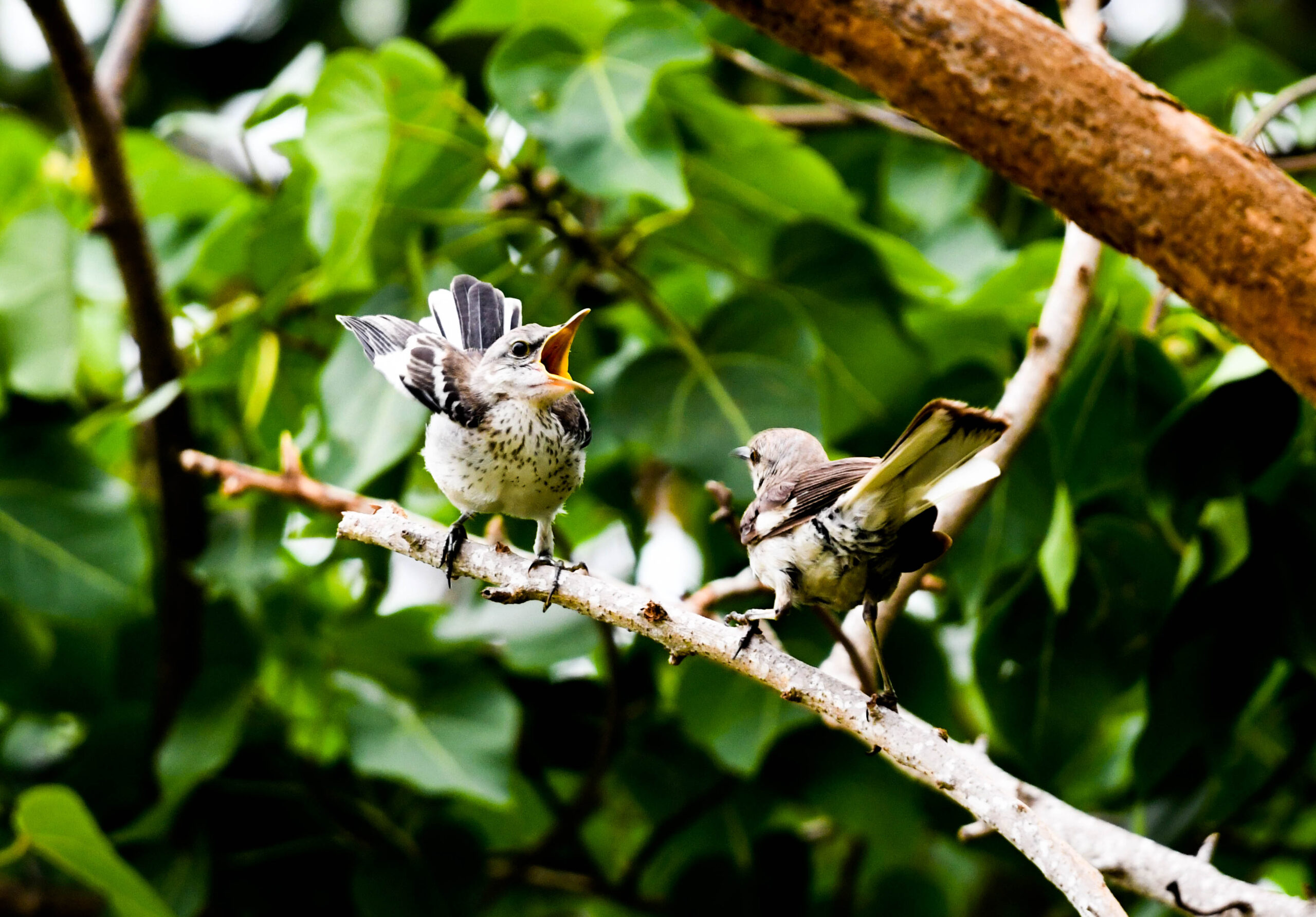
Cayman’s birds are known for their beautiful birdsong and now a project from the Department of Environment is recording all their tweets, trills, warbles and squawks in order to survey the bird population on island.
The department’s Environmental Management Unit and the Terrestrial Resources Unit have teamed up to create an avian acoustic monitoring project to gather information on the different bird species found on island and where they like to gather.
Recorders placed in the wild
Matt Southgate from the Environmental Management Unit told CompassTV that traditional bird surveys usually involved “someone standing out in the field with a pair of binoculars, but we can’t be everywhere at once.”
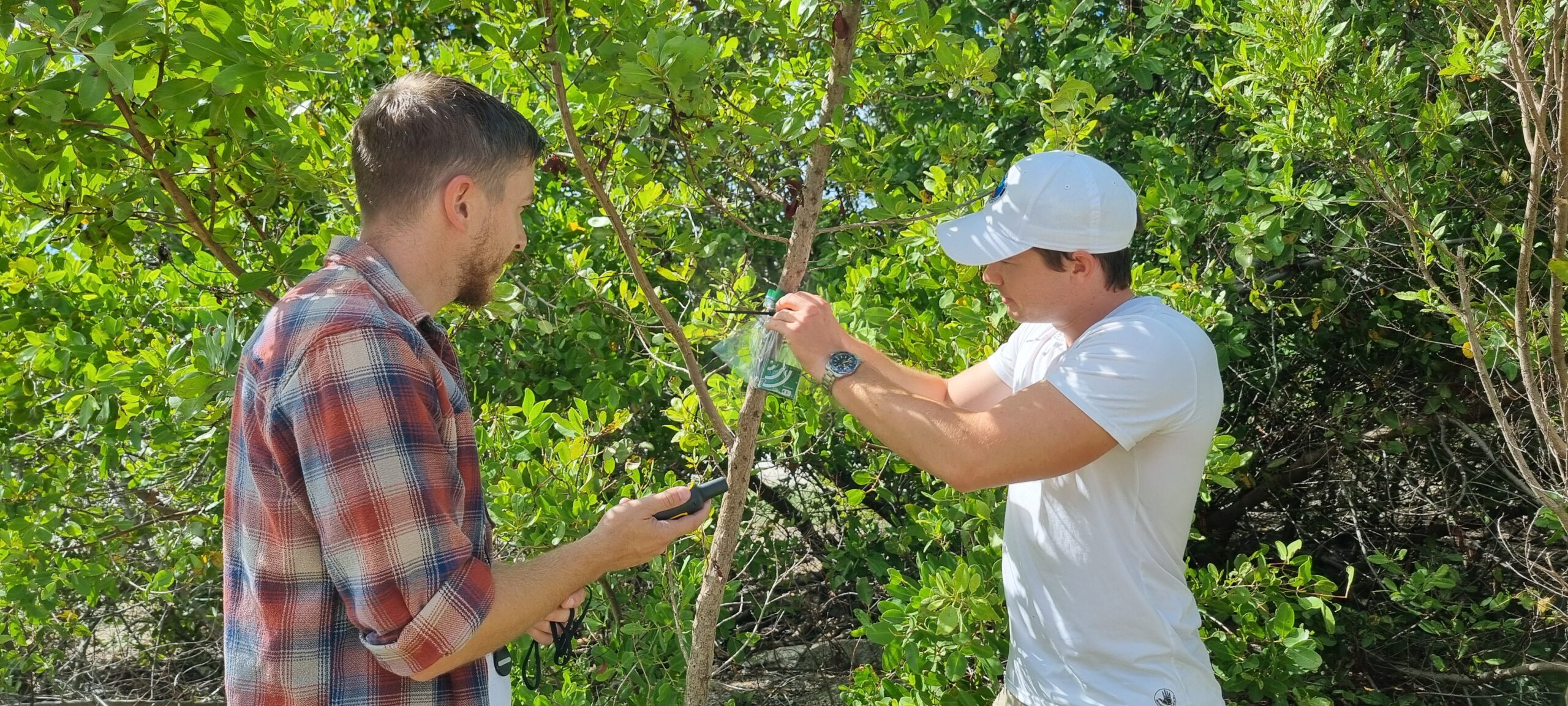
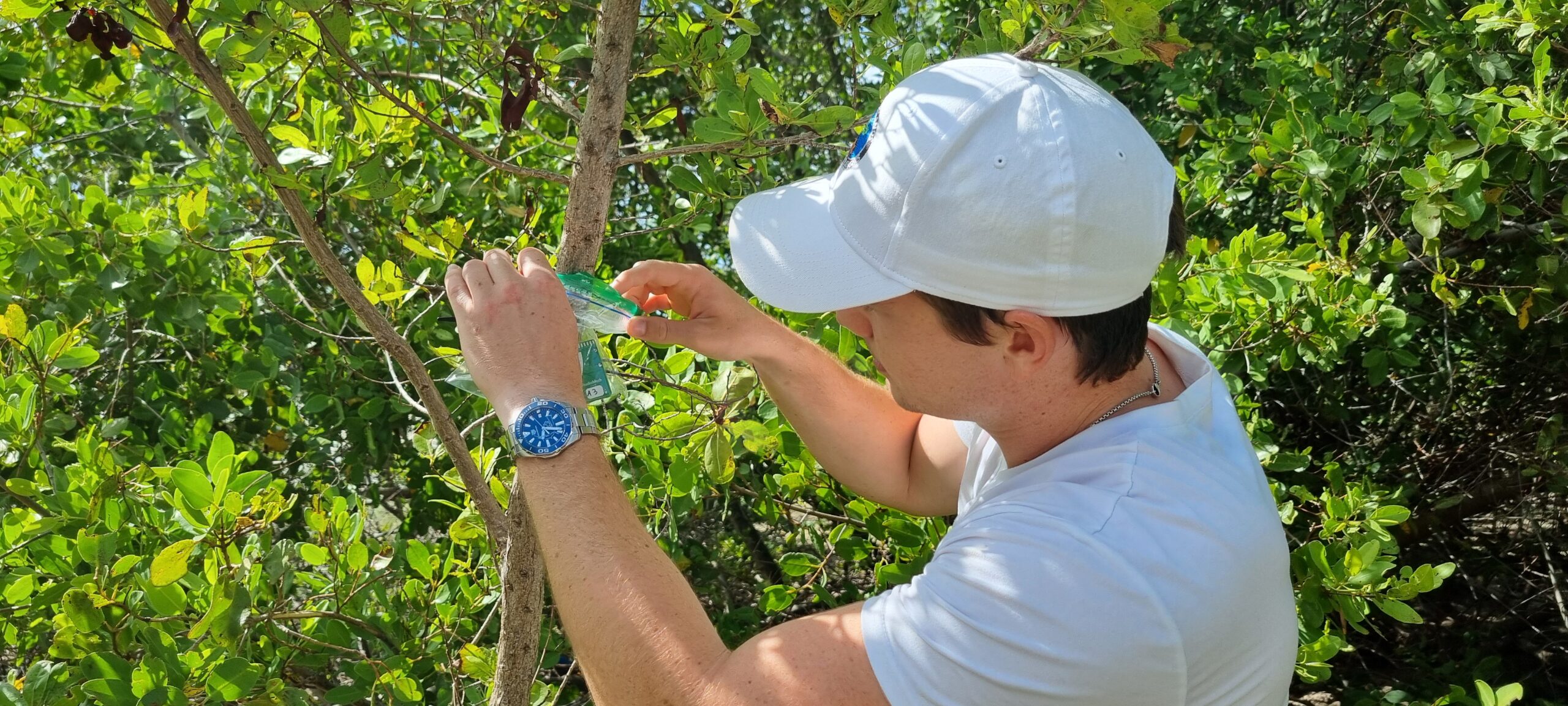
Instead, the department has been placing tiny audio recorders out in the wild – in forests and shrublands as well as more developed areas – to help give an idea of the types of birds at each location.
The recorders are placed in waterproof bags and tied to trees with zip ties at chest height, to avoid picking up other wildlife noises, with their internal omni-directional microphones able to pick up sound from all around.
So far, the 33 recorders have collected 200,000 recordings, which totals around 3,300 hours of bird recording.
As Southgate explained, the process is to identify the birds on the recordings and then make a template, which the team can use with Artificial Intelligence to search through the rest of the recordings to find other instances of that bird.
“It’s like Shazam for birds,” he said. “For example, if we hear a parrot in one location, we can then use that recording to search through all the other recordings and find more instances of parrots. Through that, we can build up a picture of where these birds occur on the island.”
While it’s difficult to tell the exact number of each bird type, the recordings are able to pinpoint where each species is most active. Southgate said the recordings have shown that many birds – including the vitelline warbler and the bullfinch, which are unique to the Cayman Islands – seem to be very concentrated in Eastern Districts, but parrots are found across the island.
The project is currently limited to Grand Cayman and is mainly looking at native species that are found here all year round.
“So far we’ve only deployed [the recorders] in Grand Cayman,” said Southgate, “but we are hoping to include the Sister Islands as well. It would be quite easy to cover most of the islands with these recorders. We just need people, as there’s manpower involved in setting up these devices, and also with the initial listening.”
He added, ‘There are some unique species on the Sister Islands that we would be great to capture [on tape], like the red-legged thrush on the Brac.”
Related Videos