

At a glance:
-
All 15 CARICOM leaders met in St Kitts for the bloc’s 50th summit, with Premier André Ebanks representing Cayman.
-
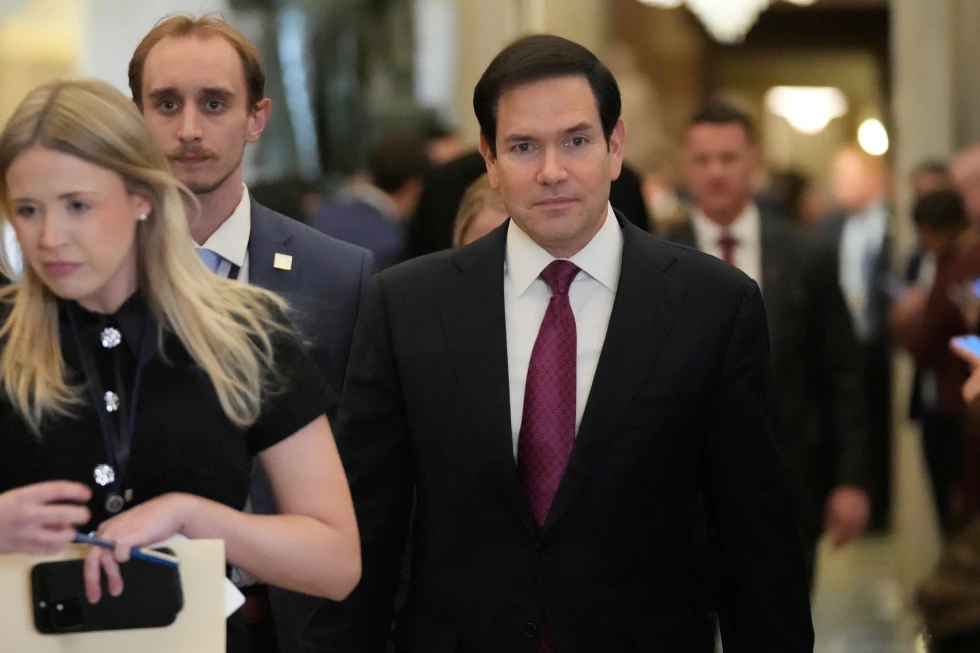
US Secretary of State, Marco Rubio attended, stressing US focus on regional security and transnational crime.
-
Cuba’s crisis dominated opening speeches, with leaders voicing concern over regional spillover.
-
US agencies released new security fact sheets and oil licensing guidance linked to Cuba.
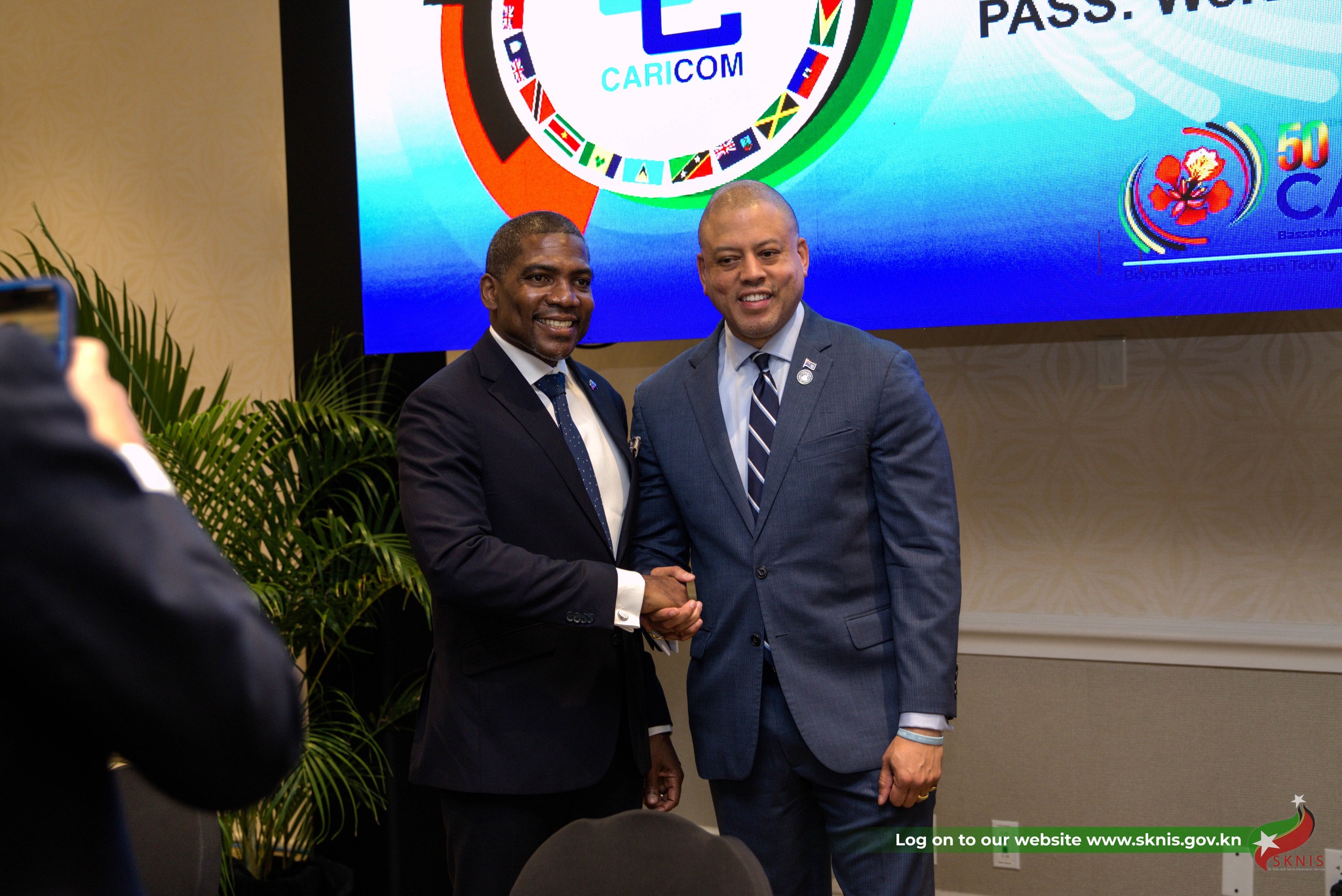
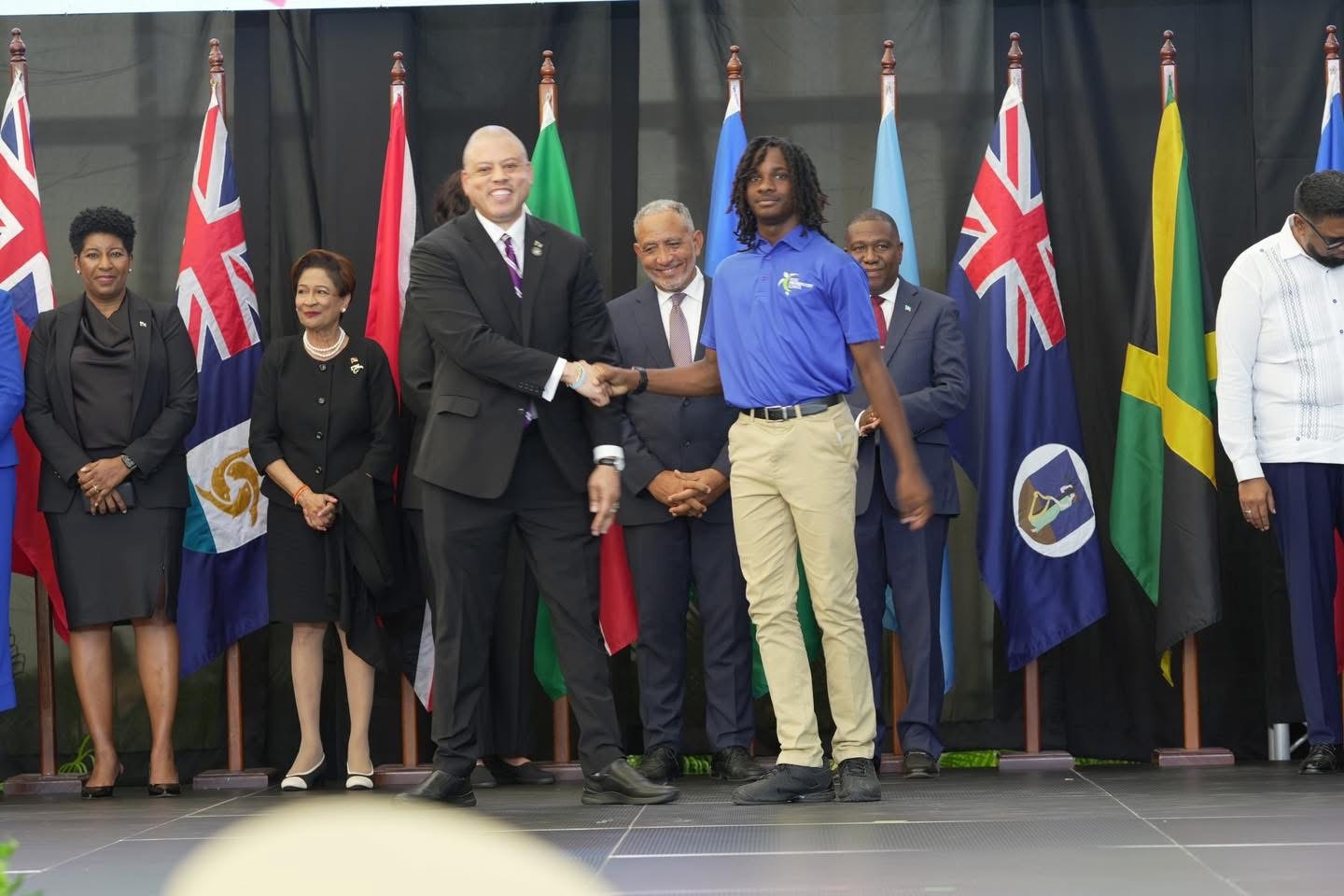
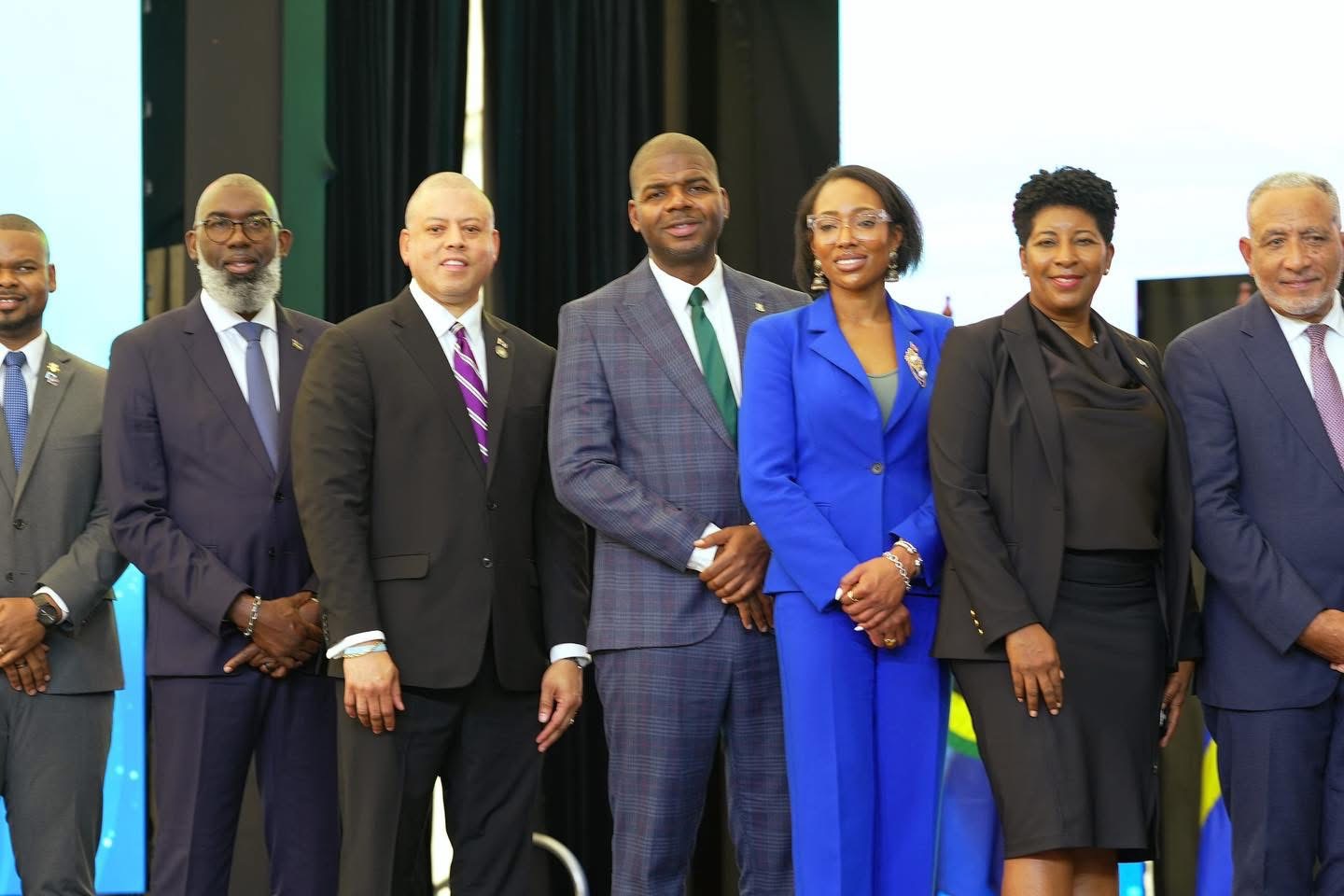
History was made on the evening of 24 Feb. in Basseterre, St Kitts and Nevis, as every leader of CARICOM’s 15 full member states gathered under one roof for the first time in more than a decade for the opening ceremony of the 50th Regular Meeting of the Conference of Heads of Government of the Caribbean Community.
Among them was Cayman premier, André Ebanks, participating with what he described as a clear aim of “enhancing and maximising Caribbean bonds of fellowship and economic prospects for the benefit of our collective people”.
On 25 Feb., Ebanks shared an oral statement for the Cayman public, indicating that he attended “just a fantastic set of meetings”. He added, “Our team has learned a lot, met with a lot [of people], got great ideas that we want to … bring back to the caucus, and translate the dialogue into delivery.”
Ebanks underscored the significance of the special guests in attendance, pointing to the presence of representatives from the United Arab Emirates, Saudi Arabia, the Commonwealth, the African Development Bank, the Caribbean Development Bank and US Secretary of State Marco Rubio, whom he said, “set out the US’ vision to reinvigorate relations in the region”.
Rubio arrived in St. Kitts in the early hours of 25 Feb. His visit marked the first face-to-face engagement between US and Caribbean leaders since the US military’s capture of Venezuelan President Nicolás Maduro on 3 Jan., that led to a deepening humanitarian crisis in Cuba linked to tightened US sanctions and an effective oil embargo that has severely constrained the island’s fuel supplies and economy.
During his one-day stay at the summit in Basseterre, Rubio addressed a closed-door meeting of regional heads of government, which included associate members such as Cayman, and held bilateral discussions with CARICOM Chair and Saint Kitts and Nevis Prime Minister, Dr. Terrance Drew and Trinidad and Tobago Prime Minister Kamla Persad-Bissessar.
Divergent positions on Cuba
With Cuba dominating the opening remarks a day earlier, it was widely expected that the situation on the island would feature prominently in Rubio’s discussions with the delegates.
Although it is not a CARICOM member, Cuba’s deepening economic and humanitarian crisis set the tone of the 24 Feb. ceremony, surfacing repeatedly in addresses by Drew, Persad-Bissessar and Jamaica’s Prime Minister Andrew Holness.
Drew, who trained as a physician in Cuba before completing further specialisation in the United States, framed the situation as a matter of regional stability.
“A destabilised Cuba destabilises all of us,” he said, advising member states to treat the humanitarian situation with urgency and suggesting that CARICOM could serve as a conduit for dialogue between Havana and Washington.
Holness also acknowledged Cuba’s longstanding ties to the region, including the deployment of Cuban medical professionals and teachers throughout the Caribbean and emphasised potential spillover effects if conditions on the island deteriorate further.
“We care deeply about the Cuban people,” he said. “Today, many Cubans are facing serious economic hardship, energy shortages and growing humanitarian challenges. We are sensitive to their struggles. But we must also recognise that a prolonged crisis in Cuba will not remain there. It can impact migration, security and economic stability across the Caribbean, including Jamaica.”
Persad-Bissessar questioned what she described as inconsistencies in how democratic standards are applied within the region and defending her unwavering support for US actions in the region.
“There is global focus today on Cuba,” she began. “Every leader here participated in democratic elections in our respective countries. Therefore, I ask, why do some CARICOM governments and political parties believe that they and their political parties’ supporters should have the right to contest democratic elections to choose their leaders, but Cuban citizens should not have the right to do the same? You cannot advocate for others to live under communism and dictatorship, but want to live under democracy and capitalism yourself.”
Rubio’s remarks
Although most of the discussions took place behind closed doors, Reuters, citing a transcript of Rubio’s remarks, reported that he did not directly address Cuba. Instead, his comments focused on security across the Western Hemisphere and the threat posed by transnational criminal networks involved in drug trafficking throughout the region.
“The Trump administration was giving priority to the Western Hemisphere after [the region] largely being ignored for a very long time,” Rubio said, according to the transcript obtained by Reuters.
“We are interested in rebuilding and constructing a new dynamic in this Western Hemisphere in which we partner with all of you on the issues we share in common,” he said, emphasising a focus on cooperation on shared concerns such as security and transnational crime.
Rubio said the US is aware that some groups are obtaining weapons from the United States and is working closely with law enforcement to stop the flow.
On Venezuela, Rubio said the country’s interim authorities have made significant changes since the US operation that resulted in Maduro’s capture, including releasing political prisoners, but added that they will still require the legitimacy that comes from fair and democratic elections. He added that the country was better off now than it had been eight weeks ago.
Amid that backdrop, on 25 Feb. the US Department of State posted two new fact sheets on its website, one outlining the Caribbean Basin Security Initiative and another detailing US-Caribbean Cooperation to Disrupt Illicit Firearms Trafficking, underscoring the administration’s priorities that Rubio articulated in his remarks.
Around the same time, the US Treasury Department also published guidance on its website, indicating that it will permit companies to apply for licences to resell Venezuelan oil to Cuba, a step that could help alleviate the island’s severe fuel shortages.
Related Videos






This week’s incident where 4 people on a US registered boat were killed by Cuban authorities is a false-flag operation by the US.
They sent people into Cuban waters to be sacrificed simply to have an excuse for overt military action.
Watch!
So exactly how does the pardon of the Honduran president charged with drug trafficking fit in with the US concern about drug sales?
And how does the illegal kidnapping of the admittedly crooked but not convicted Madero by Rubio!s boss,who is a convicted felon, enhance regional security.
And while all these Caribbean leaders standing oddly by and permitting the US to commit acts of piracy and murder on the high seas? And how exactly dies this enhance security?
And why instead of sucking up to Rubio and endorsing his starvation of Cubans h in any help and fuel being sent to the islands?
Canada is ?