At a glance
- The US is escalating pressure on Cuba, tightening sanctions and calling for political change as tensions rise.
- A deepening energy crisis, worsened by the loss of Venezuelan oil, has triggered widespread blackouts and unrest.
- Russia and China are stepping in, with Chinese-backed solar projects now supplying up to 10% of Cuba’s electricity.
The United States has increased pressure on Cuba as the island grapples with widespread power outages and a deepening energy crisis that has disrupted daily life and strained key services.
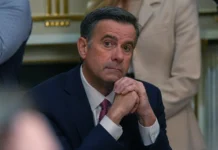
Speaking at the White House on Tuesday, during a meeting with Micheál Martin, prime minister of Ireland, US Secretary of State Marco Rubio said Cuba’s current political and economic system is not delivering results and suggested that significant changes in leadership and policy would be needed to address the country’s challenges.
His comments followed statements that the Trump administration is exploring options aimed at political transition in Havana.
Cuban President Miguel Díaz-Canel confirmed on 13 March that discussions have taken place with US officials aimed at identifying key issues in the bilateral relationship and exploring possible solutions.
“Cuban officials have recently held conversations with representatives of the United States government,” he said. “These conversations have been aimed at seeking solutions through dialogue to the bilateral differences we have between the two nations.”
Speaking to reporters aboard Air Force One on Sunday 15 March, US President Donald Trump described Cuba as “a failed nation” and said the United States would “soon either make a deal or do whatever we have to do”, adding that Washington’s immediate focus remains on Iran before turning more fully to Cuba.
“We’re talking to Cuba, but we’re going to do Iran before Cuba,” he said.
A day later, speaking at the White House, Trump signalled the possibility of broader action, saying he believed he could “do anything” with the island.
“You know, all my life I’ve been hearing about the United States and Cuba. When will the United States do it?” he told reporters, adding that he believed he would have “the honour of taking Cuba”.
The US has enforced an economic embargo on Cuba since the early 1960s, and the Trump administration has tightened those measures further, including a January order targeting countries that supply oil to the island.
Pressure intensified following the US-led removal of Venezuelan President Nicolás Maduro in January, which cut off a critical source of subsidised oil. The loss of that supply has worsened fuel shortages and accelerated the energy crisis now driving widespread blackouts.
The United Nations has repeatedly condemned the US embargo and warned that Cuba is nearing a humanitarian breaking point. With its power system under strain and essential services disrupted, the island’s economic crisis is increasingly spilling into daily life.
Island-wide blackouts
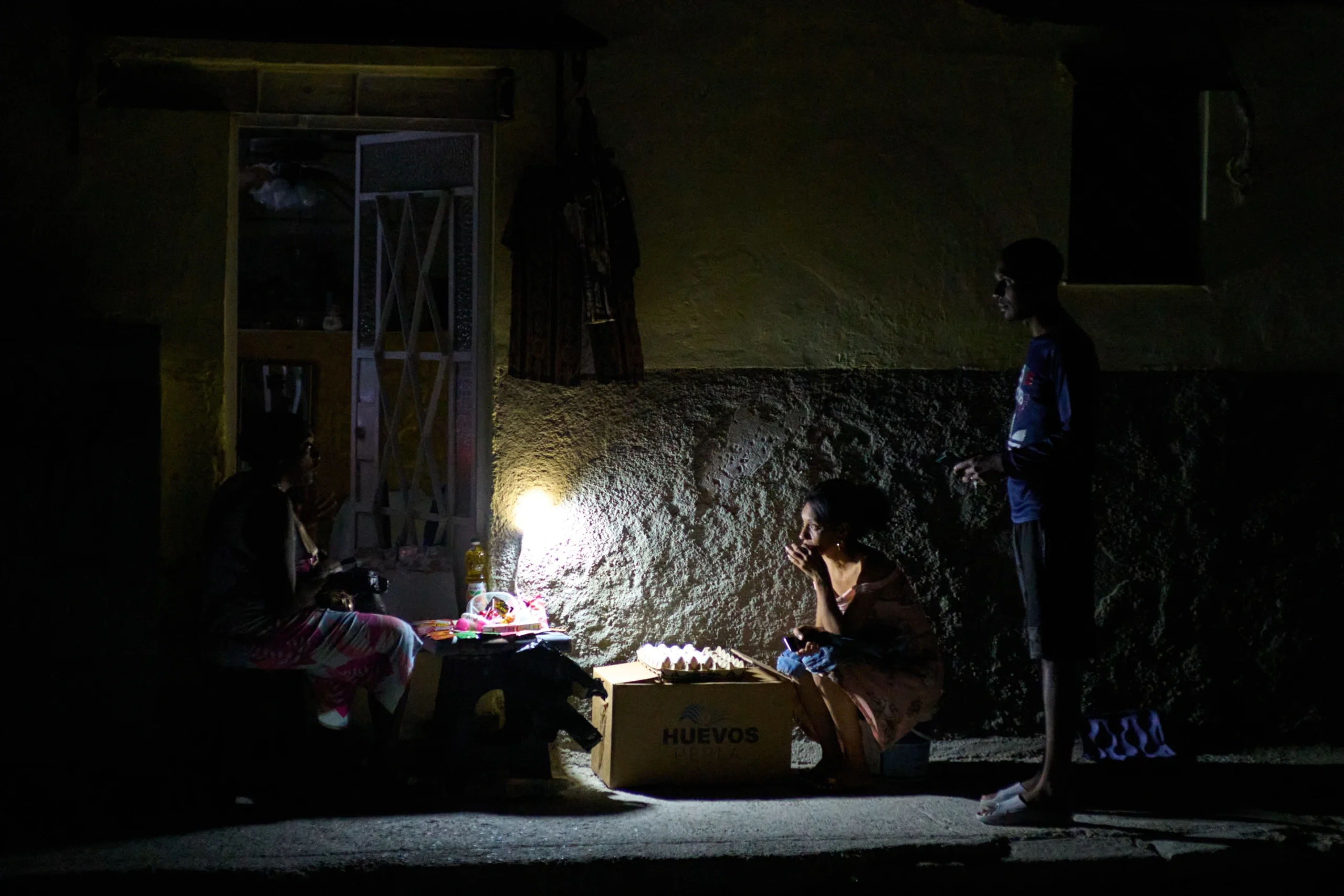
The mounting pressure coincides with one of the worst energy crises Cuba has faced in decades. A total grid collapse on Monday, 16 March left much of the island without electricity, marking the third major blackout in four months.
Large parts of the country, home to about 11 million people, remain vulnerable to further outages as authorities struggle to stabilise an ageing and fuel-starved power system. Electricity has been gradually restored to critical services such as hospitals and to parts of Havana, but officials warn the grid remains fragile.
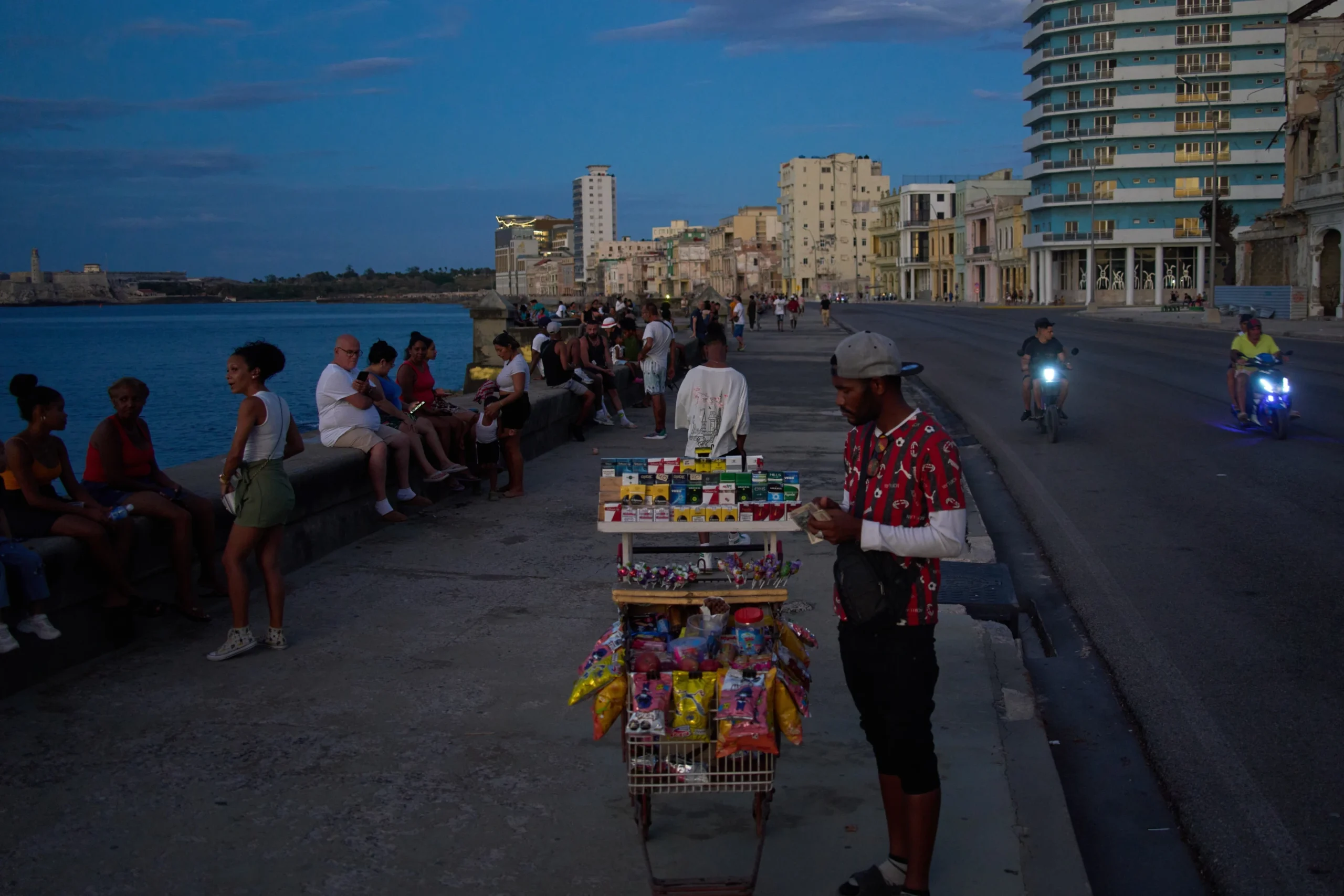
Cuban authorities say the island has not received oil shipments in more than three months, contributing to the current situation. The energy shortfall has affected healthcare, food distribution, water systems and schooling, with outages in some areas lasting for extended periods.
While Cuba produces about 40% of its petroleum and generates some of its own power, it has not been enough to meet demand as the island’s ageing grid continues to deteriorate.
Daily outages of up to 20 hours have become common in some regions, fuelling public frustration and sparking protests. In recent days, demonstrators in central Cuba damaged government property amid anger over power cuts and food shortages.
In response to the tightening US measures, both Russia and China have reiterated their support for Cuba.
Russia’s foreign ministry said it “reaffirms its unwavering solidarity” with the Cuban government and people, while criticising what it described as external interference and unilateral sanctions. Moscow has also indicated it could provide the island with “the necessary support, including financial aid”.
China has also deepened its engagement, particularly in the energy sector. As Cuba scrambles to reduce its dependence on imported fuel, Beijing has backed expansion of solar power across the island.
Chinese exports of solar equipment to Cuba have surged dramatically in recent years, and authorities say more than half of a planned 92 solar parks are already operational. Researchers estimate that these Chinese-backed solar installations could now be supplying as much as 10% of Cuba’s electricity.
At the same time, Cuba has signalled some willingness to adjust its economic model.
Cuba to allow citizens abroad to invest in the country
In an exclusive interview with NBC News, the country’s economic czar and deputy prime minister, Oscar Pérez-Oliva Fraga, said Cuban nationals living abroad – including those in the United States and their descendants – will soon be allowed to invest in and own private businesses on the island.
The move would mark a significant departure from longstanding restrictions that have, for decades, limited the rights of Cubans who left the country to participate directly in the domestic economy.
“Cuba is open to having a fluid commercial relationship with US companies” and “also with Cubans residing in the United States and their descendants”, Pérez-Oliva said.
He indicated that the policy would not be limited to small-scale ventures, but could also include larger investments, especially in sectors such as infrastructure.
Pérez-Oliva, who also serves as minister of foreign trade and investment and is related to both Fidel and Raúl Castro, suggested the shift reflects a broader effort to reconfigure Cuba’s economic model and engage more directly with external partners.
But Rubio dismissed the measures as insufficient. “They have to change dramatically”, he said, adding that recent announcements by Cuban officials to allow limited foreign investment were unlikely, in his view, to resolve underlying economic issues.
Related Videos