

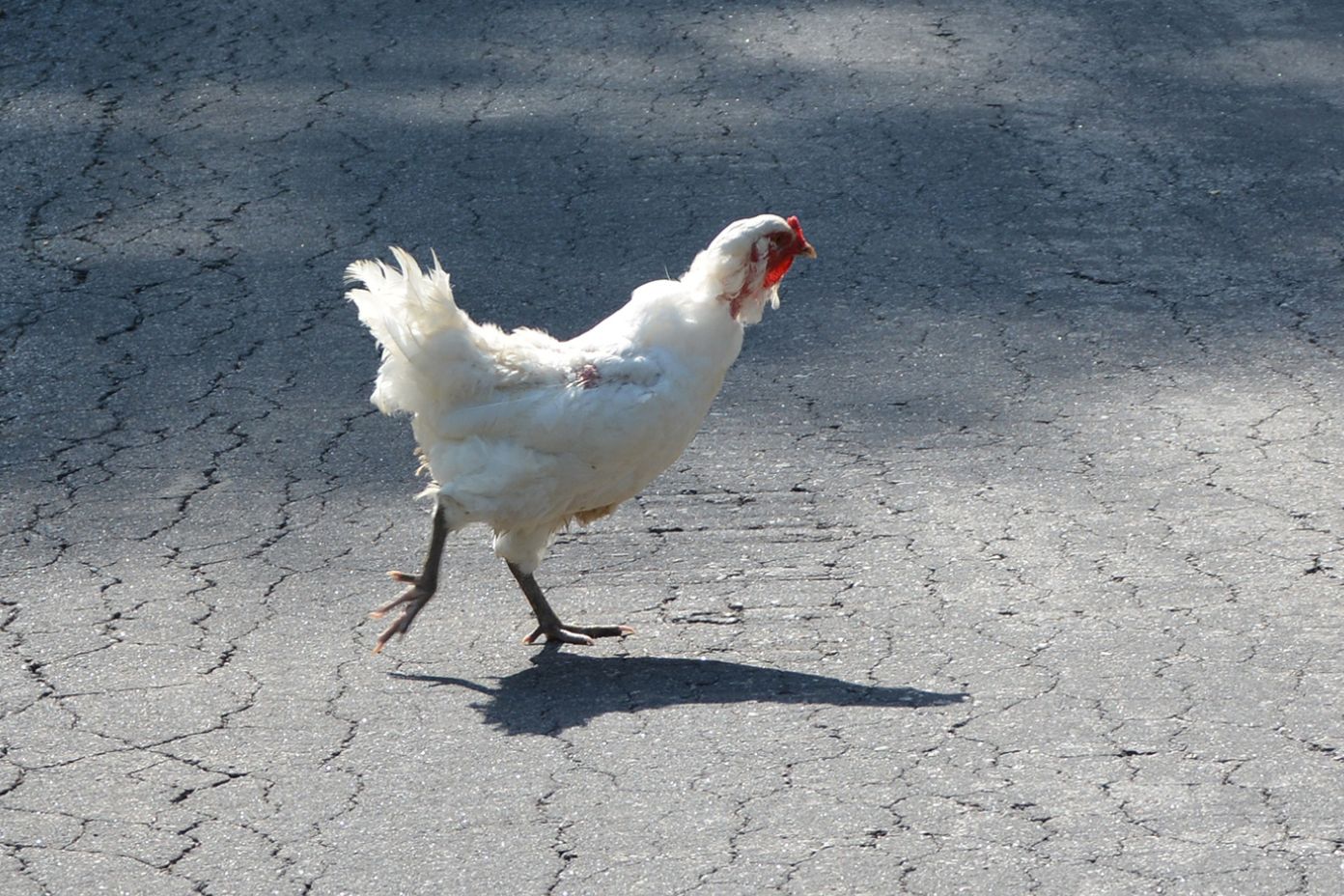
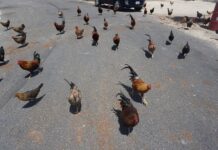
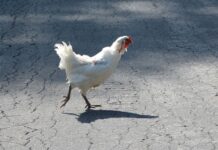
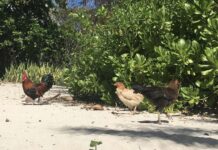
A proposed cull of feral chickens in the Cayman Islands is stirring a deeply rooted debate, one that pits public health concerns against culture, memory and a way of life that many older Caymanians say is slipping away.
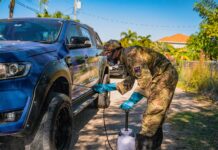
A short-term outbreak of avian influenza on a farm in West Bay in November 2025 led to a government announcement of a feral chicken cull.
At the time, Director of the Department of Agriculture Wilbur Welcome said the move was aimed at reducing the risk of future outbreaks.
“Feral chickens are a vector for some of these highly transmittable diseases, like avian influenza,” he said. “The more feral chickens we have the greater likelihood we have or greater possibility we have of avian influenza or other similar diseases being spread throughout our islands.”
Although avian flu poses a serious risk to bird species, the risk to humans is minimal. During Cayman’s bird flu outbreak, Chief Medical Officer Dr. Hilary Wolf emphasised that “the overall risk to the public remained low”.
Health officials said, “Avian influenza rarely infects humans and typically requires close and repeated contact with infected birds or contaminated environments.”
Still, the threat to humans is not zero. In the United States, 71 human infections and two deaths have been reported since February 2024. In the period between 2003 and 2024, World Health Organization statistics recorded 954 human infections, resulting in 464 deaths – a case mortality rate of more than 48%.
Chickens: ‘Part of Cayman culture’
For many Caymanians, however, the conversation is about more than disease.
“They have become part of Cayman culture. People who don’t like the sound of the crowing should probably get up earlier in the morning,” West Bay resident, Don Patrick said.
Others see the birds as a living link to a more self-sufficient past.

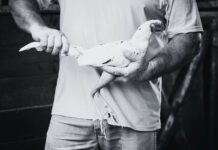
“Back when I was younger, everyone had a chicken coop and raised their chickens … had their eggs,” said Edmund Ebanks. “It was only from the 70s maybe that it started … that everything is imported.”
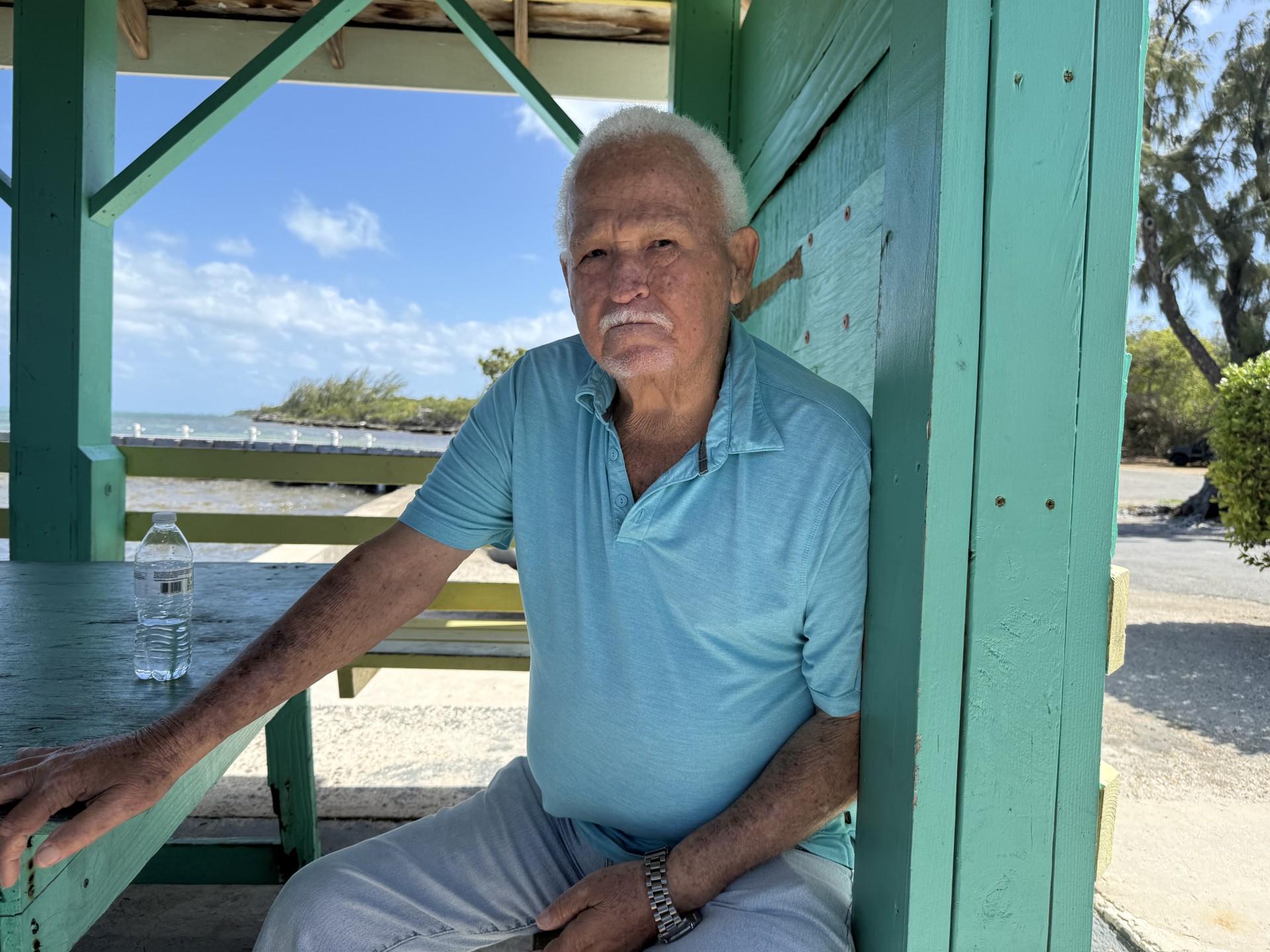
Buddy Rivers, 75, spoke passionately about growing up with chickens.
“I am only 75 now and I remember catching them and they were pulling me about,” he said. “That chicken is 10 times better to eat than what you can get in the shop.”
He questioned the logic behind a widespread cull.
“Chickens have a lot more sense than the people that came up with that culling thing. I wouldn’t like to see that chicken killed and destroyed just for the fun of it.”
Rivers warned of unintended consequences.
“If they kill these chickens here, to get an egg from the States, it’s going to be $25,” he said, suggesting government should instead explore managed solutions, such as designated enclosures where birds could be kept and utilised.
“I think that government should take some land that they have got, build a pen and catch some of them. And get some of the people from NAU and make them maintain it and make them take care of the chickens, and that’s where they get their money from.”
Others expressed more mixed views.

Joe Jackson acknowledged the nuisance factor.
“The chickens are no hurt, but if you have got a garden, a flower garden, that you would like to keep nice and good, then the chickens really become a nuisance. They dig up everything,” he said.
Harley Ray Ebanks took a firm stance against any cull on private property.
“Don’t come to my place to cull chickens,” he said. “They keep all the insects down, centipedes, roaches, you don’t see them around my place. They dig them out of the ground and eat them.”
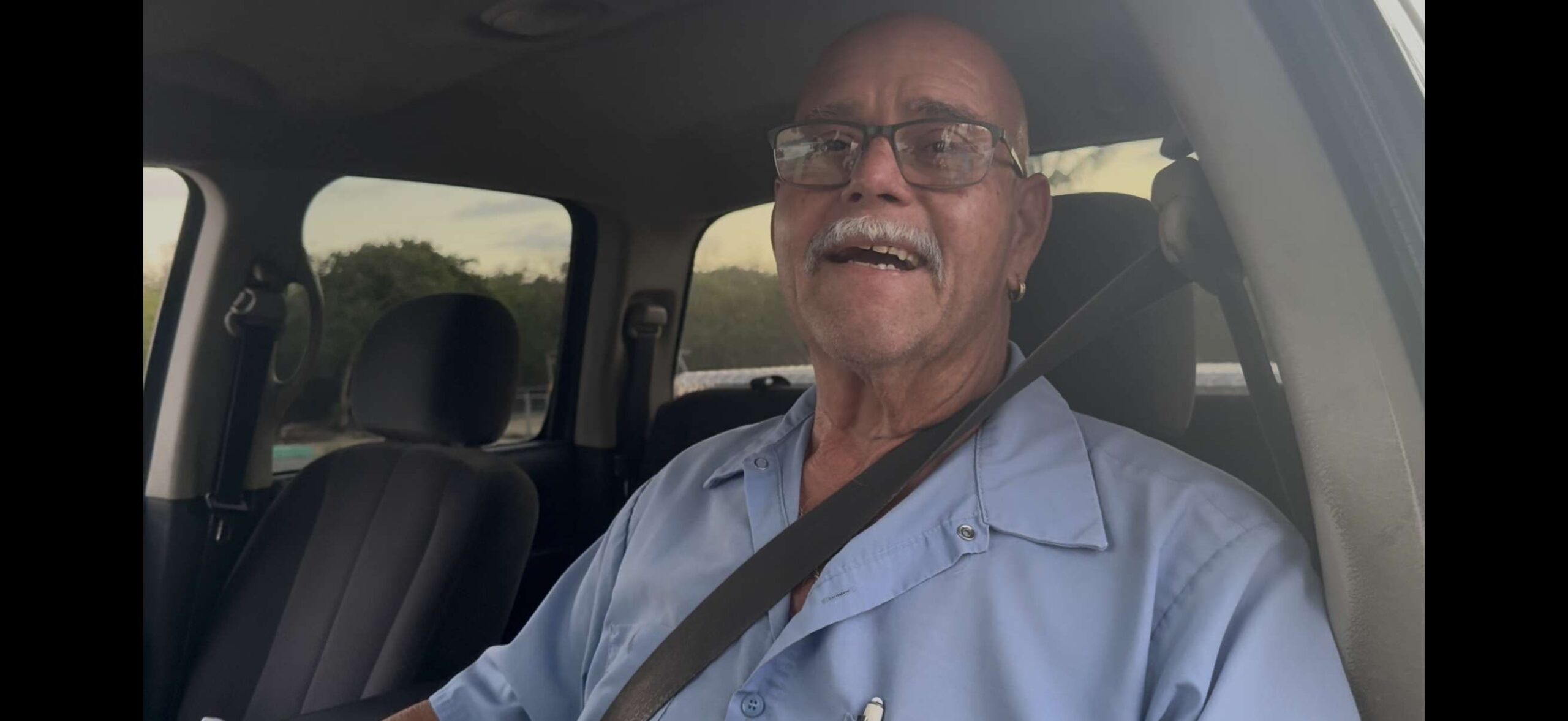
He added, “I grew up eating them. I think after this war in the Middle East, we might have to eat them again. Donald Trump is going to starve the whole world.”
Yet not all voices oppose the plan. Loxley Banks said a reduction in numbers may be necessary.
“Given what we saw with the avian flu, I think it makes sense to cut down the number of chickens,” he said.
The debate underscores a broader tension facing Cayman: How to balance modern biosecurity needs with traditions shaped by generations of Caymanians who relied on the land and sea for survival.
For now, government said the chicken cull programme has been paused and is awaiting funding, but for some residents, the conversation about the proposed chicken cull is far from over.
Related Videos






I repeat my earlier comments. For anyone to argue that tradition should dictate a non-cull is outrageously stupid:
Feral chickens are a blight on the whole country. They’re like a sign to all visitors “You are entering a third world country!”. This should be a top priority, not just for the Health Dept, but also for the tourism folks. Disgusting, dangerous and unhygienic.
Culling, culling, culling. You mean killing. Cayman kills dogs, cats, chickens. What am I missing on this list. This is the uneducated, ignorant means to a horrible end. This is the best you can do. It’s heinous, unthinkable, and cruel. What animal is next?
I am not a full time resident of Grand Cayman (unfortunately). I have only been visiting with my family since the ‘90’s and own our second property on seven mile beach. However, I would like to throw my thoughts in to the chicken debate for what they are worth. It has always been with great joy when I and my children come across a chicken, or a chicken family, when out for a walk. They delight and surprise every time. We love taking pictures of them and admiring their off spring. They form part of the beautiful Cayman landscape that we adore. Since the avian flu posed such a relatively small risk, it would be a great shame to eliminate such a large cultural hallmark. Government efforts and money might be better spent making the roads safer for humans as well as chickens….
Urban homesteads will be a consequence of rising food prices. It is not a bad thing to know where you food supply comes from.
Local chickens have developed an immunity to many diseases that the imported Broilers & layers chicks from the US don’t have. Building a “Herd / flock” immunity would help decrease the spread of diseases.
let the chickens be. get more sand on SMB.
I agree our chickens have sense, judging by their habit of ripping up the plastic bags in the bins and scattering the contents in the road. Do we really want to be known as the Islands chickens never forgot?.
Outbreak was on a farm not the wild so the farm owners are responsible for the conditions that led to this not wild chickens. Why is no one addressing that?
Darn it, blame animal owners. be it cats, dogs, chickens. Take responsibility for the actions of your animals. Even if they don’t belong to you, we as humans have to establish a different mindset. Culling, killing no, controlling by way of spaying, neutering. what kind of a kill society have you all become. It’s sickening. Babies will be next.