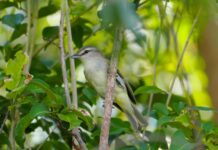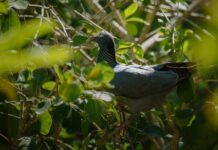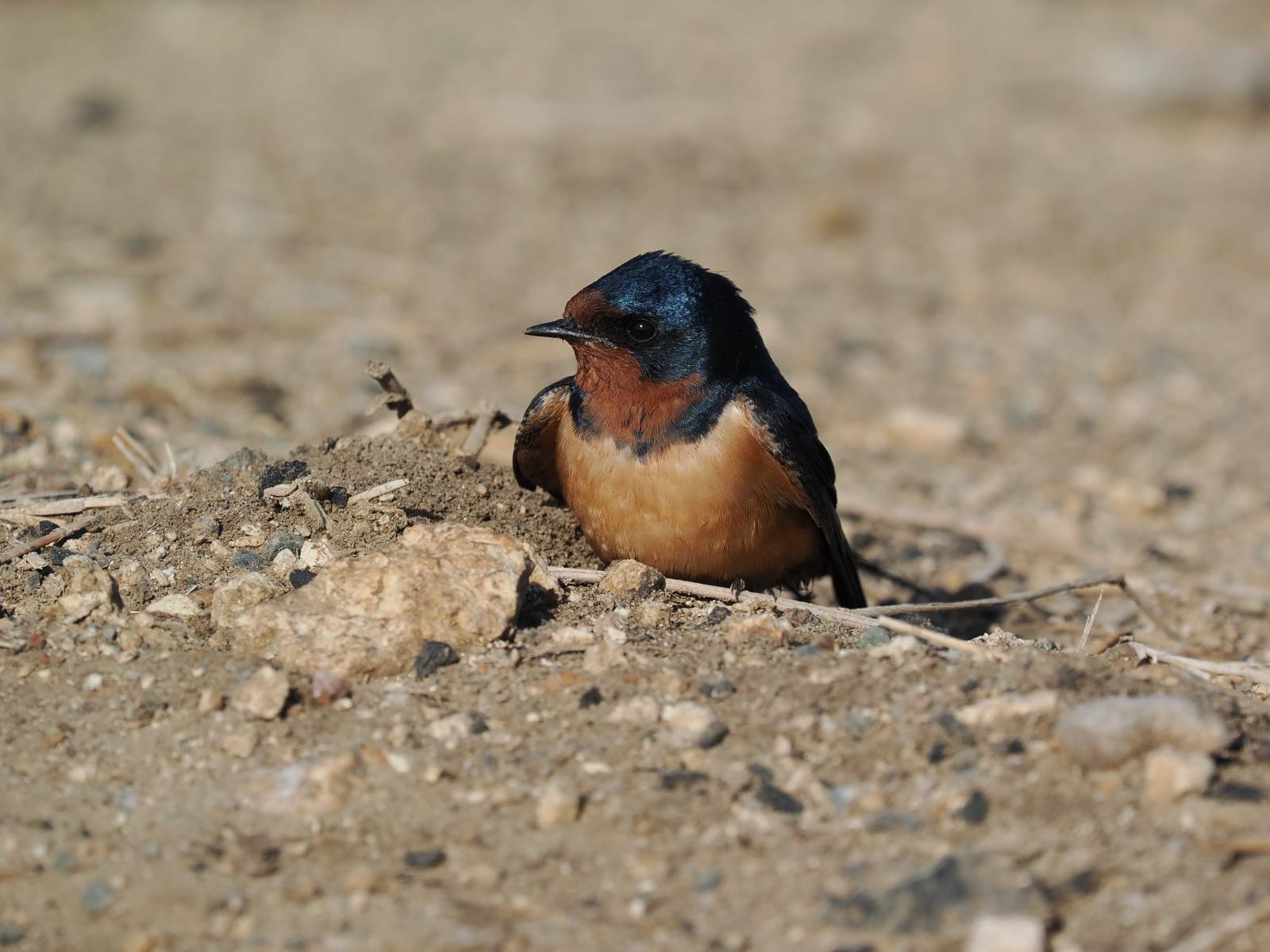
The ‘aerial acrobats’ are back. Large numbers of barn swallows have arrived in Cayman over the past couple of weeks.
“Groups of barn swallows arrive and stay in Cayman for a few days,” said avid local ‘birder,’ Tonja Wight. “They don’t nest here, they eat insects and then move on.”
She added, “The barn swallows pass over the Cayman Islands in two large waves. Right now, they are migrating up from South America towards their nesting grounds in the United States, and then later in the year, in the fall, barn swallows pass back through the Cayman Islands again, as they head back south.
“We are seeing flocks on them near the cricket pitch in George Town and over the pasture lands in East End and there are some groups darting low and fast over the beaches.”
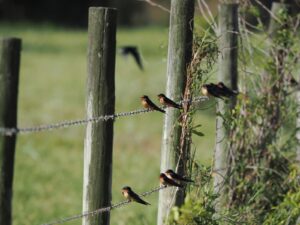
The small, fast-moving birds, measuring just 15–19 cm in length, are among the most familiar passage migrants in the Cayman Islands.
“They are beautiful to watch,” said Wight, “but when they are flying they can be quite hard to tell apart because they move very fast.”
Wight said that in addition to the barn swallows, the Cayman islands also gets visits from cliff swallows, bank swallows, northern rough-winged swallows, purple martins and Caribbean martins..
Known for their long, deeply forked tails and glistening blue backs, barn swallows cut a distinctive silhouette as they zigzag across the sky in pursuit of insects.
Often described as ‘beach acrobats,’ they are masters of flight, swooping low over land and water, sometimes just inches above the surface, snapping up mosquitoes and other flying insects. They are also capable of drinking on the wing, skimming ponds and pools to scoop up water mid-flight.
For Cayman observers, their return is both a spectacle and a reminder of one of nature’s great journeys.
Barn swallows are the most widely distributed swallow species in the world, with a global population estimated between 290 and 487 million. Birds that pass through the Caribbean typically breed in North America before heading south to wintering grounds in Central and South America, travelling up to 6,800 miles during migration.
Some take a direct and perilous route across the Caribbean Sea, a non-stop flight that has been noted by sailors for centuries. In maritime tradition, a swallow tattoo was once earned after sailing 5,000 nautical miles, symbolising a safe return home – a nod to the bird’s remarkable navigational ability and reliability.
In Cayman, the islands serve as a crucial refueling stop along this route. While large flocks were once more common, barn swallows are still regularly seen, often gathering on overhead wires or sweeping across wetlands and coastal areas in smaller numbers.
Their aerial lifestyle defines nearly every aspect of their behaviour. Unlike many migratory birds, barn swallows travel during the day, feeding continuously as they move. Their diet of flying insects means they must remain light and agile, relying on constant foraging rather than stored fat reserves to fuel their journey.
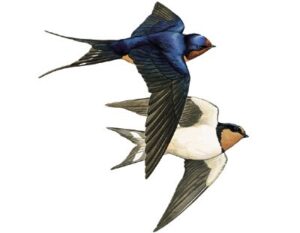
Their physical features are not just for show. The Cayman Islands Department of Environment notes that, “Scientific studies have shown that female barn swallows often select mates based on tail length and symmetry, with longer, more balanced tails linked to overall fitness and reproductive success.”
Despite weighing less than an ounce, these birds are capable of sustained daily flights of up to 200 miles, maintaining speeds that allow them to complete their migration in just a few weeks under favourable conditions.
Related Videos