

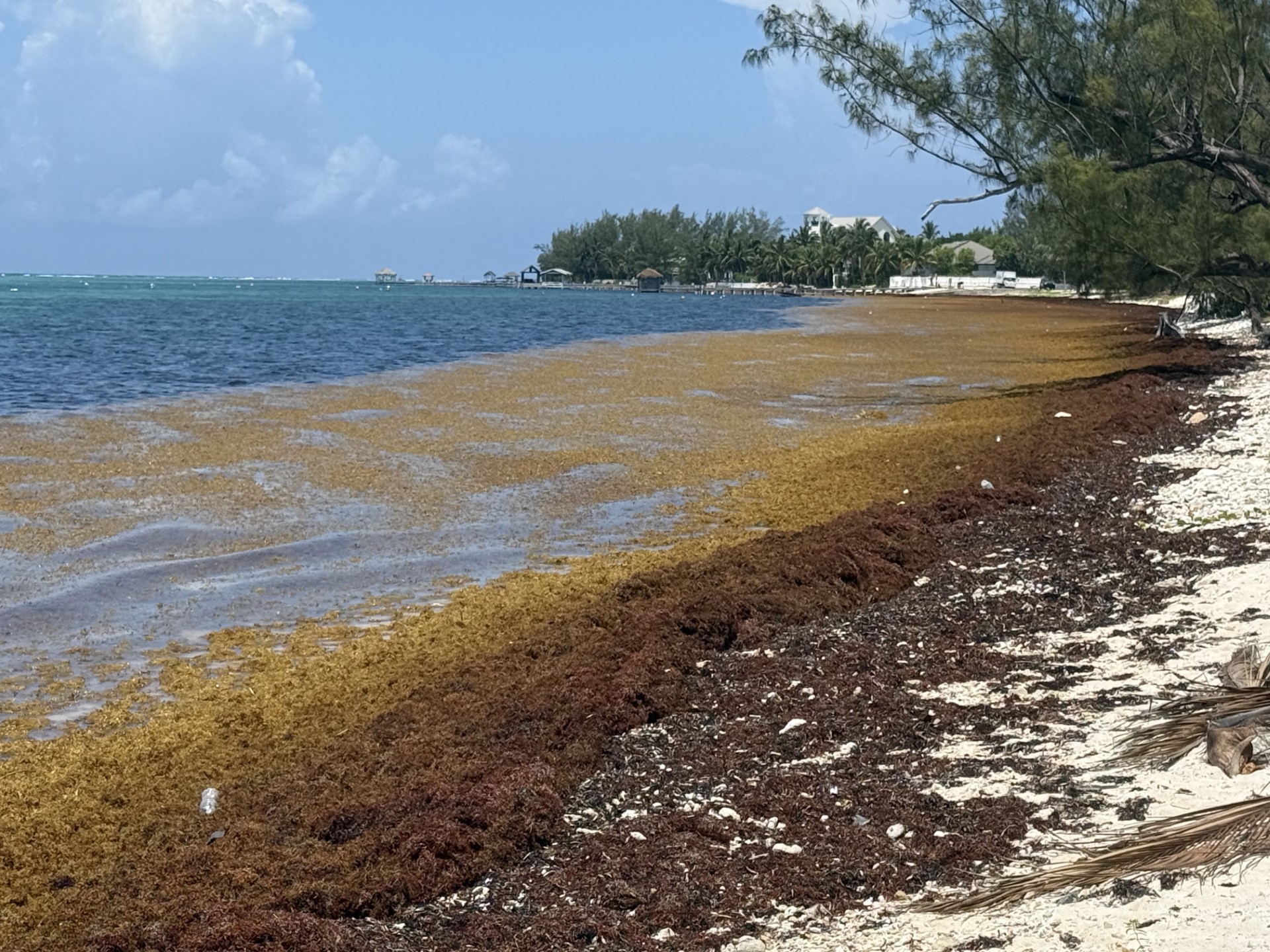
A recent influx of sargassum seaweed along parts of Grand Cayman’s southern coastline is being linked to a wider regional bloom that scientists say is spreading across the Caribbean at near record levels.
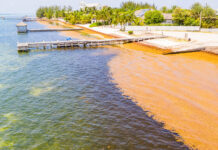
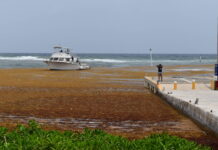
While some accumulations have recently appeared along the island’s south-facing shores following periods of south-easterly winds, Grand Cayman has so far avoided the extensive beaching events affecting many other Caribbean islands.
The main tourism corridor, including Seven Mile Beach and the George Town waterfront, remain unaffected. That is largely due to Cayman’s geography and the prevailing easterly tradewinds, which leave the west coast sheltered on the lee side of the island. Unless unusual wind patterns or tropical systems develop, sargassum is generally prevented from washing ashore along Seven Mile Beach.
According to the latest outlook from the University of South Florida Optical Oceanography Lab, sargassum levels across the Caribbean continued to increase through April, with researchers warning that “2026 is likely to become another major sargassum year and potentially a record season by summer”.
Satellite monitoring showed sargassum had expanded across the entire Caribbean Sea by mid-April, with substantial amounts also moving into the Gulf of Mexico and along parts of the Florida coastline.
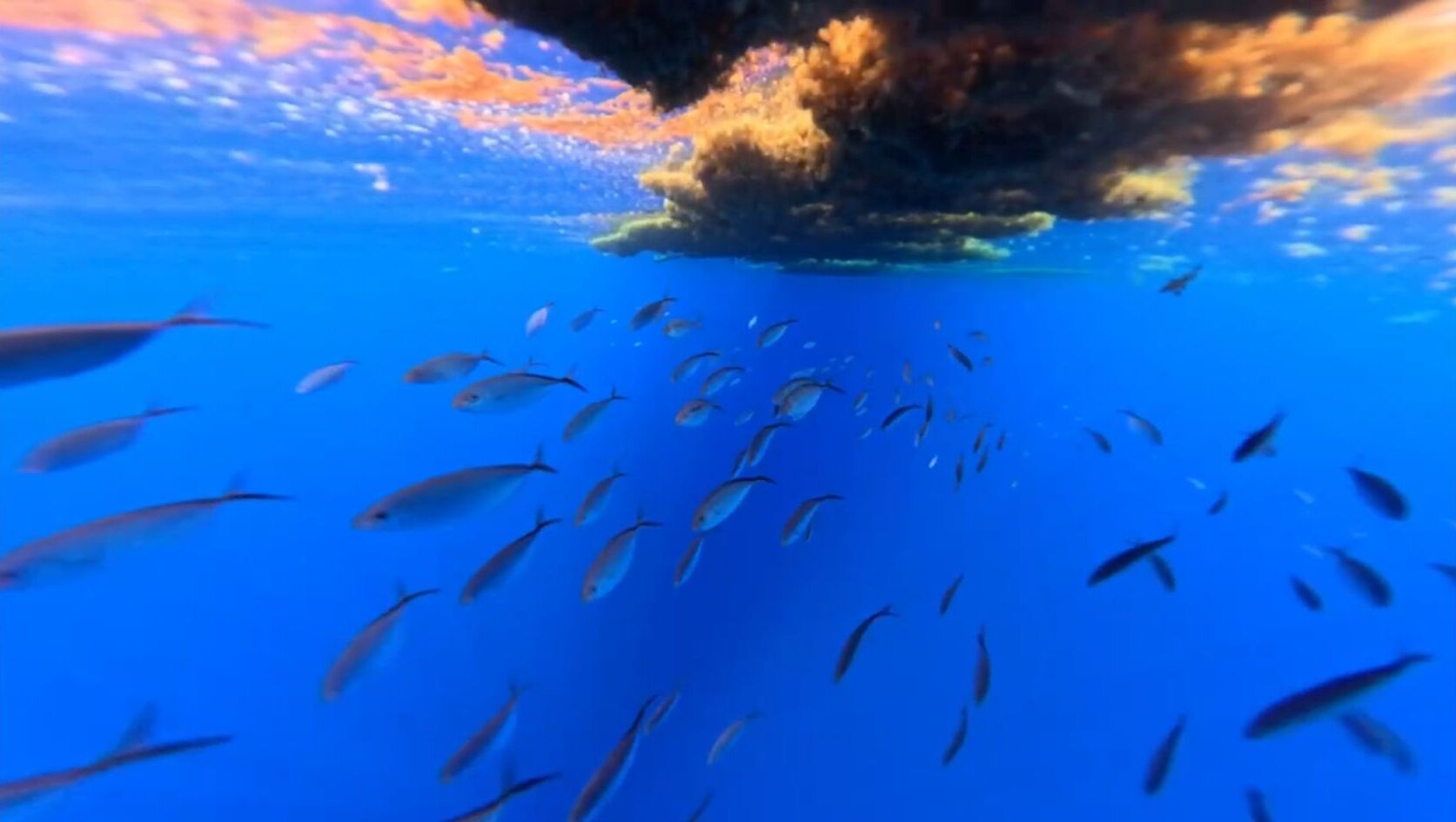
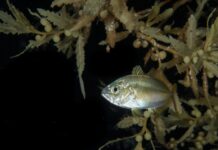
Sargassum is a naturally occurring floating brown seaweed that provides habitat for marine life offshore, but when large quantities wash ashore and begin decomposing it can create strong odours and affect coastal areas, tourism and marine access.
For now, Cayman’s impacts remain localised and relatively minor compared with conditions elsewhere in the region, though continued south easterly winds could bring additional accumulations to exposed southern coastlines in the weeks ahead.
Related Videos








Harvest the sargassum while it’s still floating upwind, dump it downwind to let it finish its western journey. Machines exist. Drones can guide us to the long bands approaching our island.
We need a strategy on dealing with this sargassum threat, it is an annual phenomenon. Also involve private land owners in the solution.