At a glance
- Cayman began enhanced Ebola screening and surveillance measures at Owen Roberts International Airport on 21 May following the WHO’s declaration of an Ebola outbreak emergency in Congo and Uganda.
- A PHEIC is the level below a ‘pandemic emergency,’ the WHO’s highest classification, which is reserved for widespread global transmission causing major international disruption.
- Health officials say the current risk to Cayman remains low, but travellers arriving from affected areas may face targeted screening, health questionnaires and increased monitoring.
- Authorities stressed the outbreak is concentrated in specific regions of the Democratic Republic of the Congo, while CARPHA and regional partners have activated additional travel surveillance measures across the Caribbean.
Cayman began enhanced Ebola screening measures at Owen Roberts International Airport this week following the World Health Organization’s declaration of an Ebola outbreak in the Democratic Republic of the Congo and Uganda as a Public Health Emergency of International Concern.
The Ministry of Health, Environment and Sustainability said screening and surveillance measures for selected incoming flights began on Thursday, 21 May, as regional and international health agencies have begun to intensify monitoring efforts.
Officials stressed that the current risk to Cayman and the wider Caribbean remains low, but said precautionary measures are being introduced to support early detection and public safety.
The ministry said measures will include increased monitoring of travellers arriving from affected areas, coordination with airport and border control agencies and targeted health questionnaires for travellers who have recently visited countries impacted by Ebola outbreaks. Existing maritime surveillance protocols for cruise ships and maritime operators also remain active.
Chief Medical Officer Dr. Hilary Wolf said the approach is intended to ensure Cayman remains prepared while avoiding unnecessary alarm.
“While the current risk to the Cayman Islands remains low, the Ministry and Public Health Department continue to monitor the situation closely in collaboration with CARPHA and international public health partners,” Wolf said.
In an interview with the Compass, Wolf said authorities are following guidance from the WHO and regional health partners to identify any potential risk early.
“The goal really is to make sure that we keep the people here safe, our visitors, our residents,” she said. “We just want to ensure that we are identifying anything that could be coming and making sure that we’re acting as quickly as possible.”
Wolf said travellers arriving from the Democratic Republic of the Congo or Uganda may be asked about symptoms or possible exposure to Ebola, with public health officials prepared to respond rapidly if concerns arise.
She also emphasised that the outbreak remains geographically concentrated.
“I just want to be very clear that the risk right now is really originating from the Democratic Republic of Congo,” Wolf said, noting that even the cases identified in Uganda involved travellers arriving from The Congo.
“This is not a widespread travel warning. This is very focused to this specific country,” she added.
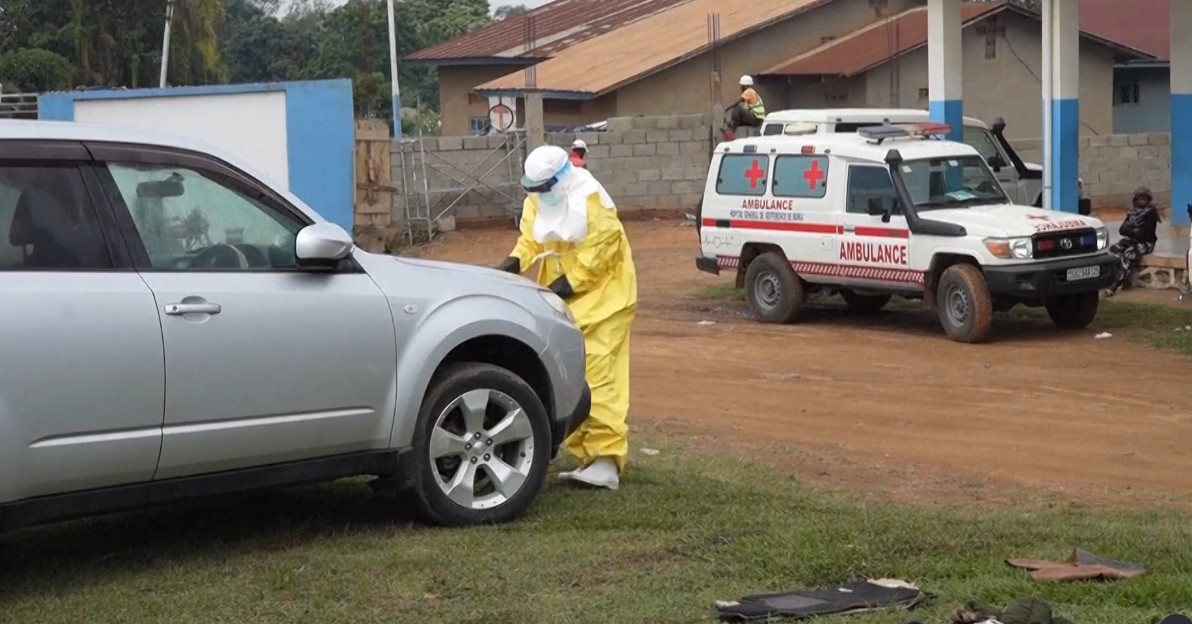
The WHO declared the outbreak a global public health emergency on 17 May after confirmed and suspected cases emerged across parts of eastern Congo and in Uganda.
WHO Director-General Dr. Tedros Adhanom Ghebreyesus said the outbreak is caused by the rare Bundibugyo strain of Ebola, for which there are currently no approved vaccines or treatments.
A Public Health Emergency of International Concern is a level below a ‘pandemic emergency,’ the WHO’s highest classification, which is reserved for widespread global transmission causing major international disruption.
As per the PHEIC designation, the risk of the epidemic is high at the regional and national levels but low at the global level.
“I determined that the situation was not a pandemic emergency, which is the new and highest classification under the amended International Health Regulations,” WHO’s director general said.
The Caribbean Public Health Agency said this week that the primary risk to the region would come through infected travellers.
“Despite the low risk, CARPHA is urging its member states to maintain a high state of readiness,” said Lisa Indar, CARPHA’s executive director. “Because the Caribbean is a major global travel hub, the primary way the virus could arrive is through an infected traveller.”
CARPHA and the Caribbean Community Implementation Agency for Crime and Security have reactivated advanced electronic travel screening systems across regional border points to flag passengers travelling from affected areas.
What is Ebola?
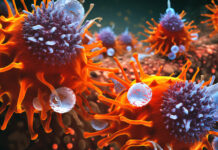
Ebola disease is caused by a group of viruses known as orthoebolaviruses, formerly called ebolaviruses. These viruses can lead to severe illness and, in some cases, death if left untreated.
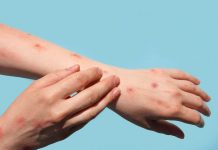
It is spread through direct contact with the bodily fluids of an infected person or contaminated materials. Symptoms can appear between two and 21 days after exposure and may include fever, severe headache, fatigue, vomiting, diarrhoea, abdominal pain and unexplained bleeding.
Wolf said the Bundibugyo strain has historically shown a mortality rate of around 30%, lower than some previous Ebola outbreaks, but still extremely serious.
“It is a very serious virus. We take it very seriously,” she said. “Supportive care is needed immediately.”
Wider implications
The WHO has classified the global risk as low, while assessing the risk within affected countries and neighbouring regions as high. The organisation has deployed emergency response teams, supplies and funding to support containment efforts.
Meanwhile, scientists at the University of Oxford are racing to develop an experimental vaccine targeting the Bundibugyo strain using technology similar to that used during the COVID-19 pandemic. According to the BBC, researchers hope the vaccine could be ready for early clinical trials within months if the outbreak worsens.
Wolf encouraged residents travelling to Africa, particularly affected areas of Congo, to seek guidance from Cayman’s Public Health Department before departure and to avoid unnecessary travel to outbreak zones.
“This is a measured approach,” she said. “We want to have the systems and strategies in place so that, in the very unlikely event that we were to have a case, we would know exactly what to do.”
Related Videos