

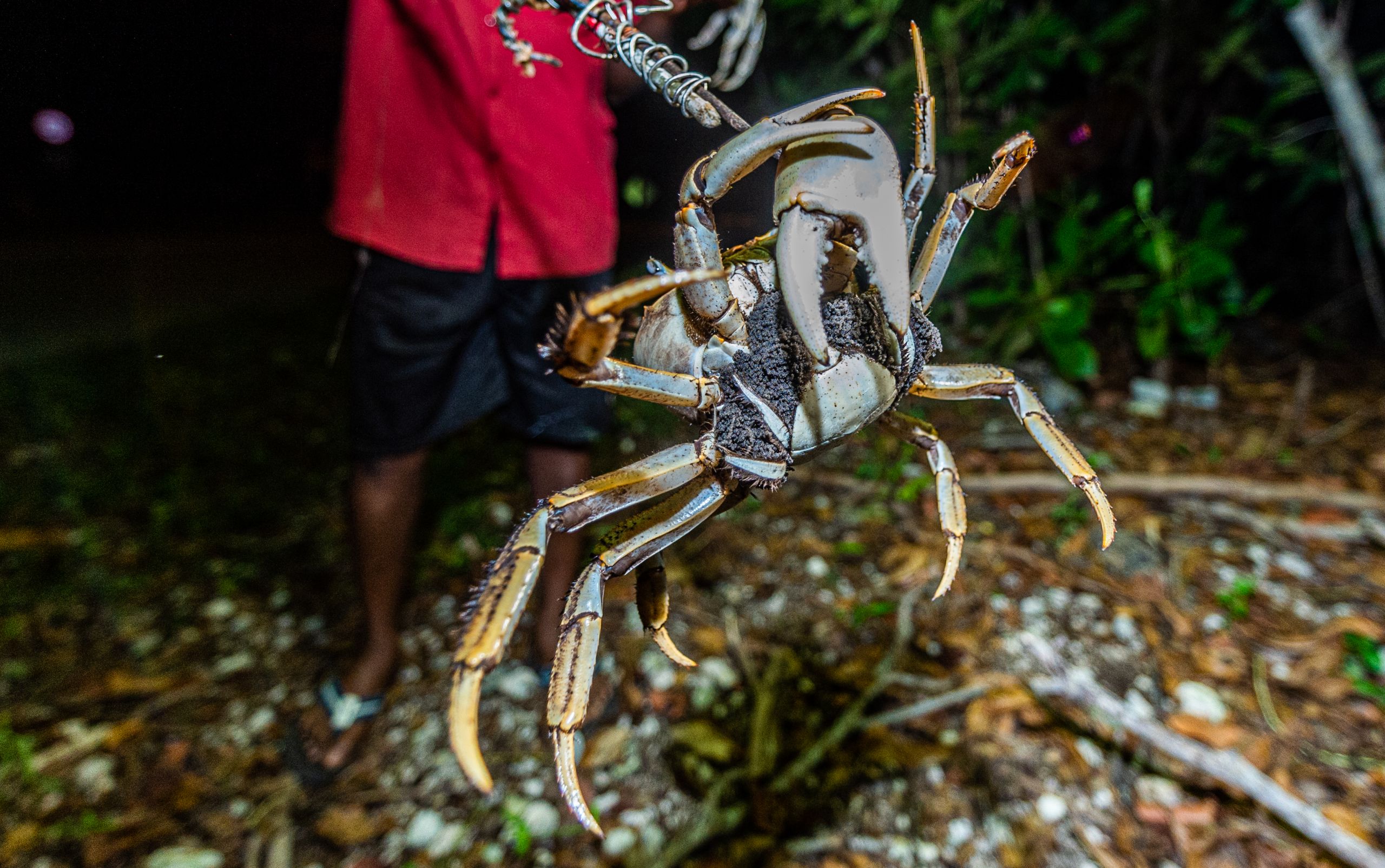
Rainy season has arrived and when the rains soften the earth, Cayman’s land crabs begin to move.
From burrows beneath sea grape trees, dry forest, limestone and mangrove fringe, they emerge in flashes of white, black, red, yellow and purple, crossing roads and yards in one of the islands’ oldest natural rituals.
For generations, Caymanians have watched, caught and cooked them. Their image is even carried on the CI$10 note. But the crabs are also telling another story; one of shrinking habitat, broken migration routes and an island changing around them.
The best known are the white land crab, the black land crab and the redshank. A fourth, less common species, called the hairy or mangrove land crab, has also been recorded in recent years by the Cayman Islands Department of Environment’s Terrestrial Research Unit after reports from Newlands, Red Bay and North Sound Estates.
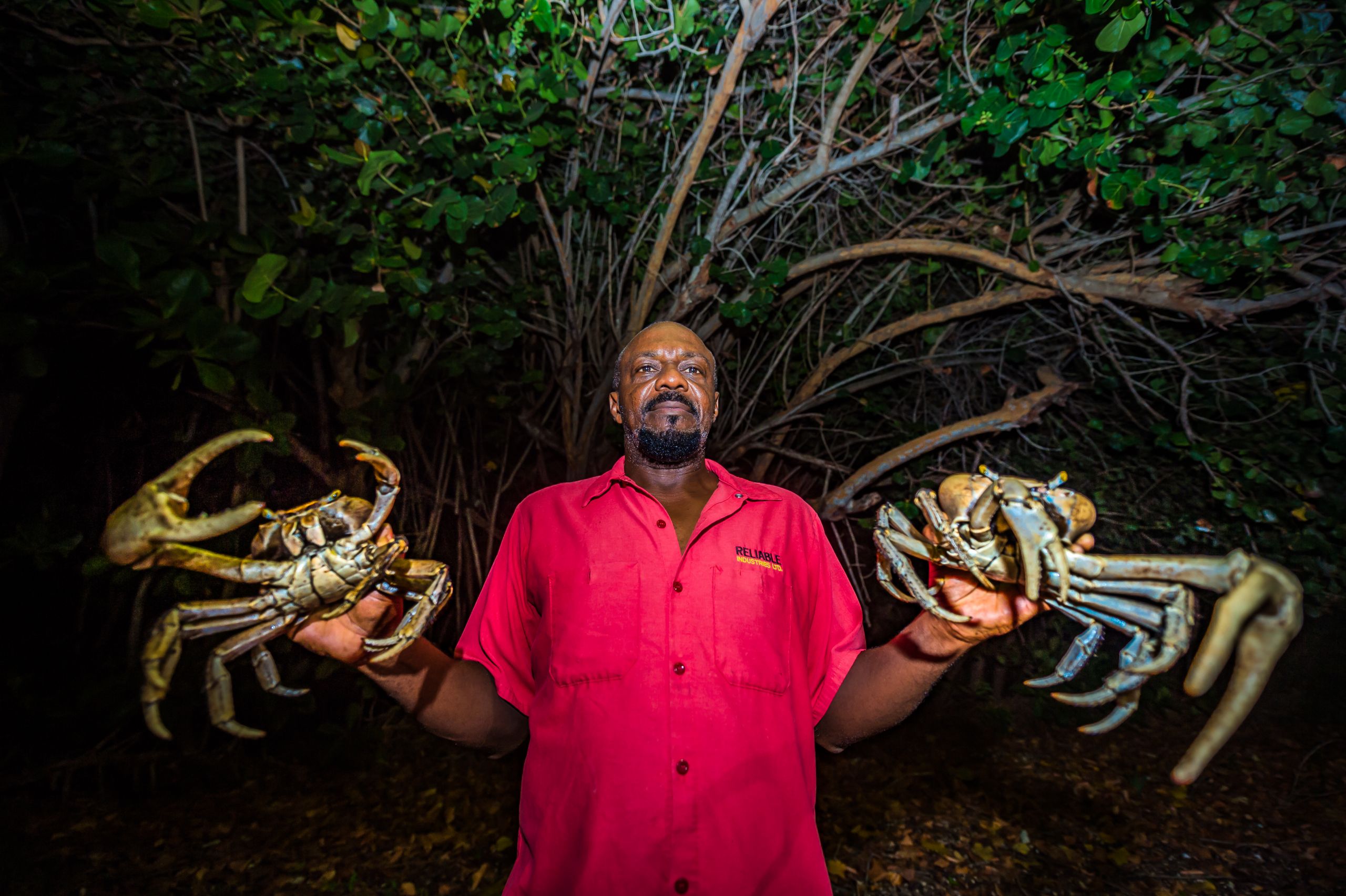
The hairy land crab is more often associated with mangrove systems across the western Atlantic, from Florida to South America. Its appearance in Cayman may reflect larvae carried here on ocean currents, but its rarity also hints at how hidden these animals can be. They spend much of their lives underground, moving mostly at night and depending on healthy wetland habitat.
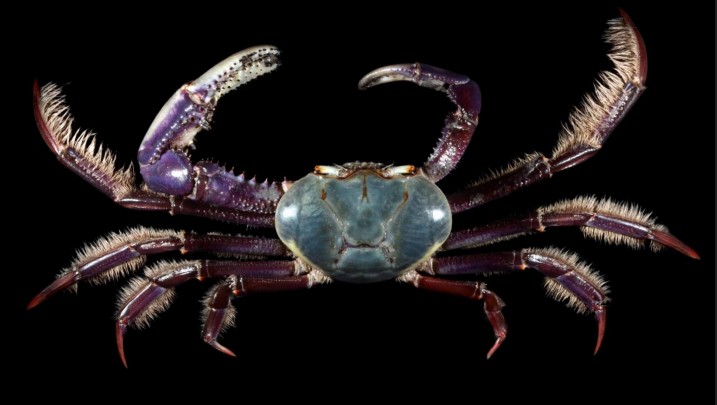
For many Caymanians, however, the arrival of the crabs is inseparable from another tradition: crab hunting.
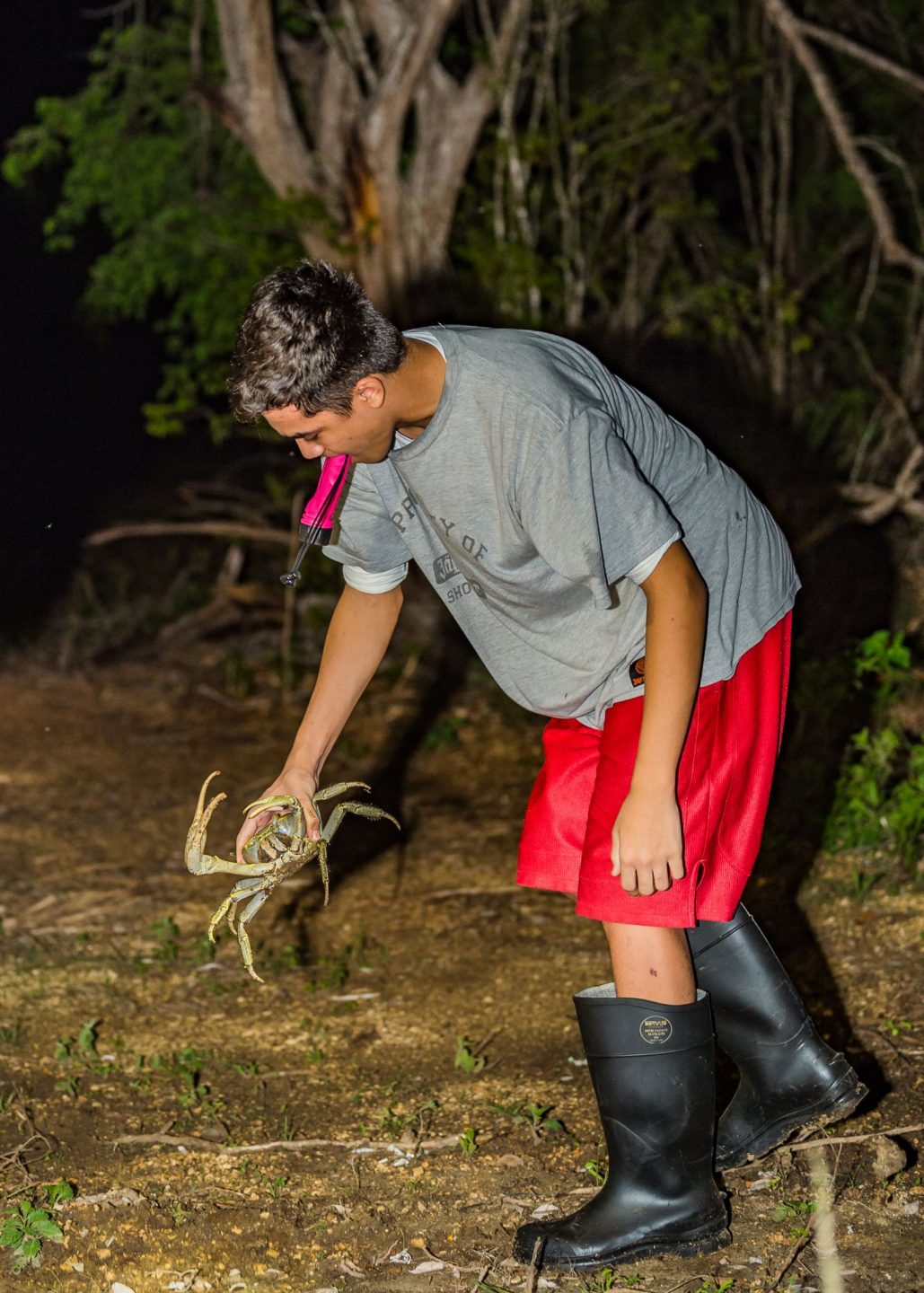
The first heavy rains of spring and early summer, usually in May or June, send people into the backlands, mangrove edges and roadside bushes after dark with flashlights, crocus sacks, buckets and plenty of mosquito repellent.
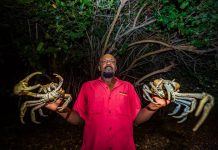
“There is nothing like the thrill of crab hunting,” one longtime crabber, Richard Gonzales recalled in a previous Compass interview. “Caymanians have done it for a very long time. My parents did it, I did it, and now I am teaching my son – he loves the excitement.”
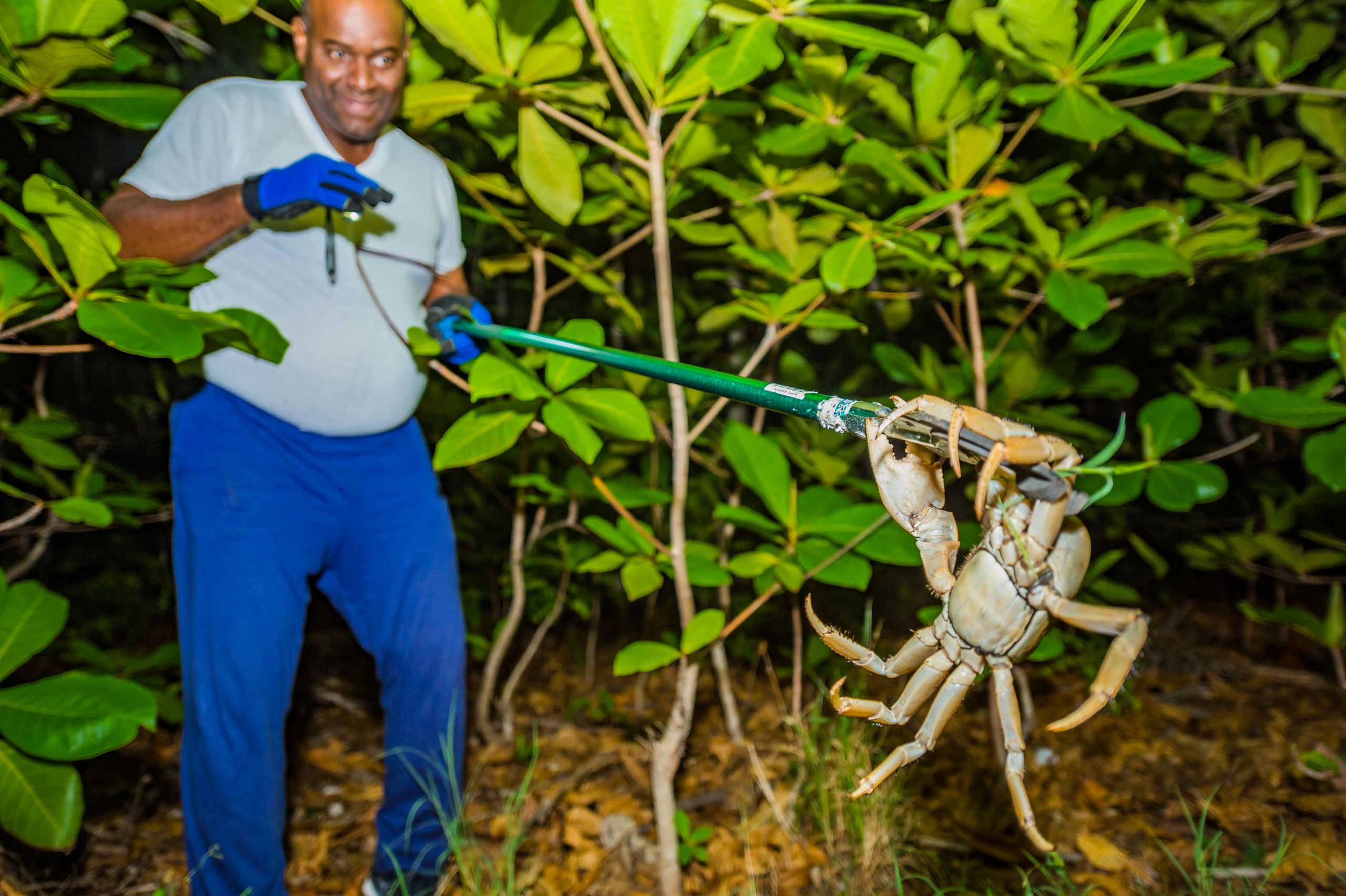
Old hands say there is an art to it. Too much noise and the crabs vanish into the bush. Shine a flashlight into their eyes and they often freeze momentarily, raising their claws in defence. Experienced crabbers reach carefully over the shell, and grab the back of the head to avoid a powerful pinch, before dropping the crab into a sack or bucket.
Some carry a forked stick to guide the crabs into crocus bags. Others simply scoop them up by hand.
And Cayman’s crabs can fight back.
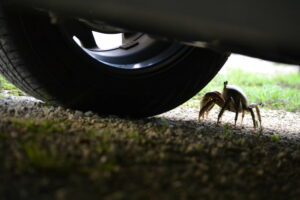
Drivers are warned not to swerve dangerously to avoid crabs crossing the road, but large white land crabs also have a reputation for puncturing tyres. Their raised claws can pierce rubber surprisingly easily, leaving more than one motorist stranded on a dark roadside.
After capture comes another traditional practice known locally as “purging”.
Rather than cooking the crabs immediately, many Caymanians keep them for two or three days in wire pens, old dog crates or makeshift enclosures. During that time, the crabs are fed mangoes, fruit, vegetables and scraps of bread kind to clean out their systems and sweeten the meat.
Fried land crab: a local delicacy
Then comes the cooking.
Some prefer a crab boil, dropping live crabs into heavily seasoned boiling water for 15 to 30 minutes, then they pick the meat from the shell and fry it Cayman-style with onions, sweet peppers, Scotch bonnet pepper, black pepper and coconut oil.
Served over white rice or alongside boiled breadfruit, it remains one of the islands’ most traditional seasonal dishes.
Cayman’s crabs under pressure
But behind the culture and cuisine lies a fragile ecological story.
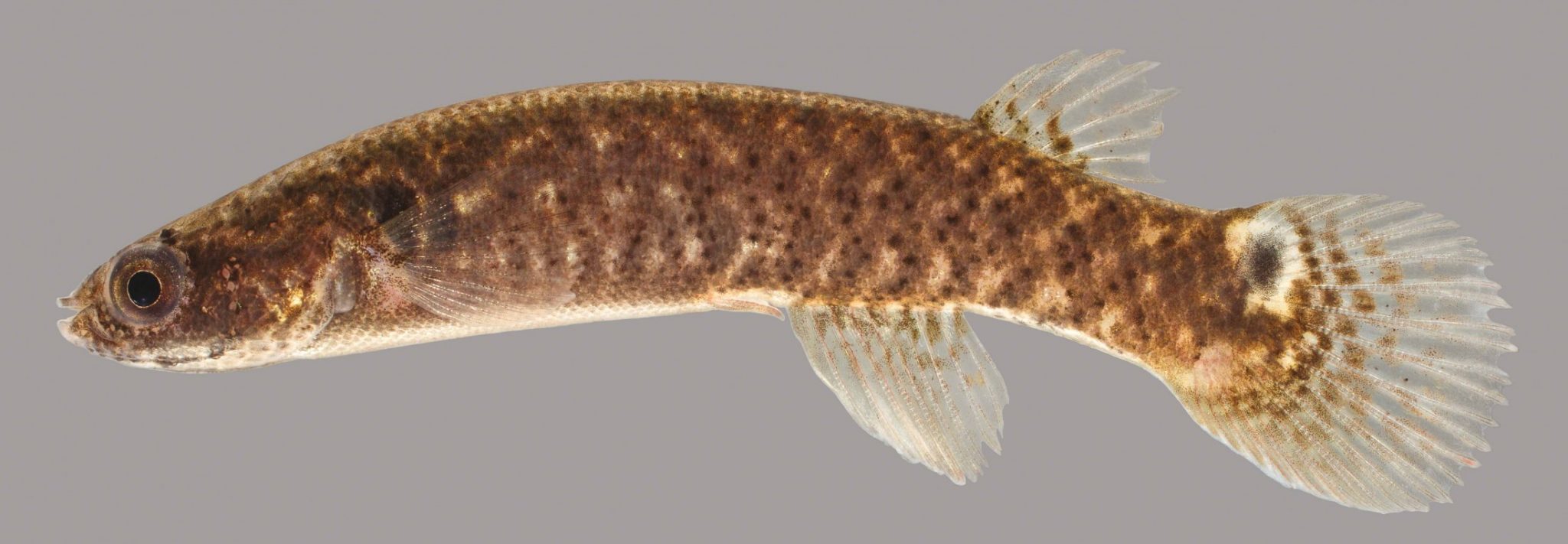
The burrows of land crabs are not simple holes; they can be miniature ecosystems, cool and damp, holding water, mud, microbes and sometimes other life. One strange resident is the mangrove rivulus, a tiny killifish capable of surviving in crab burrows and even enduring periods out of water.
Cayman’s crabs also host one of the islands’ most unusual endemic species: the Cayman crab fly, Drosophila endobranchia. The tiny fly lives almost entirely on land crabs, especially black land crabs, laying eggs near the crab’s eyes before later stages move into the gill chambers.
That makes the land crab more than a food source – it is a walking habitat.
Yet pressure on the crab population is mounting.
After mating, females carrying eggs must migrate to the sea to release their larvae. The young later return inland in waves of tiny crabs. But roads, development and the loss of mangroves increasingly interrupt that lifecycle.
The Department of Environment has repeatedly warned that habitat loss poses the greatest long-term threat to Cayman’s land crabs.
The central mangrove wetland remains one of the most important refuges, supporting not only crabs but birds, fish, insects and shoreline protection. Fragmenting those wetlands with roads and development risks cutting the crab’s ancient migration in two.
Scientists and traditional crabbers alike now urge people not to harvest females carrying egg masses, known locally as “berried” crabs, because those eggs represent the next generation.
Heavy rainfall and lunar cycles will still call the crabs from their burrows each year. They will continue their slow night marches toward the sea as they have for centuries.
But whether future generations will still experience the thrill of crab hunting, the taste of fried land crab over rice, or the sight of roads alive with migrating crabs may depend on how much space Cayman leaves for its night walkers to survive.
Related Videos







Caymanians don’t take the females with eggs. That is the first thing that they look for. They see them and they put them back. I know that as a young child and have only went crabbing once.