The annual Caribbean conference on sustainable tourism development is held to provide members with informative updates on the development of sustainable tourism in the region, furthering the Caribbean Tourism Organisation’s Strategy for Sustainable Tourism.
This strategy looks at how member states can design and implement sustainable tourism policies and programmes. The annual conference offers a regional forum for information exchange on the successes and pitfalls of national, regional and international initiatives.
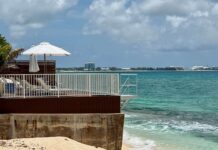
The ninth annual conference held last month at Cayman’s Westin Casuarina Resort was organised by CTO in collaboration with the Cayman Islands Department of Tourism, and in consultation with the Caribbean Hotel Association. The event is co-financed by the European Union within the framework of the Caribbean Regional Sustainable Tourism Development programme.
In keeping with its theme, attendees were not only given the opportunity to attend a wealth of informative seminars, but were also able to attend yoga sessions, a fun run and other morning exercises.
The first day’s seminars consisted of subjects under the umbrella of health and wellness tourism and focused specifically on topics such as Health Tourism: Alternative Strategies for the Caribbean; Success, challenges and opportunities within the Caribbean wellness sector and Health tourism in Cuba. Workshops on that day focused on Developing a Spa and Wellness Business as well as The Basics of Ayurveda Tourism Development. Study tours for the afternoon took delegates to either Stingray City/Sand Bar or a Caymanian agri-tourism project.
The following day began with a special presentation looking at Puerto Rico since last year’s conference. This was followed by the current hot topic of the moment, Securing Environmental and Human Capital. Workshops entitled Integrated Coastal Zone Management and Greening your Business then followed. Delegates were again able to view first hand the attractions and programmes in place in the Cayman Islands with the opportunity to visit either Pedro St. James Castle or the Blue Iguana Recovery Programme & QE II Botanic Gardens. Ristorante Papagallos then provided dinner for delegates that evening.
The final day’s session was moderated by the Cayman Islands government’s Minister for Tourism Charles Clifford and consisted of presentations by three local stakeholders. The National Trust’s General Manager Frank Roulstone spoke on the role of the National Trust in tourism development, while Chairman of the Go East Committee Mervyn Conolly presided over the experience of the East End Go East initiative. Little Cayman hotelier Peter Hillenbrand presented on the Economics of Greening Your Business.
Hillenbrand said that as a government, a business or an individual we should want to do our part to lessen our impact on our increasingly crowded Planet Earth. However, if it is not worth it in terms of dollars, if there is not a return on investment, very few of us will make the real changes needed toward this end.
‘Investing in renewable energies (solar and wind), managing our water resources, recycling and buying transportation that burns less carbon based fuels require not just an investment in money, but an investment in cultural change,’ he said.
‘Strong leaders can help adjust attitudes and convince the reluctant, but unless there is an economic reason, and there is demonstrable cost benefit, investing in sustainable products will not happen. The best way to have people living a more sustainable life is to either scare the heck out of them, or demonstrate to governments, to businesses and to families, that with the continual improvements in technology, and the decreasing costs of buying this technology, you, your business, and your government will save money.’
Related Videos