

The Children’s Health Task Force is challenging the schools of the Cayman Islands to come up with policies to help their pupils get healthier.
The task force on Wednesday, 12 September, launched a health and wellness policy challenge in which all public and private schools, including pre-schools, primary schools and high schools, will be invited to draw up their own policies, with a prize for the high school and primary school that introduces the most comprehensive one.
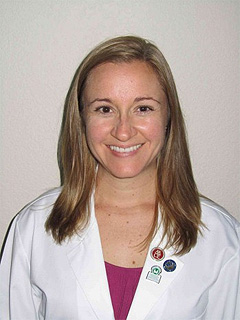
Dr. Diane Hislop-Chestnut of the task force said the group would assist the schools with the policy.
“If they want our help and guidance, we have school health policies and examples we can give them,” Dr. Hislop-Chestnut said.
The task force will provide the schools with toolkits which can be used to write and implement the policies, so each school can be supported to create its own policies based on the individual needs and goals of that school and its students.
A second project is also under way – to train teachers to educate children on nutrition, exercise, the importance of sufficient sleep and other health issues.
Dr. Hislop-Chestnut said all the schools had been contacted via letter to take part in the challenge, and the response so far has been positive.
The task force is asking each school to submit a written health and wellness policy by December and to implement that policy by June 2013. There will be prizes for the best written versions and the best implemented ones.
The policies can be as simple or as elaborate as the schools choose. They can involve policies as simple as encouraging kids to drink water instead of juice, getting more exercise, sleeping more or eating fruit and vegetables instead of junk food.
Some private schools already have policies, like Cayman Prep and First Baptist, said Dr. Hislop-Chestnut. Schools can submit their existing policies or come up with new ones, as part of the challenge.
First Baptist’s existing policy, drawn up in January 2011, has some wide-ranging recommendations, including tips of healthy eating, physical education, curtailing use of heavy schoolbags, sun protection, drinking water rather than sugary beverages, and communicating with parents on healthy diet and exercise options for children.
“The school health policy initiative was driven by a couple of things, one being Caribbean Wellness Day. It is observed annually on the second Saturday in September and showcases national and community level activities to promote healthy living and encourage residents to develop good health practices,” Dr. Hislop-Chestnut said.
“The theme for 2012 will focus on children with the ‘Love that Body’ theme and CARICOM is rolling out a three-year focus on ‘Healthy Schools: Healthy Children’. This initiative highlights the need to promote more physical activities and healthier food choices in schools. We have made huge strides with healthier food choices but there are still areas which need improvement,” she added.
High obesity rates
She said the obesity rates of children, especially very young children, in Cayman were of major concern.
Last year, of the 533 children who entered primary school for the first time, nearly 30 per cent were overweight or obese. The school entry screenings showed that 13.7 per cent of the children aged between 3 and 6 – although the majority were 4 years old – were obese and 88 pupils, or 15.9 per cent, were overweight. The statistics on this year’s new school enrolments are being collated.
Also, last year, among children ages 10 to 13, 35.4 per cent were classified as overweight or obese.
“This is something we have to work together as a community to change,” said Dr. Hislop-Chestnut, who added that teaching children about the importance of a healthy lifestyle at a young age would be a worthwhile step in that direction.
“They absorb so much knowledge at that age,” she said.
The Children’s Health Task Force has introduced the Health4Youth campaign to public schools where pupils, teachers, parents and canteen staff got involved in a hands-on nutrition programme.
Getting students to opt for salads instead of burgers and pizzas may have been a bit of an uphill struggle, but Dr. Hislop-Chestnut said there has been some success.
“The children were a bit resistent to eating salads, but now 35 to 40 salads a day are being ordered, so the kids are starting to eat salads now that they’re available to them,” Dr. Hislop-Chestnut said.
The Health4Youth campaign also focuses on the need for exercise and, importantly, getting enough sleep.
“Four and 5 year olds need to get 10 to 12 hours sleep a night. If kids don’t get enough sleep, their weight increases,” said Dr. Hislop-Chestnut. “The less sleep we get, the more overweight we are as a society.”

Related Videos











Excellent article – a real eye-opener. Keep up the good work Dr. Diane.