Top civil servants on paid leave since 2009

A situation that ended in two top-ranking Cayman Islands civil service officers being benched for more than four years will not be allowed to occur in the future, Deputy Governor Franz Manderson said Friday.
Mr. Manderson’s comments came during a presentation at a University College of the Cayman Islands anti-corruption conference Friday. The deputy governor was asked by a civil servant about senior civil service positions being “reshuffled” when a general election ushers in a new government.
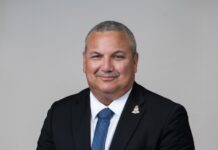
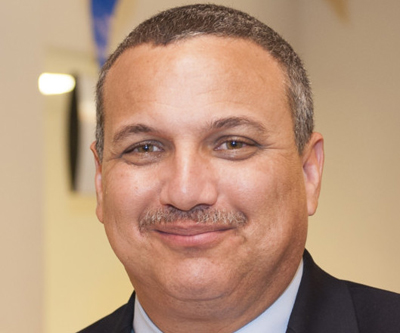
In January 2010, the Caymanian Compass reported that three high-ranking members of the civil service who held chief officer positions under the former People’s Progressives Movement government were placed on required leave following the election of the then-United Democratic Party government. Former Education Ministry chief officer Angela Martins, former Health Ministry chief officer Diane Montoya and former deputy financial secretary Deborah Drummond continued to receive pay at Grade C level – between $127,000 and $148,000 per year. Ms. Martins has since retired, but the other two civil servants have continued to receive payment while on required leave from their government employment.
For the two former chief officers who have remained on required leave since 2009, their payments would be around $1.25 million in salary and pensions using the lower end of the salary scale.
The positions were filled by other staffers: Chief Officer Jennifer Ahearn in the Health Ministry, Chief Officer Mary Rodrigues in the Education Ministry, and Sonia McLaughlin as deputy financial secretary. Ms. McLaughlin’s retirement was recently announced.
The required leave period was given for unspecified reasons. According to then-Deputy Governor Donovan Ebanks, the three chief officers had done nothing wrong and were merely awaiting a decision of the deputy governor to place them in new roles in the civil service.
On Friday, Mr. Manderson pointed out that there is a key difference between a ministerial reshuffle, which happens after nearly every general election, and “sending people home.”
“I think [elected ministers] have the right, and we as a civil service should do everything we can, to give ministers the opportunity to succeed. If that means doing a reshuffle, then fine,” Mr. Manderson said. “It doesn’t mean … sending people home. That’s not going to happen under my watch. We should be able to work where everyone is accommodated.”
Another civil servant sitting in the audience Friday at UCCI pointed out that the three senior civil servants were essentially dismissed in 2009 for no reason at all.
“It won’t happen again,” Mr. Manderson said.
According to the Public Service Management Law – the legislation that details how civil servants are hired and fired – the appointments of chief officers of ministries and portfolios can be terminated only on the basis of gross or serious misconduct, or significant inadequate performance over a reasonable period of time.
Chief officers can also be required to take early retirement on medical grounds, and can be forced to retire in certain circumstances by the head of the civil service “in order to improve the efficiency of the civil service entity.”
As with all Cayman Islands civil servants, any terminated workers have the right to sufficient notice and the ability to appeal those decisions.
If political victimization occurs, Mr. Manderson said, he would have no problem “going public” with regard to political interference in the hiring or firing of civil servants.
“I don’t think any politician wants the public to be aware that the governor or deputy governor have accused them of political victimization,” Mr. Manderson said.

Related Videos