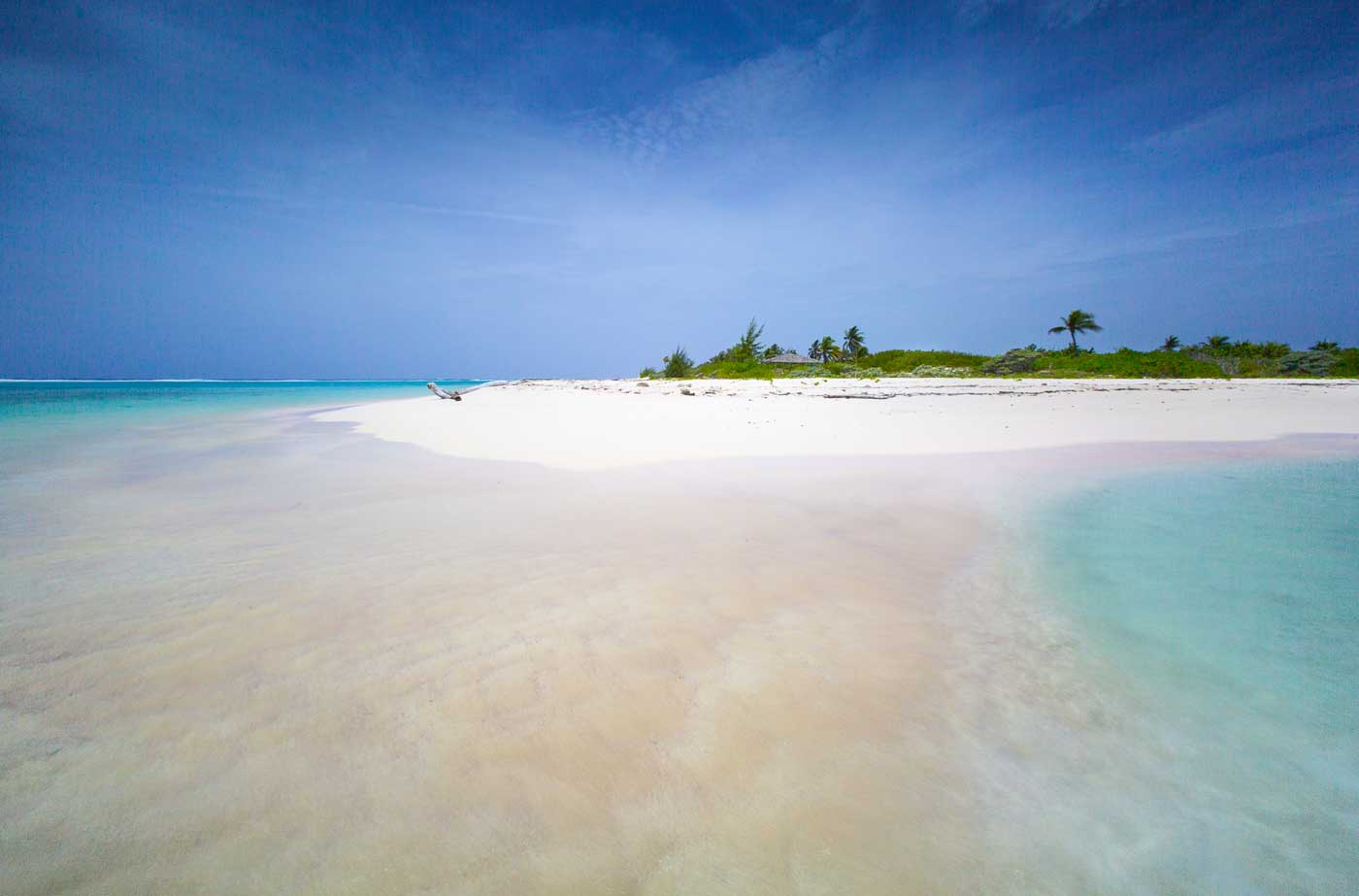
Within minutes of Premier Alden McLaughlin announcing on Tuesday that Little Cayman’s hard and soft curfews were being lifted, boats were already heading out to sea.
The island, with its population of about 200 people, had no reported cases of COVID-19 since the health crisis began, and after the results of tests from 94% of the residents came back negative early this week, officials decided it was time to lift the restrictions.
A couple of days later, some restrictions were also eased on Cayman Brac. Currently, the Brac is considered to be on Level 3 (moderate suppression) when it comes to the threat of the virus. Little Cayman is on Level 2 (minimal suppression). And Grand Cayman is at Level 4 (high suppression). The highest level, 5, which all three islands were on last week, is maximum suppression.
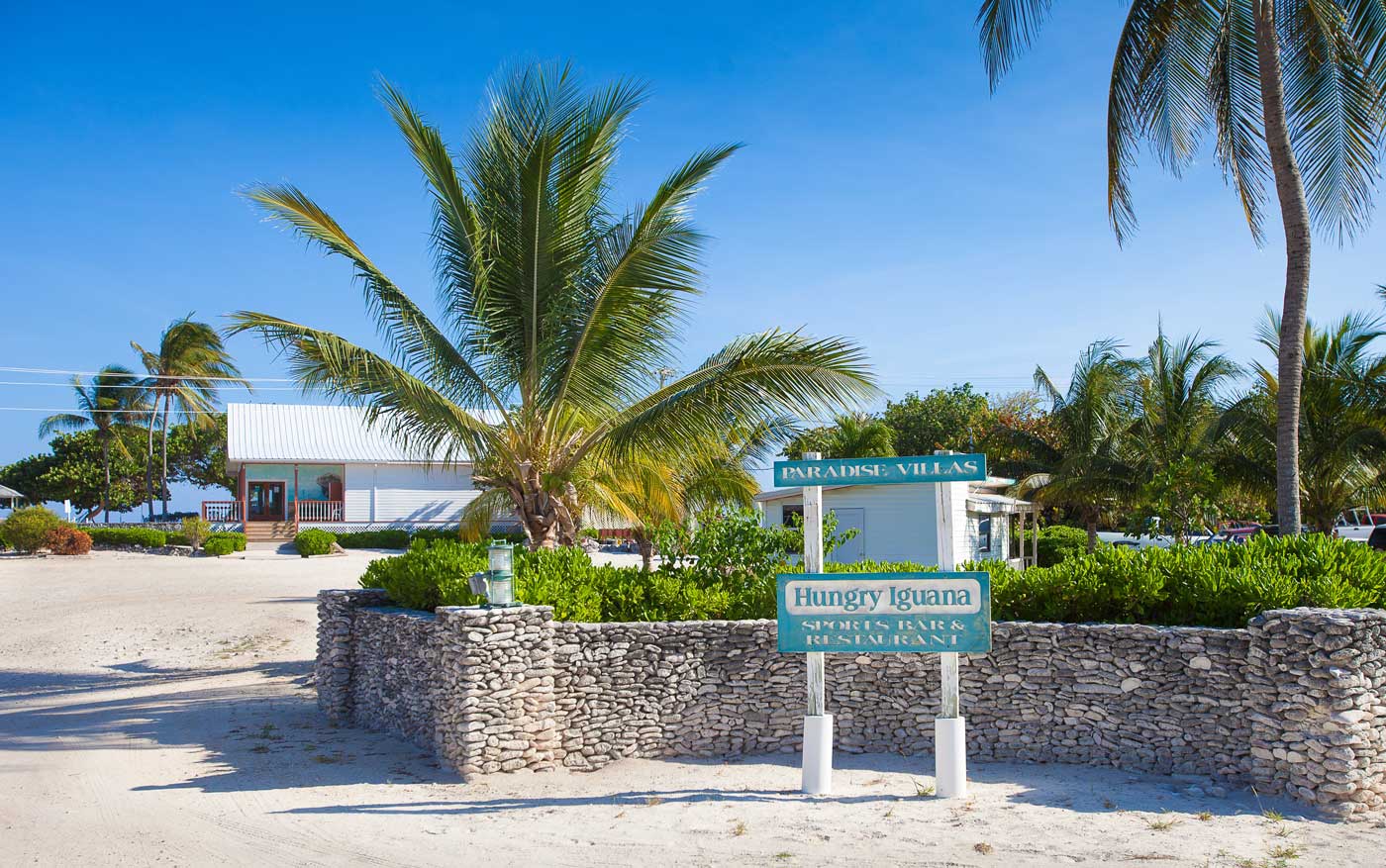
Marc Pothier, general manager at Paradise Villas on Little Cayman, said the island’s inhabitants were hugely relieved and happy when they heard during the government’s 2pm briefing on Wednesday that the restrictions had been lifted.
“I saw at least three boats out there already by 3:20pm. And there was a big party with the dive instructors at some place last night,” he said on Wednesday. “Everyone is very happy.”
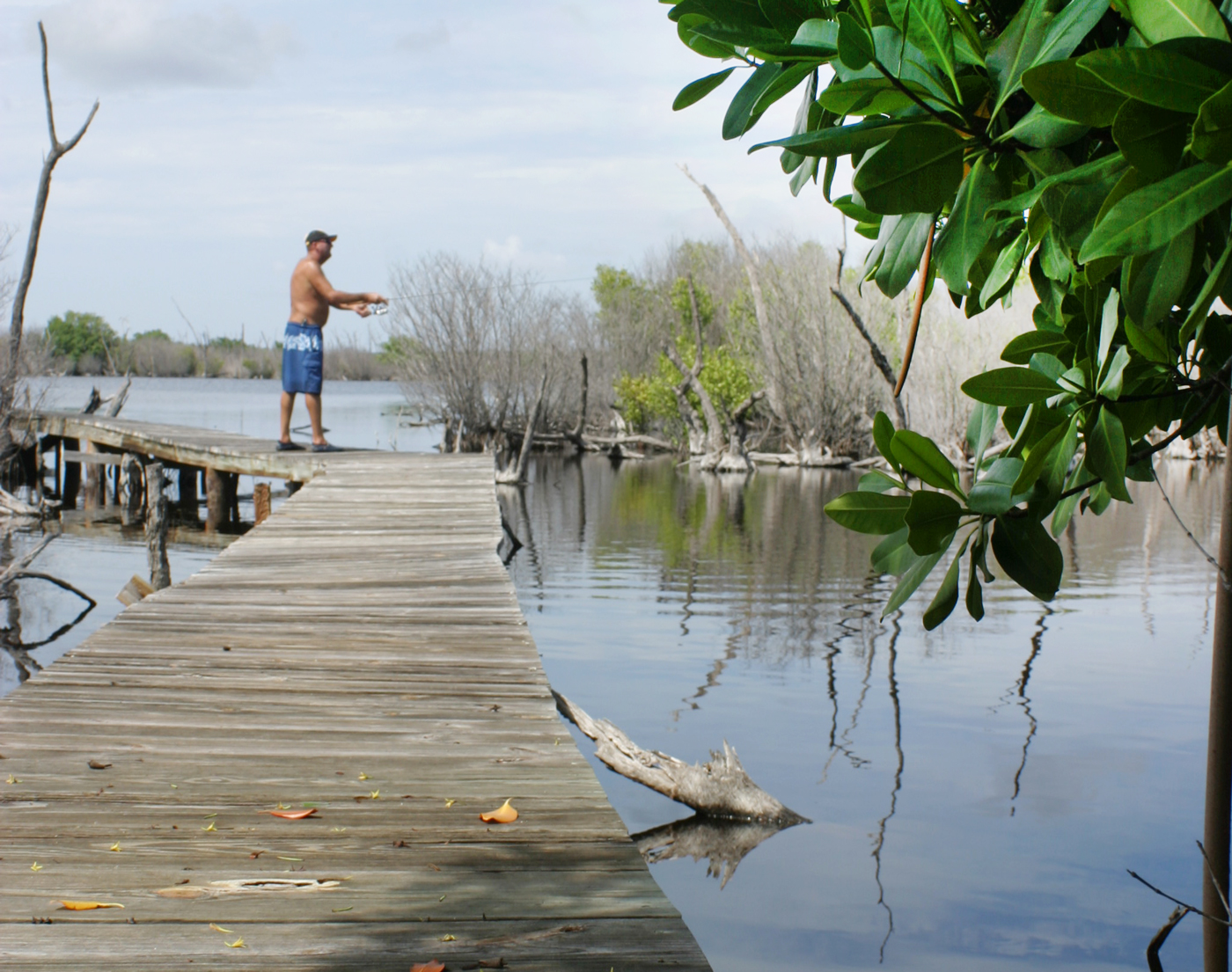
But Pothier pointed out that, despite residents now being able to move about freely at all hours of the day or night, and being able to socialise, dive or fish, for an island that is almost entirely dependent on the tourist dollar, “nothing has changed for us financially”.
“Obviously, of course, we support the government. We’re very lucky to be living on an island where it is possible to eradicate this virus, as opposed to living in the US, or Canada, or the UK,” he said. “The enthusiasm is measured though.
“It’s difficult to run a business in Little Cayman at the best of times. We are 100% tourism-revenue operated. Nothing is going to change until Grand Cayman flights are ready to come here.”
He said, based on statements made by officials about the implementation of the different suppression levels, in increments of two weeks, he has been trying to estimate at what point flights from Grand Cayman to Little Cayman may be able to operate regularly.
Currently, only essential workers travelling to the Sister Islands to carry out their duties are allowed to travel to either the Brac or Little Cayman. Anyone else must quarantine for two weeks and then test negative for COVID-19 before being allowed to go there.
Pothier said he reckons that by June, Grand Cayman flights might be an option, but if there are any setbacks, it could be July or August.
However, he said, whenever people “from Grand” are ready and able to come over, Paradise Villas and its restaurant and bar, the Hungry Iguana, will be ready for them.
“I mean, with the borders closed, here and the Brac are the only places to go. Come on over and see us,” he said.
Since the shelter-in-place restrictions were introduced in March, the Hungry Iguana has been open for a couple of hours a day for take-out. Pothier said it’s likely it will reopen at the weekend for bar and restaurant service, but will stick to take-out during the week.
“I hope people will see the reopening of Little Cayman as a light at the end of the tunnel,” he said. “This will come to an end.”
Sharon van Niekerk, dive manager at Reef Divers, based at the Little Cayman Beach Resort, said the island’s residents were “beyond grateful that we were all offered the opportunity to be COVID-19 tested, so the atmosphere is obviously one of relief”.
But she added, “At the same time, Little Cayman’s economy is predominantly tourism, there is still concern and we are all facing the inevitable decision of repatriation. Freedom at this stage comes at a price – employees have been furloughed since mid-March without pay – concerns are mounting.”
She said the resort and Reef Divers, as well the other Little Cayman operators, were helping staff with food, health insurance and accommodation.
“All Little Cayman operators have taken care of their best assets during this pandemic – their employees – and continue to do so, ensuring everyone’s safety and health is a top priority.”
Van Niekerk said each operator has a “considerable amount of assets that require constant maintenance and care; the focus presently is involving all remaining staff with small projects around the resort properties, while they await their next opportunity to repatriate to their various home countries”.
While much of the attraction of visiting Little Cayman, apart from the diving, has been the lack of traffic, the laid-back pace of life, and the peace and quiet the sparsely populated island offers, for van Niekerk and others on the island, it’s become far too quiet of late.
During the last several weeks of sheltering in place, she said, the island felt like “an abandoned sports stadium”.
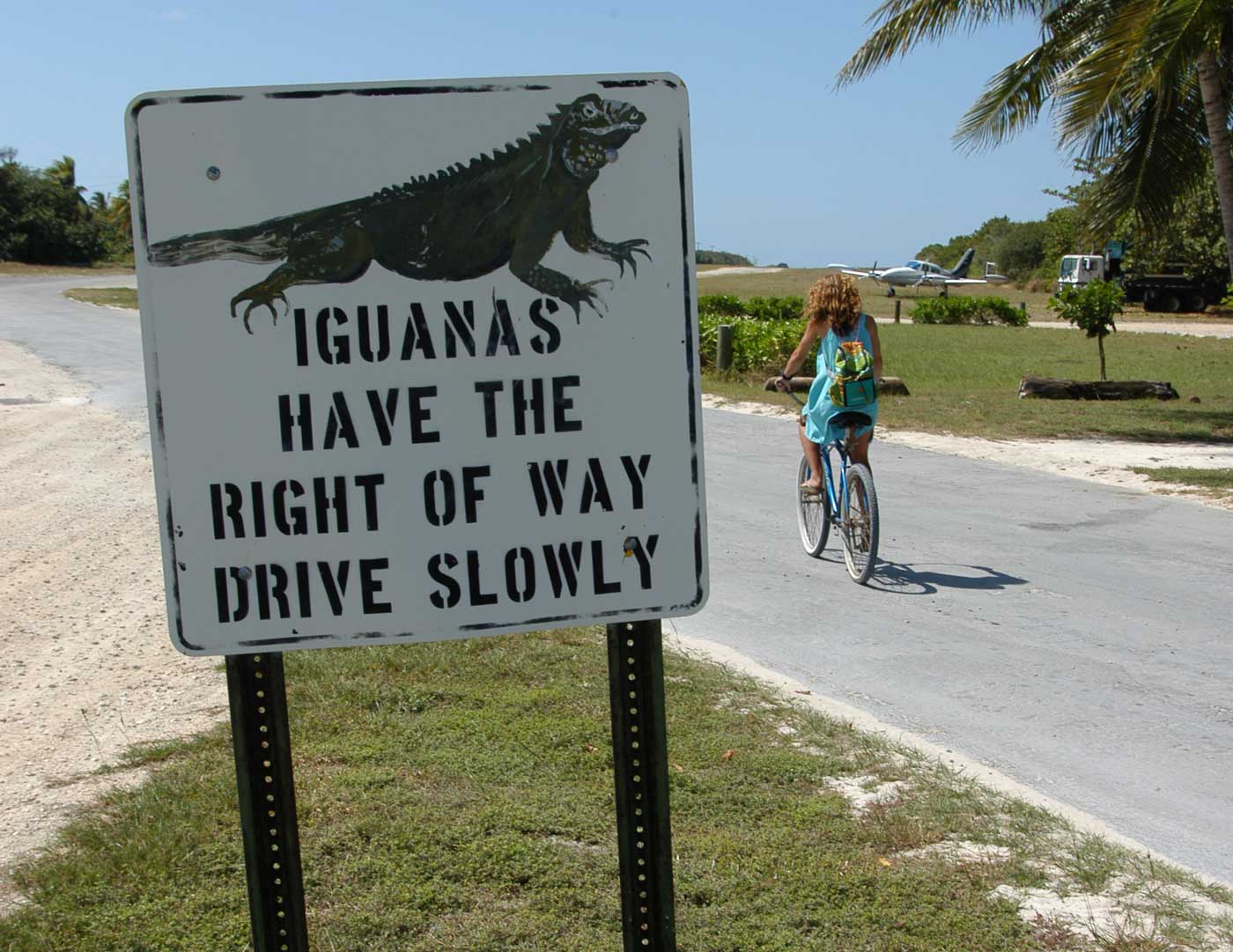
“It’s normally bustling with tourists, the sound of dive boats, tourists riding bicycles and lounging at the pool. Always hearing the little twin prop Otter [plane] buzzing above our heads. Ironically, it seems even quieter and even more remote than usual,” she said.
“Little Cayman operators and resorts are eerily silent – the only creatures enjoying the solidarity are our beloved rock iguanas, unfazed by the lack of people [and] traffic, lounging and sunning themselves around our walkways,” she added.
While most of the restrictions, including the hard curfews each night and all-day Sundays, have been lifted, a few rules to combat the spread of COVID-19 remain, including social distancing, with the added requirement of wearing a mask while in indoor public places.
In Grand Cayman, residents have been raising concerns about how they are going to comply with the likely introduction later this month of mandatory mask-wearing if they can’t find masks on that island; over on Little Cayman, that’s already been taken care of. All those who were screened for COVID-19 were given masks on the day they were tested, and Nurse Charmaine Coore has indicated to residents that she has more if they need them.
Meanwhile, with no tourists from overseas or even from Grand Cayman yet being allowed to touch down on Little Cayman, the islanders are trying to do what they can to at least reopen some businesses to its own inhabitants.
Van Niekerk said the Little Cayman Beach Resort and other operators on the island are currently working on a plan to reopen for local residents, “possibly even offering our famous karaoke nights”.
She added, “The resorts are all working on food menus and opening schedules.”
Divemaster Cameron Gibbs, of Little Cayman Divers, said life during the lockdown probably didn’t mean as much of a change for residents of Little as it did for those on Grand.
“I would say our life here is pretty simple anyway. We trust each other in this community to follow the rules easily enough and to generally accept the scenario we were in. We were pretty sure there were no cases here, but we all followed along with what was mandated,” he said.
With the island being as small as it is, everyone knows everyone else, and all were fairly certain that the results would come back negative as no one on the island had appeared to have any symptoms over the past six weeks.
“When the results came in, it reaffirmed what we’d all thought,” Gibbs said.
As of Thursday, the results of 97% of the tests taken had been returned, and all were negative, Cayman’s Chief Medical Officer Dr. John Lee announced.
Related Videos