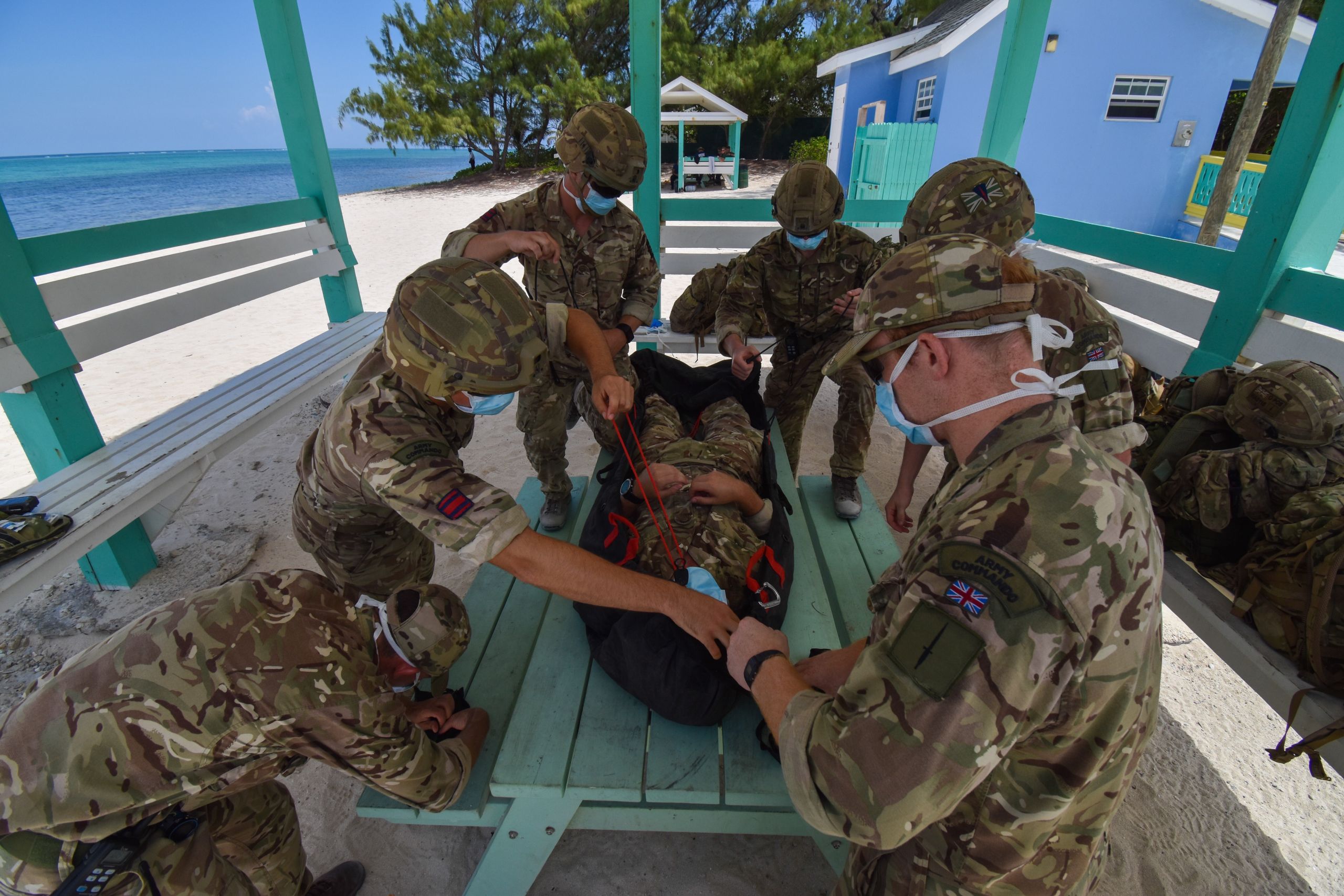
Clad in camouflage and carrying a wounded hurricane ‘victim’, Royal Navy officers from the RFA Argus sprang into action Thursday.
The officers initiated a medical-evacuation scenario as they executed a mock response exercise at the scenic Colliers Beach in East End.
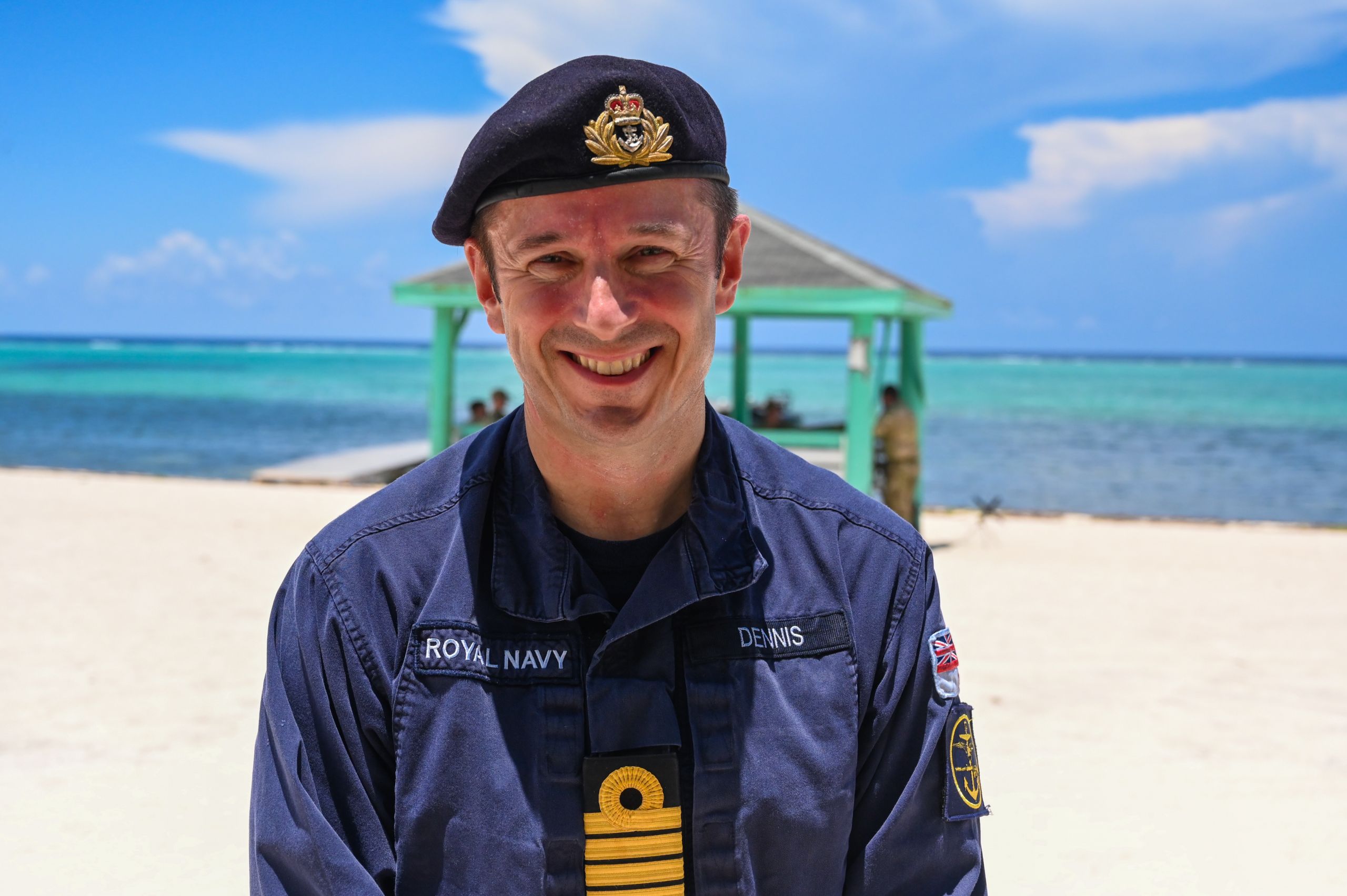
While it was a mere practice run, Captain Phillip Edward Dennis, Commander of the UK task group in the Caribbean for hurricane season, said the officers were following full COVID-19 protocols to ensure safety.
These measures include using personal protective equipment “as they interact with the role players pretending to be members of the population”, Dennis said in an interview with the Cayman Compass before the exercise.
He said the crew’s operations in and around the islands and any humanitarian aid and disaster relief, if they prove necessary, would take COVID-19 into consideration.
“We’re not sort of ignoring COVID-19 as inconvenience. It’s a challenge that we’ve got to face up to make sure that the population having survived the hurricane doesn’t then suffer a second wave of COVID-19,” he said.



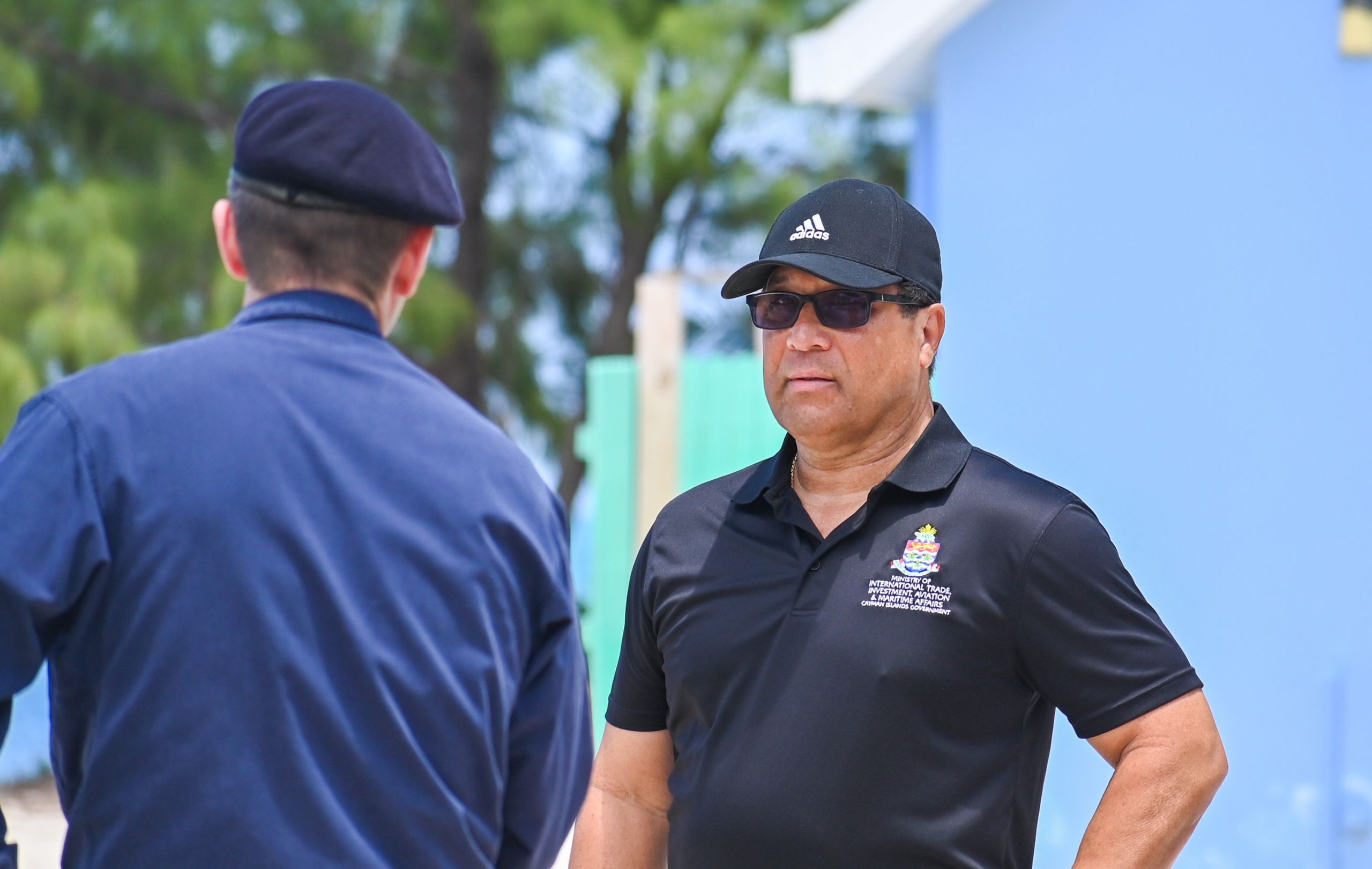
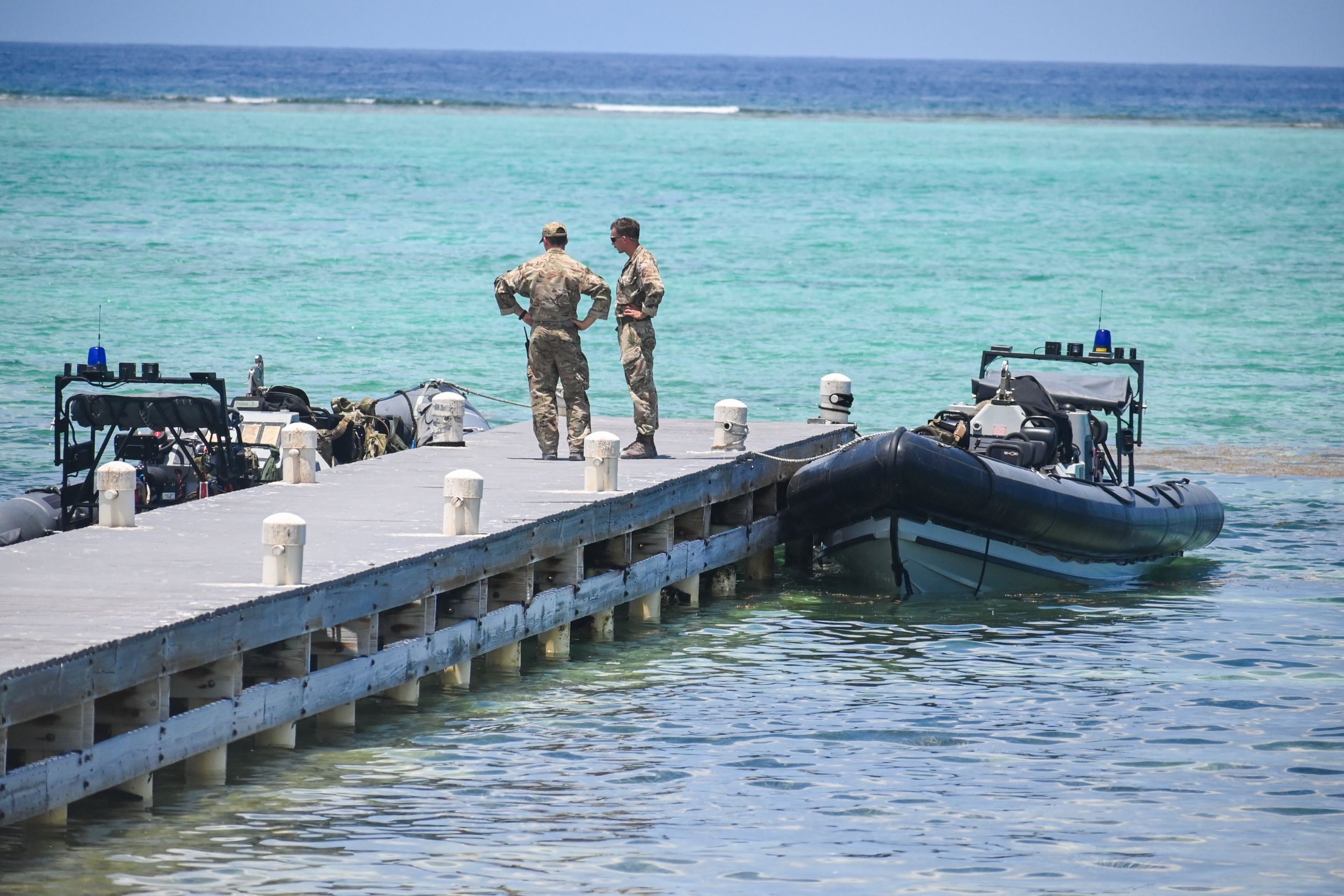
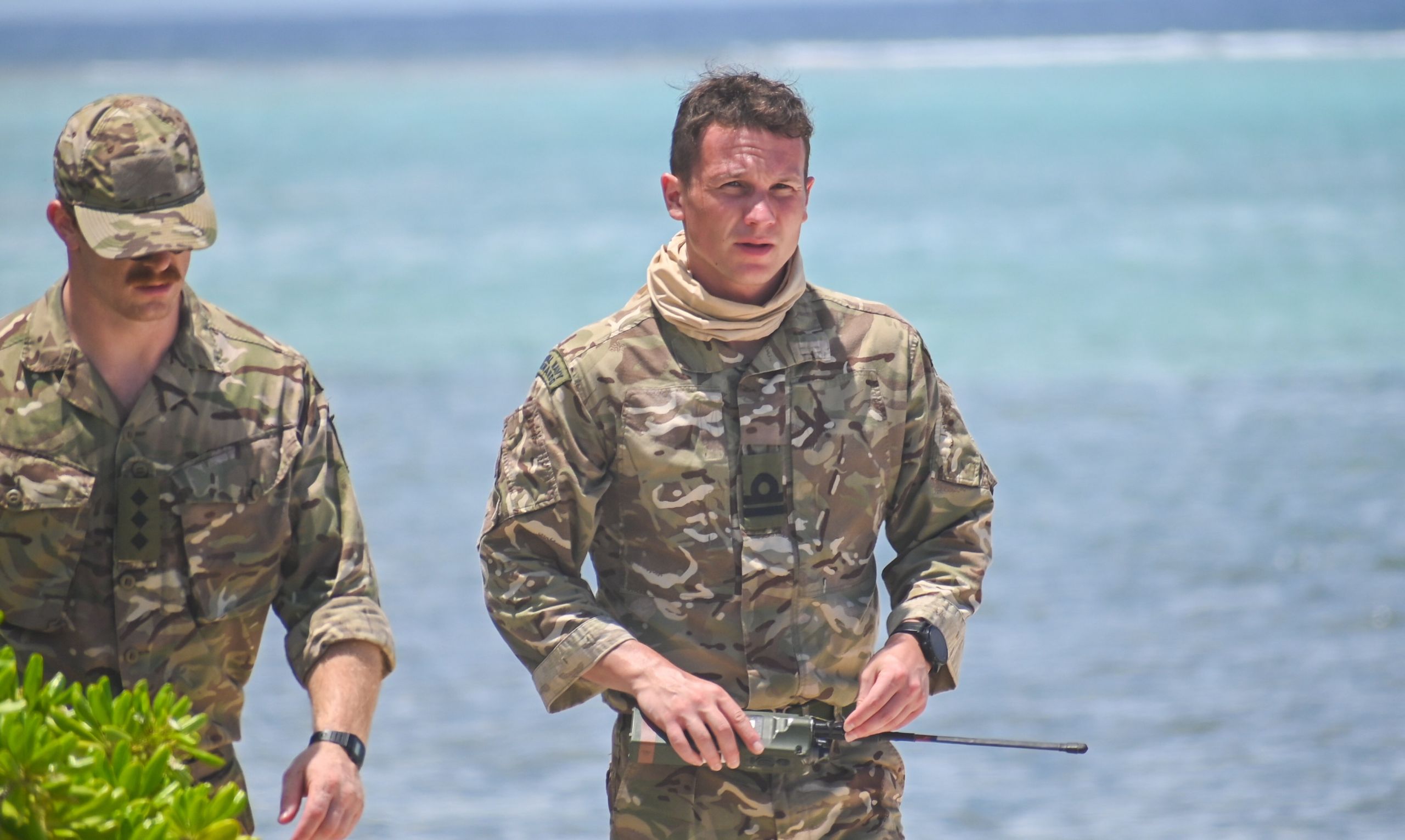
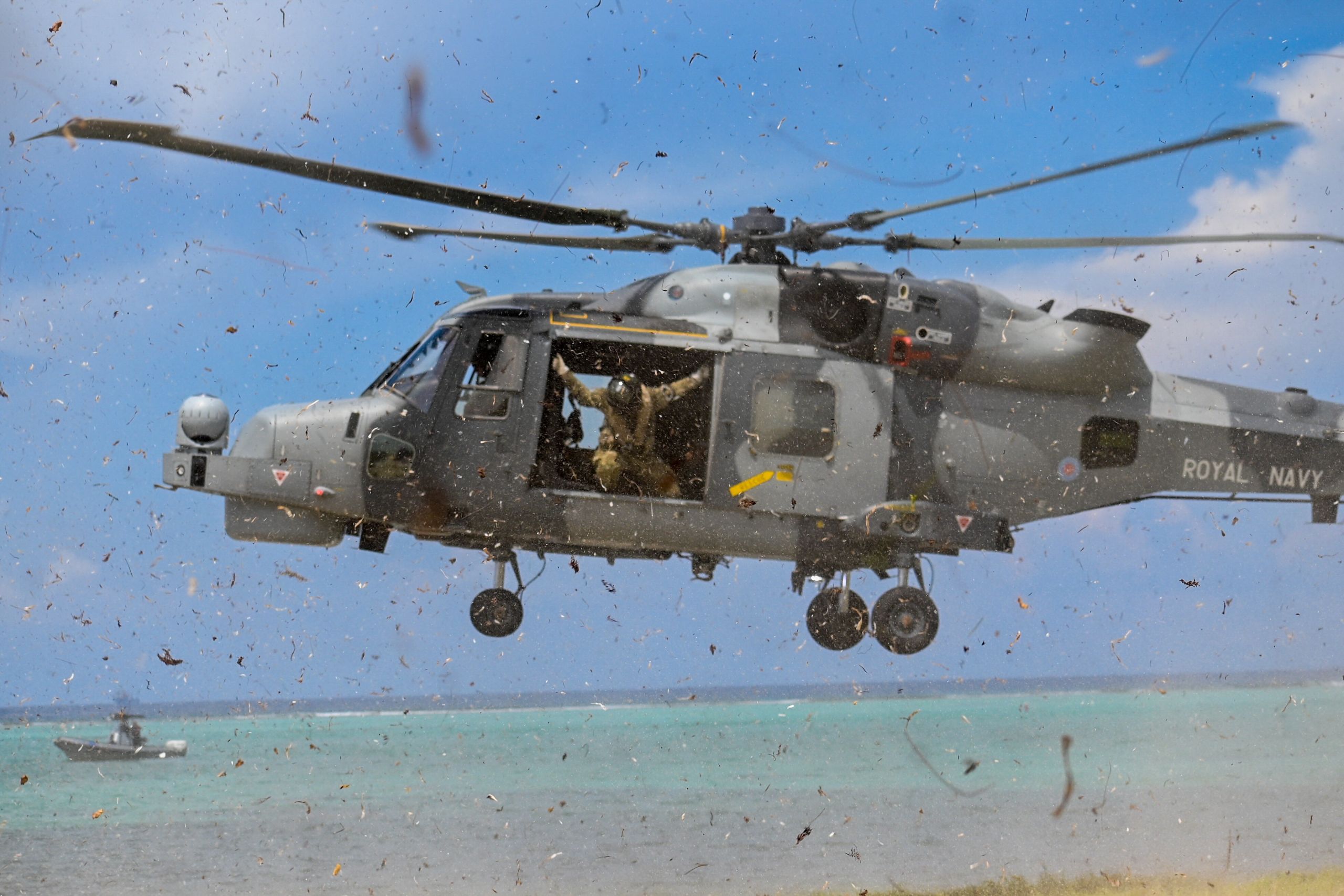
This year’s exercise took on a different look due to the pandemic. There was no landing of equipment as had been done with the RFA Mounts Bay on previous occasions and there was no interaction with the crew and those witnessing the exercise.
Dennis explained that during transit from the UK to the Caribbean the crews of both the RFA Argus and HMS Medway effectively conducted a 14-day isolation period and they have minimised the people joining and leaving the ship.
“We’re complying with the Public Health England guidance on movement and interactions with people,” he said.
HMS Medway did not did not participate in Thursday’s exercise as it had to be redeployed prior to the practice run.
Dennis said that while he was confident the crews of both ships were COVID-free, “we’ll keep implementing the (safety) measures as we move around the islands and interact with the population in terms of delivering humanitarian assistance and disaster relief”.
UK ships a welcome presence
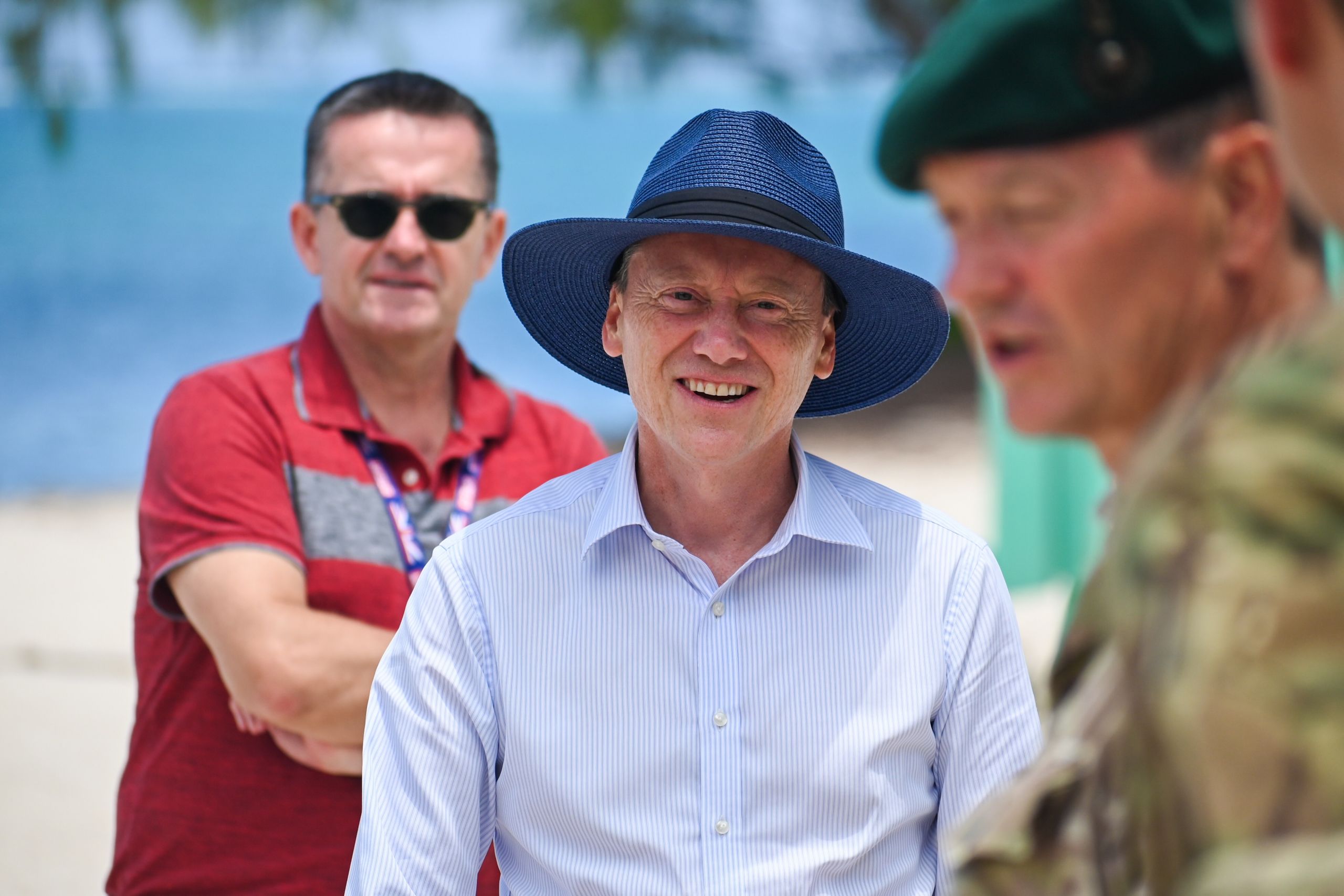
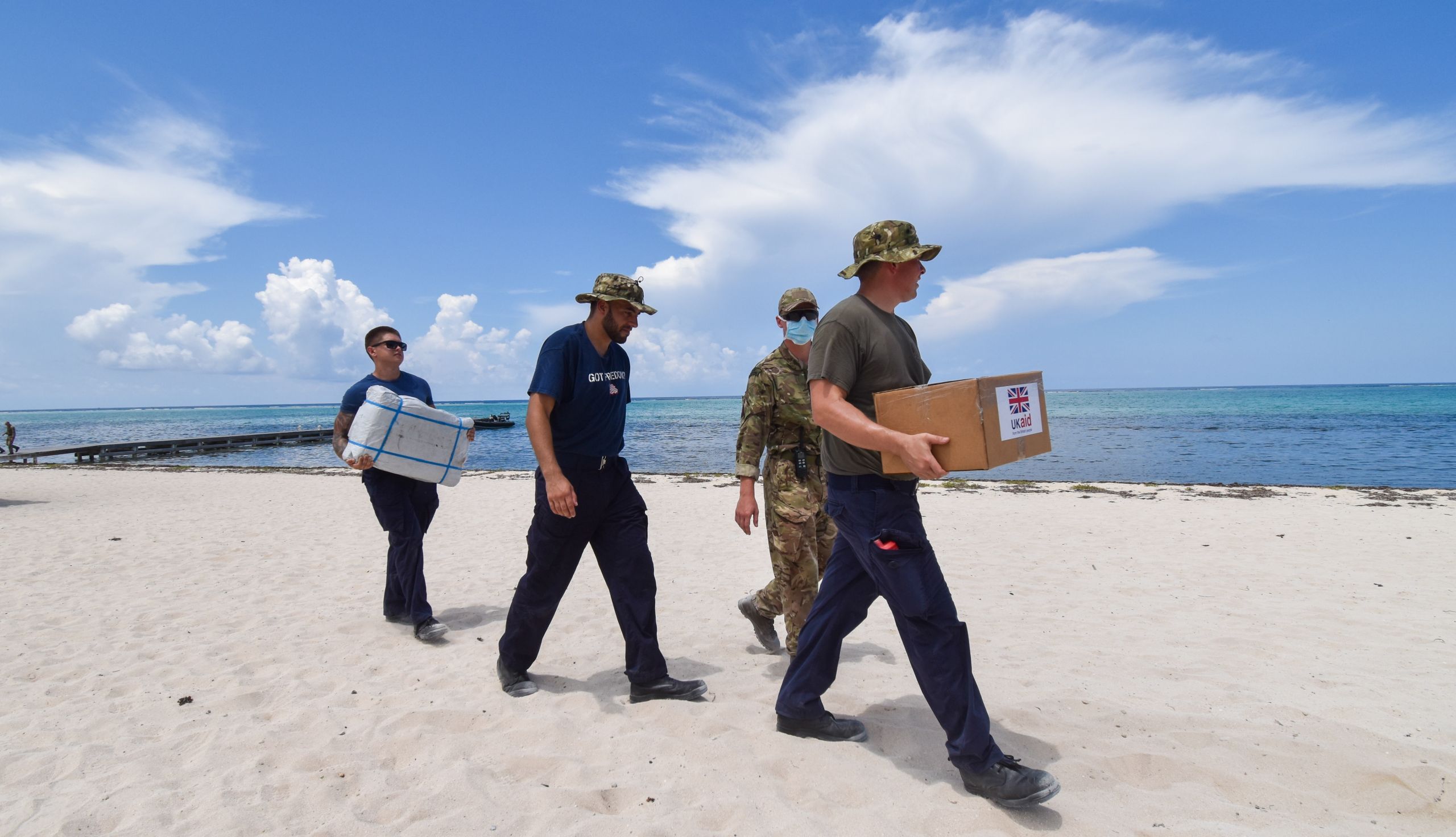
Governor Martyn Roper and Premier Alden McLaughlin were on hand to witness the hurricane exercise on Thursday, which included establishing a communications headquarters, delivering aid and treating ‘injured hurricane victims.’
On Wednesday evening, some of the crew members were deployed at the Queen Elizabeth II Botanic Park where they assisted with clearing shrubs and also preparing a landing site for the Wildcat and Merlin helicopters.
“I think it is really reassuring to know that the UK is out there,” Governor Roper said, pointing out that in 2017 with hurricanes Irma and Maria, and last year with Hurricane Dorian battering the Bahamas, the UK was able to bring a lot of immediate support to Overseas Territories and independent countries in the Caribbean.
He said that will be the same this year with the two ships, RFA Argus and HMS Medway, on standby to provide relief if necessary.
“[It] really supports us on our resilience, on our disaster preparedness and helping us deal with the aftermath of a hurricane were that to happen,” he said.
McLaughlin said while the exercise was good for the Navy he said it evokes a different feeling for Cayman as the Overseas Territories have come a long way in this relationship with the UK in terms of disaster support.
“Things didn’t go – I’m not going to dwell on it – but things didn’t go quite so well in the aftermath of Hurricane Ivan. So this is hugely reassuring, I think, to all of us, that the UK, despite all of the other challenges they’re facing, like the rest of the world with the pandemic, are still focussing on ensuring that there is support and there is preparation in the event that any of the territories, indeed, any of the countries in the region suffer again, a direct hit or a significant hit by one of the hurricanes,” McLaughlin said.
COVID-19 has prepared Cayman
The premier said he believes Cayman is actually more ready than it has ever been for the hurricane season “because we’ve essentially been in crisis mode now for three months”.
“All of the systems are geared up and all the protocols have been exercised and people are used to doing the things you need to do; in that respect, I think we are better prepared than we have ever been,” he said.
However, he hastened to add that the great challenge facing the country is how do you manage sheltering people from the hurricane who don’t have their own homes or whose homes will be in danger in a COVID-19 pandemic situation.
“We don’t have enough shelter space, period, and when placed in this particular situation, it’s even more difficult.
“So, one of the things we were working on is identifying other buildings, which have not been previously used as shelters, testing their capacity and strength and security to be able to shelter people in the event that it should come to that,” McLaughlin said.
The exercise, which is usually conducted at Seven Mile Beach, was moved to East End due to the turtle-nesting and -mating season currently under way.
Deputy Director of the Department of Environment Tim Austin confirmed that the change in location had the DoE’s blessing as the loud sounds from the helicopter would have disturbed turtles and the exercise would have affected any nests on Seven Mile Beach.
Related Videos