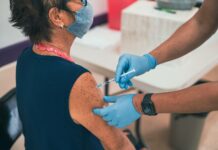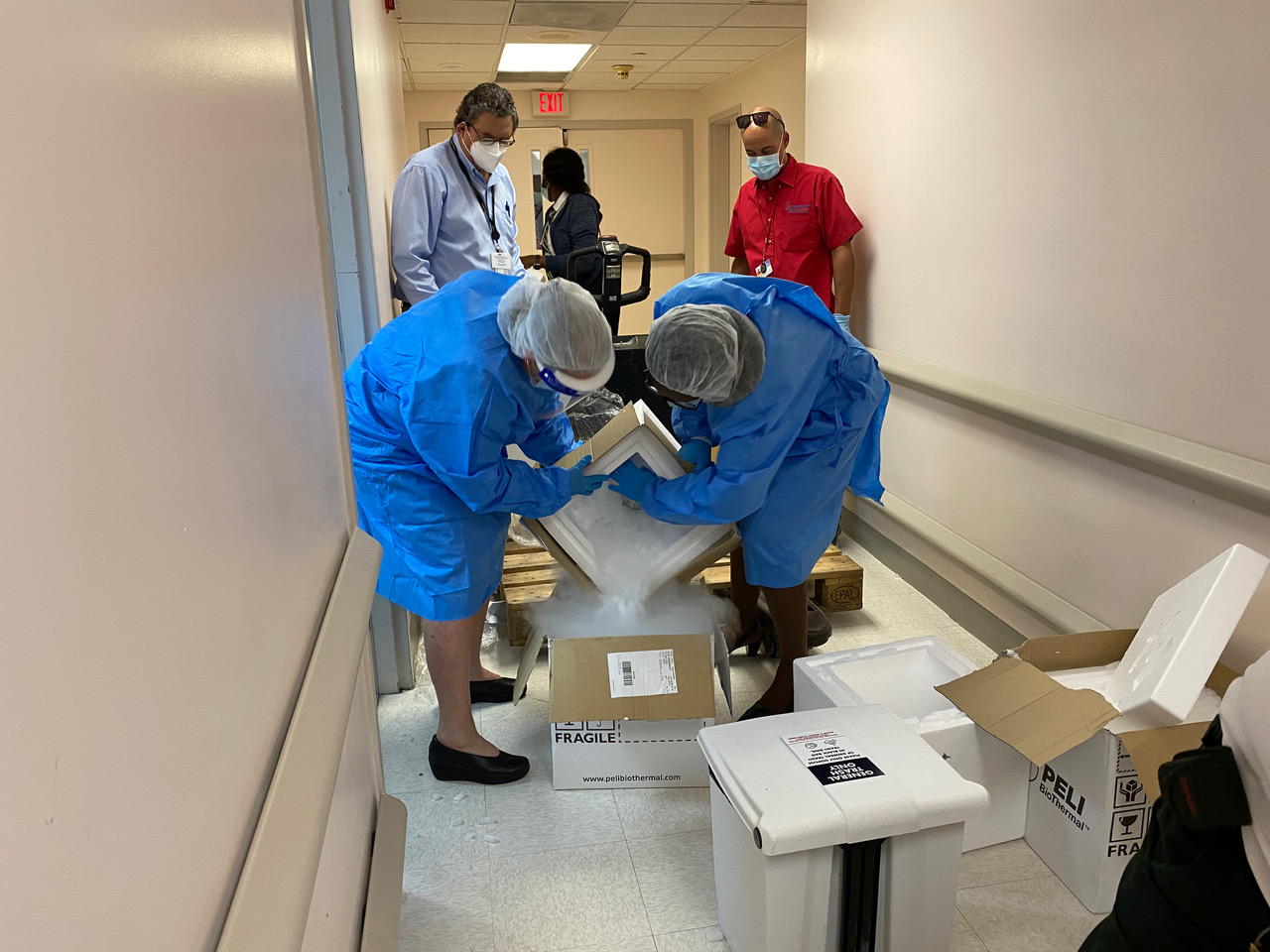
Staff at the Health Services Authority spent Wednesday being trained on handling the Pfizer-BioNTech vaccine as Cayman prepares to roll out its national COVID-19 vaccination programme, which starts Thursday.
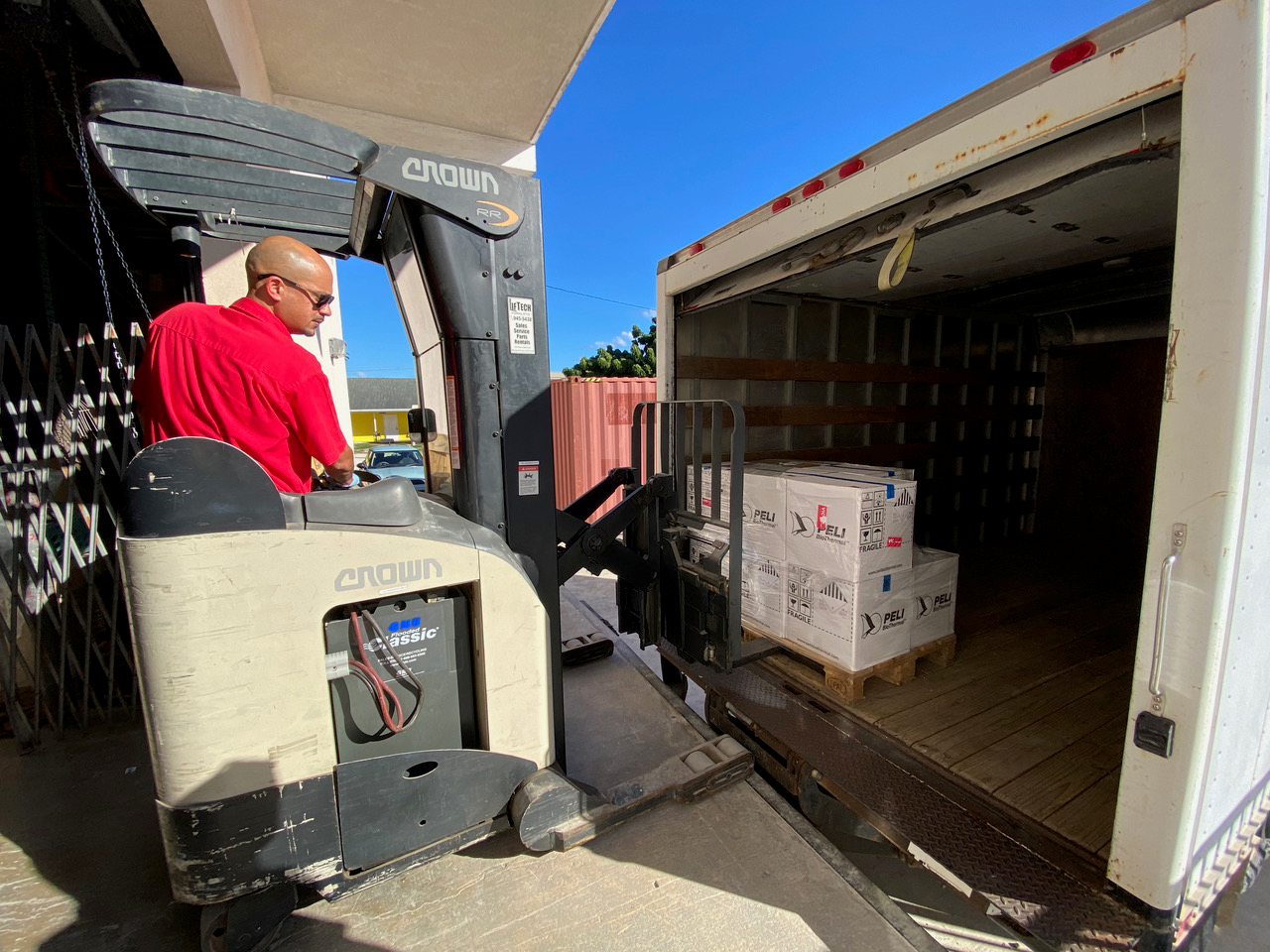
On Tuesday, the Cayman Islands became the first British Overseas Territory to receive a shipment of the two-dose vaccine.
Local officials welcomed the arrival of the 9,750 doses of the vaccine, which will be enough to inoculate 4,875 people. Vaccination is voluntary.
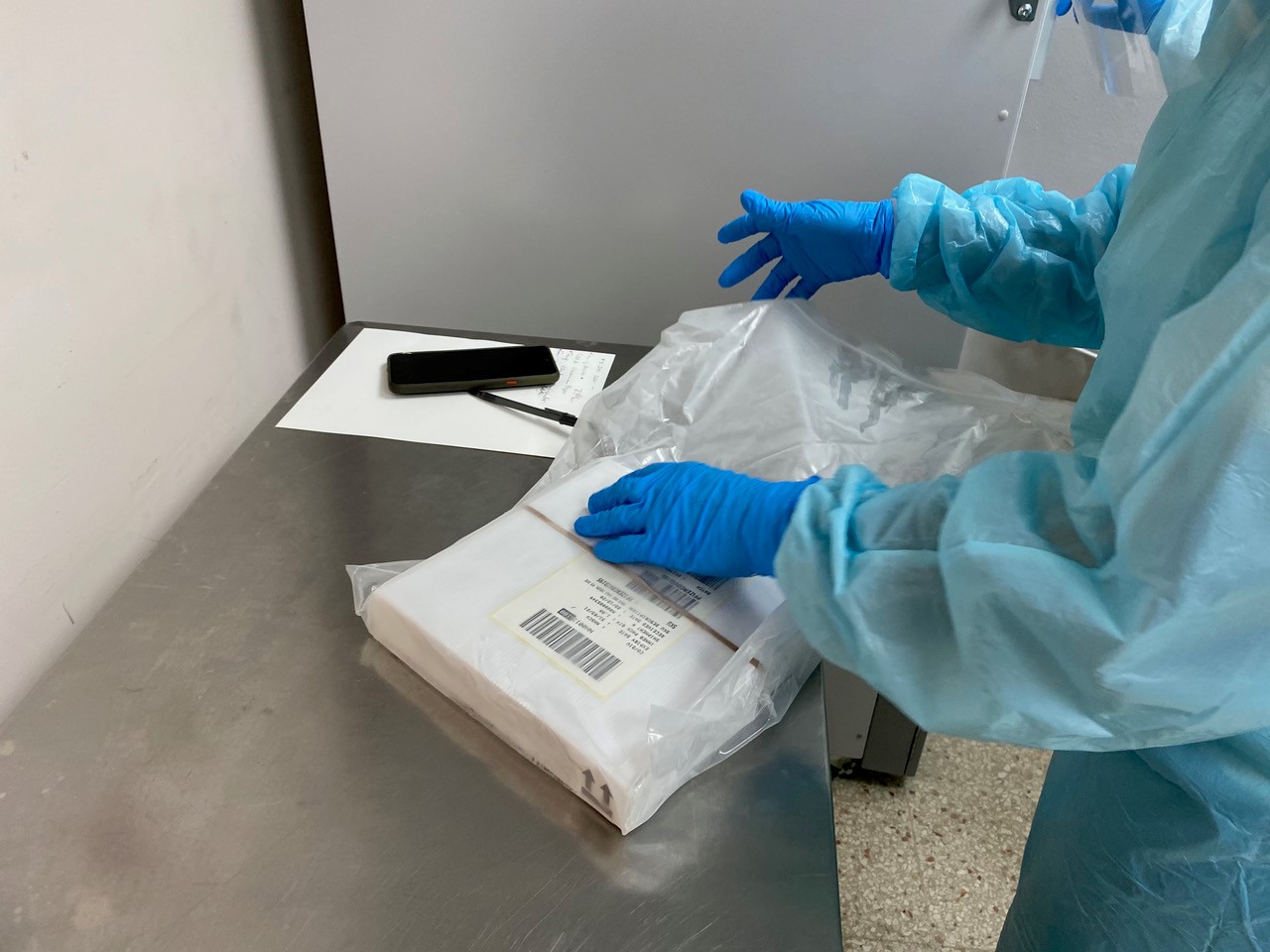
The HSA, in a brief statement to the Cayman Compass on the preparations, said staff who will be performing the inoculations are being trained on handling of the vaccine which must be kept at extremely low temperatures.
Staff at the Health Services Authority have been familiarising themselves with the specifics of this vaccine for the past few weeks. Staff spent Wednesday reviewing all of the information that came with the Pfizer/BioNTech vaccine, the HSA said.
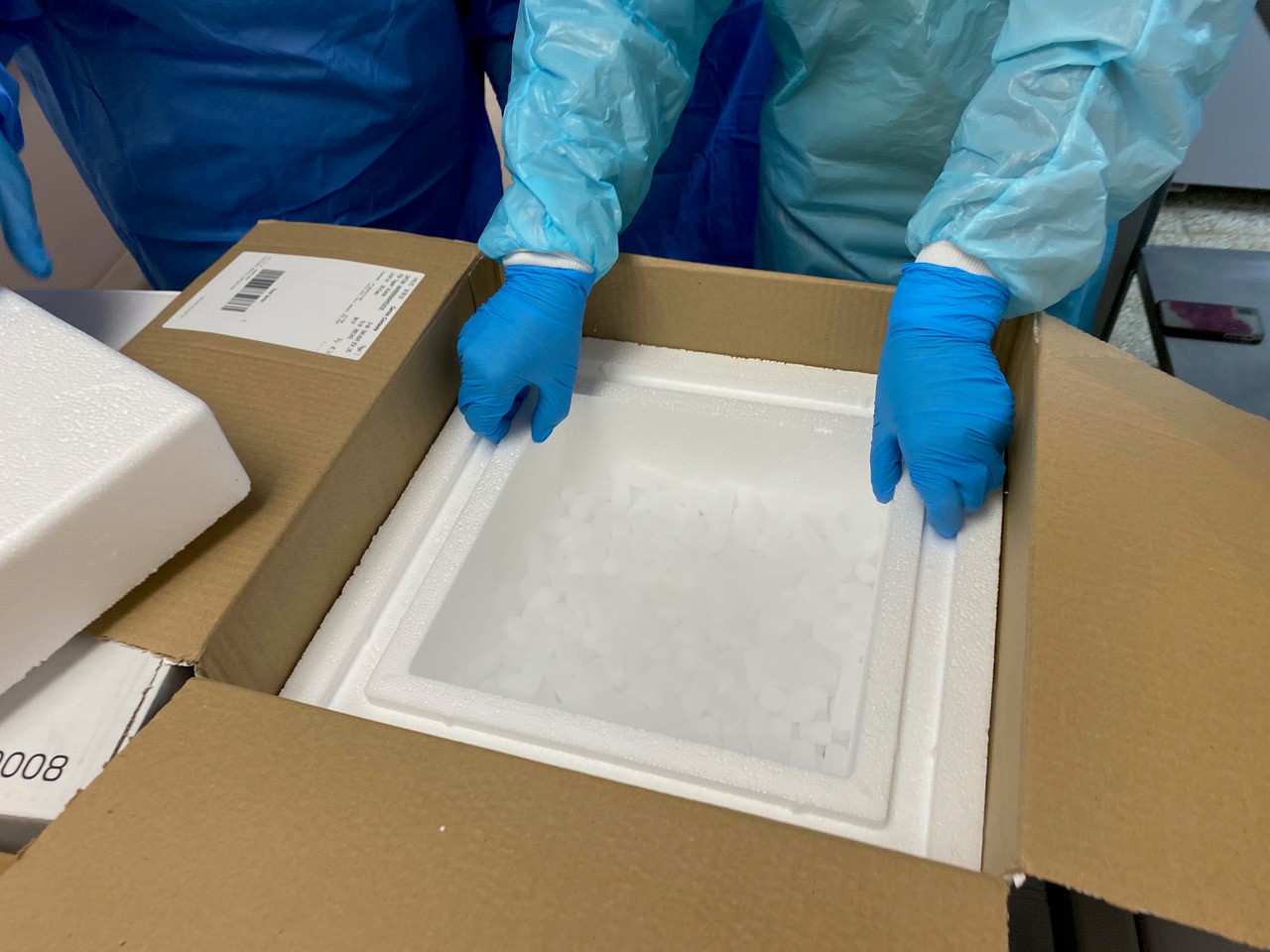
The HSA purchased specialised freezers to store the vaccine at the required -70°C.
The vaccines were also packed in sealed coolers made for dry ice in order to transport it aboard the British Airways flight from the UK.
Britain is supplying the vaccines free of charge to all British Overseas Territories. The total value of Cayman’s first batch of vaccines is CI$226,554.28.
On Thursday, at 10am, Governor Martyn Roper, Premier Alden McLaughlin, Health Minister Dwayne Seymour, Chief Medical Officer Dr. John Lee and Medical Officer of Health Dr. Samuel Williams-Rodriguez will receive the first jabs.
Also in the line-up for the first inoculations is Doctors Hospital chairman and chief radiologist Dr. Yaron Rado and Health City Cayman Islands clinical director and chief cardiac surgeon Dr. Binoy Chattuparambil. HSA oncologist/haematologist Dr. Lundie Richards will also be receiving the vaccine.
About the vaccine:
- The vaccine is the mRNA (messenger ribonucleic acid) type.
- Live virus is not used in this type of vaccine.
- The vaccine is not currently recommended for children under 16, pregnant women or women who plan to be pregnant within the next three months.
- People with a history of immediate onset anaphylaxis in reaction to a vaccine, medication or food should not take the Pfizer/BioNTech vaccine.
On Tuesday, when the vaccines arrived, McLaughlin encouraged the public to get the jabs, saying he believed it was the way forward for Cayman and the safe reopening of borders.
“We had determined, I think quite some time ago, that there is no safe way to reopen our border, creating these bubbles or any of these other things that have been proposed. The only way out for the world, quite frankly, is for enough people across the world to develop immunity and create the herd-immunity effect,” he said.
The Compass will live stream the inoculations as well as a media briefing that is planned for Thursday at 2pm to announce details on the national vaccination programme.
The premier said he had been receiving calls discouraging him from taking the vaccine, but “we are absolutely confident, and I am absolutely confident that the vaccine is absolutely safe”.
“What I think all of us should be aware of is that almost 2 million people have died as a result of COVID. So if we don’t immunise ourselves, eventually Cayman is going to lose this bubble. We cannot hold on to this indefinitely; we cannot keep the borders closed indefinitely,” he said.
The vaccines will initially be available to those aged 70 and over, certain patients in high-risk categories, healthcare workers and other high-risk frontline staff.
Public health staff will administer the doses to housebound people who opt to get them.
When the vaccine is more widely available, inoculations will be offered to those aged 60 and above who are part of the first stage of vaccination, a Government Information Services statement said Tuesday.
Related Videos