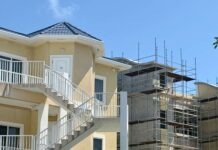
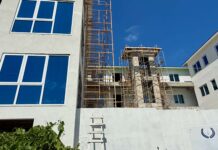
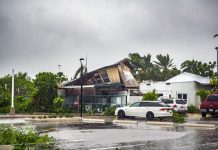
At least 200 homes across Grand Cayman are still in a state of disrepair following the passage of Tropical Storm Grace six months ago.
The powerful storm, which meteorologists say was just short of hurricane force, ripped off roofs and tore down walls, leaving some properties with severe damage.
Even for those with resources, heavy construction activity on the island has led to a long waiting list for repair jobs.
For many home owners, though, the financial burden of fixing properties is proving too much to bear. With time running out ahead of the new hurricane season, concern is growing that too many families are living in unsafe homes that could be susceptible to more serious damage in the next wave of storms.
Government’s housing repairs programme – for those that qualify for support through the Needs Assessment Unit – fixed 40 properties between August and December. But the workload is proving too much for it to manage alone, and government has taken the unusual step of donating $1.5 million of its budget to the non-profit sector to help out.
The funds will be channelled through the R3 Foundation, which manages and administers donations to non-profits that fit its remit of disaster relief, readiness and recovery.
The money will go to Resilience Cayman, a separate non-profit, which is developing a housing repairs programme to run in parallel with the government’s scheme
‘Double horsepower’
Minister for Social Development André Ebanks said the government repairs list, which also includes qualifying properties unconnected to Grace, runs to more than 400 properties.
“We needed to double the horsepower,” he told the Compass.
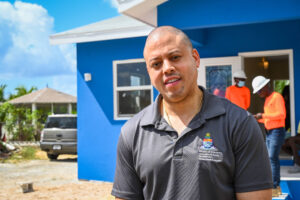
The grant to the R3 Foundation comes with the added perk that the Dart group will match that $1.5 million cash injection, to aid the foundation in its support of other non-profits and projects within its ambit.
Ebanks said the initiative would harness the expertise and efficiency of the voluntary sector to help clear a backlog of work before the start of the 2022 hurricane season.
He said this was an example of charity, community and government working together to fix big issues in Cayman.
Storm damage linked to economic issues
Jan Gupta, of Resilience Cayman, said the next step would be for her team to conduct an initial assessment of the homes on the list provided by government and prioritise the jobs in order of need.
They will then begin putting contractors to work to fix the most serious issues.
Gupta, who established Resilience in the aftermath of the outbreak of COVID-19 to help provide financial support and food aid to those in the greatest need, said the task is large.
“It’s a pretty long list,” she said.
The extent of damage varies from fallen roofs and collapsed walls to plumbing and electrical issues.
Gupta said the aim was to ensure everyone had basic safe living standards. The advent of hurricane season, which offically begins 1 June, has created new urgency to get the work done.

“Properties that were damaged in Grace are less able to withstand future storms,” she added.
There’s a link, both Ebanks and Gupta commented, between storm damage and more systemic poverty and housing issues in the community. Those in the most need have the least means to do the running repairs to make their homes resilient to storms.
“There are definitely properties that have fallen into disrepair, where there hasn’t been enough financial means to keep them maintained.”
There are several that may not have been damaged in storms but that need to be fixed because of their vulnerability to extreme weather.
There’s enough need, said Gupta, for the project to go on as long as funds are available.
The programme is means tested, and Resilience Cayman is required to demonstrate it secured best value for the funds spent.
Commenting on the donation from the government in a press release last week, R3 chairman Bryan Hunter said, “R3 is pleased to accept the generous donation from the Cayman Islands Government in support of the housing repairs programme, which falls within R3’s readiness and relief objectives in that its aim is to repair homes that have been damaged by a tropical storm or hurricane or to repair homes that are in such a state of disrepair that they are unlikely to withstand a future tropical cyclone.
“We are also delighted to provide a series of donations amounting to the $1.5 million donation to Resilience Cayman and to work with them to ensure that this programme is carried out efficiently and effectively.”
Related Videos