

Cayman’s consumer prices are likely to remain higher for longer, as the islands’ most important import market, the United States, reported 7.9% annual consumer price inflation in February – the fastest price growth since January 1982.
Higher consumer prices have been observed worldwide since economies started to emerge from the COVID pandemic.
Inflation has been by and large explained with the sudden surge in demand, following the unprecedented curbs to economic activity during the lockdown.
This was coupled with supply chain issues, ranging from the inability of manufacturers to ramp up their capacity quickly enough, to shortages of shipping containers and truck drivers, as well as clogged-up ports, which in turn increased transport costs.
Most market observers had expected inflation to stay elevated in the first half of 2022 but forecast that prices would come down significantly in the second half of the year.
That outlook may well have changed since Russia attacked Ukraine last month and western countries responded with extremely extensive, punitive trade and financial sanctions that included a US ban on Russian energy imports.
Since then, gas, oil and other commodity prices such as wheat and nickel have soared.
Despite the almost 8% inflation rate, this effect has not yet been priced into February’s US consumer price data.
High energy prices
In the absence of an unlikely quick, peaceful resolution of the war in Ukraine, energy and commodity prices are likely to stay elevated for some time.
Western sanctions of Russia are almost certainly going to be expanded.
Meanwhile, European countries are in the process of exploring alternative energy suppliers and sources to reduce their dependency on Russian oil and natural gas for the medium to long term.
Regardless of how quickly a solution to the conflict is found, energy markets will be reshaped and global supply chains altered for good.

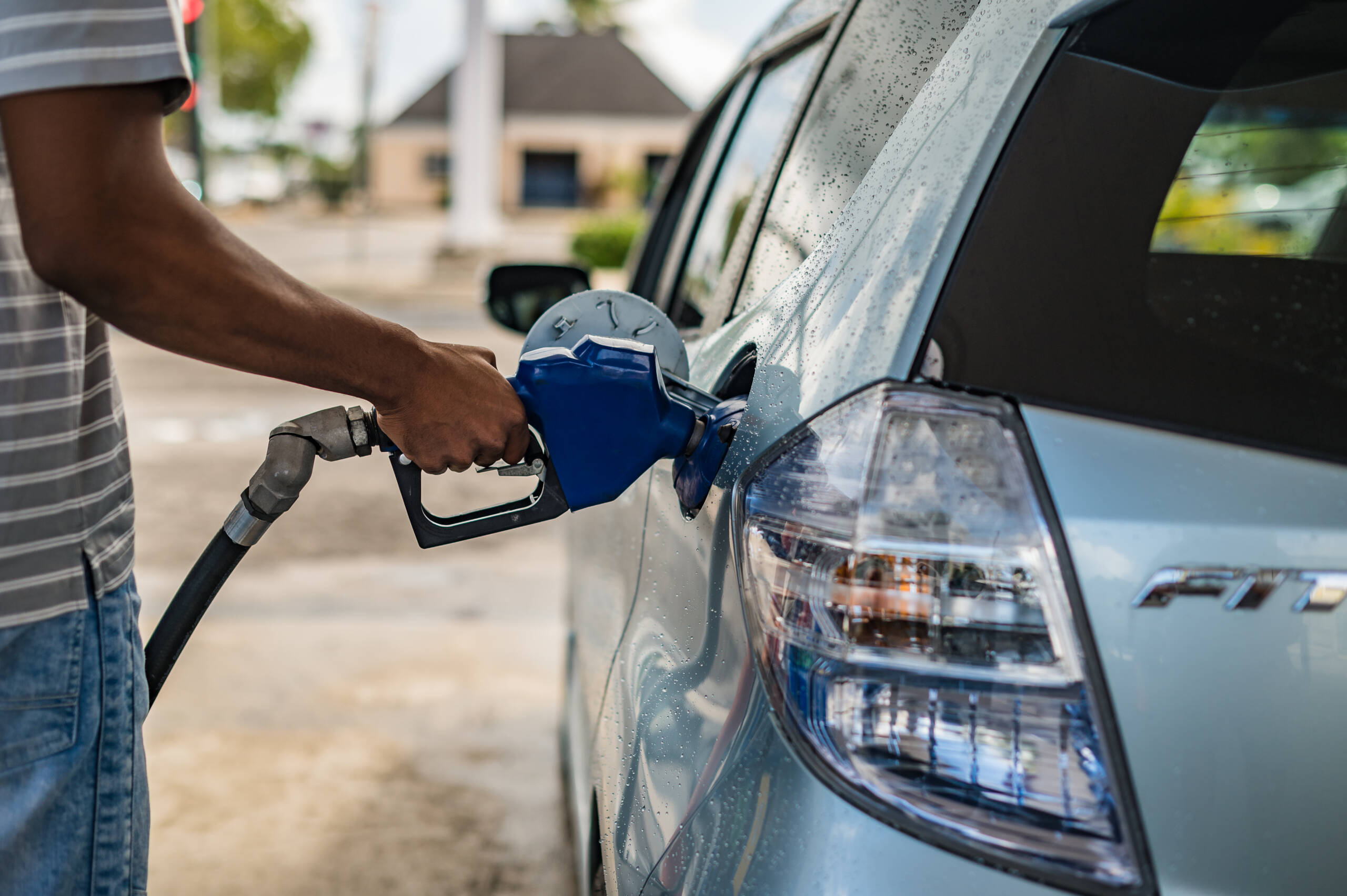
Cayman consumers can already see the effect of high oil prices at local gas stations.
This week, prices for a gallon of premium petrol exceeded $5.70. Regular petrol is about $1.30 per gallon more expensive than at the same time last year – an increase of 35%.
Typically, local petrol prices take about one month to respond to changing oil prices, because of the time it takes between purchase and transport from refineries to US ports and, from there, on cargo ships to several destinations in the Caribbean, including Cayman.
One month ago, a barrel of West Texas Intermediate traded at about US$93. This week the price hit $123.70 before relenting again to $106.
High energy prices will also directly affect consumer’s electricity bills. Cayman’s electricity supplier CUC passes the fuel cost to generate power directly onto the consumer without a mark-up.
The fuel cost element charged by CUC increased from $0.08423 per kWh in March 2021 to $0.153746 in February 2022 – an 82.5% jump.
For a household that uses 1,000 kWh per month, that means an $83 higher monthly electricity bill due to the cost of fuel alone.
The increase reflects that crude oil prices have doubled since the beginning of 2021, when a barrel of West Texas Intermediate traded below $50.
This month, however, the fuel cost element has dropped by 10.6% to $0.139008 per kWh, according to CUC’s website.
Food and rental prices up
Higher energy prices and higher transport costs will inevitably increase the cost of all goods imported to the Cayman Islands.
It comes in addition to the price inflation in the source countries from which food, durable goods, building materials and other items are imported.
The consumer price index in the US increased another 0.8% between January and February, after a 0.6% monthly increase between December and January, the US Bureau of Labor Statistics reported on Thursday.
The price growth was mainly driven by energy and food, as well as rental and housing costs.
If food and energy prices are stripped out, because they are more volatile in responding to market movements, core inflation fell slightly in February. Durable goods inflation has also slowed in the US.
But annual core services inflation of 6.2% in February was significantly higher in the US than in January (4.9%).
US food prices rose by 1% on a monthly basis in February and were up almost 8% in the past 12 months.
In Cayman, food prices have been on the rise for some time the latest data from the third quarter 2021 shows.
Overall food prices, at the time, were up 3.3% compared to the same period in 2020, after a 5.5% price jump over the previous 12 months. Items like meat or fruits, however, were more than 10% more expensive year on year.
Cayman’s rental prices, which are disconnected from outside price inflation, and a direct product of local supply and demand, have shown no sign of letting up over the past 12 months.
A Cayman Compass analysis of the median rental asking price for a two-bedroom home or apartment last month showed an increase from $2,000 to $2,650.
Related Videos













You left out the main cause of inflation in the US – trillions of $$$ of “Covid relief” spending, including indiscriminately passing out money to people that weren’t affected by Covid. My wife and I went to work normally for the last 2 years, got our regular paychecks, and got $4000 in cash to spend as we wished. We bought new tires for both cars and a 75″ 4K TV. Now multiply that behavior by MILLIONS of people. The law of supply and demand goes into effect.
Our Civil Servants pensions are COLA protected and presumably their salaries as well, so that accounts for a large percentage of the Caymanian working population who will not suffer like the rest of us.