

Climate change poses a range of existential threats to Cayman’s coral reefs. Scientists warn that a certain level of ocean warming is locked in and beyond human control, with potentially disastrous consequences for marine ecosystems.
A growing body of research, meanwhile, suggests that protecting reefs from other man-made pressures, particularly overfishing and pollution, is the best and perhaps the only way to ensure their survival in a climate-altered world.
Cayman’s expanded marine protected areas, now covering more than 40% of our waters, are policed by a small team of committed conservation officers. The Compass joined them on patrol.
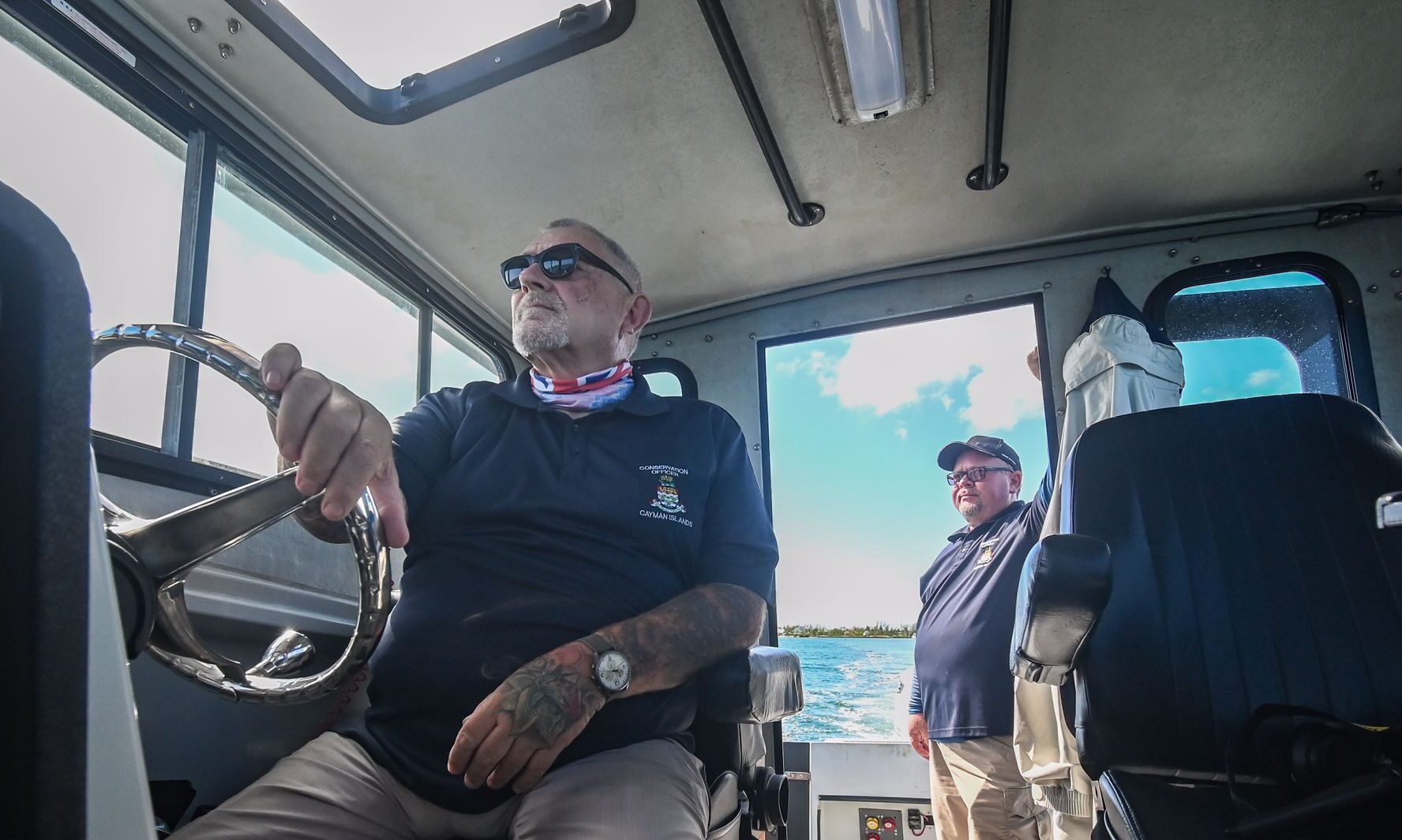
An osprey swoops low over Booby Cay as Ronnie Dougall eases the throttle and idles the patrol vessel gently through Little Sound.
White heron flock in the mangroves, a natural breeding ground for multiple species of sea birds.
The warm shallow waters beneath are a breeding ground for everything from sharks and barracuda to shrimp, clams, lobster and grunts.
This is the most highly protected coastal zone in the Cayman Islands, Department of Environment chief enforcement officer Mark Orr explains. There’s no fishing, no snorkelling, no swimming, no boats allowed to anchor and all vessels are restricted to a speed limit of 5 miles per hour.
“Every type of fish on the island is in here as a juvenile, this is where they grow up.”
It’s a nursery and a breeding ground for marine life. But it is also one of the most sheltered spots within the North Sound and a magnet for boats, wave runners and water-skiers who don’t always abide by the rules.
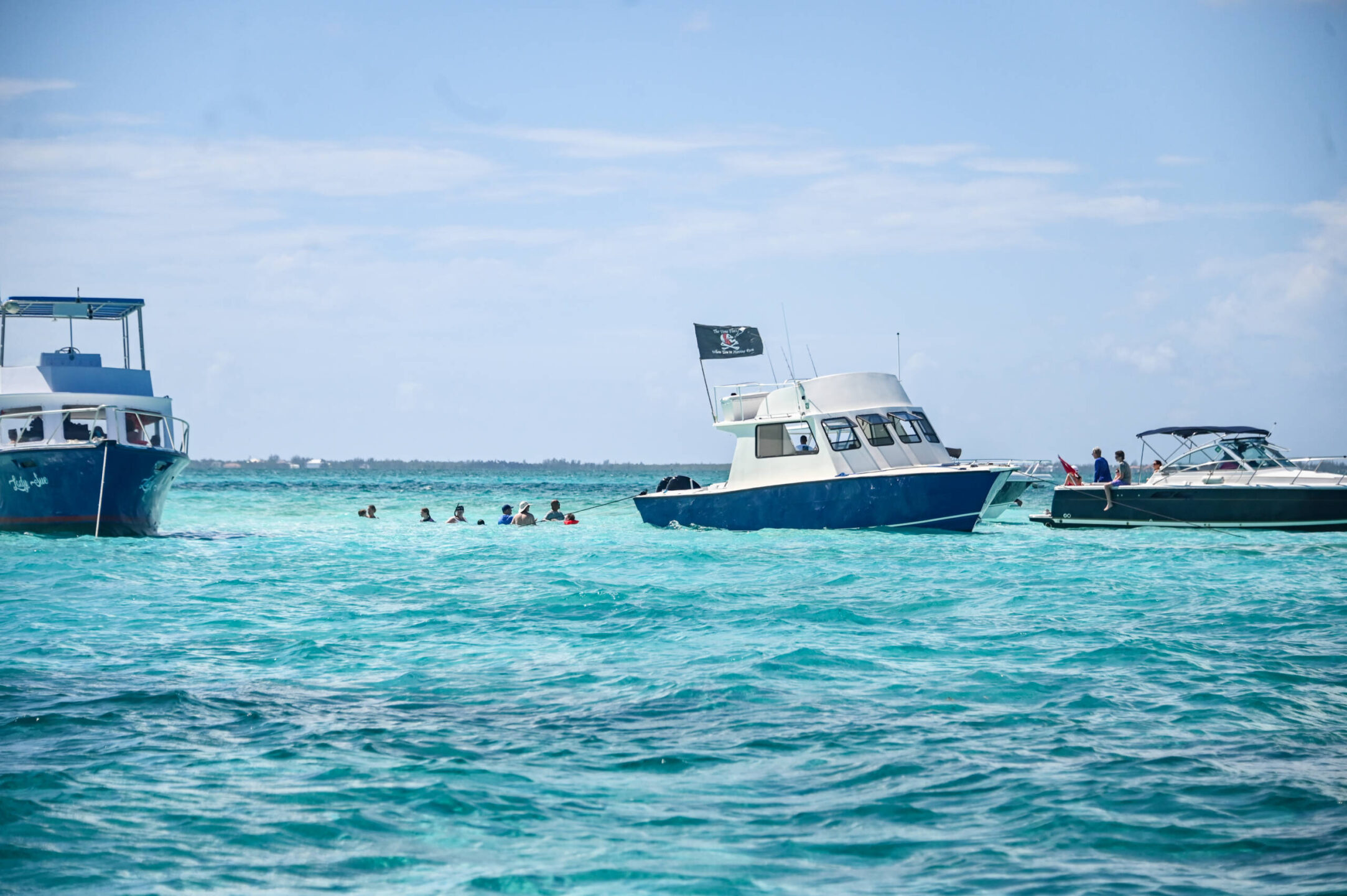
As a jet-ski tour accelerates past, Orr dishes out his first caution of the day.
“We’re getting back to business, but it is no excuse to break the law,” he tells the group leader.
“Let this be the only warning I give you.”
Poaching threat
Overzealous tour operators aren’t the biggest problem, however.
Increasingly, organised criminal gangs – particularly targeting lobster and conch in huge numbers – are a growing concern.
Anglers who stray into no-take zones and unlicensed spear fishermen, who often target important species like parrot fish for an easy kill, are also on the radar of the DoE’s enforcement unit.
The expansion of the marine park system, announced in 2019 to coincide with the visit of Prince Charles, means a greater area of the islands’ waters is now protected. Crucially, the fringing reef that sustains much of Cayman’s marine life is now more broadly covered.
Orr says there are still plenty of open zones where people could fish.
“This is always the question – are we doing enough but, at the same time, not restricting people from following traditions?
“We’re not saying you can’t fish. I think that’s a misconception. We’re not trying to take away your heritage.
“What we’re trying to do is make sure it’s sustainable enough that your kids and grandkids and our future generations can continue to do those activities.”
Protecting Cayman’s waters from overfishing may be one of the few tools the island has at its disposal to protect reefs.
A future without reefs
Ensuring key species, like parrot fish, remain abundant, is central to any resilience strategy. The brightly coloured grazers are an easy target for free divers using illegal equipment, like unlicensed spear guns or home-made Hawaiian slings.
A three-year study, involving the DoE and the Central Caribbean Marine Institute, concluded that herbivorous fish play a crucial role in keeping the reefs free of smothering algae. They are natural guardians that ‘pick the weeds’ and help corals stay healthy enough to fight a variety of other threats.
“We have everything from global warming to the invasive Pacific lionfish to the scale of the coral disease we’re seeing now,” Orr warned.
If Cayman doesn’t do what it can to protect against these threats, the future looks bleak. A world without reefs would be less glorious and more dangerous.
“We could end up with a lot of ugly moss-coloured rock, no colourful corals, no healthy habitat for fish to live in and be protected by,” he said.
Over time, he warns, depleted reefs would crumble and the impact of waves and storm surge on the island would magnify.
Croy McCoy, senior research officer with the DoE, says the aim of the marine park system is to protect a chain of ecosystems, incorporating nursery habitats like mangroves and seagrass beds, as well as hard bottom and reef habitats that support the widest variety of species and create the greatest opportunity to be a ‘seeding source’ for adjacent areas.
He said the expanded marine park system would also protect a vital economic and recreational resource for divers, anglers and snorkellers.
“The enhanced marine parks make not just the protected areas but all of our coastal marine ecosystems healthier and more resilient, therefore they have a better ability to adapt to climate change,” he added.
Resource challenges
Orr and his team cover a wide swathe of territory with just a handful of officers. He would like to get more support, but he said the public’s role is also vital.
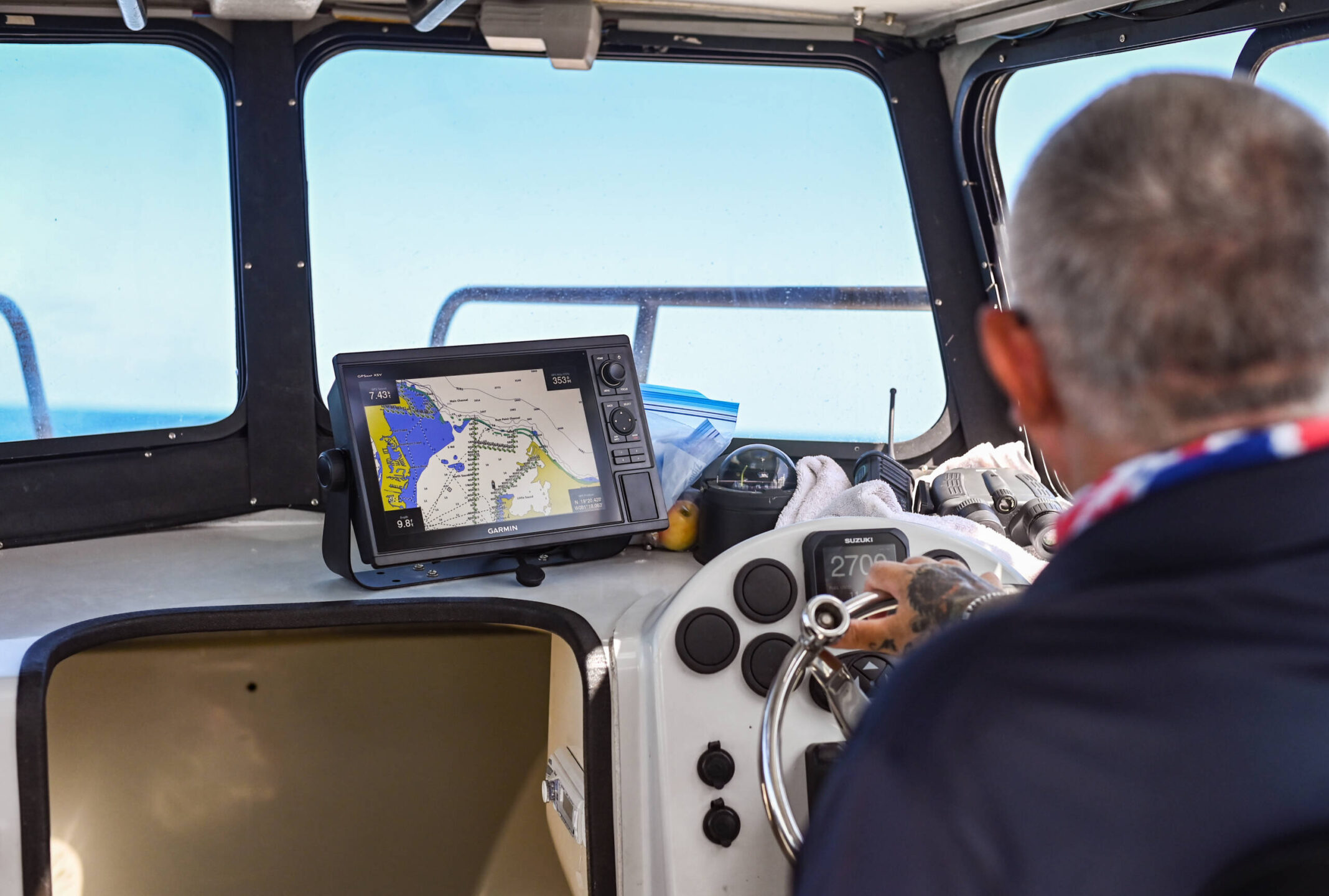
The DoE’s marine parks app, which is GPS-enabled, allows anyone using the water to identify what zone they are in and immediately access the rules for that area.
He said this had been a huge help in allowing law-abiding boaters and anglers to be aware of the new rules and to comply.
Scott Slaybaugh, deputy director of the DoE, expects shortly to add two new staff to the enforcement team.
“The DoE patrols seven days a week and are on-call 24 hours, so with only eight Conservation Officers and two Conservation Wardens we have always been stretched to provide our service,” he said via email.
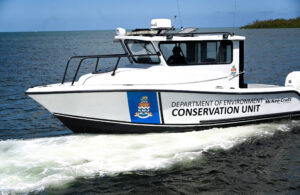
“Our alliance with the newly-formed Coast Guard has been greatly beneficial, and our Public Education Officer has been instrumental in promoting public awareness and care of our natural resources.”
He said the department was pursuing the use of drones as an enforcement tool but current Civil Aviation regulations for commercial operators make that impractical.
“In addition we are exploring the possibility of implementing a ticketing system for less serious offenses in order to allow officers to spend more time on patrol and less time in court and on administrative tasks.”
Jennifer Ahearn, chief officer in the Ministry of Sustainability and Climate Resiliency, acknowledged that the DoE was covering large areas of coastline with a relatively small team.
Speaking on the Compass and Rooster FM’s weekly news review show ‘Beyond the Headlines’ on Friday, 25 March, she said resources were stretched across government, but collaboration with the Port Authority and Coast Guard could assist.
She said around 40% of Cayman’s marine shelf was now protected and called on the public to play their part to maximise the impact of that policy change.
“That is a fantastic achievement and we have made a significant increase in that level of protection,” she added.
She said DoE studies showed how marine parks helped increase fish stocks both inside and outside the protected zones.
Aside from sustaining marine life, she said healthy coral reefs help generate sand for Cayman’s beaches and provide important storm protection.
Ahearn added that rising ocean temperatures are a key concern for her ministry.
“Coral reefs are one of the most vulnerable ecosystems we have to sea level, sea temperature rise and climate change. It’s a very narrow window of temperature increase that we can tolerate.”
Related Videos










Wondering if this is an opportunity to educate and train locals to be part of this respectable team of Conservation Officers and Wardens? Man power (and possibly more acquisition of patrol boats) could really help this team do their jobs more efficiently. The reef is so vitally important. Imagine if the CIG made this a priority instead of having their heads turned by the millionaires (and billionaires) throwing their money around building up SMB for their own kind? There would be more than 40% of the reef protected, along with the means to do so.