

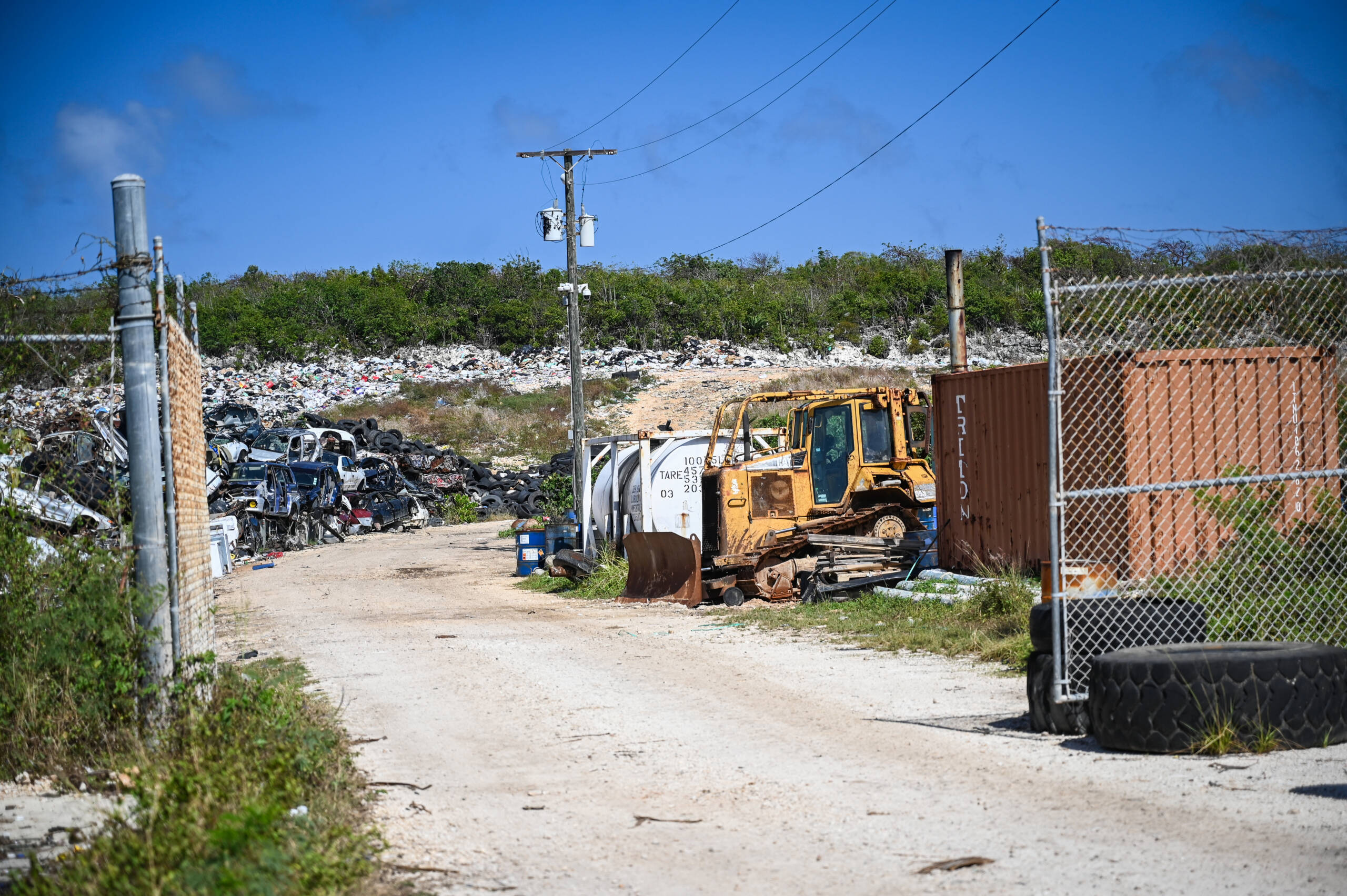
A partnership between government and the Dart organisation to transform Cayman’s approach to waste management remains the likeliest solution to the islands’ growing landfill challenges.
Premier Wayne Panton acknowledged details of the deal, which was first announced five years ago, were still being negotiated.
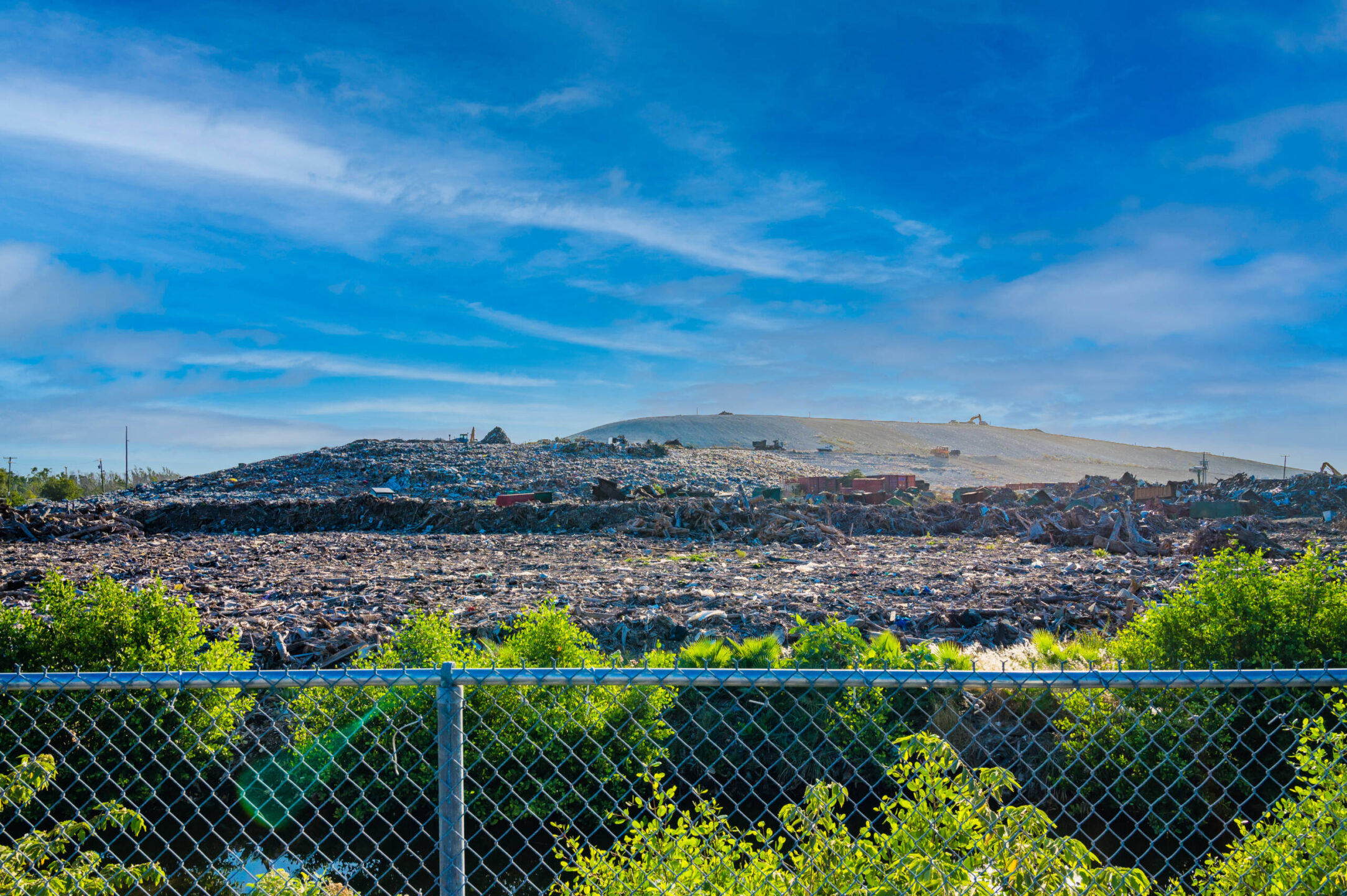
The ultimate aim is to replace the unsightly landfill – dubbed Mount Trashmore – with a suite of facilities, including recycling, composting and waste-to-energy plants, as well as national policies to reduce waste.
But the full contract is not yet inked-in and a planned environmental impact assessment is now on hold, as elements of the deal are back under discussion.
Panton said he was concerned that responsibility for the Sister Islands’ landfill sites had been dropped from the project.
The premier, who was environment minister in a previous government when the project was initially scoped, said it had changed substantially from what was originally intended.
Likening the process to the kind of ‘value engineering’ that takes place on many building projects, he said the wish list of facilities and policies falling under ReGen’s remit had dwindled.
He insisted he was not pointing the finger of blame at Dart and its partners, or the previous government.
“I think this was their attempt to get it done,” he said, referencing the time that had passed since the project was first procured.
But he said government must ‘face reality’ in terms of what it needs from the project.
“We have to deal with Little Cayman’s trash, we have to deal with the trash that comes from Cayman Brac,” he said.
Whether the cost accrues to ReGen or to government, he said it was essential for his administration to know the total investment required to change the way Cayman manages its waste.
“How much is the country going to need to be spending on managing waste in a modern, cleaner way for the next 20-25 years? We need to answer that question honestly.”
He believes the Dart group is also keen to progress the project and there may be more clarity about the way forward within weeks.
“I’m confident that the Dart organisation has a vested interest in the outcome of this as well. I think we can achieve a positive outcome in that respect for both parties.”
He cautioned that even if the project were moving full speed ahead, a waste-to-energy facility would not be in place until 2026 at the earliest.
Meanwhile, capacity concerns at the current landfill site in George Town persist and he is hopeful that composting, recycling and waste reduction strategies can be in place much sooner.
The Dart group had no comment for this article.
Related Videos












Maybe we should also hand over the responsibilities of OfReg to Dart as well.
Back in 2017 when this bid call was put out by CIG, the final bids were down to Dart and a French-led consortium of several experienced international waste managers. In the final analysis, and in a process not open to public scrutiny, Dart was declared preferred bidder with the French consortium as second preferred bidder- to be re-engaged in negotiations in the event that an agreement with preferred bidder Dart could not be reached.
It is still not clear on what terms of offer Dart were declared preferred bidder, but one would have thought that a deal should heve been struck by now, some 5 years after ‘winning’ the bid. The failure to get the deal done may be as a result of shifting expectations on the part of CIG but it also could bethat unrealistic, even fantastic, deliverables were hed out to CIG that got walked back under closer scrutiny- we shall never know, really.
What is intriguing to speculate on is what would have happened if the presence of Constructions Industrielles De La Mediterranee as second bidder waiting in the wings, was allowed to loom over the negotiations as intended by the bid terms- there is an even chance that CNIM would have got the job done by now at a price retrospectively more acceptable to the residents of the Cayman Islands.
Included in the bid scope was the requirement for the collection and processing on Grand, all of Brac and Little’s waste (which was a material part of the proposal under bid). How is it then possible that this is to be omitted from the deliverables required under the bid terms? This alone is reason enough to bring CNIM back to the negotiation table, surely?