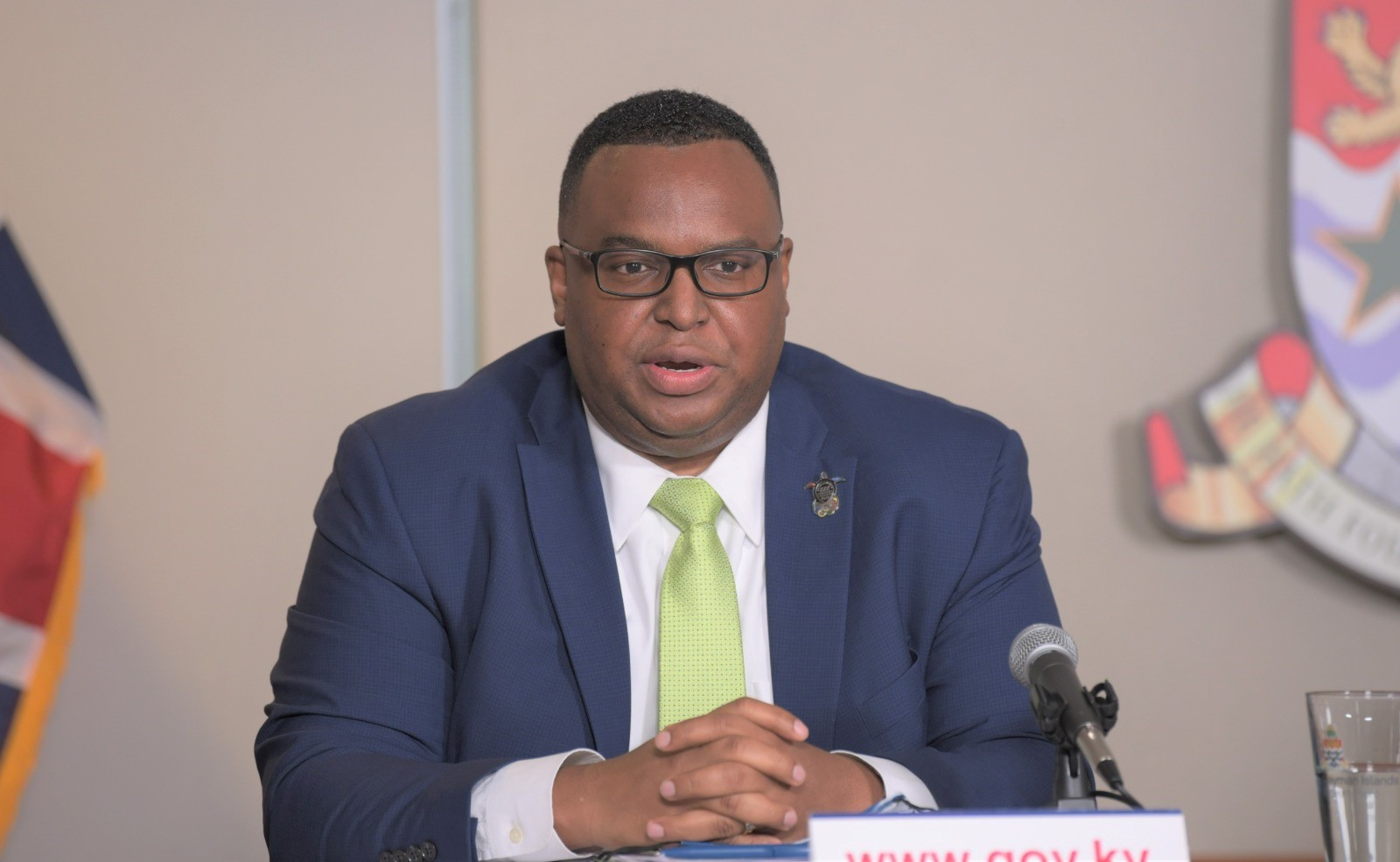
Deputy Premier Chris Saunders had “no authority” to terminate a $1.275 million order for 500,000 rapid COVID tests as the pandemic swept through Cayman last November, the auditor general has said.
Saunders intervened to cancel the deal with Blue Water Medical Supplies, which had been agreed by officials in the health ministry, an inquiry has confirmed.
Auditor General Sue Winspear concluded that there were no issues with the choice of Blue Water as supplier and suggested that Saunders, as an elected politician, should not have got involved.
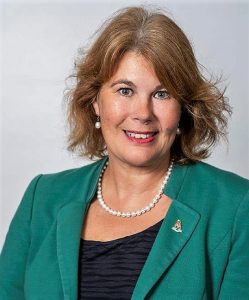
“Ministers should not be involved in the implementation of any procurement decision,” Winspear said in a report reviewing the LFT procurement, as she indicated this was the job of the civil service.
The deputy premier called Blue Water owner Randy Merren personally to tell him the deal was off, the report indicates.
His intervention triggered a lawsuit, which the company later dropped, after government agreed to uphold the contract and buy the COVID-19 Flowflex Rapid Antigen Tests for a total cost of $1.275 million.
“The Deputy Premier had no authority to make the phone call cancelling the order with Blue Water Medical Supplies Limited,” Winspear told the Compass following the release of her report last week.
“The Procurement Law 2016 requires that all operational procurement activity should fall to the civil service and not the political arm of government who are there to formulate relevant policy,” she said in her emailed comment.
Background
In October 2021, as COVID-19 ripped through the Cayman Islands, Cabinet agreed it would procure 2 million lateral flow tests as part of its response.
Crown Agents Ltd, the UK firm that has been delivering Cayman’s COVID-19 vaccines, were chosen as the preferred bidder by the Ministry of Health for an initial order of those tests, after a mini-tendering process in which bids were received from multiple possible suppliers.
But procurement officials later approved a switch to the second choice bidder, Blue Water, when the pricing offered by the British firm changed.
Ministry officials informed government members that they had ordered 500,000 tests from the Cayman company at a caucus meeting on 1 Nov.
Following that discussion the deputy premier intervened to cancel that order, the report states.
The next day, a separate order, for another 1 million tests, to be used in schools, was placed between the Ministry of Education and Crown Agents using ‘emergency’ provisions which allow for the competitive bid process to be completely bypassed in extreme circumstances.
Blue Water meanwhile launched legal action against government for cancelling its order, but dropped the case when the contract was restored.
Both orders went through
In the end, the report indicates government proceeded with both orders, buying a total of 1.5 million tests through two separate ministries from different companies, using different procurement methods.
There is nothing inherently wrong with this, Winspear concluded.
The initial Cabinet approval for 2 million tests gave the health ministry the authority to order 500,000 lateral flow tests from Blue Water on the basis of a ‘restricted tendering’ process, with a view to completing a full competitive bid for the rest of the order.
A separate, later, Cabinet approval for another 1 million tests for schools to be ordered from a sole supplier – in this case Crown Agents – was also appropriate, Winspear indicates.
“Given the importance of getting LFTs quickly for schools and that any delays could be perilous the approach they have taken using the emergency provision seems reasonable,” she wrote
Winspear said, from her inquiry, there was no evidence of “any inappropriate actions by the Civil Service at any stage in the procurement of LFTs”.
However, she stressed that it is best practice for the Civil Service to deliver a procurement process “without any political input” beyond the original decision to procure the goods – in this case, rapid COVID tests.
“Most importantly, this separation exists to protect the political arm of government from any procurement related risks (i.e. allegations of unfair tenderer selection, nepotism, cronyism etc.),” she said.
Clarify procurement process in emergencies
Winspear pointed out that complications arose in the course of the procurement process and “concerns have been expressed” about the application of the Procurement Act in “emergency” situations.
She said the act “should be updated to make it clear on the factors that would trigger the “emergency” provision and the role of Cabinet, as a collective body, in such circumstances”.
She also recommended that the “full nature of decisions” must be contained in Cabinet minutes with Cabinet decisions “made available to relevant officials in a timely way”.
She said Cabinet papers and “especially Cabinet Minutes must include all relevant detail around decisions taken to minimize the chances of misunderstandings occurring”.
Governor: Lessons learned
Governor Martyn Roper, responding to questions from the Compass, said lessons have been learned.
“I was grateful for the (Office of the Auditor General’s) report, which was fully discussed by Cabinet.
“All members of Cabinet accepted its recommendations on the respective roles of Ministers and Civil Servants in procurement.
“It was also agreed work is needed to clarify the procurement law in emergency situations. This is in hand. The OAG report has enabled important lessons to be learned and it has enhanced good governance,” he said.
The report does not provide a response from the deputy premier, who is also the finance minister, on the findings nor a statement outlining why he called to cancel the contract.
Related Videos