The Caribbean Utilities Company and industry regulator OfReg have launched two separate studies to determine what is a fair price for solar providers and customers.
According to a press release issued on Friday, the studies are being carried out to ensure the cost of solar power purchased from customers with renewable energy systems is “fairly priced, and reasonable to be passed on to other customers on the grid”.
Currently, two programmes – Consumer Owned Renewable Energy (CORE) and Distributed Energy Resource (DER) – under which people can sell their solar- or wind-generated electricity to CUC to be added to the national grid, are fully subscribed so no new customers can be added.
CUC and OfReg, in the release, warned customers to be “cautious” when ordering new solar systems “and to remain patient until a new structure and payment guarantees are in place”.
They added that some solar installers are selling solar-power systems to customers without having access to a programme which has been approved by the regulator and the grid owner.
After OfReg and CUC review the information gathered in the studies, an announcement will be made on the new iteration of the CORE and DER programmes, including the mechanics and costs to installers and customers.
“At that time, CUC and OfReg will be in a position to update the public regarding the plans for upcoming distributed generation renewable energy solar programmes in early 2023,” the release said.
“It should be noted that future CORE programmes may have different energy rates than the current rates, and customers should consider that a return on investment cannot be estimated until the new rates are determined,” the release noted.
Both parties have agreed that there will be a two-week notice period prior to the introduction of any new programme.
The studies
CUC will be analysing the impact on fuel efficiency on its existing generating engines if renewable energy purchased from customers is connected to the grid prior to the planned 2023 completion of its 20-megawatt Battery Energy Storage System (BESS) project.
OfReg, meanwhile, will be carrying out a ‘Value Of Solar Study’, known as VOSS, which aims to help determine the rate to be paid for consumers’ commercial and residential power generation “as transparency in tariff setting is important”, the release noted.
“This will provide greater certainty for customers who are planning to invest in rooftop solar photovoltaic (PV) systems,” it added.
Cayman’s National Energy Policy calls for 70% of energy to be provided via renewable sources by 2037.
“Ensuring the energy provided by renewables methods is purchased at a fair price, guarantees that the energy provided to CUC’s customers will be sold at a fair price, the release stated.
Both studies are expected to be completed by the end of this month.
CORE and DER
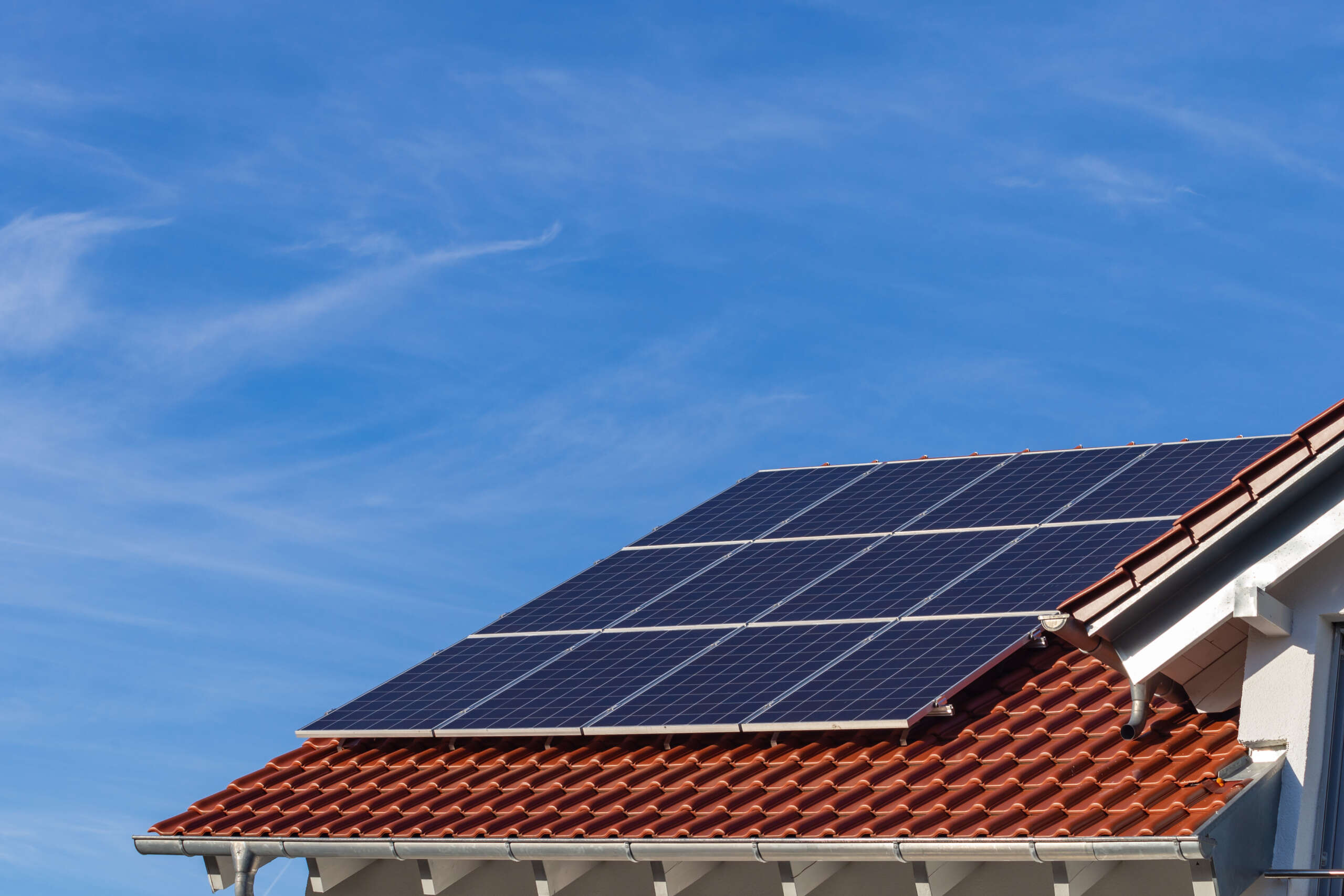
Under the CORE and DER programmes, customers could connect their small-scale solar systems or wind turbines to CUC’S distribution system and reduce their monthly energy bills by generating their own electricity while remaining connected to the CUC grid.
In 2020, CUC announced that the CORE programme was fully subscribed, meaning there would be no additional residential or commercial customers added to it. The following year, OfReg approved the allocation of an additional 3-megawatt capacity to the CORE and DER programmes, which has since been fully allocated.
As of May 2021, Grand Cayman had 9.5-megawatt renewable energy capacity from consumer-owned rooftop solar panels under the CORE programme, a 5-megawatt solar farm, and the 3-megawatt capacity allowing residential and commercial consumers that are part of the DER programme to provide surplus energy to the grid.
‘Lots of issues at play’
Gregg Anderson, executive director of energy at the utilities regulator, said, “OfReg’s two approved renewable energy programmes are designed to provide continuing opportunities for customers to install rooftop solar systems. However, there are a lot of issues at play in terms of essential costs to maintain and protect the local grid’s reliability and stability.
“These include determining an appropriate cost of service for utilities, the full ‘value of solar’, which will potentially determine the rate at which solar customers are credited, amended CORE and DER agreements and utility concerns about potentially losing revenue.”
He added that the study was critical to understanding the costs and benefits of solar “so that our energy policy is based on an accurate perception of the value of solar energy”.
He said OfReg acknowledged that rooftop solar electricity generation is an “integral part of the National Energy Policy energy transition goals and is taking the necessary steps to support strong solar growth”.
CUC’s vice president of customer services and technology, Sacha Tibbetts, said in the statement that the power company is committed to bringing solar systems into Cayman’s energy mix, citing the CUC’s Integrated Resource Plan which was approved in 2017. That plan, he said, “provides for a rapid increase in renewables connected to the grid which will deliver cleaner energy at competitive and more stable costs”.
Related Videos