Coming to a theatre near you in the next few months: Nicholas Cage in ‘The Retirement Plan’, Dennis Quaid in ‘Littlemouth’, and the late Bob Saget in ‘Daniel’s Gotta Die’.
These are stories of vengeance, family intrigue and wild sci-fi fantasies. Filled with car chases, spilled blood and stunt action, the movies have just one major plot point in common: They were all made in Cayman.
The islands’ pandemic bubble gave it a significant advantage over other jurisdictions, allowing the cameras to keep rolling while the rest of the world yelled ‘cut’.
From those beginnings, the first stirrings of a serious Cayman film industry are starting to emerge.
Now the islands are looking to leverage the interest that was built in the location, nurture emerging local talent, and stake out the territory as a place to shoot feature films, prestige dramas and reality television.
Dollars and cents
The edge that Cayman enjoyed during the height of pandemic lockdowns has disappeared as the world has returned to normal.
The virus-free environment that helped attract major studios and Hollywood talent is no longer a selling point. And while those summer shoots put the islands on the map, no amount of goodwill or word of mouth can sustain a Caymanian movie business in the long term.
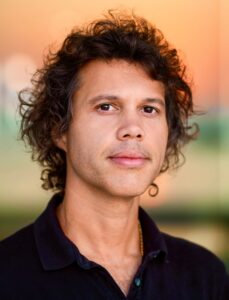
Producers will follow the money and look for the jurisdiction that offers the best incentives, says Frank E. Flowers, Caymanian filmmaker and chair of the Cayman Islands Film Commission.
“You just don’t get to make your movie without a rebate and that’s the cold, hard truth.”
Across the globe, popular film locations use close to 100 different varieties of tax-rebate incentives to attract movie-makers to their location, according to a report by PwC for the Cayman Islands government.
While Cayman can’t offer traditional tax rebates, it can devise a scheme that offers similar incentives – which typically cuts the cost of making a movie by 30%, that report concluded.
The exact details of how that will work are still being fine-tuned, but Tourism Minister Kenneth Bryan pledged a policy would be in place by next year.
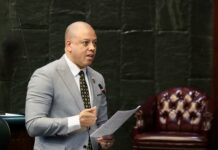
Speaking at an event in Beverly Hills to coincide with last month’s launch of a Cayman Airways direct route to Los Angeles, he said government would offer “red carpet, not red tape” to movie producers.

He said there would be special rates for location scouts, production crews, equipment and VIP greeters for talent originating from California and announced plans for a ‘Production Incentive Rebate Programme’ beginning in 2023.
That was music to the ears of the film commission.
Jeremy Walton, a former lawyer turned movie producer who serves on the commission’s board, said incentives were the most important thing any jurisdiction could offer to stimulate the film industry.
“Production incentive programmes have been wildly successful in every territory in which they’ve been created,” said Walton, speaking to the Compass from the set of his latest movie in rural Louisiana, which offers a sliding scale of incentives to producers to shoot in more remote parts of the state.
The Hollywood connection
If financial incentives are the number-one priority for establishing a movie industry in Cayman, the direct flight to Los Angeles comes a close second.
“I can’t overstate what a key piece of infrastructure that is,” said Flowers, who lives and works in LA.
The ability to fly in cast, crew and equipment at a moment’s notice saves time and money.
As the only Caribbean country with a direct connection to LA, Cayman has an edge over similar jurisdictions. Flowers said he was already fielding calls from producers because of the buzz created by a string of events in Hollywood to coincide with the inaugural flight.
Adding financial incentives, he says, will make Cayman an extremely attractive ‘start-up’ destination for film.
Emerging talent
Another hurdle for movie-makers that Cayman is starting to overcome is the absence of a strong local talent base.
That has begun to change in recent years, not least because of the exposure and experience that Caymanian actors, producers and writers gained during the pandemic.
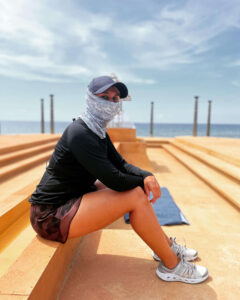
Tonie Chisholm, a former Miss Cayman who studied film in New York, was busier than ever during COVID. She worked on ‘The Baker’, with Ron Perlman and Harvey Keitel, and ‘Killing Daniel’, as well as the HBO dating reality show ‘F-Boy Island‘.
Chisholm had already established herself in the business, but the chance to work on a full slate of productions at home in Cayman made a refreshing change and opened up new connections and opportunities.
She has since travelled to Mexico to work on the second season of ‘F-Boy Island’ and has been invited to be part of other projects led by the film-makers who came to Cayman during the pandemic.
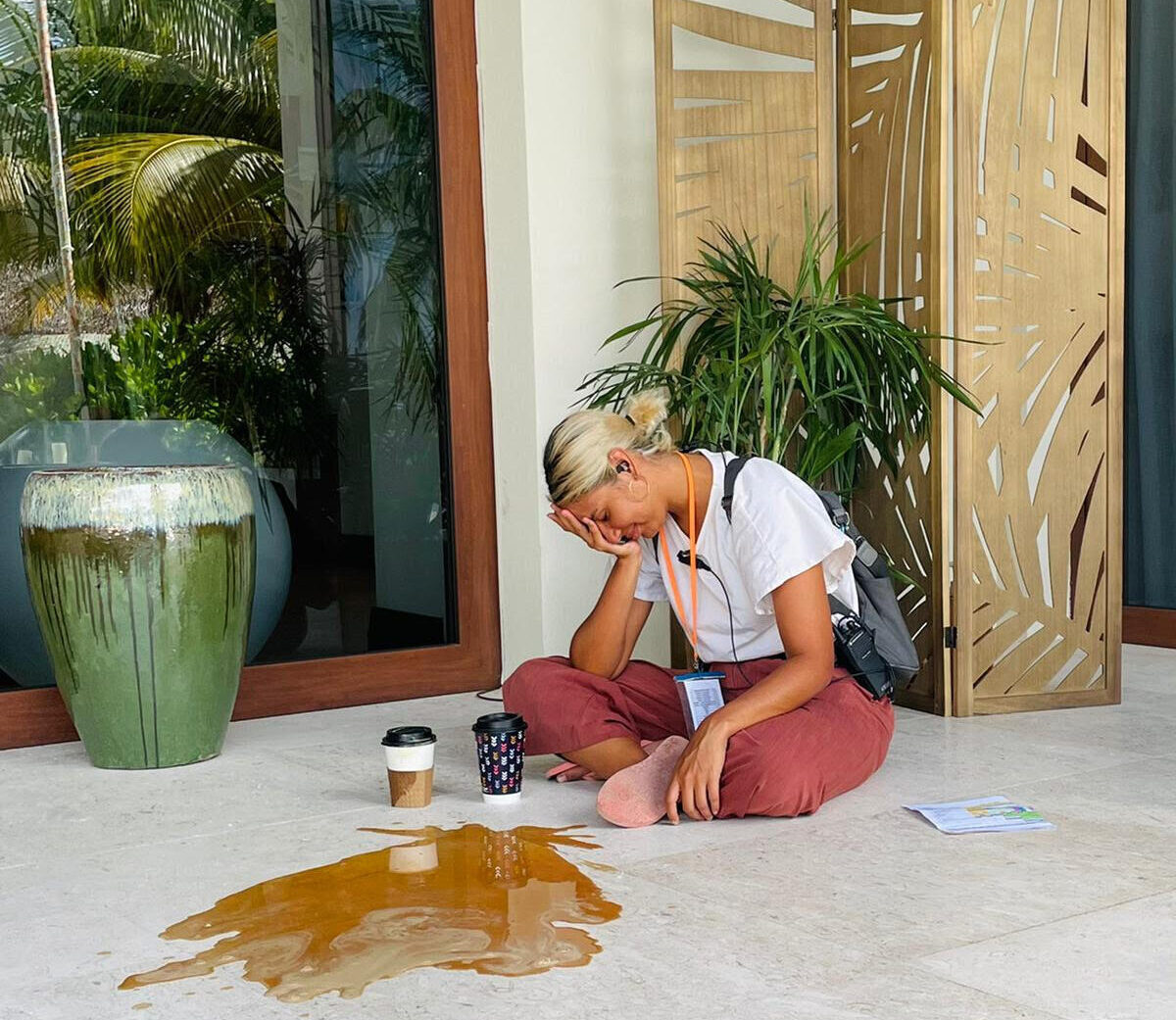
Chisholm sees huge potential for others to follow in her footsteps. If Cayman can provide the incentives to bring film-makers to the islands, there are plenty of creative, young people excited to seize the opportunity.
“The more work there is, the more skilled people will become,” she said.
Building careers
For Flowers, building that capacity is essential.
Government statistics indicate 20% of school leavers in Cayman are interested in creative fields.
Finding an outlet locally for that talent and ambition, and preventing an artistic ‘brain drain’, is a big part of the motivation.
“I think short term the goal is to give Caymanians the confidence to invest their time, their talents and their future goals in this industry,” Flowers said.
Bringing enough long-form production to ensure viable careers for camera people, sound engineers, producers and the myriad other jobs that surround a movie set would help ensure people can both pursue creative careers and pay rent.
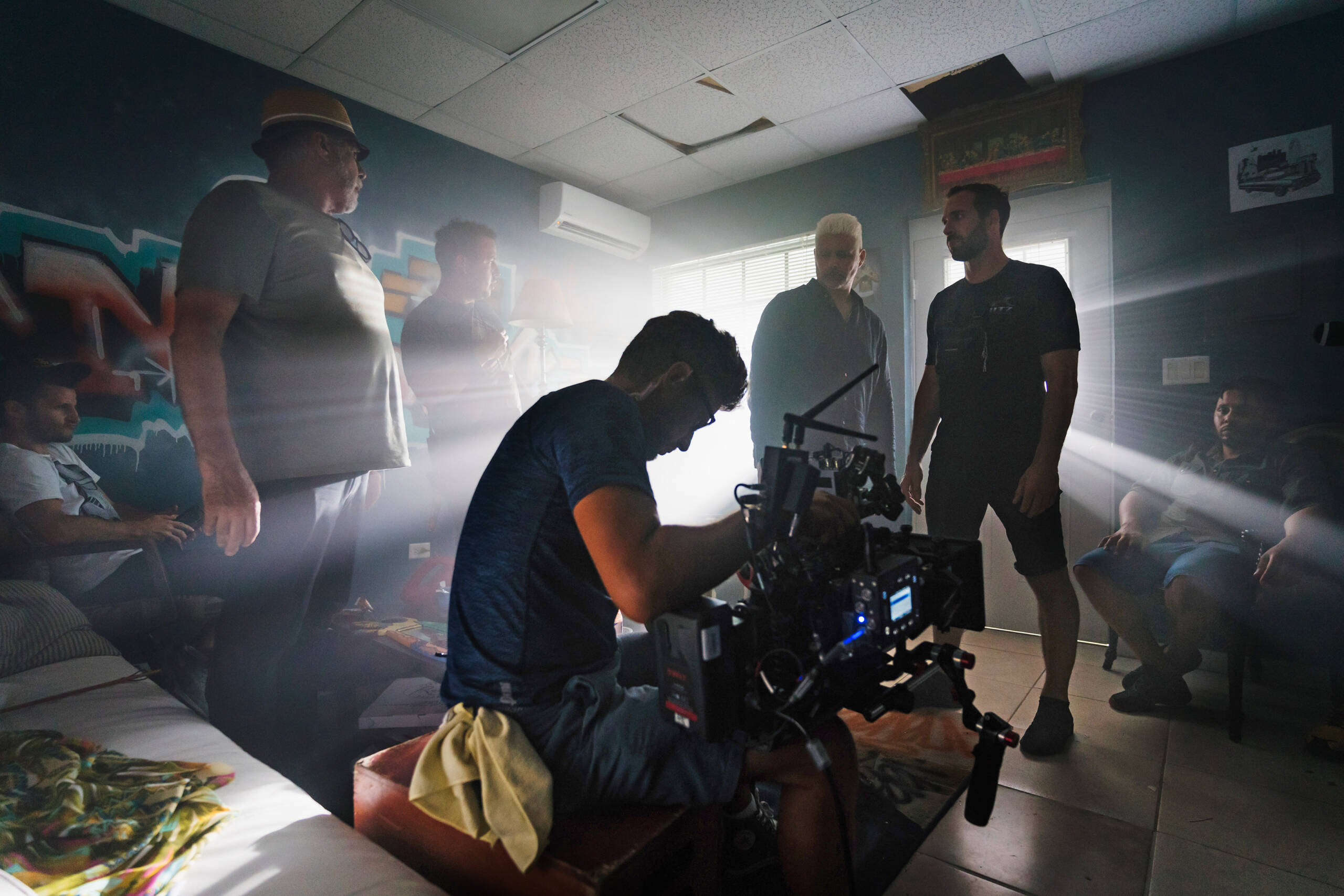
There remains significant work to be done to make that happen.
But Walton and Flowers are confident that a well-planned production-incentive scheme will make Cayman an attractive place to make movies.
“We do have to grow into this industry,” said Walton.
“There is no point saying we have a $100 million fund for incentives, we want to get the next Marvel movie here. We are going to have to start smaller and build ourselves up, in terms of the size and types and, indeed, volumes of production.”
Another economic pillar
The pay-off for Cayman as a whole could be another economic pillar, offering employment, investment and creating a buzz around the islands.
The PwC report indicated that movie production in Cayman in 2020 contributed an estimated $11.4 million to the local economy.
The TV and film productions created work for 80 Cayman residents, in addition to 159 crew members that were brought here.
The companies’ direct spending on island amounted to $9.38 million, of which three quarters went to local suppliers, while staff contracted to the companies received 13%. The productions paid approximately $850,000 in per diem allowances to its non-Cayman employees.
“With targeted promotion of the Cayman Islands and its offering, both the reputation of Cayman as a filming destination, as well as a tourism destination, can be enhanced,” the report indicated.
“Since the film industry in the Cayman Islands was virtually non-existent prior to the productions in question, investment in filming and production infrastructure could be beneficial.”
At a time when tourism’s future is uncertain and financial services faces constant threats, Walton said, the movie industry could be another string in Cayman’s bow.
Telling our own story
The less quantifiable impact is the capacity of movies to inspire.
Flowers remembers being a teenager, seeing Tom Cruise shooting ‘The Firm’ on Cardinall Avenue and daring to dream that a boy from Cayman could make films like that.
He later shot parts of his own hit movie ‘Haven’ at the same location.
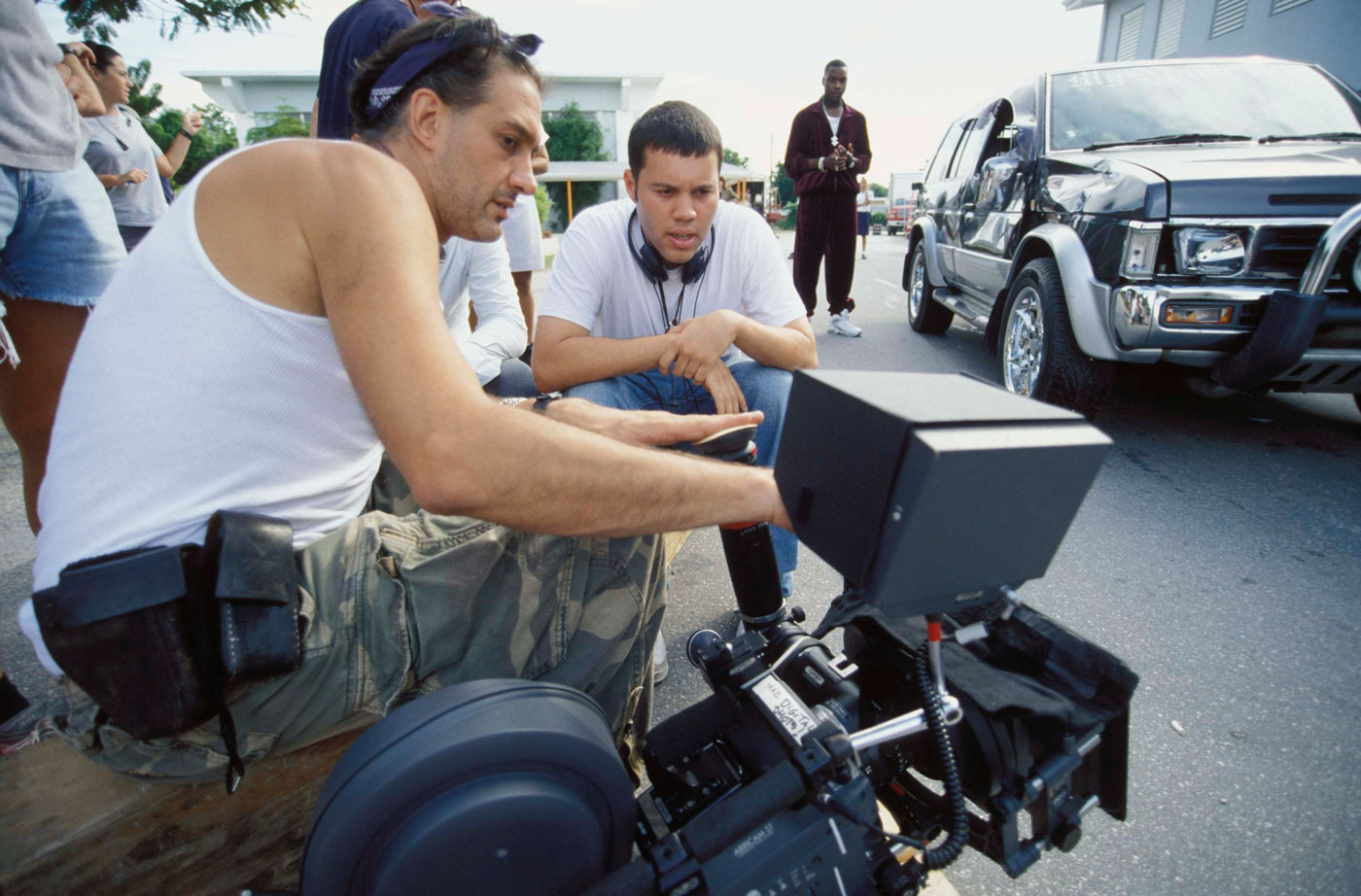
Whatever the economic benefit of bringing movies to Cayman, Flowers believes the creative impact could be even greater. For a place that has thrived on legal and financial services, the chance to offer more artistic avenues for careers close to home could be life-changing for many young people.
“I look forward to the day where I can read that a young Caymanian has sold a movie to a major studio or scraped together funding and told some essential story, some ‘Stand by Me’ or ‘City of God’.
“That’s when we can sit back and relax and be happy that our story is being told.”
Related Videos