The recent discovery of a new plot of the highly invasive and poisonous Brazilian peppertrees in Newlands has prompted a warning to the public from the Department of Environment about the South American plant.
The DoE, in a post on its official Facebook page, has urged the public to report any sighting of the plant immediately.
“If encountered, please do not attempt to cut down the tree as it is not only toxic to the skin and eyes but new shoots can grow from old stumps, stimulating propagation. Additionally, burning it releases an irritating and noxious smoke so the only way to ensure it does not spread is for it to be treated by professionals,” the DoE said in its post.
Terrestrial Resources officer Simone Williams, in an emailed comment to the Cayman Compass on Tuesday, said Brazilian pepper is an invasive noxious plant with similar properties to poison ivy.
“The public should be mindful to keep a distance and not touch the plant as it can cause severe rashes. When it’s in bloom the pollen is also an irritant to the lungs and can cause an allergic reaction. Please report any sightings immediately by emailing [email protected] with a photo and location,” Williams added.

Back in December, new regulations to control alien and invasive species and protect native and endemic plants and animals came into effect under the National Conservation Act to assist the DoE in dealing with challenges such as these.
The National Conservation (Alien Species) Regulations, 2022, introduce a prohibited species list, outline the distinctions between domestic and feral animals, and explain the procedures and actions to control feral animals and other alien species to reduce the threat to native species.
Cause for concern
The DoE said the Brazilian peppertree (Schinus terebinthifolia), also known as Brazilian pepper, aroeira, rose pepper, Christmas berry or Florida Holly, is a highly invasive, poisonous, South American plant that originally entered Cayman accidentally with a shipment of ornamental plants.
“It is a member of the poison oak and ivy family and was first detected in Cayman Brac in 2009, and later seen in Grand Cayman in 2020,” the DoE said.
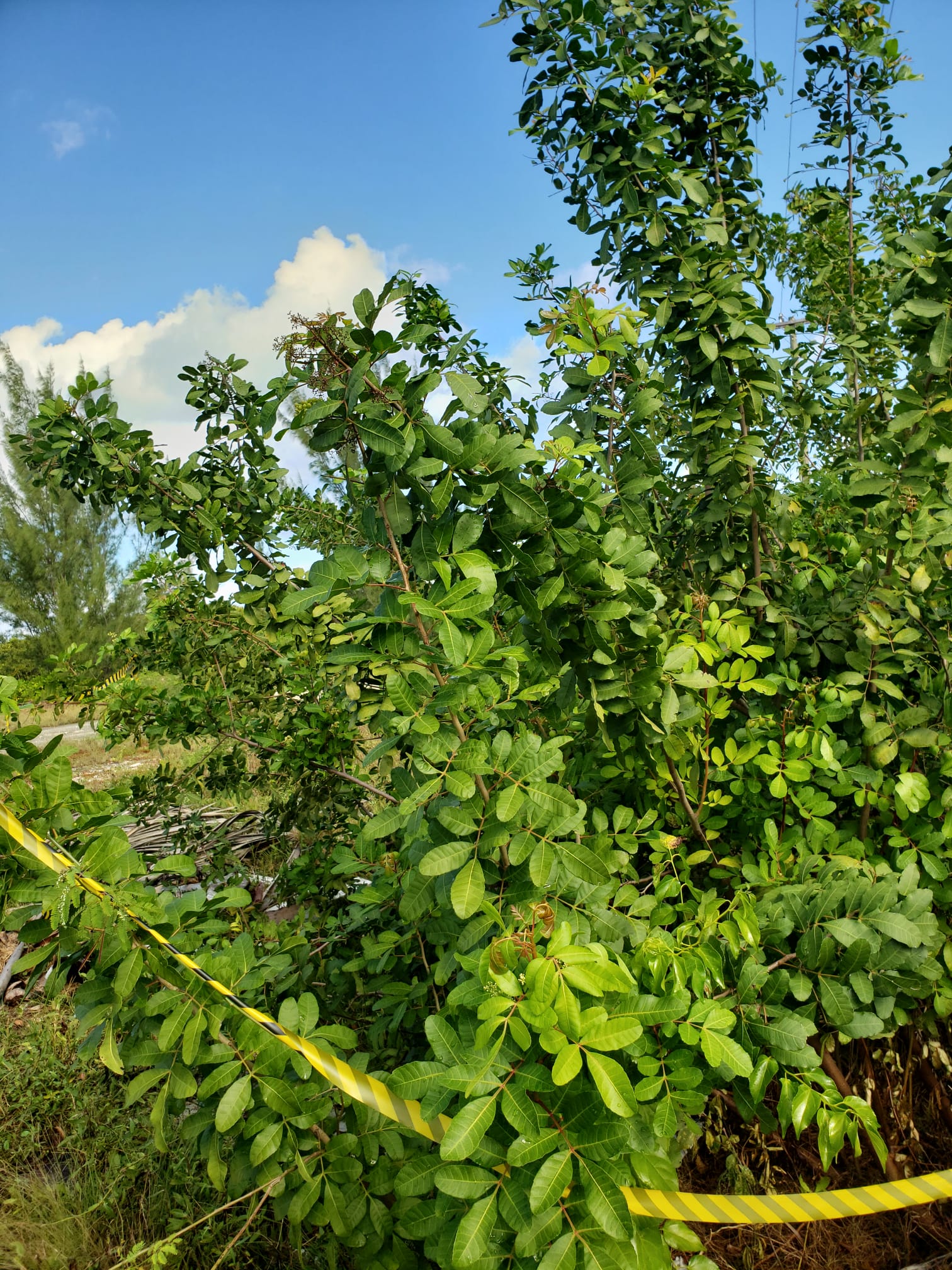

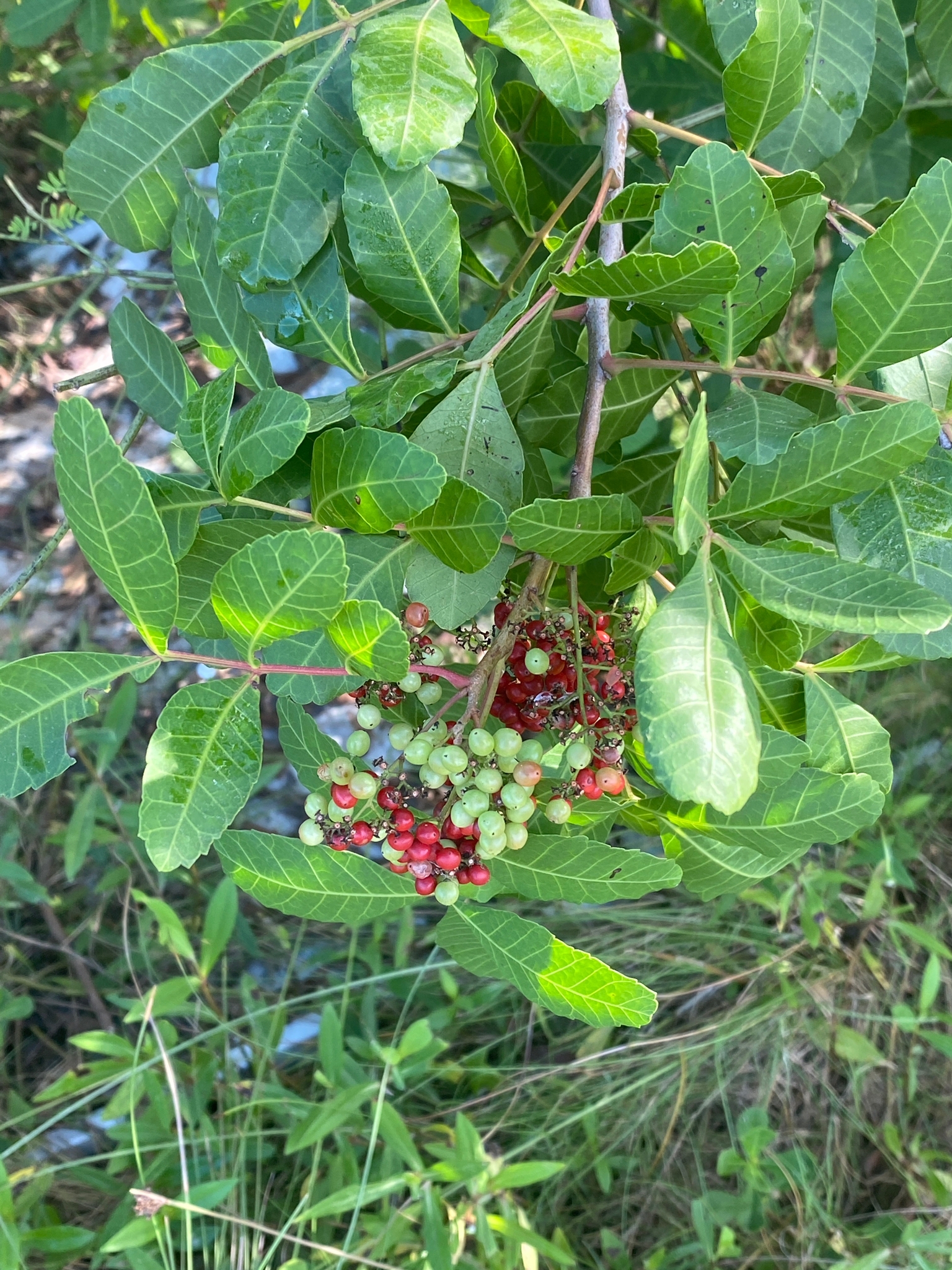
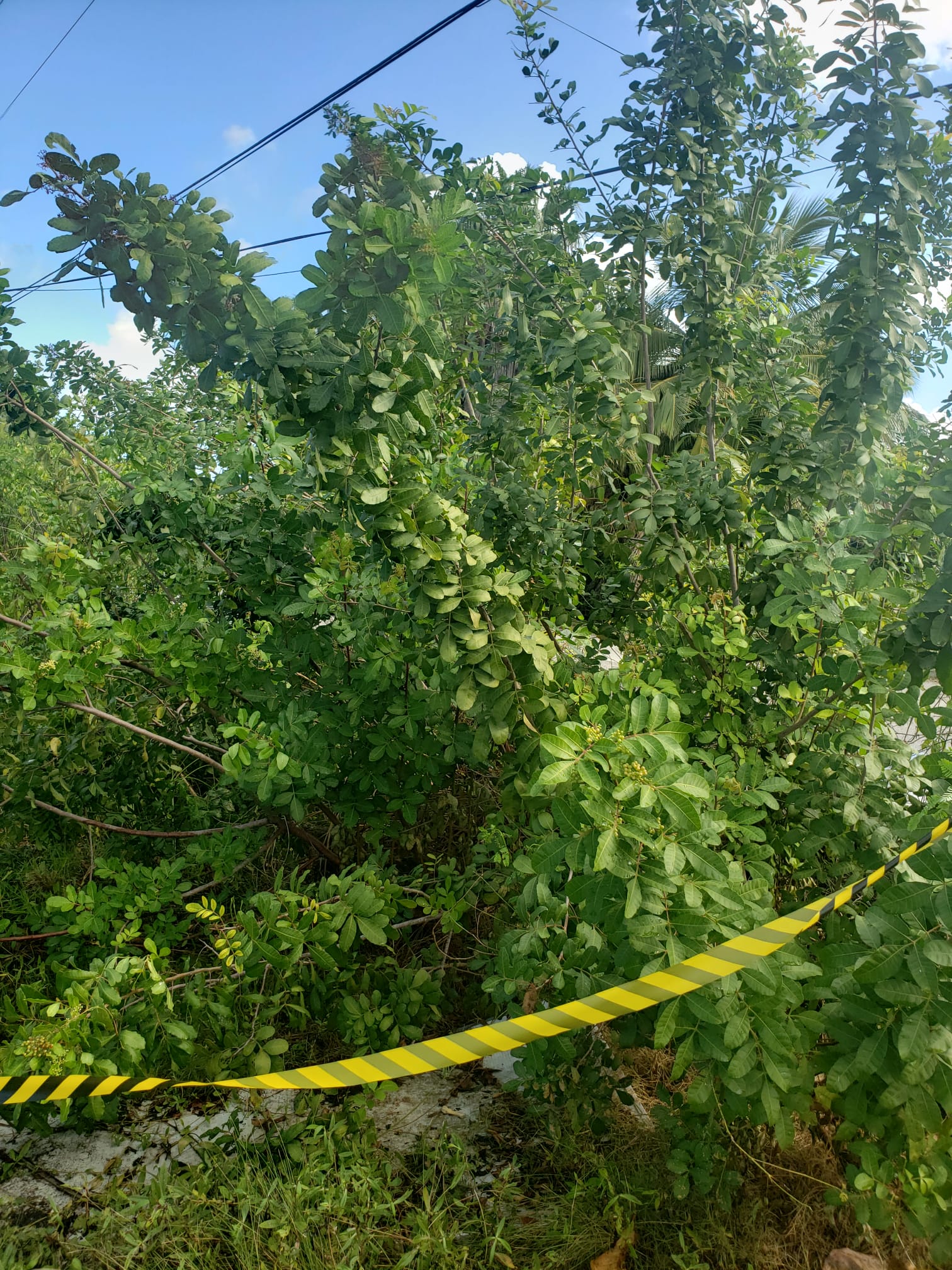
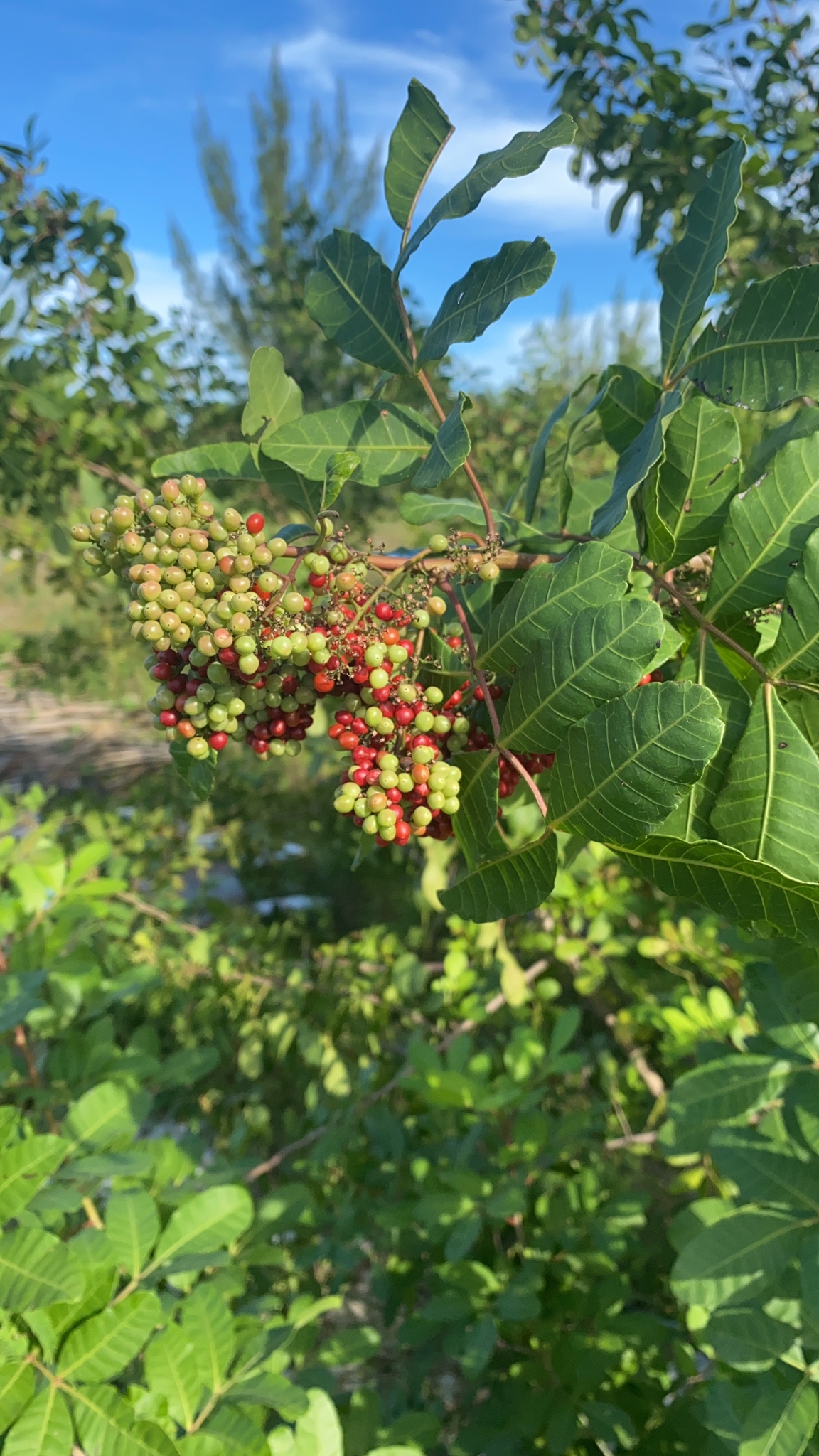
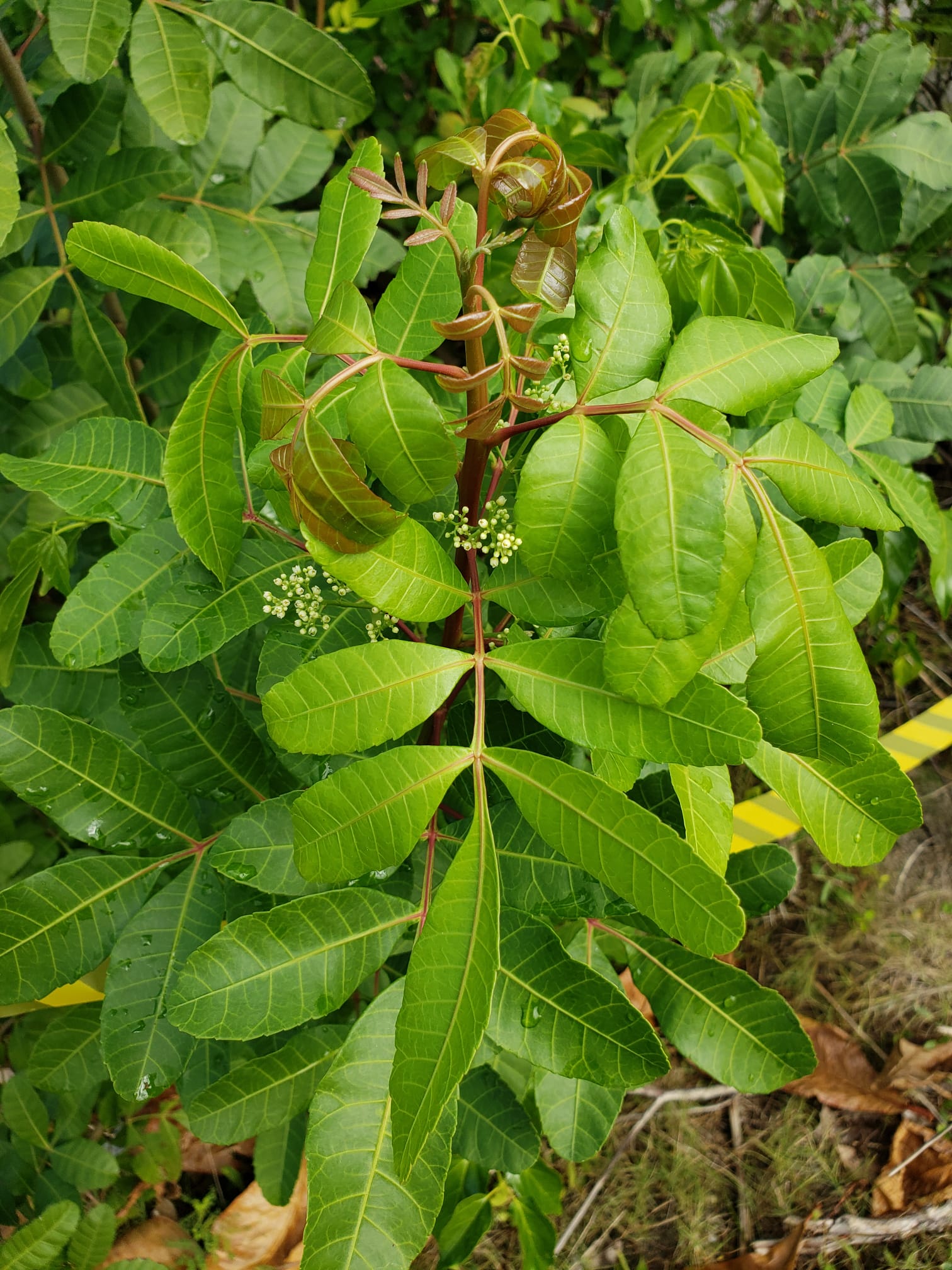
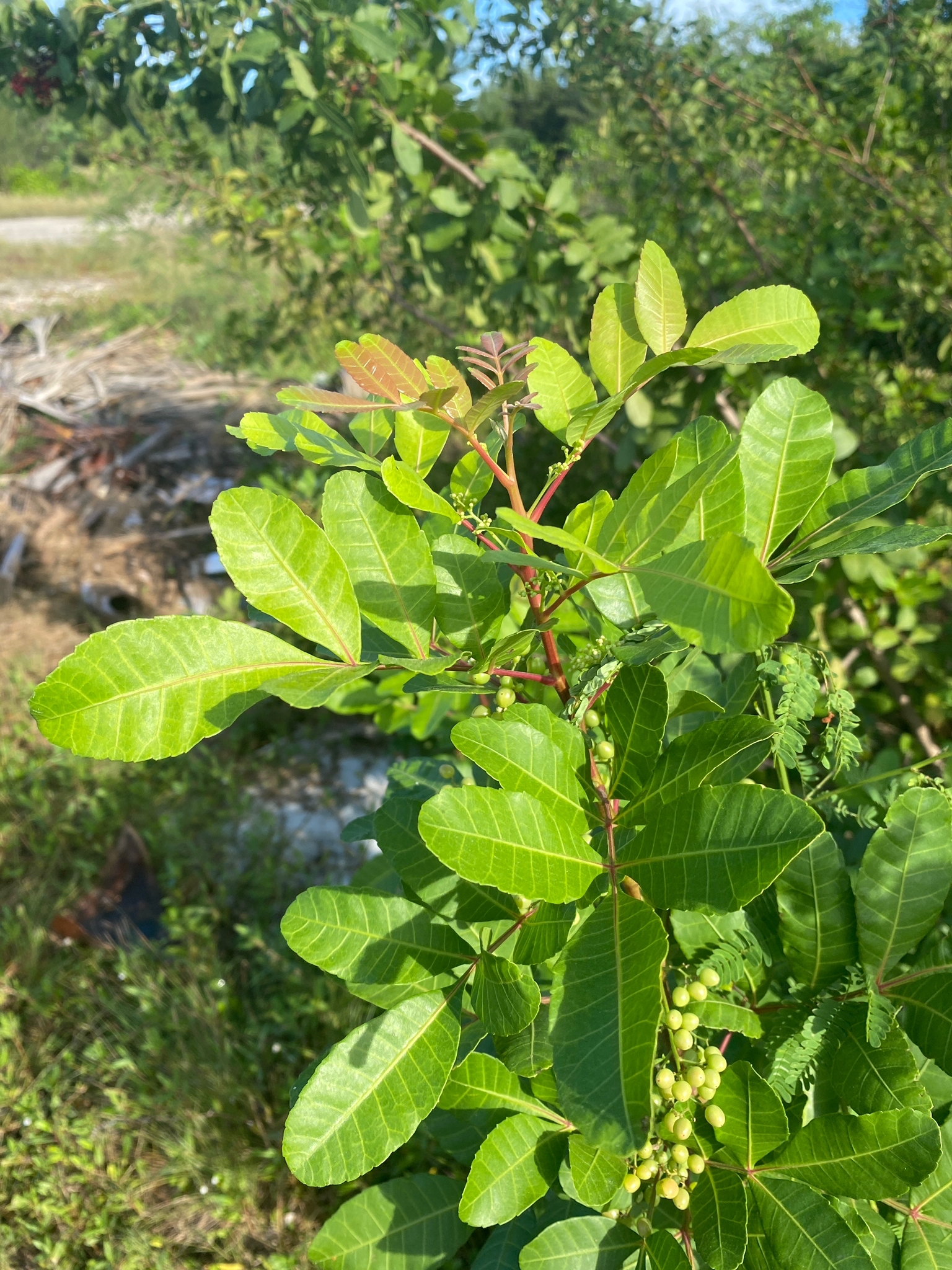
Department research officers recently discovered the plot of the Brazilian peppertrees in Newlands and treated them to kill their root systems, the DoE said.
If you suspect a plant might be a Brazilian peppertree, email [email protected] with location and photographs or call 949-8469 to report.
They have been marked with caution tape to alert members of the public not to get close to this potent and harmful plant.
“Brazilian Pepper can grow in most environments, but thrives in disturbed areas where water collects, like canals, drainage ditches, ponds, walking paths and road sides, and is often confused with mangrove and buttonwood. It can be identified by the compound leaf pattern and the distinct flowers and berries that turn from green to red. These berries do attract birds, which aids in wide seed dispersal,” the DoE said.
The tree has also been a problem in the US.
The US National Invasive Species Information Center, part of the US Department of Agriculture, shared a History and Ecology in North America report from the North American Invasive Species Management Association on the plant and its harmful impacts.
Invasive danger to flora
The report stated that the Brazilian peppertree was intentionally introduced to Florida in the 1800s as an ornamental plant and became naturalised there in the 1950s.
“It was also introduced to Hawai’i as an ornamental plant in the early 1900s and was used in reforestation, but it was observed spreading naturally and becoming invasive by 1940. In addition to Florida and Hawai’i, this species has been recorded in Georgia, Alabama, Texas, and California,” the association said in its report.
The Brazilian peppertree, it said, “displaces native plant species, reduces density and species diversity of native bird populations, reduces nesting sites for native tortoises, and alters fire regimes. Its sap can cause contact dermatitis and inflammation in sensitive individuals, and its fruits reportedly sometimes have paralyzing effects on birds, humans, and grazing animals upon ingestion.”
The plant is an evergreen shrub or small tree typically growing 10–23 feet (3–7 metres) tall.
“The sprawling branches and typically short trunk have gray bark. The leaves are pinnately compound [divided into smaller leaflets] and give off a strong turpentine odor when crushed. Male and female flowers usually appear on separate plants. Both flowers are tiny and white and appear in large, clustered inflorescences. Each female flower produces a single dark red, berry-like fruit,” it added.
Related Videos