

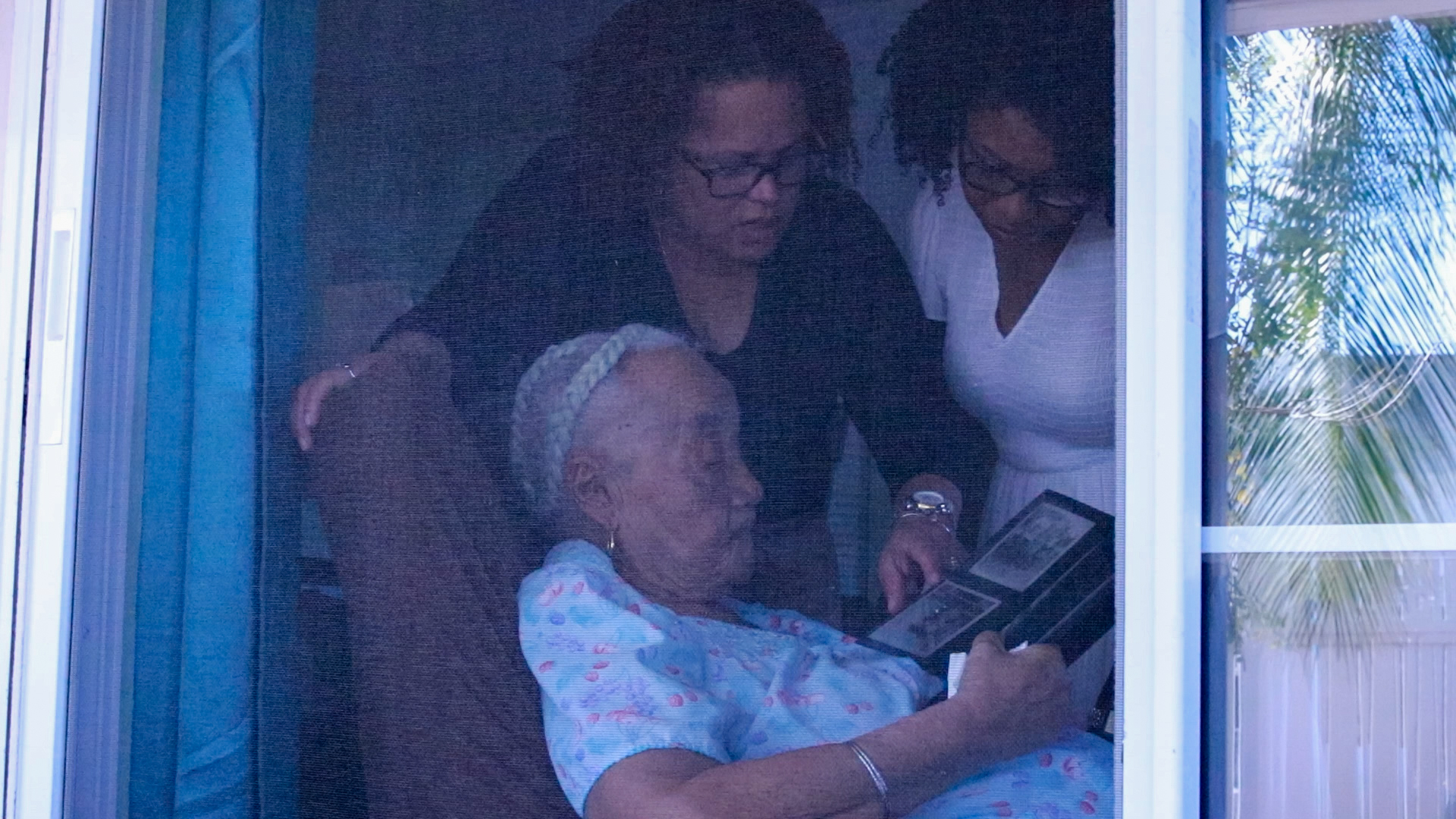
Having lived through nearly 100 winters, Dorothy Clarke’s now frost-coloured hair no longer glistens with the same jet-black lustre as it did three-quarters of a century ago. Her hearing and mobility are slowly going, but her eyesight and memory are as sharp as ever.
At the ripe old age of 96, Clarke spends her Saturdays enjoying a privilege few people get, which is to be surrounded by her children, her grandchildren and her great-grandchildren.
Born in Cayman but raised in Cuba, Clarke’s lineage is one that perfectly encapsulates the history between the two places.
In this, our fourth and final chapter of the Cuban-Cayman Connection, we explore the highly contentious social and economic issues which continue to plague both islands. It is a debate that left members of Clarke’s own family divided, with some relatives wanting to help while others question to what extent they could assist without putting themselves in peril.
Changing times
Clarke was born in 1927 to her Caymanian mother and Jamaican father in West Bay, in a patch of the bush of what is now Birch Tree Hill. At that time, opportunities and resources were scarce throughout the islands.
The turtling and roping industries were the country’s bread and butter and its inhabitants, like Clarke’s parents, had to venture to foreign lands across distant seas to make a living for themselves and their families.
“I grew up in the Isle of Pines, that’s where I spent my entire life,” said Clarke.
That’s also where she met her husband, a Jamaican man who also moved to Cuba in search of better opportunities. By then, it was the mid-1950’s and Cuba was the envy of the Caribbean. Its thriving agriculture and tourism industries attracted visitors and investors from around the world.
Now, nearly 70 years later, the shoe is on the other foot, Cuba’s economy has stagnated, its poverty-stricken people are being politically oppressed, and many are now fleeing to Cayman in search of refuge.
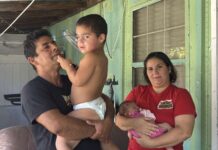
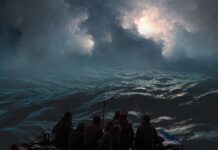
“When I see people braving the seas and the Pan-American jungles, trying to find a better life, I can relate because I was there for 16 years,” said Nidia Sanchez Gordon. “I went through the hunger, I went through the power outages, I went through the lack of medication.”
Sanchez Gordon is one of Clarke’s granddaughters, and although it has been nearly 30 years since she endured the hardships that came with Cuba’s collapsing economy, her memories are still vivid.
But much like the contentious discussion that has divided Cayman’s wider community about accepting refugees, a similar divide has occurred within Clarke’s family.
“I am a ‘West Baya’ to the bone,” said Yorkidia Rodriguez, who is Sanchez Gordon’s younger cousin and who was also born in Cuba but migrated to Cayman at the age of 6.
“From the Cayman Islands’ perspective, Caymanians are humble people… loving people, we can’t see the struggle and just walk by,” she said. “We are going to always want to help but at the same time there is only so much we can do.
“Change needs to happen and I just believe it needs to start there in Cuba.”
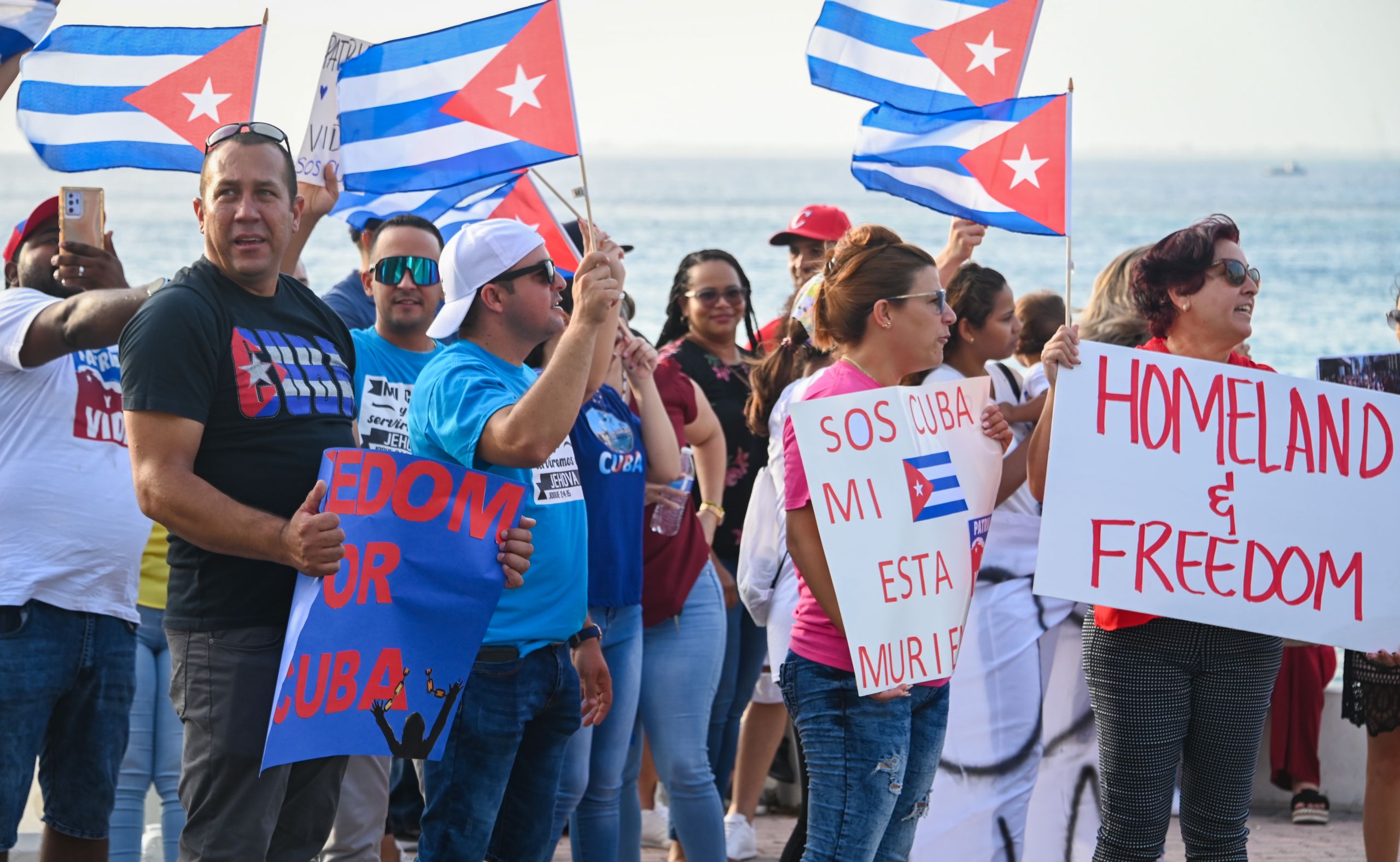
On 11 July 2022, thousands of people took to the streets in Cuba demanding a change, and while the protests were largely peaceful, they were swiftly quashed by the communist government.
Sanchez Gordon said, “1,200 people are in jail today from those protests, others are either missing or dead.”
Short of political interference, which neither Cayman’s people nor its government would ever contemplate, let alone attempt, there is no other way to bring about a swift change to the many woes plaguing Cuba – a fact Sanchez Gordon accepts and says leaves only one other way to enact change.
“I tell it to people all the time; do not go to Cuba to visit, do not stay in their hotels because that is how you are funding the communist dictatorship which uses that money to oppress its people,” she said.
Cuba’s secretive foreign policy approach makes it difficult to garner data on the true state of its economy. However, several websites, including Statista, estimate that Cuba’s tourism sector contributed US$8 billion in 2021.
A new outlook?
While Cubans continue to fight for their freedoms in their homeland, those fortunate enough to have been granted the right to live in Cayman are calling on the community to re-evaluate how they view Cuban-Caymanians, whether multi-generational or newly minted.
“We want the people of Cayman to not see us as an enemy, but as members of the community who want to contribute and give back to them,” Anai Bertran who arrived in Cayman in 2016.
“I want the people of Cayman to understand that we are not here to steal your opportunities to work, or that we want to bring down your economy, or we just want to get free benefits,” said Bertran, who could only find work as a bartender when she first arrived, but has now completed her law studies in Cayman.
After unsuccessfully applying for asylum, Bertram withdrew her appeal after marrying her Caymanian partner and giving birth to their child.
As the mother of a Cuban-Caymanian child, she is weary of the stigmas that continue to spread throughout the community.
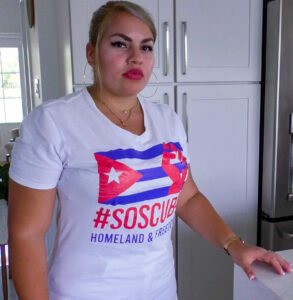
“We are thankful to be here with you guys, and we just want to make this island much better… we lived for more than 63 years thinking that the free thing was the solution, but we don’t want that; we want to work and get our own things,” she said.
It is a view that is shared by Amaury Rodriguez, a former sniper of the Cuban Armed Forces, who says he fled the country after he was caught exposing state secrets and orchestrating student protests.
“When I was first put into the community [in Cayman], they put an ankle monitor on my foot and everywhere I went people were afraid of me because they would say I was a criminal,” said Rodriguez, who now makes a modest living as a carpenter.
While speaking with Cayman Compass, several of the Cubans have expressed the fear and anguish they have felt after being demonised on social media and accused of thefts, burglaries and an assortment of other criminal activities.
“These things are just simply not true, and people want to spread these rumours to divide the community and to make Cubans look bad,” said Sanchez Gordon.
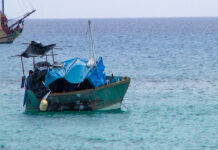
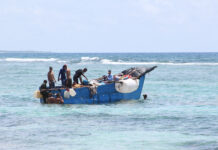
Until the Cuban crisis has been addressed, Cuban refugees will continue to arrive on our shores for the foreseeable future.
While there is little that the average person can do to provide actual physical relief, there is one thing that everyone can do and that is to be empathetic, the Cubans say.
“I admire how this community believes in Jesus, but sometimes I get disappointed,” said Bertran. “How are you going to say you believe in Jesus, and Jesus is love, but when you see your brother in a situation you [don’t] give your hand?
“God says he doesn’t know you.”
Related Videos







Interesting story. May God continue to protect and bless the PEOPLE of Cuba, despite the Cuban government’s self-inflicted economic damage, and impacts of the inconsistent and hypocritical US Embargo.
Let’s not forget our nieghbours who have helped Cayman to progress from “the Islands that time forgot” to a bustling “pearl of the Caribbean” that we now are.
History often repeats itself, so let’s “pay it forward” by now helping others and showing gratitude for our current prosperity.
Cuba is a good source of labout/workers, and we should explore options for leveraging this area of mutual humanitarian cooperation and economic benefit.