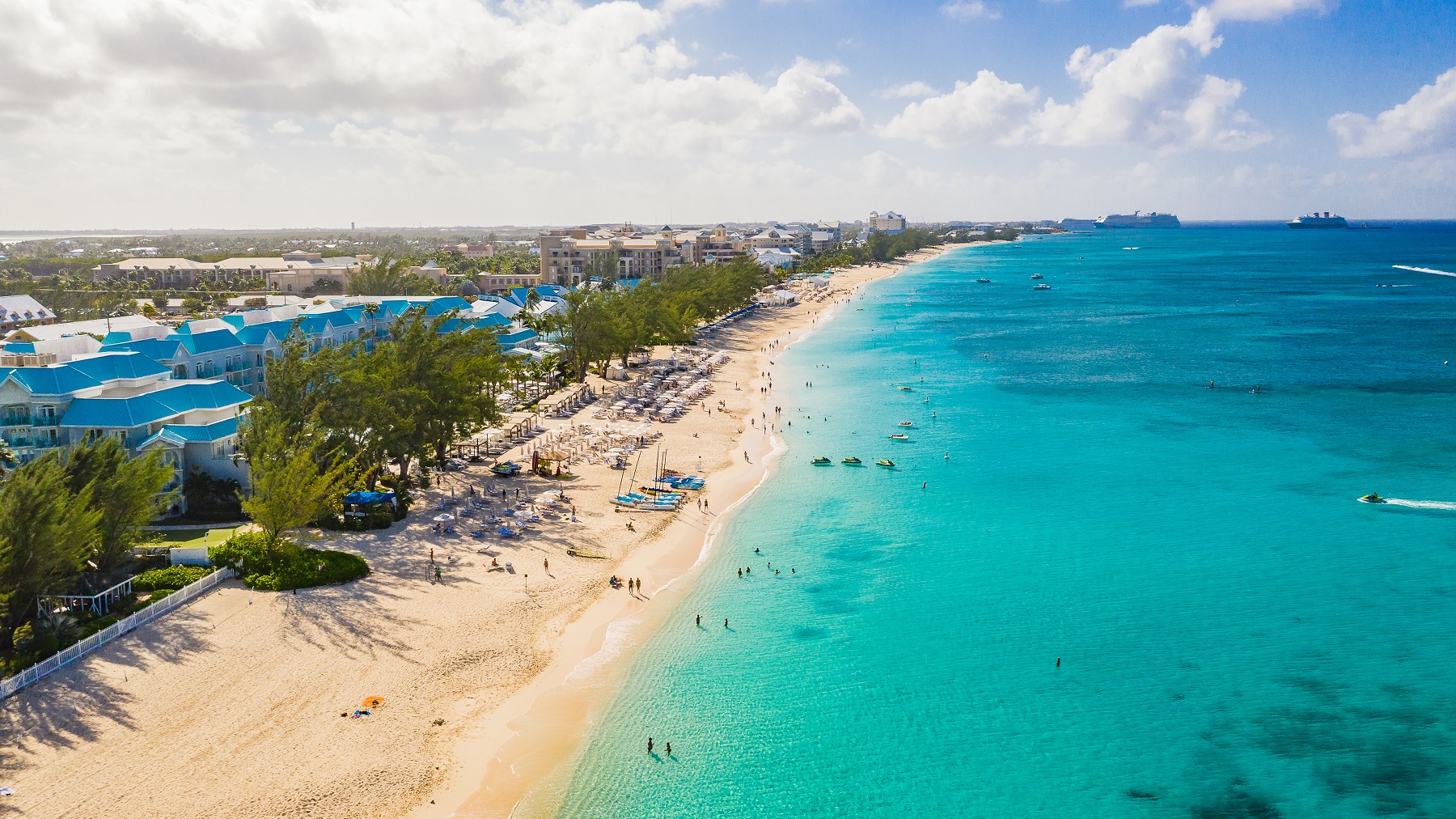
Local tourism leaders say, with Cayman’s post-COVID recovery moving in the right direction, focus must now shift to next steps for the industry which means formalising a tourism development plan.
Cayman Islands Tourism Association president Troy Leacock, speaking on the Cayman Compass Facebook talkshow ‘The Resh Hour’ on Wednesday, said discussions on strategic tourism development need to happen sooner rather than later.
“I think, to be honest, we’re still operating in silos. So we’ve got the Department of Tourism or the Ministry of Tourism that are working very hard to achieve certain things, and then individual businesses are working very hard to get their businesses back on sound footing.
“But in terms of sitting down as a collective and saying strategically, ‘Let’s look at a tourism development plan’, that certainly isn’t happening across industry and government,” he said.
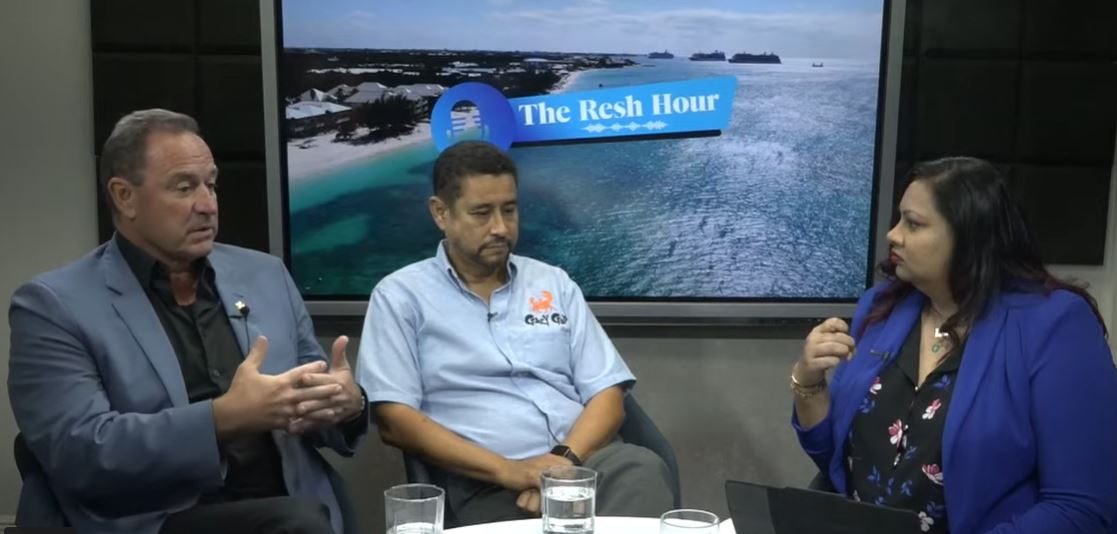
Ritz-Carlton general manager Marc Langevin, who appeared together with Leacock on the show, pointed out that the business model has changed within the industry.
With the government’s Strategic Policy Statement, which outlines the islands’ medium-term economic and financial forecasts, set to be delivered soon, both men say they would like to see formal commitment feature in the government’s road map for its next two years.
Planning needed for way forward
Many businesses, they both said, reduced capacity and increased rates after the borders reopened.
“What we’re actually finding is that it’s almost a better model than saying, ‘Let’s blow capacity wide open’, which requires us to have… a lot of employees. We’ve managed our reopening in a conservative way and it’s really indicating that perhaps we could have a little bit of a different shape to some of our tourism business going forward,” Leacock said.
He said while there are discussions at government level, those within the tourism industry are not at the table to give input during those conversations.
“Do we have to go back to the 500,000 [stayover tourists]? Do we have to go back to the 2 million cruise visitors? Or is there actually a better way? And now that we finally just kind of reopened… let’s think about what do we want next season to be?” Leacock said.
This, he said, ties in with the way Cayman is being managed overall, from construction and planning to infrastructure and traffic.
He added that Cayman has to work on managing its growth and development and not be led by market forces.
Langevin contended that with the reopening, Cayman’s mission was not necessarily strategic, but was more about getting back to a level “where we can sustain ourselves, where our employees can get back to work and get a paycheque”.
“We’re in a position where we certainly are confident, but, moving forward, we cannot just keep on trying to go back to what it was before. It has to be something different and we have to make that decision of what… we want our business to be in the future,” he said.
Leacock said Cayman has yet to finish a full year of unrestricted travel; however, small businesses are looking for direction on whether capacity should be built back to pre-COVID levels.
There has been a level of “revenge travel”, Langevin added, where people were travelling to get back the two years lost to pandemic-related restrictions.
He noted that Cayman can continue to charge a premium price for its products and services as long as the quality is maintained. “Our service has been able to [be maintained] and we are delivering at the level where we are charging, because it’s one thing to charge high prices, but do you deserve it?” he said.
He added, “If we want to keep on evolving, we also have to look at reinvesting into our service, our training, our product, because if not, we will erode over time.”
Training, education needed
Langevin said there must be a greater effort to train Caymanians who are interested in hospitality careers as there are many job opportunities on island.
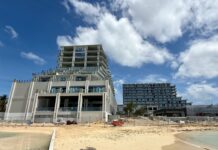
With four hotels slated to open over the next couple of years, he questioned what efforts were being made to train or upskill young Caymanians to take the 1,000 to 2,000 jobs projected to come online when those properties begin operations.
“What are we doing as far as education to prepare the younger generation to actually satisfy the need?” he said.
The industry is happy to go back to business, but Cayman cannot “just ignore the future right now”, he added.
Leacock pointed out there are not enough Caymanians to fill the jobs in the local market.
“It’s not about pay and it’s not even really about training. The reality is you just don’t have the supply of labour amongst the native Cayman population… If you’re going to build four hotels, if you’re going to bring on 20 more restaurants, if you’re going to bring on three more water-sports operators, you’re going to have to import labour to staff those businesses,” he said.
This, he said, brings the discussion back to Cayman’s need for an overall development plan rather than reacting to market forces.
Related Videos