

A $1.5 million plan to erect a three-mile floating mesh barrier off Little Cayman has been proposed as a ‘pilot project’ for fighting the impacts of sargassum on all three islands.
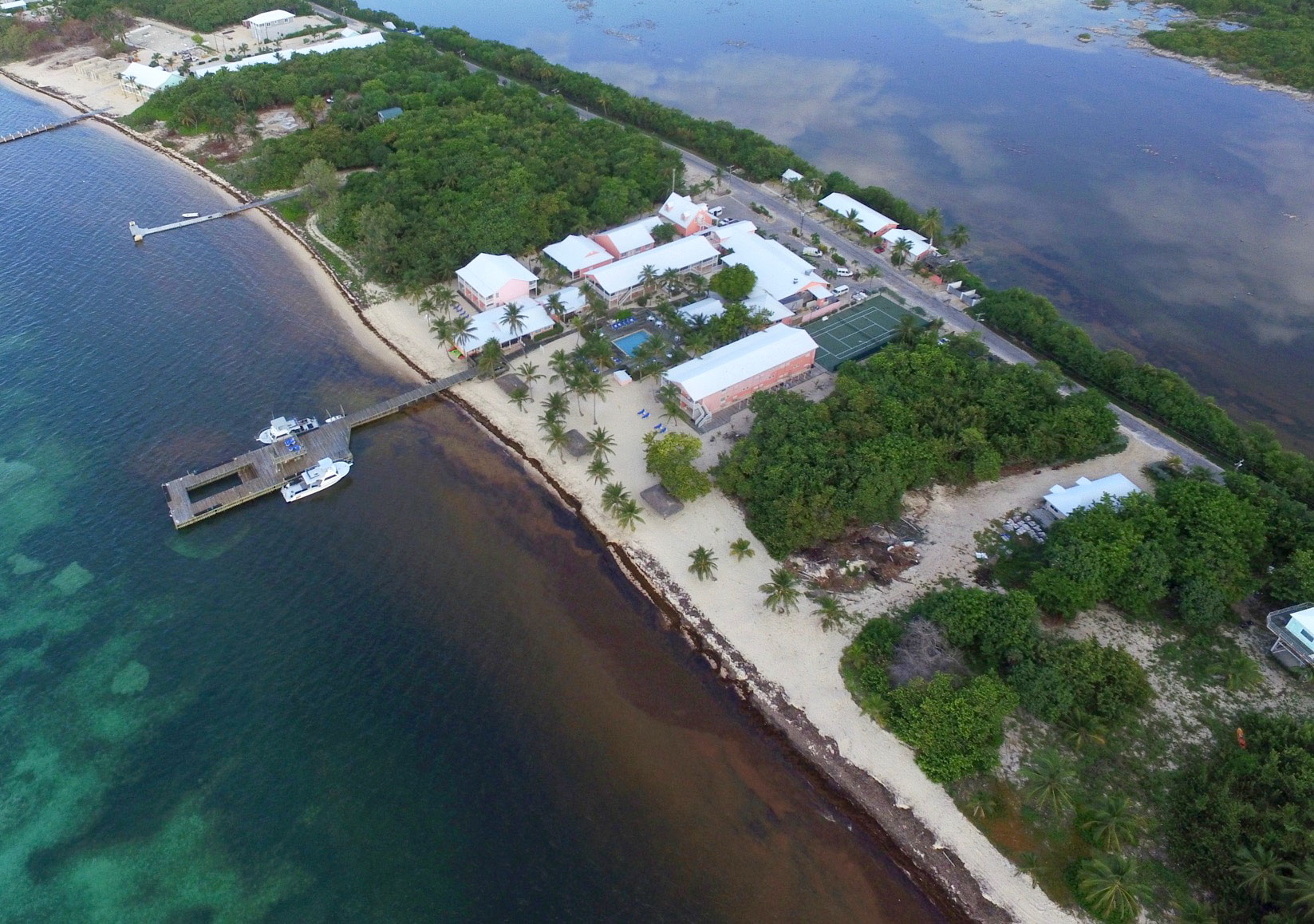
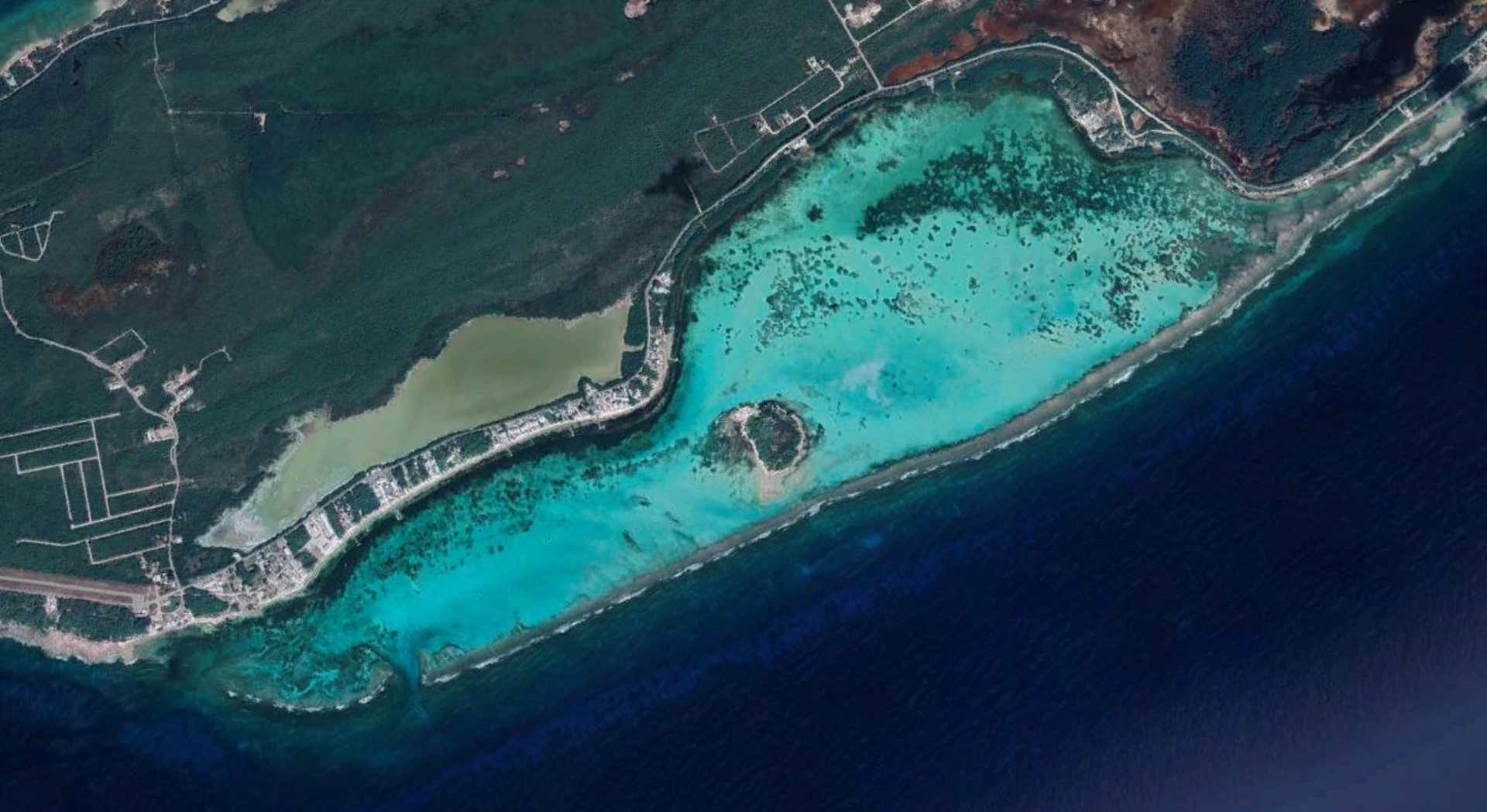
Resort owners want to deploy the barrier system across the entrance to South Sound Hole to hold the floating mats of brown seaweed at bay.
They want government to work with them to help fund the purchase and installation of the system, which they believe would protect key tourist beaches and docks in Little Cayman and safeguard the island’s economy and environment.
Once proven, they believe the same technology could be used in parts of Grand Cayman where sargassum has become a seasonal menace, potentially including South Sound and East End.
Michael Tibbetts of Cayman Brac Beach Resort and Peter Hillenbrand of the Southern Cross Club are leading the charge and have met with Department of Environment officials to present the concept.
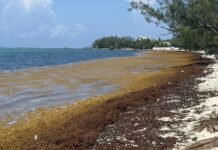
Tibbetts said sargassum had become a huge problem over the past five years, clogging beaches, causing erosion and impacting turtle nesting.
“Just like we have to prepare for hurricane season, we now have to prepare for sargassum season,” he said.
“It definitely has a negative impact on guest experience and on the environment.”
At times, he said, the foul-smelling weed stretched across more than 100 feet of shoreline in Little Cayman’s resort area.
The barrier would hold the sargassum at the edge of the sound until winds and currents sweep it back out to sea, according to a presentation produced by the Little Cayman resort owners.
Search for solutions
Tibbetts said he had scoured the Caribbean to find effective, practical solutions, before proposing the mesh barrier system – a specifically designed technology deployed in parts of Mexico and Dominican Republic, among other areas.
Jake Kheel, VP for sustainability at Grupo Punta Cana resorts in the Dominican Republic, has consulted with the Little Cayman resort owners and the DoE over possible solutions.
He said resorts in the Dominican Republic had been experimenting with different methods to fight an escalating challenge with sargassum since 2011.
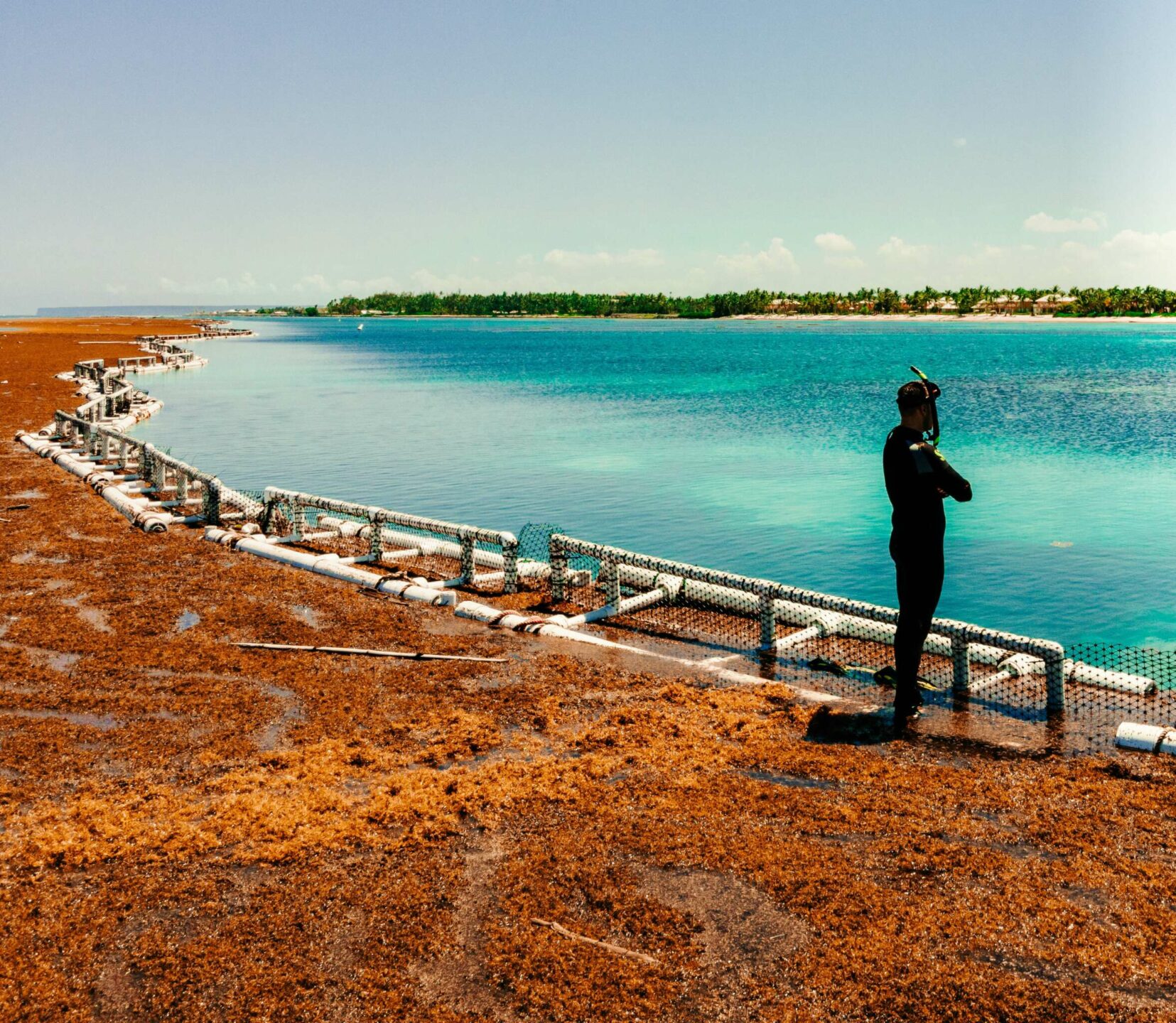
Now estimated at 5,000 miles across, wider than the United States and visible from space, the so-called Great Atlantic Sargassum belt has become a fact of life for Caribbean resorts.
The seaweed becomes a problem when it washes ashore, spoiling picture postcard beaches and the economies of resort towns that rely in them.
Facing potential ruin, Kheel said his resort, which has a research foundation attached attached, had effectively become a hub of experimentation. They tried cleaning beaches, collecting the sargassum in the water using boats and deploying in-water oil booms, among other methods. But the sargassum kept on coming.
Kheel said the mesh barriers, specifically developed as sargassum screens by a Danish company, had proven most effective. The barriers extend to around three feet below the surface.
“Right now, we have close to 6 kilometres of contiguous barrier floating offshore at our resort,” said Kheel. “At four of our best beaches, we have a secondary line of barriers.”
Further research is ongoing into collecting the seaweed and converting it to economic uses – for example, compost or biogas. But he said the first priority was to keep it off the beaches.
“Many governments are years behind over the scale of the problem and have not got around to figuring out what to do or how to pay for it,” he added.
Tibbetts said he would like to see government partner with resort owners in a public-private initiative to test the technology. He believes it could be funded through the government’s Environmental Protection Fund as a test case that could be deployed in other areas.
“There is no perfect solution,” Tibbetts said, “but we think this is the best option for Little Cayman and something that could be used in other parts of the island.”
Related Videos









What happened to the 20 million to fix SMB