
Cayman Islands officials are in France today to plead the case for the territory to be removed from a ‘grey list’ of countries under increased scrutiny for failing to do enough to fight money laundering and terrorism financing.
The Paris summit is a major milestone for the islands following a massive national effort to satisfy the Financial Action Task Force that Cayman is doing its part to stop the flow of dirty cash through the global financial system.
So far, Cayman, which has invested significant time, effort and money to enhance its network of regulators and investigators, including setting up a new police unit focusing on cross-border money laundering, has satisfied 62 out of 63 recommendations from the task force.
The final piece of the picture is demonstrating sufficient prosecutions and sentencing of money laundering cases – in line with the risk profile of an active offshore financial centre.
Financial Services Minister André Ebanks, Attorney General Samuel Bulgin and head of the anti-money laundering unit Francis Arana, are participating in talks with FATF technocrats and European Union leaders at the Paris plenary this week.

An indication of whether Cayman has done enough to be removed from the list — considered crucial to the long term success of the islands’ economy – is expected Friday, though the process of delisting is likely to take longer and involve a further on-island inspection.
Money laundering convictions
The verdict rests to some extent on whether global regulators are satisfied that the eight-year sentence handed down to former football official Canover Watson on fraud and money laundering charges, is sufficient evidence that the Cayman Islands has bulked up its efforts to investigate, catch and prosecute crooks in complex cross-border cases.
The Watson case is the most significant money laundering trial in the jurisdiction since the islands were placed on the grey list following an assessment in 2019.
Premier Wayne Panton, speaking at the Chamber of Commerce parliamentary luncheon last week, appeared quietly confident ahead of the Paris plenary.
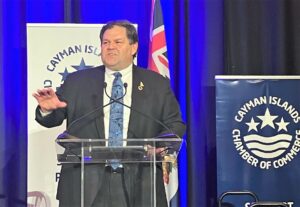
“It is fair to say we have a significant level of optimism,” he said.
“We have worked so hard and contributed so much to addressing the identified issues, that we should be in a good position to be recognised for that work.”
He added that he believed Cayman was “very close” to coming off the FATF ‘enhanced review list’ predicting that would happen by the end of this year.
In a press release, prior to his departure for Europe, Financial Services Minister André Ebanks, who was also meeting with European Union officials, said the conversations were “vital to the Cayman Islands’ ability to participate intelligently and effectively in global regulatory discussions”.
‘Next steps’ threat
At the last plenary session in February, the FATF review team noted that Cayman had taken steps to advance money-laundering prosecutions and to achieve convictions
However, the islands still need to continue their work by demonstrating that all types of money-laundering cases are prosecuted and that “such prosecutions are resulting in the application of dissuasive, effective, and proportionate sanctions”.
An update on Cayman’s progress issued on 24 Feb. stated: “The FATF strongly urges the Cayman Islands to swiftly demonstrate significant progress in completing its action plan by June 2023 or the FATF will consider next steps if there is insufficient progress.”
What is meant by ‘next steps’ is not clear, but industry analysts, globally and locally, agree that it is in Cayman’s best interests to be removed from the list and from the additional scrutiny it brings.
FATF’s ultimate sanction – if it felt Cayman were not compliant – would be blacklisting – a measure currently reserved for rogue states like Iran and North Korea.
That’s not something that is likely for Cayman, which has co-operated fully with the global standards setter, moving swiftly to follow its recommendations.
There are significant consequences, however, to remaining on the grey list.
An International Monetary Fund study indicates that countries on the grey list typically suffer an average net loss of 7% capital flow into their states relative to GDP.
Massive national effort
Elisabeth Lees, an attorney with Claritas Legal specialising in regulatory law and financial crime, said Cayman had avoided that kind of impact, in part, because of the fast action it had taken to meet the FATF recommendations.
Lees previously served as national co-ordinator for government’s Anti Money Laundering Steering Group – a multi-agency effort to address the deficiencies outlined in FATF’s 2019 report.
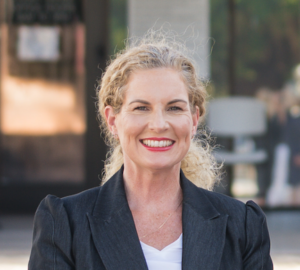
She said introducing an enhanced regulatory regime and demonstrating that it was effective had been rightly recognised as a national priority by the government.
“The amount of resources, dedication and hard work that went into this process was incredible,” she said.
Some industry experts argue that the grey listing process is political and question whether Cayman’s efforts to comply will be rewarded.
But Lees points out that FATF has recognised the action Cayman has taken so far and she believes it is only a matter of time before the final recommendations are fulfilled.
“Money laundering convictions and sentencing is the last and final piece and this is the hardest one for any jurisdiction because to some extent it is out of your hands,” she said.
“These cases are complex, massive, cross-border investigations that can take years to come to trial.”
The time lag between investigations and prosecution and sentencing presents a significant hurdle.
Watson, for example, was arrested in 2017 and was only sentenced earlier this year.
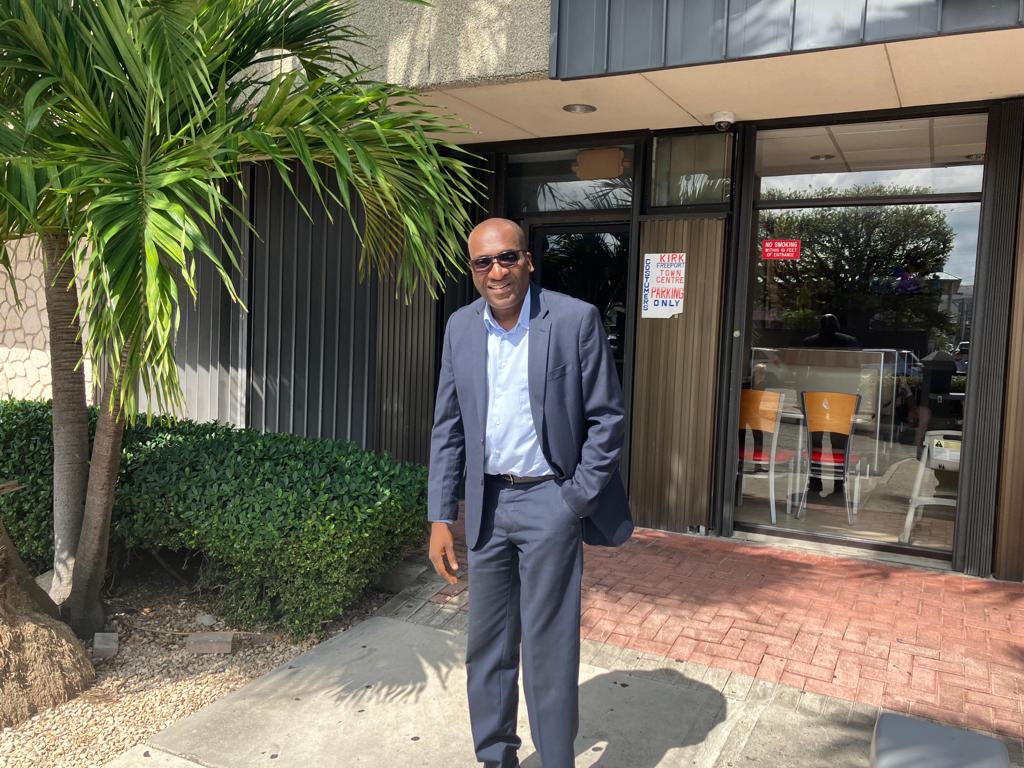
That is not uncommon for money laundering cases, which often involve police forces and regulatory authorities in multiple jurisdictions, says Victoria Templeman, head of the Cayman Islands Bureau of Financial Investigations, established in 2020 with a specific remit to tackle complex multi-jurisdiction cases.
There are 32 money laundering and civil recovery investigations currently under way, but progressing those through charge, trial and sentencing is a multi-year process.
Templeman said the unit’s work – to proactively investigate the movement of illicit funds through the jurisdiction – is essential to safeguarding Cayman’s economic interests. While the victim and perpetrator are – in many cases – not based on island, she said demonstrating that the financial system was well-regulated was important to Cayman’s wellbeing.
“It’s a matter of national security,” she said, citing potentially catastrophic consequences for the economy of being frozen out of the global financial community, including the loss of correspondent banking.
Lees agrees that Cayman’s investment in protecting its reputation as a place that does not tolerate or turn a blind eye to global financial crime will prove to be worthwhile, whether Cayman comes off the grey list this week or further down the line.
“What we are basically saying is that if you try to launder money through the Cayman Islands we will find you, you will be investigated and, where the evidential test is met, prosecuted. That can only enhance our reputation.”
Related Videos