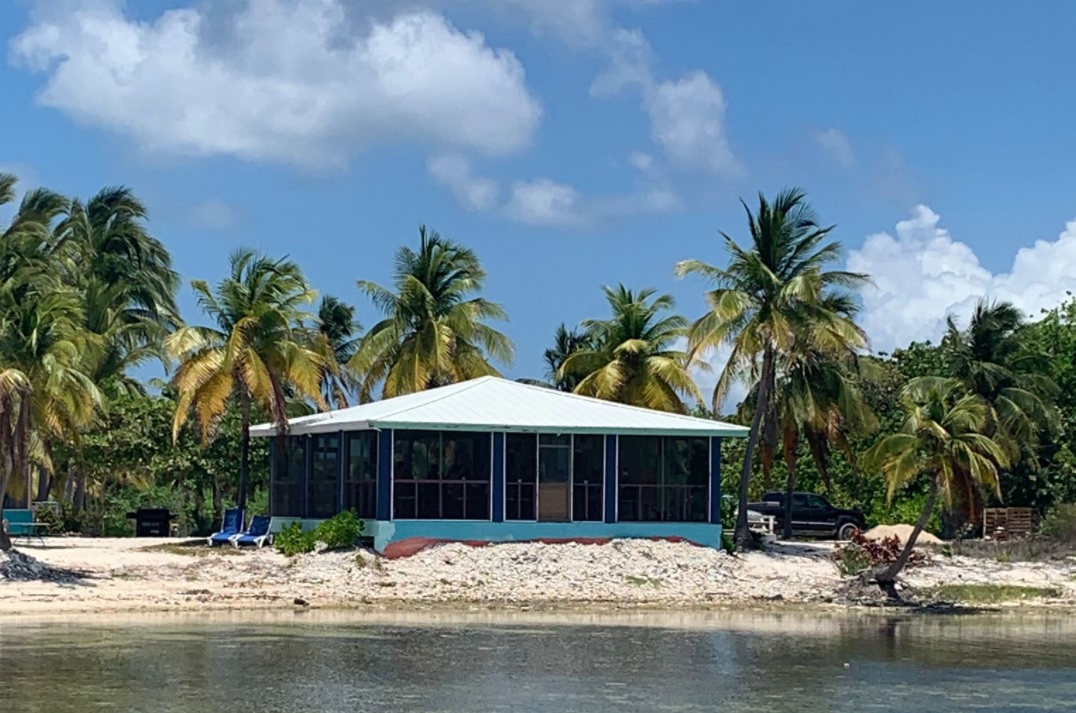
The planning board for the Sister Islands has approved, for the second time, an application by Peppercorn Investments for a $35 million resort to be built at Kingston Bight on Little Cayman, at the site where the same developer had been refused permission last year to build overwater bungalows.
Originally, the developers had applied for permission to build the bungalows over the lagoon off the southern end of the island, as well as land-based accommodation and facilities. They then split their application into two, requesting the Development Control Board consider the on-land application separately.
The board, in February last year, approved that application. However, eight months later, that decision was quashed by the Planning Appeals Tribunal, which ruled that the Development Control Board had not outlined in detail how it had come to its decision to approve the application, and sent the matter back to the board for consideration.
Meanwhile, Cabinet last year rejected Peppercorn’s coastal works licence application to erect the controversial overwater element – putting an end to plans to build a 450-foot-long dock along which the developer sought to build 19 one-bedroom bungalows.
According to the recently released minutes of a 6 March meeting at which the application was heard, the Development Control Board granted permission to the company, owned by Matthew Wight, Naul Bodden and Bill Maines, to go ahead with the land-side part of the project.
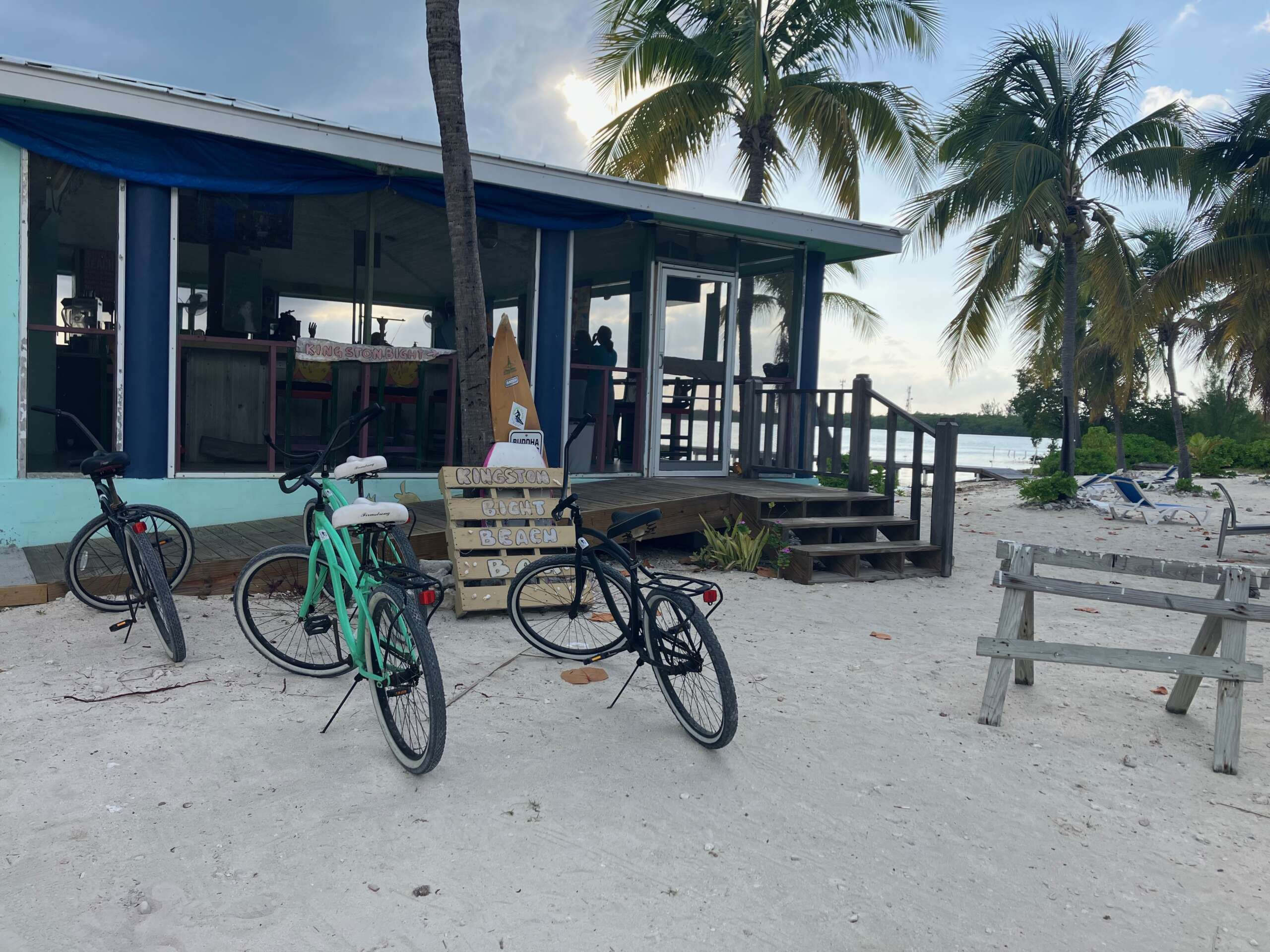
The plans for the 42-bedroom development, on what is currently the site of the Kingston Bight beach bar, include 12 two-bedroom units and six three-bedroom units, styled in the manner of two- and three-storey Caymanian houses, as well as a restaurant, wellness spa, beach bar, pavilions and huts, and seven pools.
The developers say it will operate as a four- or five-star “boutique hotel”.
The minutes, the release of which had been delayed for several months, state that architect John Doak, speaking on behalf of the applicants, noted that the developers shared concerns of Little Cayman residents about the “scale and massing of development” on the island, and said the project would have “minimal impact” on the environment.
The structures would have elevated pillars, with the floor height being seven to eight feet above mean sea level.
“Mr. Doak stated that his clients want to promote investment in Little Cayman while preserving the environment,” the minutes noted.
There was one objector to the application, neighbour Daphne Berger, who was represented by legal counsel Kate McClymont at the 6 March hearing.
McClymont argued that as the original application had included the overwater bungalow element of the project, the entire application should be resubmitted for consideration to the board, and residents should be given another chance to lodge objections, as many, she said, believed the entire project had been shelved after Cabinet refused the coastal works licence.
She asked for the matter to be adjourned and that the developers re-advertise their planning permission application. She told the board that such a large development would lead to a “huge change in character” for Little Cayman, and few people on the island wanted to see that.
Berger, who also spoke at the meeting, according to the minutes, said she had been coming to the island since the 1980s, and believed that there was much opposition among local residents to building the hotel on the site, which she described as pristine.
“Why turn everything into a cement pad with pools?” she asked.

In its submission, the Department of Environment had noted that Little Cayman has no development plan to guide the appropriateness of a resort of this size, and that, at 42 bedrooms, this would be among the largest hotels on the island.
The DoE stated that there would likely be “adverse impacts onto socio-economics due to the pressures on the infrastructure of Little Cayman” and questioned whether the development would be sustainable, in terms of airlift, accommodations for staff, and the waste generated.
The DoE also raised concerns about setbacks, saying existing structures at the location are being used as setback precedents, and noting that the Kingston Bight bar on the site is within 12 feet of the high water mark.
“The resulting effect is that the applicant will have a small beach, with the majority of the potential beach area being occupied by hard structures,” the DoE said, and it recommended that buildings be erected as far back from the beach as possible.
The board approved the application, with a list of 14 conditions attached, including all those directed by the DoE.
Those conditions include submitting a revised parking site plan; carrying out a walkover survey to check for iguanas and their nests; that there be no mechanical clearing, heavy equipment, construction work or stockpiling of materials outside the parcel boundaries; submitting a stormwater management plan and a new landscape plan; and applying for a permit from the director of planning.
Five-year window
The planning board stated that the approval for planning will only be active for five years, and will expire in 2028 if construction has not started by then. Construction cannot begin until the conditions laid out by the board have been met.
This time, in response to the Planning Appeals Tribunal’s ruling that its “thought process” and the reasons behind its decision must be clearly stated, the board outlined in detail why it was granting planning permission to the project.
It stated that the application had met all the required typical planning parameters, and was compatible with existing land uses in the immediate area of Kingston Bight. It noted that the Department of Environmental Health and Fire Service had approved the areas that their remits cover.
The board also stated that all the directives and recommendations of the Department of Environment in relation to the application had been considered and made conditions of the approval.
While Berger had referred to septic leakage into the lagoon, causing an algal bloom, in her objection, the board said no evidence of this had been presented.
The board also stated that despite assertions from Berger that the residents of Little Cayman were opposed to the project, hers was the only objection submitted. One earlier objection from another neighbour, relating to sewage concerns about the overwater bungalows, had been withdrawn, the board said.
In response to McClymont’s contention that Peppercorn should submit a new application to the Department of Planning, the board stated there was no requirement under planning legislation or regulations that would compel the developer to issue fresh notices or re-apply for permission.
Concluding its reasoning behind granting planning permission, the board stated that while it noted the DoE’s and the objector’s concerns over the “potential socio-economic effect of the proposed development”, these were not considered to be “relevant planning considerations” under the 1997 Development Plan or current planning regulations, and therefore were not required to be considered by the Development Control Board.
Related Videos