Time is running out for residents with exotic pets to register their animals with the Department of Environment as the 31 Dec. deadline draws closer.
The DoE has issued a public reminder to pet owners to register their animals immediately as permits to allow exceptions to the new Prohibited Species Regulations, for exotic pets already here legally.
Permits may be applied for by 31 Dec., according to the National Conservation Council website. There will be no extension of the deadline.
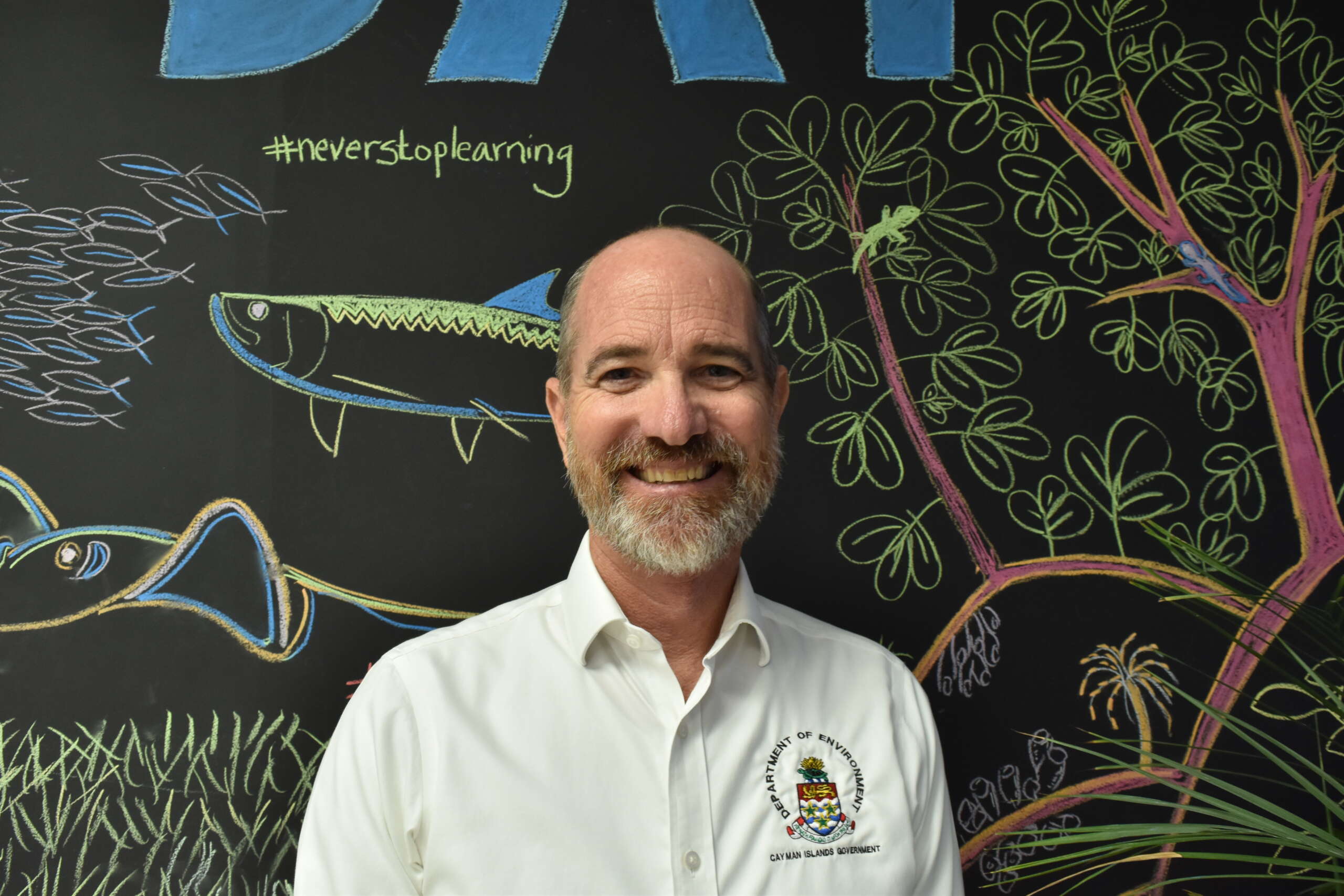
Tim Austin, DoE director of research and assessment, told the Cayman Compass that, following the deadline, “owners of prohibited species, including pets, which remain unpermitted may be subject to investigation under the Alien Species Regulations (2022)”.
According to the NCC, “prohibited species found in contravention of the Regulations, may be seized and subject to sterilisation, export or euthanasia.”
Austin said the 31 Dec. 2023 date provided the better part of a year for public education on the Alien Species Regulations, including prohibited species, and to advise the public on the procedures to register their pet(s) for a permit if needed.
“In 2024 and onwards, owners of prohibited plants or animals should still contact the DoE immediately on 949-8469 or [email protected] to speak to a Terrestrial Officer about next steps,” Austin said.
The DoE, in a previous post on exotic pets, said prohibited species, which are animals and plants that are not native to the Cayman Islands, pose serious enough threats to the islands’ ecosystems and “must be kept under very strict control or prevented from ever getting here”.
“That’s why many animals, like exotic snakes, ferrets and monk parakeets, that are kept as pets in other countries may not be imported into the Cayman Islands,” the DoE said.
Under the National Conservation (Alien Species) Regulations 2022, prohibited species have strict regulations for keeping as pets or “as ornamental plants, breeding, import, export, purchase or sale, and stiff penalties for infractions”.
Prohibited animals include parakeets, non-native snakes, primates and non-native reptiles, among others.
Cats, dogs, guinea pigs, hamsters, rabbits, gerbils and chinchillas are allowed, the DoE has said.
The regulations, which took effect in December 2022, introduced a prohibited species list, and outlined the distinctions between domestic and feral animals.
The prohibited species list outlined in the regulations was, in part, informed by a regional British Overseas Territories invasive species workshop hosted by the Cayman Islands in 2018, the conservation council said.
To apply for a permit or learn more about the process, including how to turn in or report any prohibited species without fear of prosecution, email [email protected].
Related Videos