Even after announcing last week that its shelter was so full it couldn’t take any more animals, the Cayman Islands Humane Society squeezed in a few more over the weekend.
By Monday, the Humane Society had 345 animals in its care – 182 cats and 163 dogs.
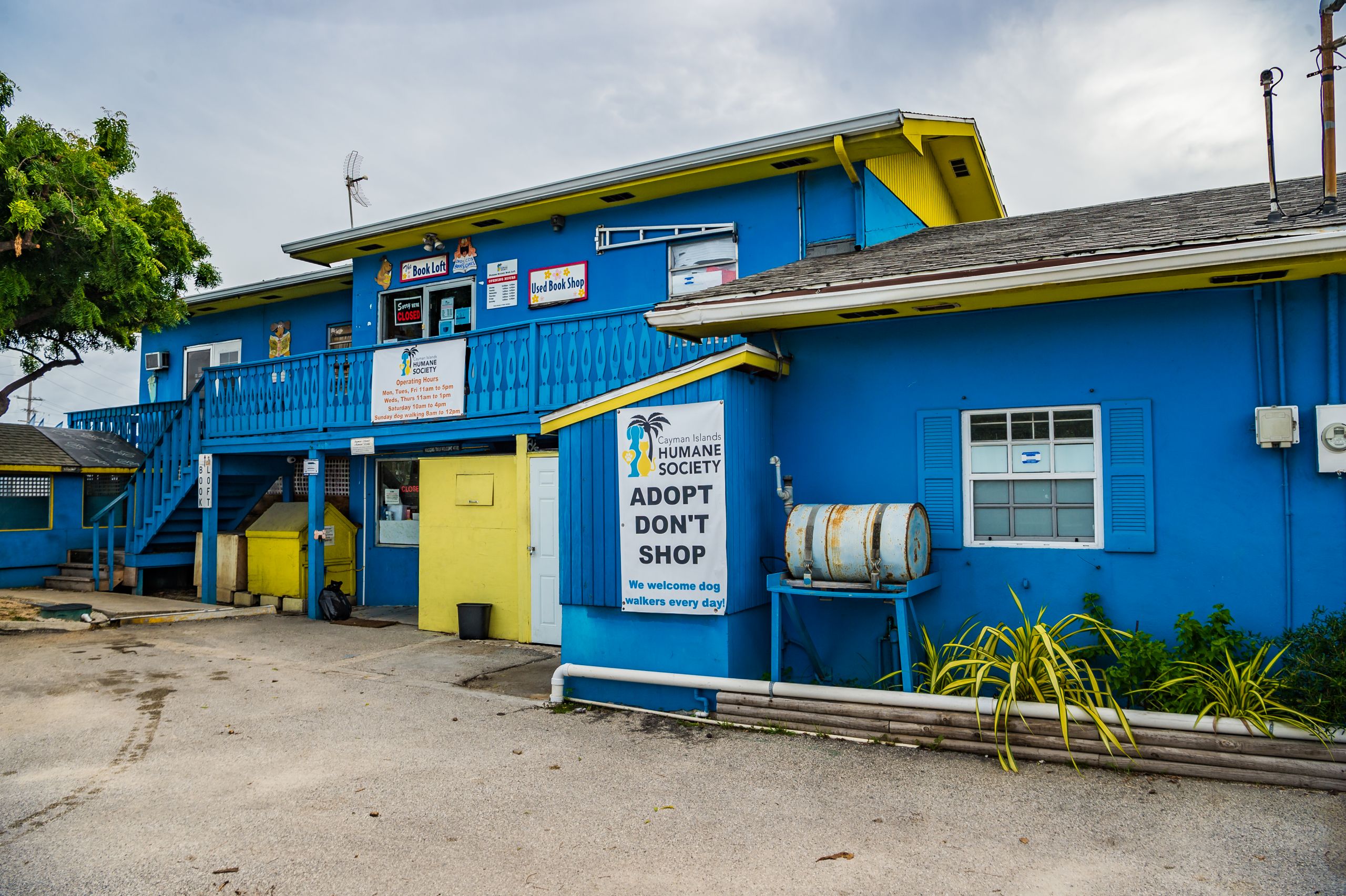
About half of those animals are at its shelter on North Sound Way, with the other half in foster homes, operations manager Samantha Cooper told the Compass. “That is the only way we can manage those numbers. Otherwise, we couldn’t take anything like the number of animals we have,” she said.
Being very full, however, is not an unusual state of affairs for the shelter, but a number of factors is currently affecting the situation – its cat room is closed because of cat flu, and the Department of Agriculture kennels are closed temporarily while construction work on its pound is carried out.
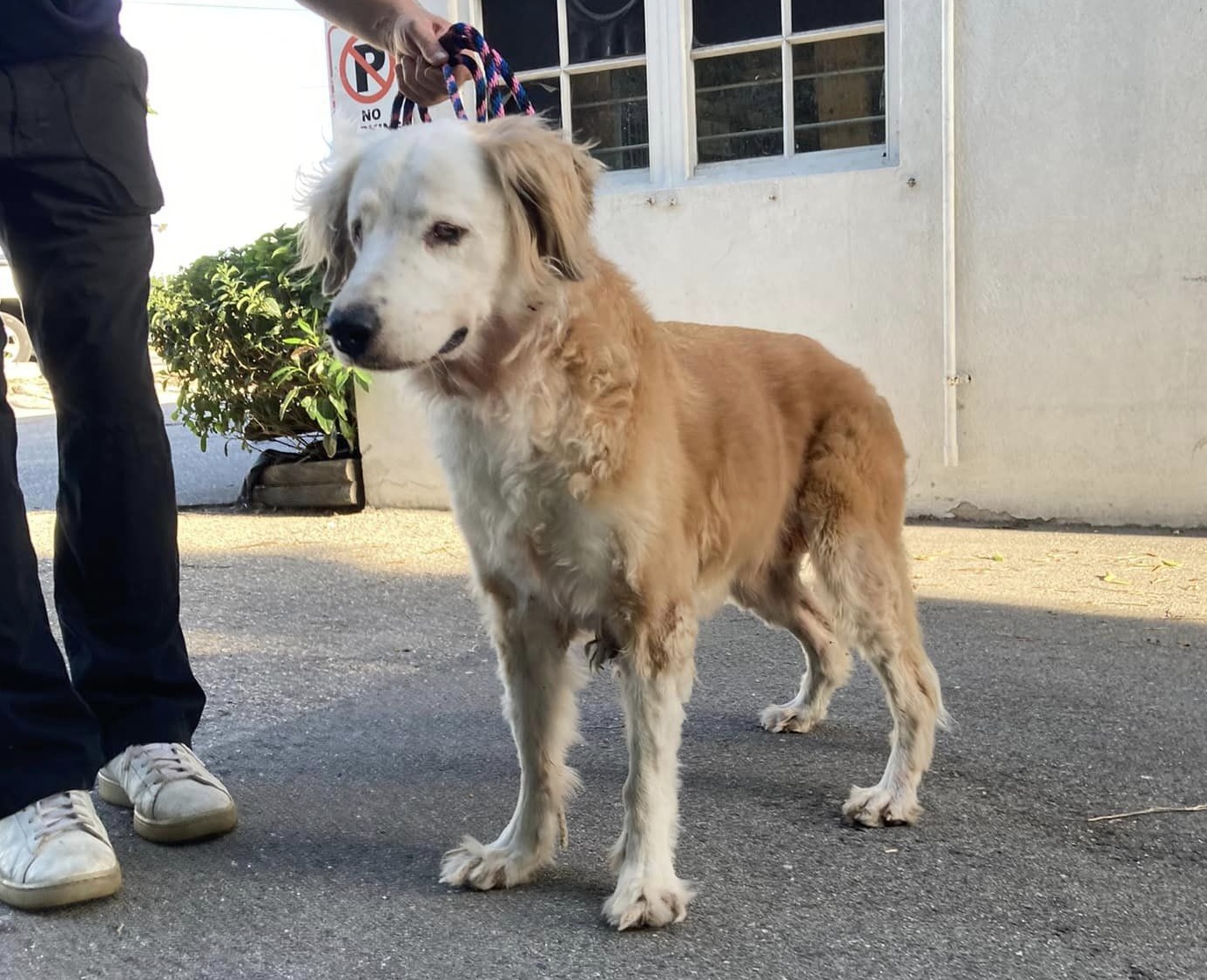
There have also been a number of animals brought to the Humane Society recently in sorry states of neglect and abuse.
“The other day, I put up a post saying we had 339 animals, and could take no more cats or dogs, but cases came forward that were really desperate and we managed to get some more into foster care,” she said.
The shelter is doing all it can to try to ensure that overcrowding of the aging facility does not get to a point where it impacts the welfare of the animals, Cooper explained.
While there are a lot of people on island willing to foster animals, what the animals really need are full-time adoptions.
The Humane Society, when possible, rehomes dogs overseas, but that process has its own hurdles.
“One of the challenges is making the contacts and finding people with enough space,” Cooper said. “All countries have their own animal shelters. In the US, some states have more [shelter] animals than they can cope with, and others don’t have enough. The question is whether they will work with us or with some other states.”
The temporary closure of the cat room during the cat flu outbreak means that people considering adopting or fostering cats don’t get to visit them there and perhaps offer them a home. Cooper says cats that are currently in foster homes, however, are still available for adoption and visits can be arranged by contacting the Humane Society.
She hopes the cat room will be reopened in a week or so.
The closure of the Department of Agriculture kennels while construction work on the pound goes ahead has had a knock-on effect on the shelter, as animals that might have been taken there are ending up at the Humane Society.
A notification on the DoA website reads, “As we enter a new year, the DOA Animal Welfare and Control Unit would like to inform the public that we will be operating with reduced services until further notice. This is due to ongoing construction works at our facility as we strive to improve our pound and provide better care for the animals under our care.”
It notes that necessary upgrades are being done at its facility, including “increased security measures and construction of new kennels”.
Last year, it was announced that the DoA would be adding a cat pound to its facility.
The overcrowding at the Humane Society shelter, which is more than 30 years old, should be alleviated once its new shelter is completed, but that won’t be ready for some time.
Planning approval for the new shelter on a 15-acre plot of land in West Bay was received in March last year.
For more details about how to foster or adopt an animal from the shelter, visit its website.
Related Videos