Speaking freely about mental health can be a challenge for anyone, but especially for young people who are just discovering their voices.
Leaders in the community united on Saturday, 17 Feb. at the seventh annual Youth Mental Health Symposium to consider new perspectives on how best to support Cayman’s youth as they navigate these challenges, and the young people who spoke at the forum urged those in attendance to listen not just that day, but in earnest moving forward.
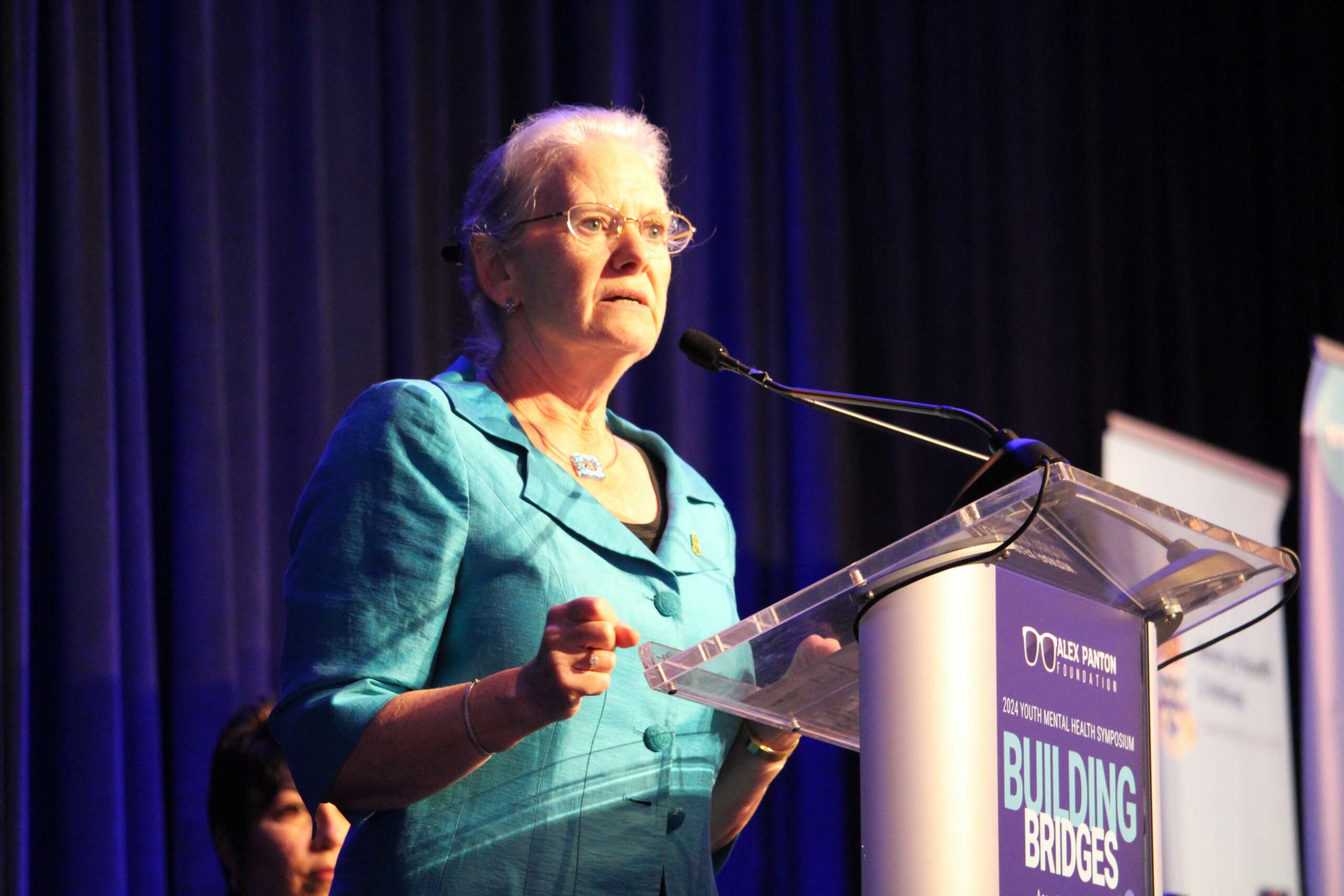
Hosted by the Alex Panton Foundation, the focus of the symposium, held at The Ritz-Carlton, Grand Cayman, was ‘Building Bridges: Acceptance, Belonging, and the Power of Connection’.
Ever since Alex Panton died at age 16 in 2010 while dealing with the effects of severe depression, his family and supporters have been working to improve the resources available to young people.
His mother, Jane Panton, chair of the foundation, thanked guests for their support and urged them to work toward bridging gaps among people in the community, especially the gaps between generations.
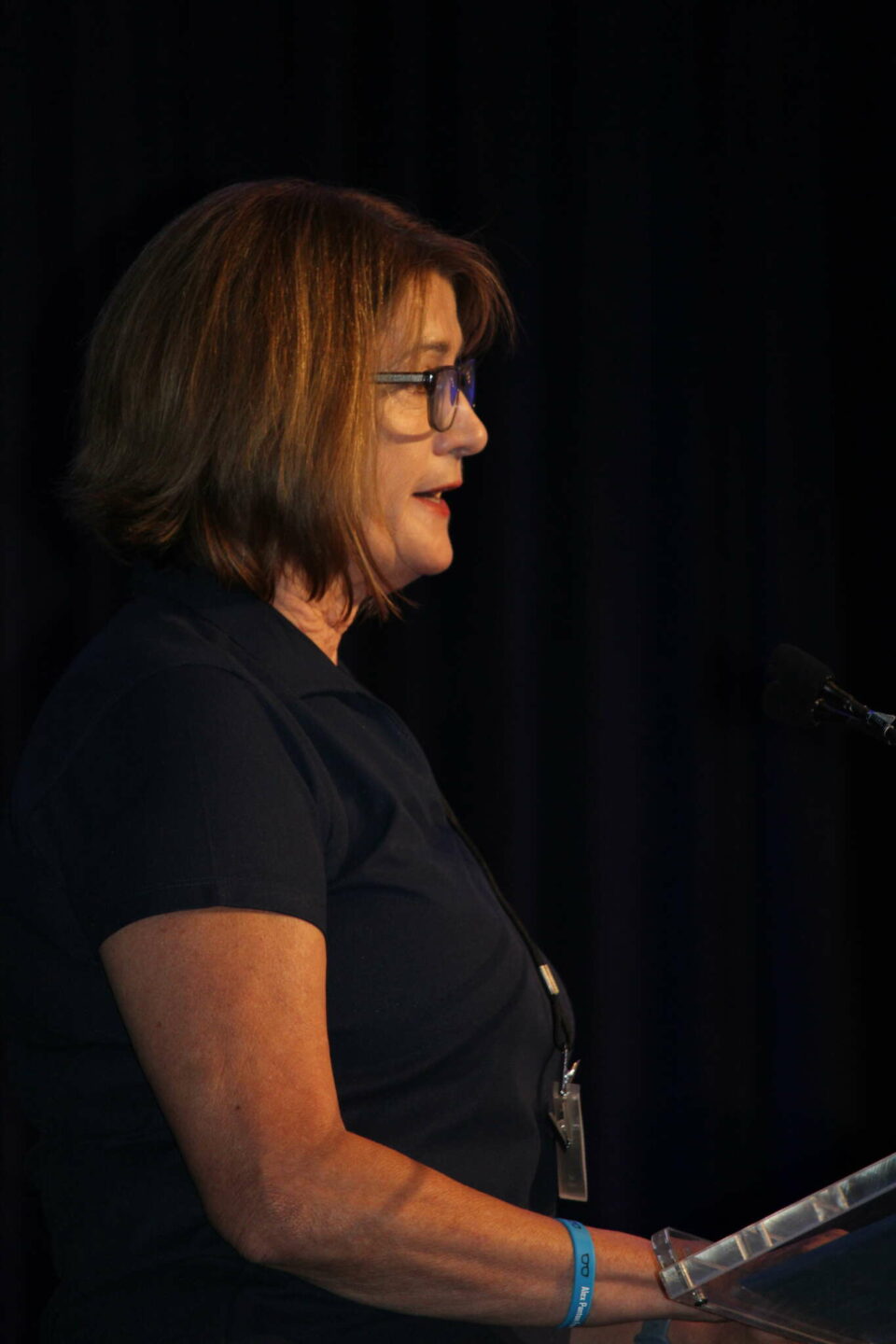
She also thanked Governor Jane Owen who, in her welcome remarks, shared the metaphor of dealing with mental health issues as a small ship alone at sea in a storm – modelled after the reflections of 14-year-old Molly Russell, from the UK, who died by suicide.
“One of the reasons we are here today is that we want to support these little boats in the storm,” Owen said. “That’s why we need the support of the teachers, the friends, the family, the people in sporting organisations, the people doing activities, the people at university, the people in the workplace. We need all of us to come together.”
The governor acknowledged that young people are facing ever-evolving challenges to their mental health, especially compounded by the difficulties caused by the COVID-19 pandemic and economic concerns.
Several of the day’s speakers built on Owen’s metaphor as they delved into topics including the power of connection, mental resilience and emotional regulation.
New resources available
A highlight of the conference was the launch of a new helpline specifically catering to kids.
Starting 7 March, adolescents will be able to contact the Cayman Kids Helpline to reach trained volunteers who can listen, provide a safe space for kids to share their concerns, and guide them to useful resources.
The lines will be staffed from 3-9pm on Thursdays through Sundays.
Emily Kelly, Alex Panton Foundation project manager, noted that the volunteers will undergo rigorous training but are not a replacement for licensed professionals who can provide therapy. The helpline will be anonymous, she said, unless a caller is in immediate crisis, in which case they will contact first responders to provide aid.
To any adults needing similar support, she encouraged them to utilise CayMind’s services at 1-800-534-6463.
Outside of the main conference room, at least 20 groups and organisations presented materials about the services they offer to the community.
Attendees also celebrated the first year of operation of Alex’s Place, an adolescent mental health hub. The centre, located at the front of the Cayman Islands Hospital after the atrium, accepts walk-ins and referrals for young people aged 10 to 20 needing support.
Dr. Tonya Holder, a consultant psychiatrist with the Cayman Islands Health Services Authority, said such resources are imperative given what teens face.
She said one-in-seven adolescents aged 10 to 19 experience a mental disorder, according to global statistics from November 2021 provided by the World Health Organization. She said depression, anxiety and behavioural disorders are some of the leading causes of illness among that age group, and suicide is the fourth leading cause of death for ages 15 to 19.
Holder said teens are particularly vulnerable to such things as discrimination, stigma and risk-taking behaviours.
Speakers also highlighted the importance of offering the latest, high-quality emotional literacy programmes in schools throughout the Cayman Islands.
Helping build resilience
Throughout the day, speakers offered insights into how families can help ensure their children have the tools they need to face what life throws at them.
Psychologist Shannon Seymour, with The Wellness Centre, explained the ways the physical formation of the brain is impacted by neglect or abuse during a child’s formative years.
Providing for children and helping them grow in a safe environment is imperative to supporting their lifelong mental health. She said research shows children aren’t really able to self-regulate their emotions until they are about 3½-to-4 years old.
Speakers pointed out that supporting young people’s mental health isn’t necessarily about trying to prevent children from ever being challenged. In fact, Seymour said “good stress” like being tasked with learning new subjects in school can aid in development. However, “toxic stress”, like that caused by neglect, has the opposite effect.
“It’s up to us as a community to make sure that all young people have the kinds of nurturing experiences they need for positive development, to build better futures,” she said.
Renee Howell, marketing, communication and fund development manager with Inclusion Cayman, shared her own journey with multiple sclerosis and childhood abuse, saying it is vital to show young people that acceptance begins within.
“Having a disability does not define my worth or my place in this world,” she said, encouraging young people to recognise their own value.
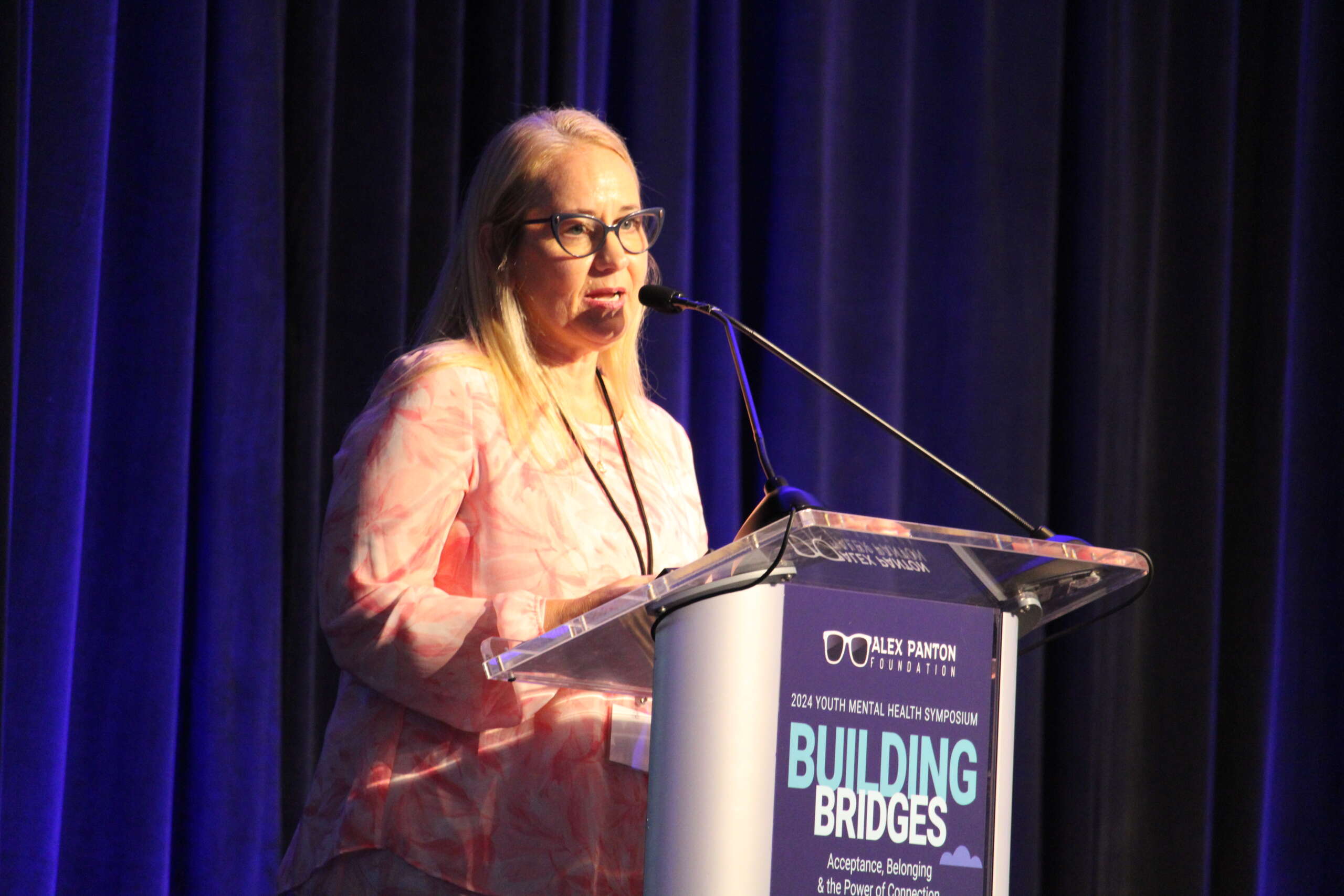
Howell said she hopes adolescents learn to recognise that their individual differences are not weaknesses, but doorways to finding genuine connections with other people.
Making themselves heard
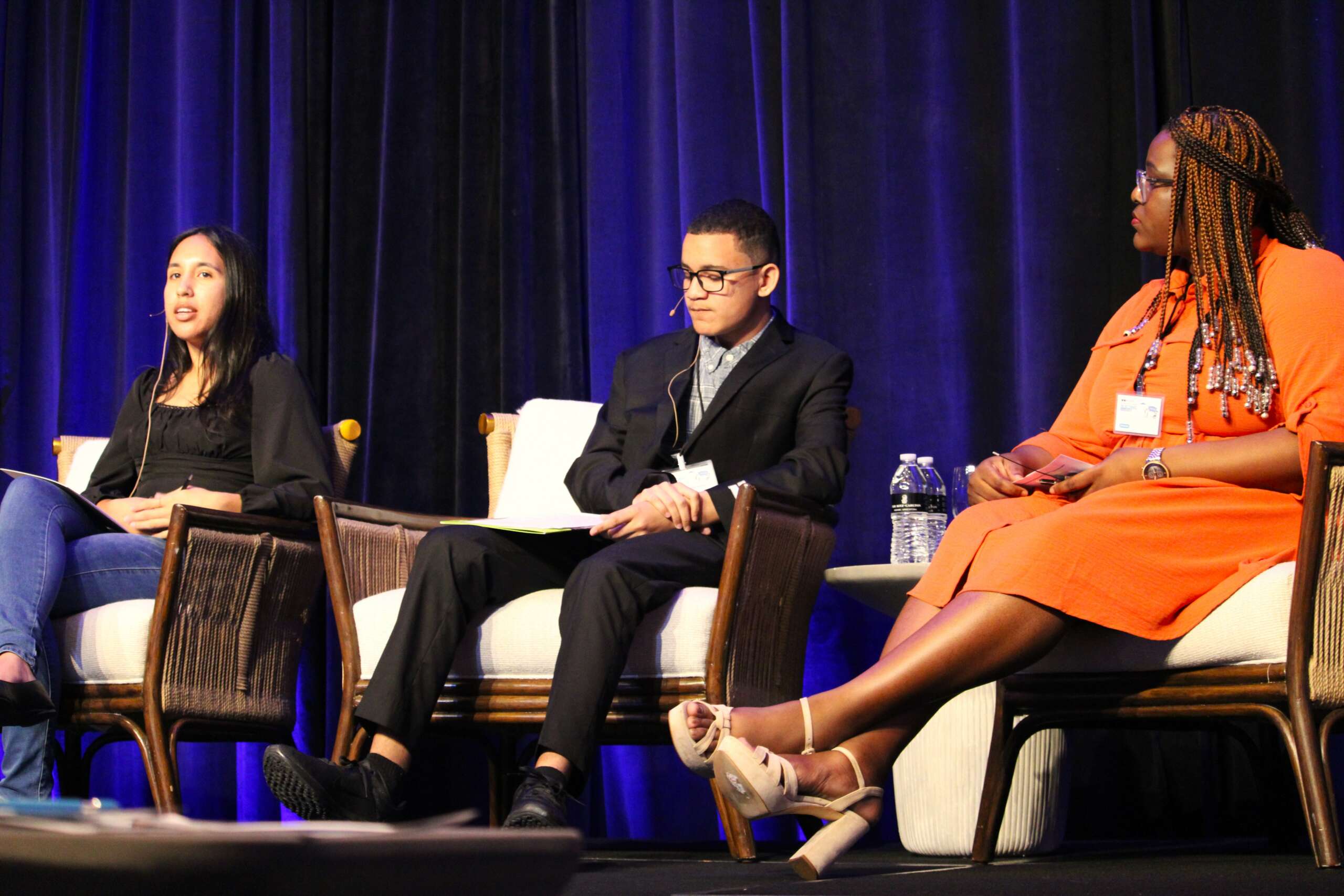
Taking a moment to hear directly from young people, the symposium welcomed three youth ambassadors to a panel on leading the way forward.
Panellists Amorya Crawford, Jerrin Reynolds-Velasquez and Monina Thompson expounded upon their plans to take an active role in talking about the needs of young people in the community, and they encouraged their peers to do the same.
Reynolds-Velasquez highlighted his plans to pursue a career in politics, speaking up for those who need support.
But Crawford urged the leaders in the room to take meaningful action now, rather than letting young people’s well-thought-out feedback fall to the wayside after the photo op.
“I definitely do think that it’s never too late to change that,” she said. “They can definitely improve on creating those opportunities for the youth.”
Mental health resources
If you, or others you know, are struggling with issues similar to those raised by this article, there are resources available to help.
- In an emergency, call 911.
- Mental Health Helpline. Call 1-800-534-6463 (MIND) Monday to Friday, 9am to 5pm. The helpline was established during the pandemic to provide support.
- The Alex Panton Foundation. The nonprofit facilitates support groups and offers resources on grief. For information about support services, email [email protected] or visit alexpantonfound.ky/resources.
- Alex’s Place. Offers walk-ins and referrals to adolescents ages 10-20. Located in the Cayman Islands Hospital or call 244-7856 or 949-8600.
- Department of Children and Family Services. For non-critical services provided by the department, email [email protected] or call 949-0290 in Grand Cayman and 948-2331 in Cayman Brac, Monday to Friday, 8:30am to 5pm.
- The Cayman Islands Crisis Centre. The charity provides support to all victims of domestic violence. Call the 24/7 crisis helpline at 943-2422, and kids’ helpline at 649-5437.
- There are a number of private health care providers offering counselling and support, such as Infinite Mindcare and The Wellness Centre.
Related Videos