

A chronic lack of housing and employment opportunities for inmates coming out of prison is contributing to a revolving door syndrome at HMP Northward.
Several former inmates cited those issues among a long list of challenges as they seek a second chance in Cayman after serving time inside.
The issue is made worse by capacity constraints at the islands’ two halfway houses for male prisoners, according to non-profits that operate those facilities.
Phillip Ebanks, who spent most of his adult life in prison after being jailed for murder at 17, is getting by selling art work as he looked for more stable employment, while on conditional release.
He spoke to the Compass about his challenges being accepted back into society, saying “I am in the community, but I am still not free.”
Another former prisoner, Eric, who asked that we not use his real name, said he was facing similar struggles after a spell in prison for drugs offences.
“I am fairly educated, I just made a mistake and now I am struggling to get back as part of society,” said the inmate, who is now on conditional release and living at a halfway house.
“I know I am not the only one struggling,” he added.
Those stories are borne out by a new government report which warns that failure to provide proper support to people coming out of prison is contributing to them falling back into crime.
The report from Cayman’s Conditional Release Board, made public after being tabled in Parliament, describes housing for former prisoners as “inadequate”.
“The continued paucity of residential support facilities for prisoners reaching the end of their sentences is a matter of particular concern to the Board, and whilst the charitable sector continues to perform invaluable work in this regard, overall provision remains inadequate,” wrote board chairman Nicholas Dunne.
He said a continued failure to address “the serious question of how to achieve successful re-integration upon release only encourages recidivism, to the detriment of the community at large”.
Full house
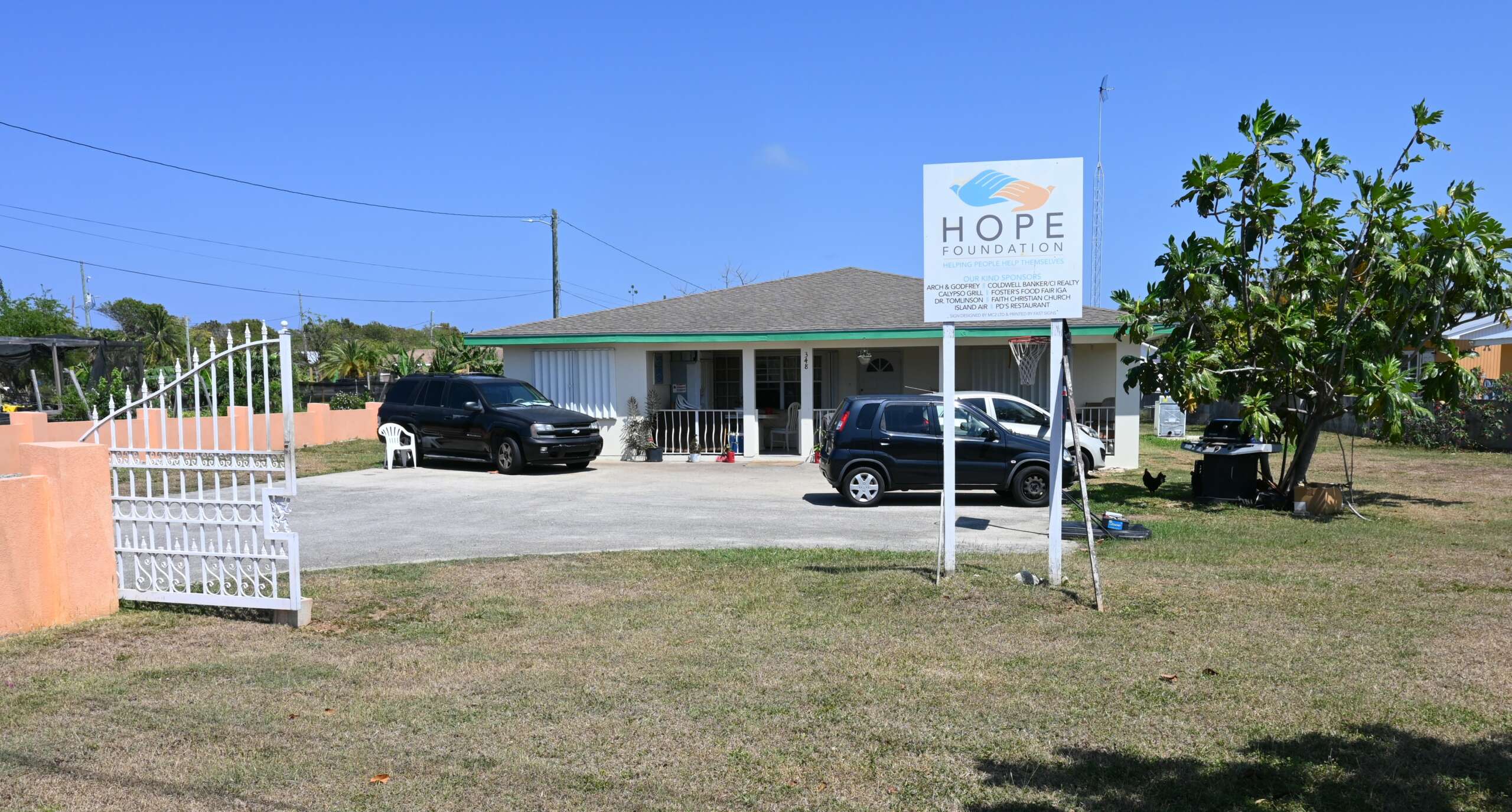
Eric, who was released on 31 Jan., said he had to join a waiting list before he could find a spot at Hope for Today Foundation.
Though he is grateful he now has a bed, he said he is worried for others in need.
“There’s only 10 beds here, and the population is a lot higher than 10 people. So if you had another foundation like this, then yeah, more people could get help,” he said, adding that many reformed inmates feel like there is no place for them in society.
He said, while there are businesses that given former inmates chances, the jobs on offer are minimum wage or in the construction industry.
“There are plenty of young Caymanians that would rather work than be on the road, run up and down. There needs to be a way for them to find employment or even the training to get employment, because it doesn’t make sense just to have some minimum wage job that doesn’t really help anything. If they can learn to actually make a career, it’s better for them,” Eric said.
Second halfway house needed
Brent Hydes, Hope for Today operations manager, said the lack of capacity at the halfway house continues to be a concern.
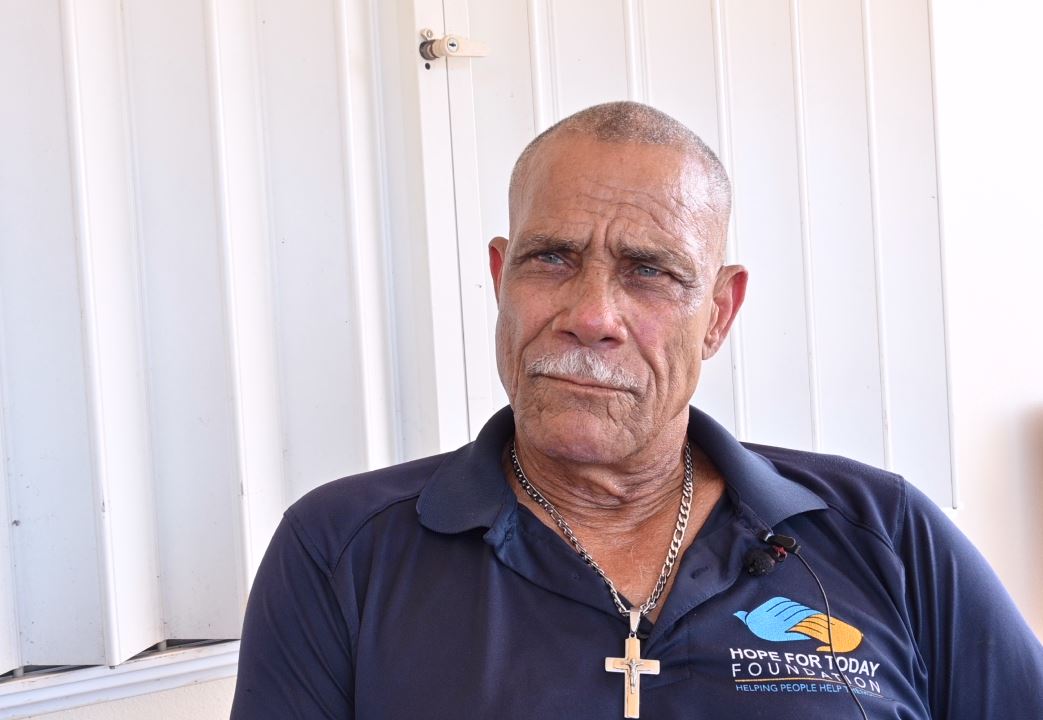
A second facility is desperately needed, he said, pointing out that reformed inmates are toggling for space between his facility and the Bridge Foundation.
“Hope for Today Foundation and the Bridge Foundation have provided a refuge. Now we could build on those two refuges that we have established,” he said, adding that both organisations could manage a second home.
“[T]hese are conversations that we need to sit down and have with our government ministers,” he said.
Hydes says there is government support for organisations like his because local leaders have recognised there is a serious problem in the community that needs addressing.
Like Dunne, he said support networks upon release are needed for those who are dealing with addiction while trying to get back on track.
However, Hydes questioned whether it is worth government providing a safe place for them to live on their own when they are still active addicts.
“The balance is something that we really have to look at. I mean, how can you expect government to provide you with a place to live when you’re still in active addiction, because then the place… becomes another crack house,” Hydes said.
The Hope For Today Foundation board has reviewed the space at the West Bay facility and decided to look into swapping the existing 10 queen beds for singles, he said, which will open up space for several more individuals seeking recovery.
“This is a big property and it’s a huge house. There’s a possibility for us to hold 16 people at this house real comfortably… The foundation is brainstorming a way with [our partner] Tomlinson Furniture to have them order some single beds for us,” he said.
However, Hydes said this will only offer a temporary fix in the absence of additional halfway facilities.
“There is a shortage of homes for individuals that may be in the court system, struggling particularly with mental health issues. The Department of [Community] Rehabilitation are struggling to find good quality housing for these individuals,” he added.
All-round support
Hydes said he is hoping that the new Poinciana long-term mental health facility will offer an option of space for these individuals.
The Conditional Release Board also pointed to the need for additional support for the released prisoners who are still battling mental health and addiction issues.
“We believe that proper investment in rehabilitative programmes, focused measures to combat the extremely high incidence of drug usage in custody, and increased post-release support, are not only desirable, but an essential element of any coherent and effective crime reduction strategy.,” Dunne said.
“A renewed commitment to tackle the root causes of offending can, in our view, only be to the collective benefit of the entire Cayman Islands community.”
Hydes said without that support some released inmates will reoffend.
However, he added that dealing with the problem is incumbent not only on government, but also on the individuals themselves to make a change and work their way back into the community.
“This takes persistence, and you have to be patient,” he said, adding that building a solid foundation of recovery is key to achieving real integration.
Eric said he is staying focused on his recovery and therapy sessions, but soon he will seek employment.
He is hoping that more employers will be open to accepting individuals, like him, trying to make the best of their second chance.
Hydes also shared a message with those dealing with addiction: “No matter what, stay focused on the journey of recovery. Trust the process of it and all good things would follow. One day at a time, stay clean and I believe that once you’re clean, you have a chance. Don’t stop, as we say in recovery, before the miracle happens.”
Painting the way ahead
Conditional release inmate Phillip Ebanks, who is going through his own recovery journey at Hope for Today, has turned to his childhood passion of painting for therapy and, now, a means to earn a living while he waits for employment and reintegration.
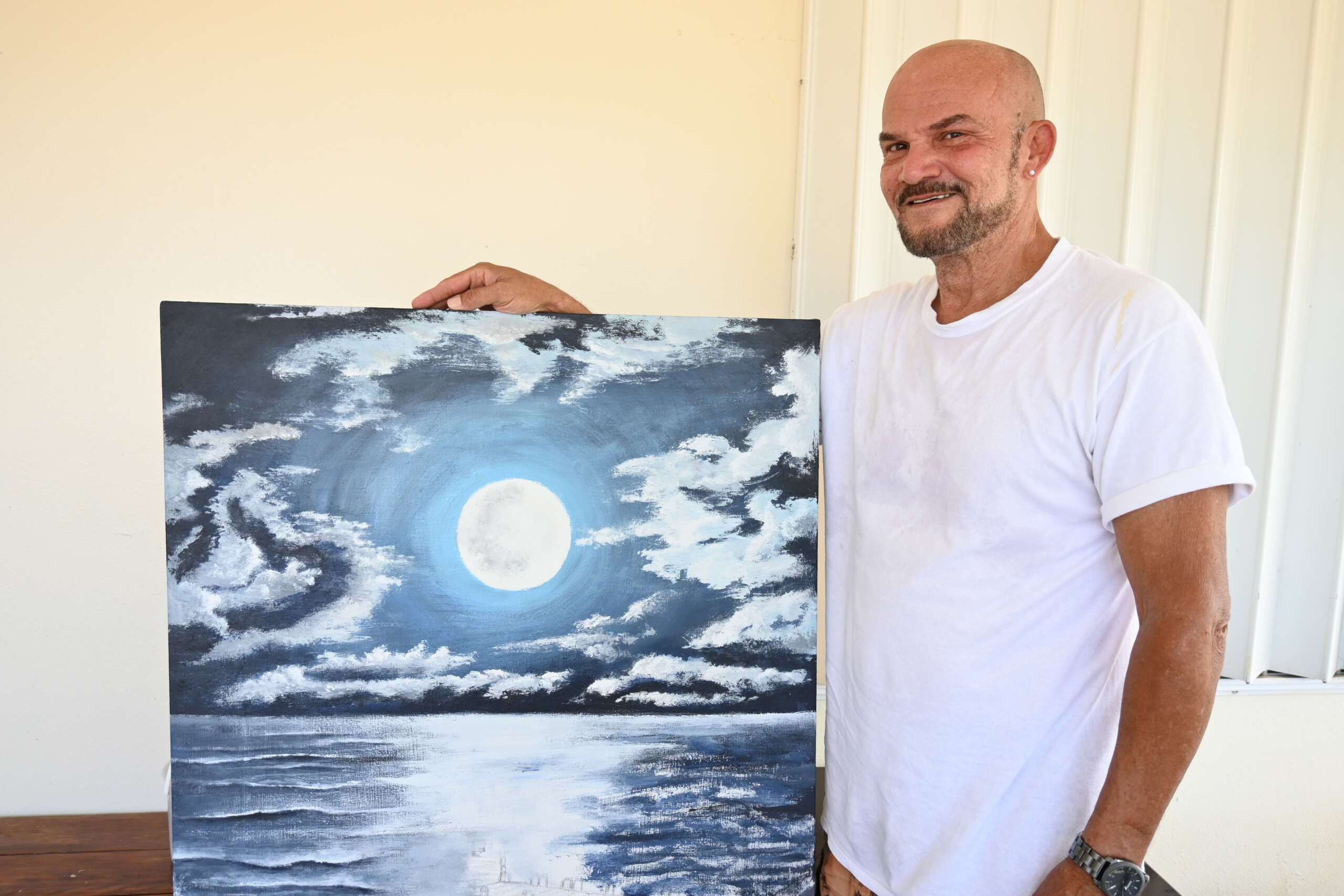
“I didn’t think it was something I could develop and sell and make money off of. I didn’t think I would get that good in a way. I never gave it much thought so I ended up in prison… a long, long time ago… very young and I just started to [paint],” he said.
Ebanks, who is now in his 50s after serving a hefty sentence handed down when he was a teenager, declined to talk about his past, saying he is looking to his future now.
“I just turned 17 when I got charged for a murder, me and two other juveniles. From then it’s been kind of rough. Life has been rough because I haven’t had my freedom from the system for decades. I’m in the community, but then I still feel like I’m not free,” he said, adding that he is still living under strict rules as part of his release.
Ebanks said while in prison his art would be featured at various events and some pieces were even sold.
“I do just about any kind of art… portraits, landscapes, skyscapes, full moon and seascapes just about anything. Most of the work I’ve done was on request. People contact me and they want me to do something,” he said, adding that based on their requests, he visualises it and create the artwork.
He said his passion is painting old Caymanian-style homes “based on the way we used to live back in the ’60s”.
He said one day he would like to open a gallery for his art. He has already designed his sign, which hangs in his room at the Hope for Today house.
He said he uses the sign as his motivation to stay on his path to recovery.
Though he relies on the sale of his art, Ebanks said he would like to have gainful employment and feels that the business community can do more to help reformed prisoners like him.
Related Videos









I don’t know how to find them to ask older people who have no children to leave their home to, if they would consider willing it to the prison system for this purpose. It’s a long shot, but perhaps one will read this article and think to do it on their own, or perhaps you will know one to suggest it to. It might come faster than hoping on CIG to either buy more space or decriminalize cannabis (which might go a long way to resolving loads of courts, prison, housing and criminal record related employment burdens).