


Caribbean cartels are using music promoters and performers as a front for organised crime, according to the head of a regional task force investigating drugs, guns and people trafficking.
Powerful regional gangs are also setting up ‘franchises’ in smaller islands, bringing new levels of violence to communities previously unexposed to that degree of gun crime.
In many cases, those criminal networks have links to Caribbean nationals in the US who are facilitating the flow of weapons into the region, Lieutenant Colonel Michael Jones, head of the CARICOM Implementation Agency for Crime and Security (IMPACS).

Jones warned that gangs are becoming more sophisticated, more connected and more transnational, and that law enforcement must do the same in order to win the ‘arms race’ with organised crime.
In an interview with the Cayman Compass, he said criminals are exploiting the fractured nature of policing among 30-plus island nations and territories across 1,000 square miles of open sea.
And he predicted new levels of coordination and cooperation – potentially including a pan-Caribbean coast guard – would be necessary to properly investigate and dismantle gangs operating in multiple jurisdictions and on the high seas.
Jones said a better understanding of the joint maritime domain was key to stopping weapons and arms trafficking.
But shared borders don’t end with the ocean – or indeed within the physical realm.
“I’m talking about air, sea, land, space and cyber,” said Jones.
“You might be looking for a physical gun but some of these operations are organised on the dark web, some of them are paid for by bitcoin.
“And we are no longer interested in measuring success as: ‘You got 15 firearms or 2 tons of cocaine’.
“We want to know who it is that arranged the shipment, who conveyed it, who facilitated it at the port, who picked it up.”
The key to being able to do that, says Jones, is joint intelligence, joint operations, cooperation on legislation and shared stewardship of extra-territorial waters.
“We need to be able to investigate and pursue criminals across borders,” he added.
Operation Trigger
IMPACS is at the forefront of that effort.
It acts as a regional hub for 20 member and associate member countries – including Cayman – sharing intelligence, building capacity and coordinating joint projects.
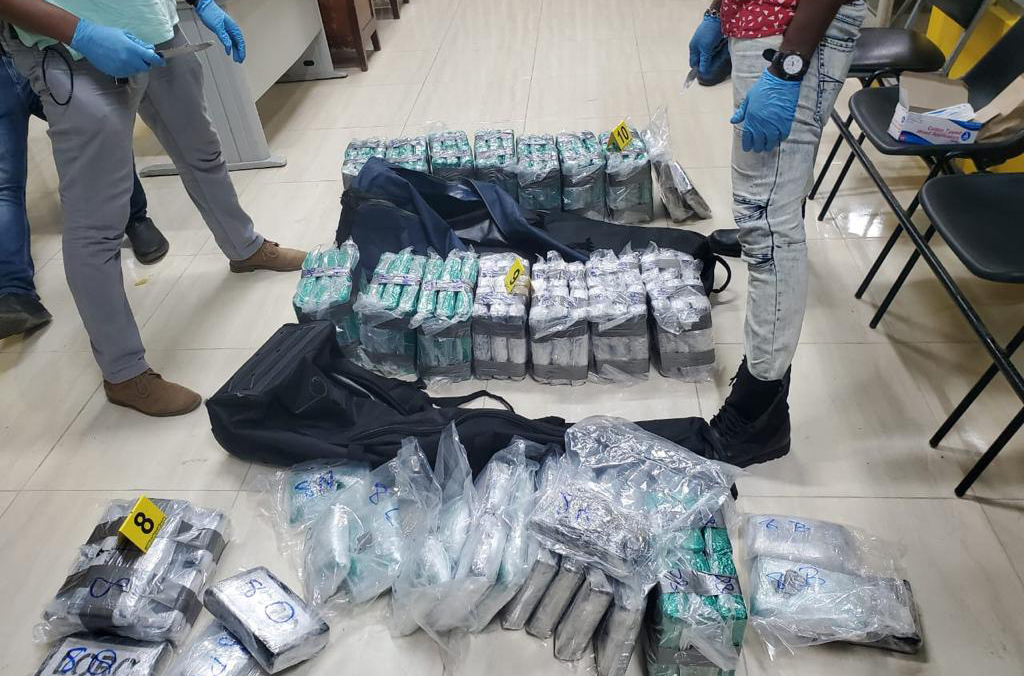
In October 2022, it took the lead in coordinating Caribbean states to cooperate with Interpol’s Operation Trigger, which resulted in the seizure of some 350 weapons and 3,300 rounds of ammunition, and record drug hauls across the Caribbean.
Coordinating information and operations between 19 countries; the US Bureau of Alcohol, Tobacco, Firearms and Explosives; and US Homeland Security Investigations, the operation led to 500 arrests and the seizure of more than a 10 tons of cocaine.
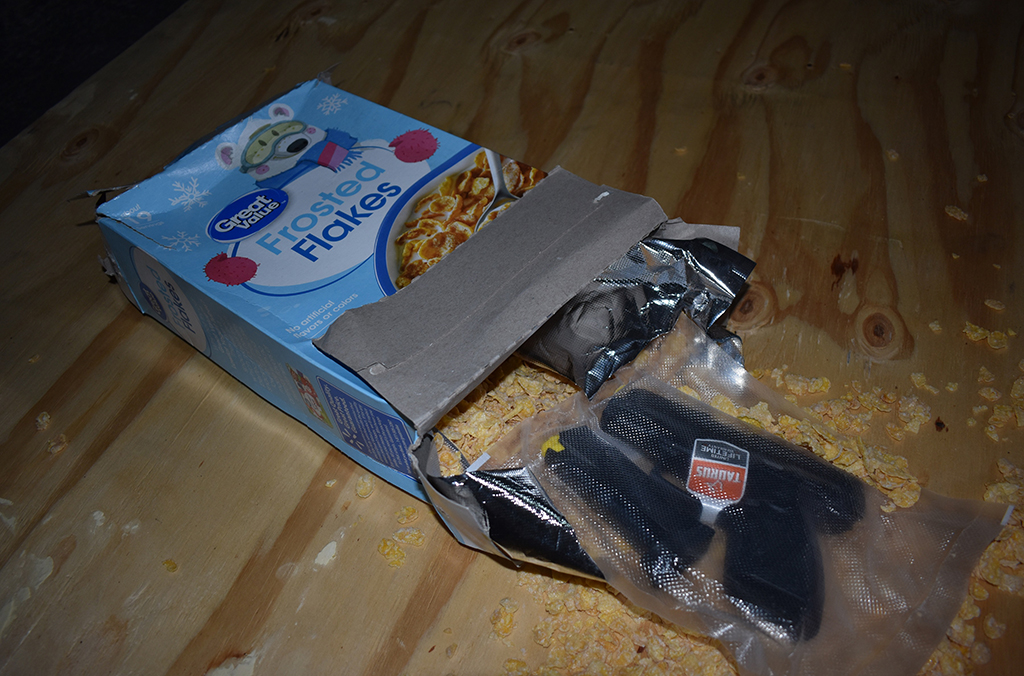
There were 20 pistols stashed inside boxes of Frosted Flakes cereal in Dominica. There was $25 million worth of cocaine being loaded onto a private jet to Canada from Jamaica. And on the tiny Dutch island of Curaçao, coast guard crews intercepted 3 tonnes of cocaine and 1.8 tonnes of cannabis on vessels coming out of Venezuela.
The Interpol-led exercise showed both the scope and diversity of the challenge across the Caribbean and the value of joint operations.
Jones describes CARICOM IMPACS as a hub that can coordinate with international agencies including US crime fighters, synthesise intelligence and help build capacity across disparate island states.
That cooperation enables more sophisticated crimefighting techniques – including ‘controlled deliveries’ – where multiple countries work together to track an illicit package from delivery to collection.
Organised crime?
Cross-border cooperation will need to become even more sophisticated if the region is to win an escalating arms race with gangs.
Jones said, “You are talking about transnational organised crime.”
There was a “very close nexus” between arms trafficking, drug running, gangs and the illegal movement of people throughout the region, he added.
And he sees that spreading, as gangs carve out new territory.
“There is some evidence of franchising of gang activity,” he said.
“That is the best way I can describe it. Gangs of different nationalities are establishing elsewhere in the region.”
Deadly trade: Spotlight on guns and drugs
- Disorganised crime: Chancers, freelancers and opportunists gambling on the Jamaica ganja run
- The journey of a gun: The trafficking networks that arm Cayman’s gangs
- Interactive: How firearms reach Cayman
- American guns, Caymanian victims
- ‘Merchants of Evil’ – Criminal brokers quietly profiting from bloodshed in Cayman
He said there was evidence of multiple nationalities working together in gangs, as well as diaspora gangs associated with specific countries. Those transnational organisations coordinate in a number of ways.
“Something as simple as music gets used throughout the region to network and conduct organised crime,” Jones said.
Under the guise of performing, he said, a gang lieutenant might “make all the connections as to when are we going to move, what we are gonna move or, in some instances, who are we going to hit.”
Where does Cayman fit in?
While Cayman remains a few steps removed from the epicentre of Caribbean gun violence, there is evidence of coordination with Jamaican gangs, and weed and guns are frequently smuggled across the sea border from its larger neighbour.
Higher calibre weapons and adaptations such as extended clips are being increasingly seen in Cayman, mirroring trends across the region.
Maritime and diaspora links to Honduras and Nicaragua also create plausible routes for illicit cargo.
Meanwhile, Cayman’s relatively wealthy population makes it a small, but lucrative, stop for cocaine smugglers coming up from South America.
Mark Shields, a former assistant commissioner of police in Jamaica, told the Compass that Jamaica fisherfolk were frequently involved in couriering cocaine from ‘mother ships’ coming north from Colombia or Mexico.
Jones noted Cayman had invested significant resources in beefing up its coast guard, spending money on boats and helicopters that had been used to assist other islands, like Turks and Caicos.
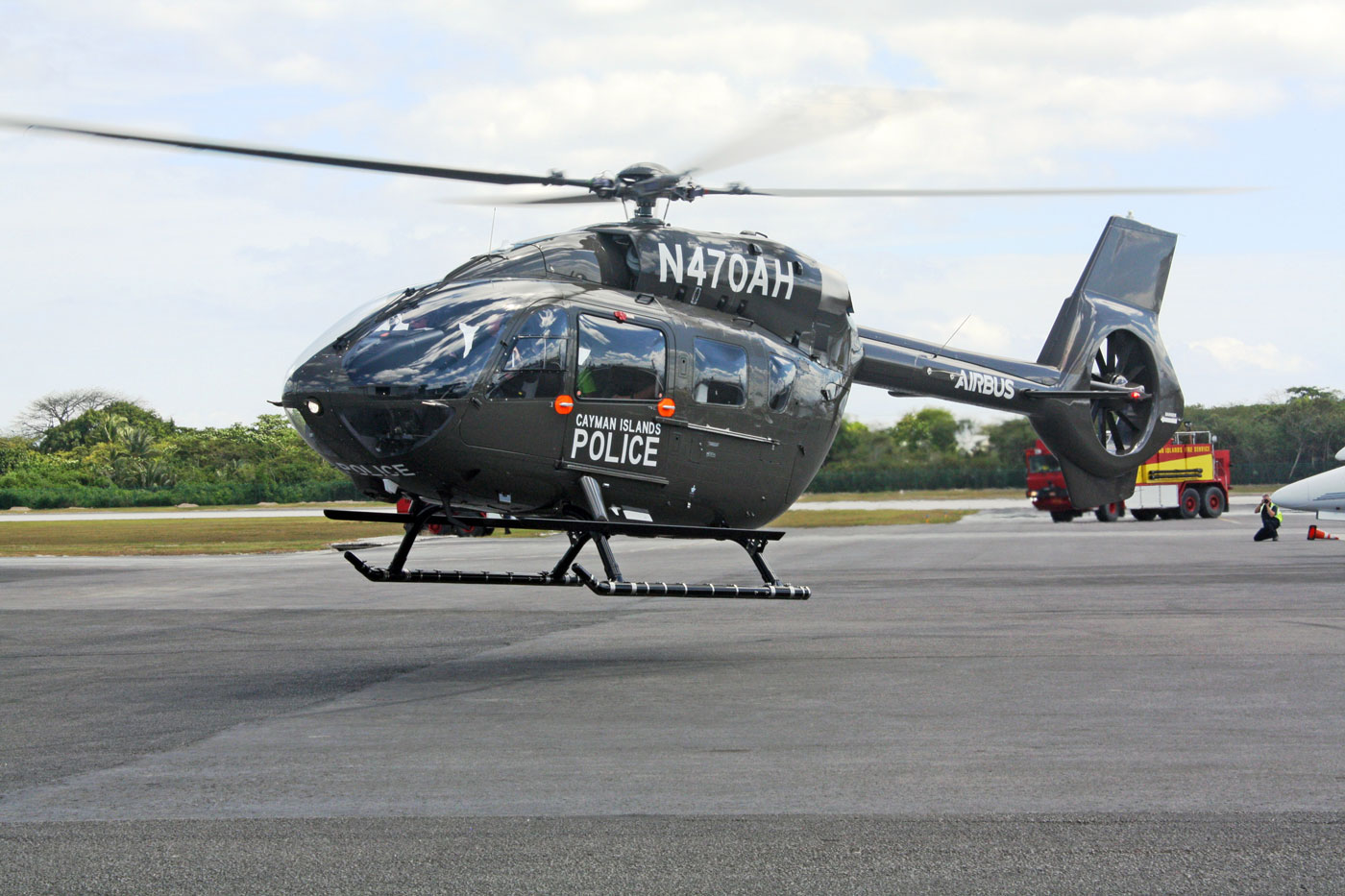
He said that Cayman has a role to play in an expanding network of islands cooperating to police the ocean.
“It makes sense to partner and share resources, whether it is time, intelligence or information.”
A Caribbean coast guard?
Long term, Jones sees that type of partnership developing further.
“Do I see the evolving of a regional coast guard? Yes,” he said. “You are not going to see a CARICOM flagship in three years, but we are hoping to do it by five.”
He said there was already a shared maritime security strategy, approved last year.
Work continues to ensure better connectivity in other areas.

IMPACS is also seeking to help provide training and equipment support to smaller, less wealthy islands.
Another priority is improving legislation in some countries to bring in tougher penalties for firearms possession and to help facilitate pursuit of criminals through a complex network of shared maritime borders.
Work also continues to get more countries in the region to sign the Treaty of San José, which seeks to ensure cooperation between countries over the detection, identification and pursuit of suspect vessels and aircraft.
Related Videos











Soft gloves approach has discredited itself again. What we see it a direct result. We need to go back to reason, the way it was done 50 years ago.