

When a shooting takes place in the Cayman Islands, more often than not an American gun was responsible.
Of the 23 firearms seized by police, coastguard and customs officers last year, 17 had a “nexus to the United States”, according to Commissioner of Police Kurt Walton.
That means the manufacture or point-of-sale can be traced back to the US, where liberal firearms laws make purchasing a weapon a fairly straightforward process.
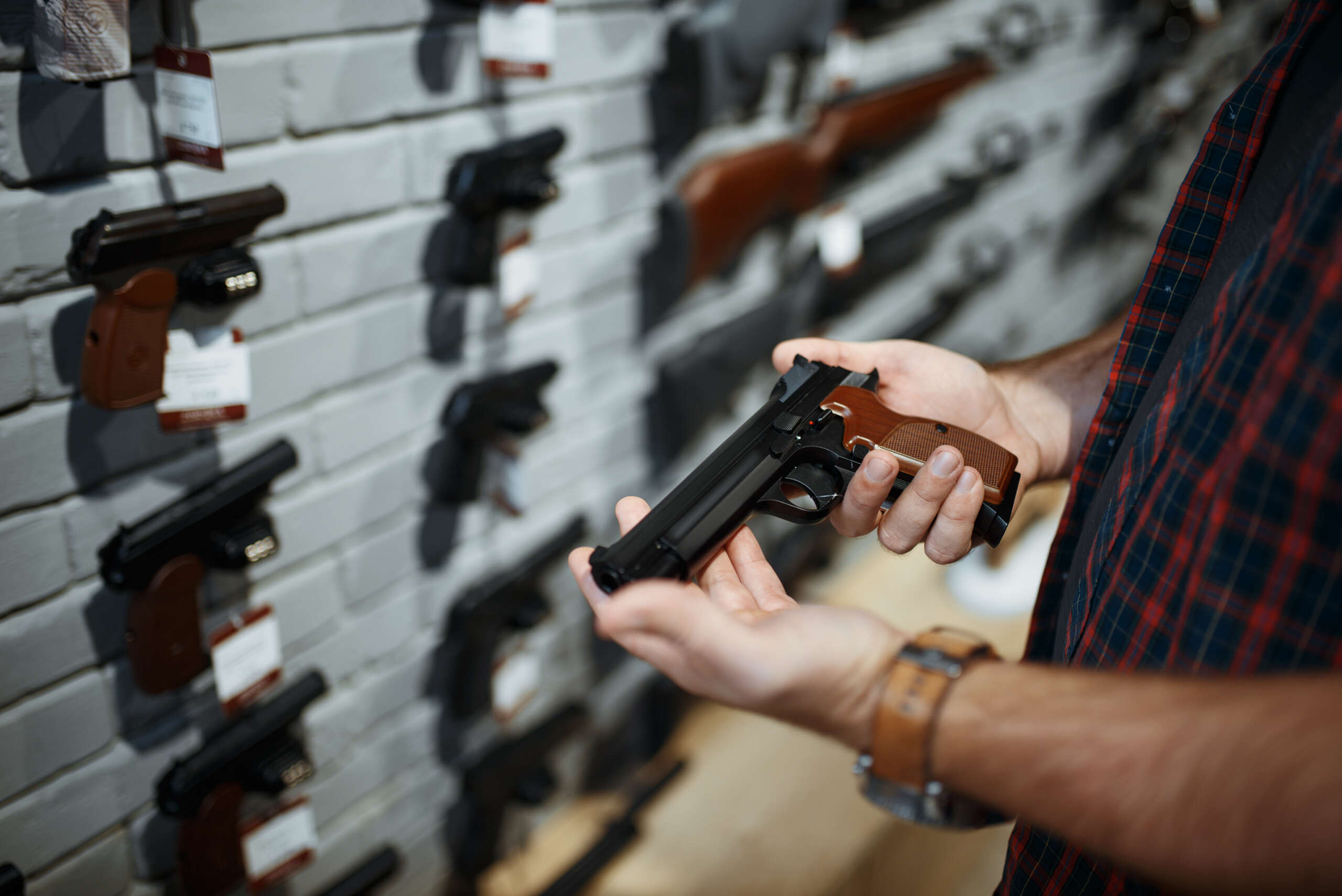
That mirrors a pattern across the region, with a steady flow of American weapons blamed for escalating gun violence across the Caribbean.
What happens between the legal sale of a weapon in the US and the gun’s use in a robbery or murder in Cayman is more of a mystery.
“All we can speak of with certainty is that first sale… certainly it could have been sold many times thereafter,” said Walton.
In August of last year, Customs and Border Control officers intercepted three firearms and 100 rounds of ammunition sent directly from the US to Cayman via a commercial courier service.
But in many other cases, police believe the route of weapons to Cayman shores is significantly more convoluted – sometimes spanning decades, crossing international borders, and being traded several times.
Some of the makes and models of weapons confiscated in Cayman suggest they were manufactured many years ago.
Bill Kullman, former deputy chief of international affairs with the US Bureau of Alcohol, Tobacco, Firearms and Explosives, told the Compass that guns, dating back to sales in the ’90s, have turned up in Caribbean crime scenes decades later.
Regional challenge
The challenge of American-made weapons being trafficked through the Caribbean and used in multiple crimes is borne out by evidence from recent analysis in Cayman.
Highlighting the seizure of a 9mm handgun in the territory last year, Walton said separate ballistics evidence alongside tracing through the ATF had established the American-made weapon had been involved in a string of crimes in Westmoreland.
“That’s a gun that was manufactured and sold in the United States, somehow, along the route, ended up in Jamaica, killed five persons in Jamaica and ended up on our shores,” he said.
The export of weapons from the US is a Caribbean-wide problem. A Reuters report cites ATF data as indicating that 80% of guns involved in crimes in the region were originally sourced from the United States.
The flow of weapons seems unlikely to cease. Kullman cautions the US is “adding to the gun population by millions each year”.
Caribbean leaders have called for more action to prevent those weapons being illegally exported to the region.
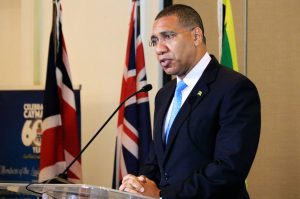
“As we have assisted them in the war on drugs, they must assist us in the war on guns,” Andrew Holness, the Jamaican prime minister, said at a regional security summit, cited in a Bloomberg article.
The same story quotes Philip Davis, prime minister of the Bahamas, warning, “The right to bear arms in the United States does not mean that there is also a right to traffic those arms to Caribbean countries.”
There is some hope that those words have found a receptive audience, with the Biden administration contemplating a new clampdown on weapons exports, according to reporting by Bloomberg.
* The Journey of a Gun: In part 2 of our series on gun and drug trafficking next week we take a closer look at how American weapons are finding their way on to the streets of Cayman.
Related Videos









As it stands, only law abiding citizens & visitors cannot have guns. Any criminal easily can, though. What we really need is a right to have firearms for all.
The guns may be coming from US but the people bringing them to Cayman are not Americans. Look locally to find the culprits.
“US weapons responsible for 70% of firearm crimes “… blame the weapon? Blame the US? Always pointing the finger and never looking in the mirror. The CI government needs to step up for her citizens. Guns aren’t the problem… joblessness, poverty, morality, lack of family values….those are the problems. Where is the government? Dining with contractors. Where are the police? Being arrested. Where are the parents? Working low paying jobs. Come on, open your eyes to the real problems of the country.
You summed it up perfectly. I can save my breath and simply say “what Andy B said!”
First sentence: When a shooting takes place in the Cayman Islands, more often than not an American gun was responsible.
When a shooting takes place in the Cayman Islands, 100% of the time, the person firing the gun is responsible.
While 70% of the guns can be traced to the US it remains that 100% of the trigger pullers are Caymanians. Blame the shooter.
Address this now, before it gets out of control. The government seems to be aware of the gangs on the island and who they are.. get them the mental and emotional help they need and care now. Provide the help needed to redirect their focus from violence to being a part of the community. I agree with everyone above. The violence is a root problem, and problems almost always start in the home. (Or sadly, the lack of a home.)