

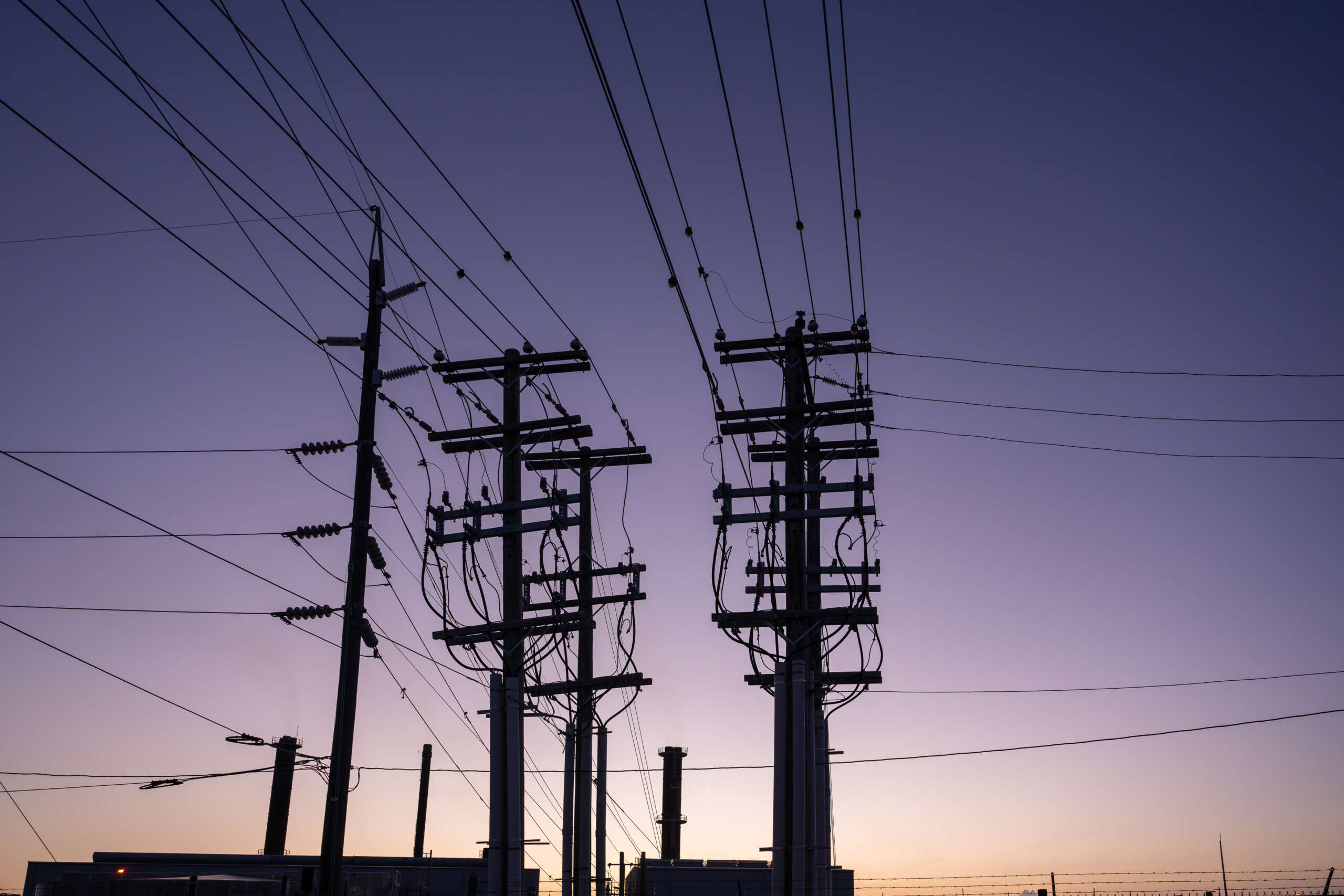
Amid high temperatures, Cayman’s power provider is preparing for the possibility of rolling blackouts, known as load shedding, to accommodate demand.
The Caribbean Utilities Company, CUC, announced Monday that customers could experience outages for up to an hour during peak usage times, typically from 4:30-8:30pm in Grand Cayman. During the worst summer heat, outages could begin as early as 3pm.
CUC attributed the possible outages to high temperatures, rapid economic growth and delays in updating grid capacity.
The company’s ‘reserve margin’ is lower than normal, the power operator said, meaning the total electric generation capacity could fall short of peak customer demand. That increases the risk of needing to ‘shed’ customer load through rolling outages in the case of unplanned loss of power generation, the company said.
CUC attributed much of the current concern to regulatory issues that have delayed upgrades necessary to keep pace with development.
“In recent years, Grand Cayman has experienced significant growth, resulting in an increased demand for electricity,” CUC said in a press release. “Peak electricity demand on Grand Cayman grew by 9% from 113.5 megawatts (“MW”) in 2022 to 124.1 MW in 2023 and is expected to grow further in 2024.”
The last significant upgrade to power generation capacity came in 2016, followed by a smaller addition in 2022, CUC said. Further installations require approval by OfReg, the Utility Regulation and Competition Office.
A 2019 proposal, involving a 13-megawatt solar plus storage project, was not approved by OfReg, pending a competitive bidding process.
“In 2021, CUC formally requested that OfReg initiate the procurement of 23MW of Solar and Storage capacity to meet increasing consumer demand. This procurement process by OfReg is currently in the final planning stages,” CUC said on Monday.
“As a temporary measure, the Company leased 10MW of mobile generation in 2023 and an additional 10MW to be installed later in 2024, for which regulatory approval is pending.”
Customer-owned solar programmes have also added 16.8 MW to the grid since 2021. Without battery storage, however, CUC said solar power capacity is left unavailable during peak evening hours.
A 20-MW battery energy storage system called BESS should be commissioned by CUC in June to begin assisting with evening demand. The BESS system, CUC said, should return reserve margins to normal levels between June and July.
In the meantime, if customer demand exceeds capacity, CUC will begin load shedding through a rotating system. Schedules are expected to be published in advance on CUC social media pages and announced on the radio.
Related Videos












Where have we heard this before: “regulatory issues that have delayed upgrades”?
How can the incompetence of government put at risk the lives of thousands of people, not to mention the inconvenience that rolling power cuts bring. They have all had enough time to plan effectively for this – all the stats are well known, and yet they create an unnecessary crisis. We won’t hear of any demotions or sackings as a result. Government will wander along complacently trotting out one excuse after another when the problem was anticipated eight years ago.
If this is going to happen will we get some bill shedding to go with it?.