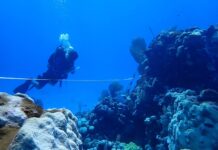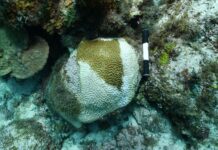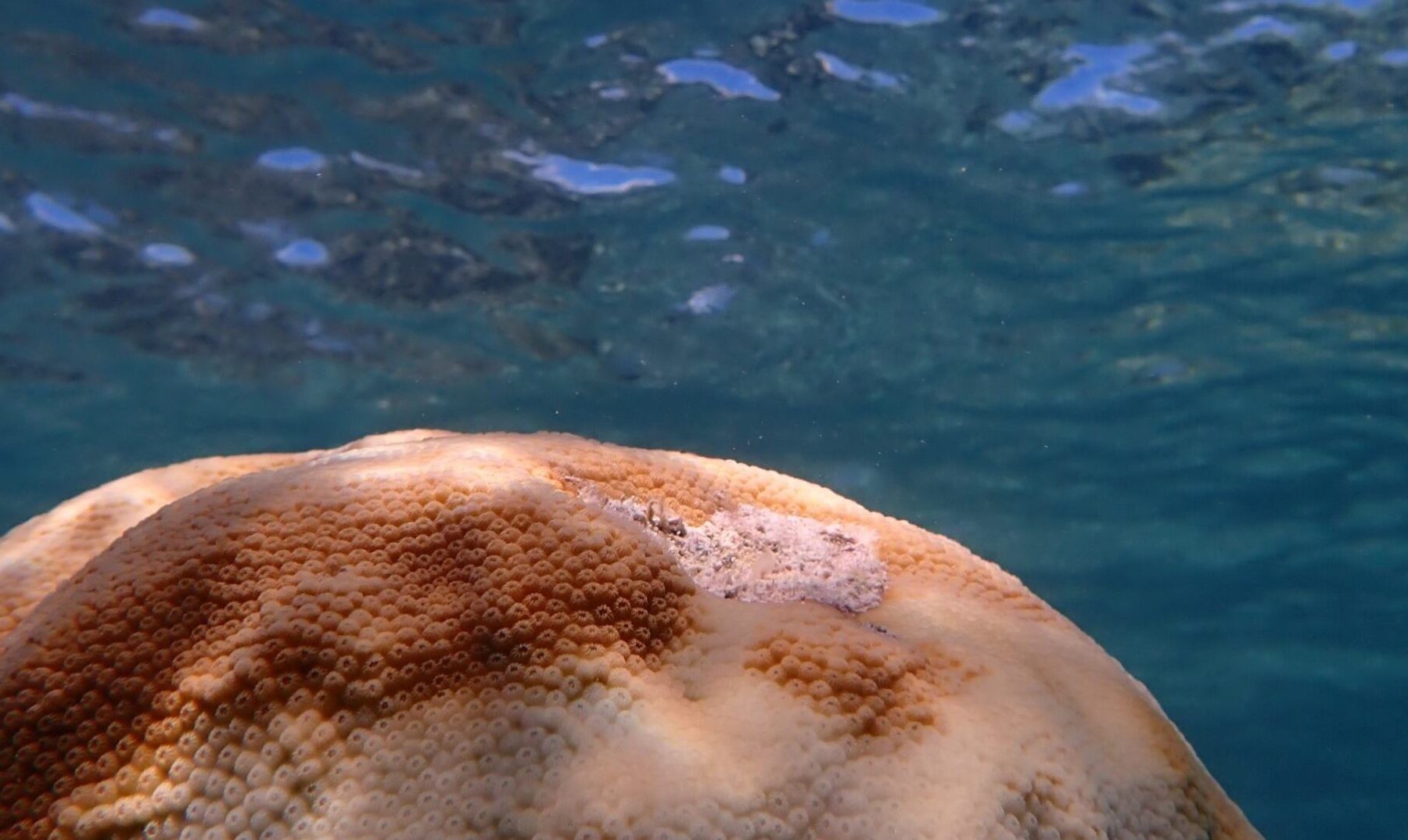
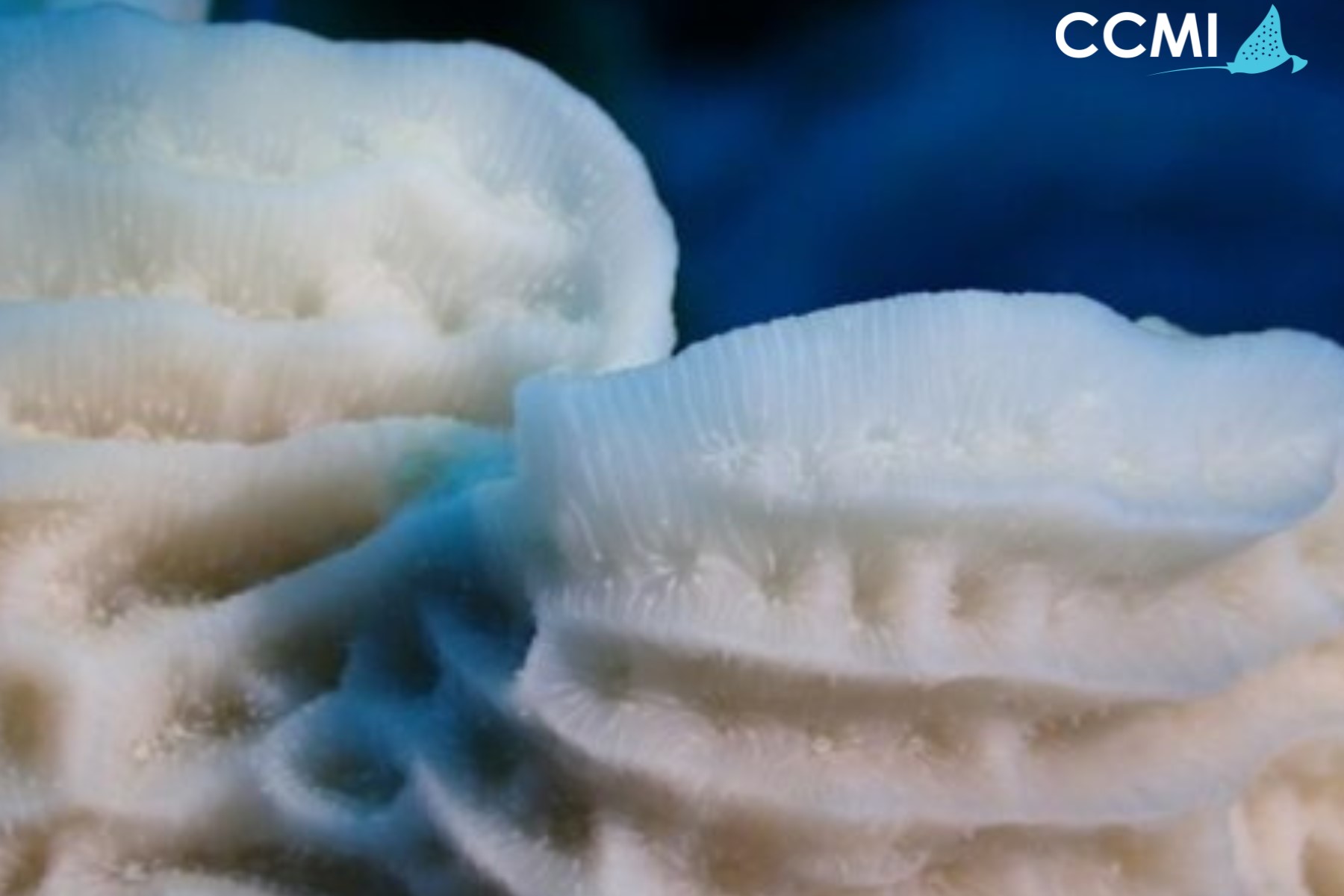
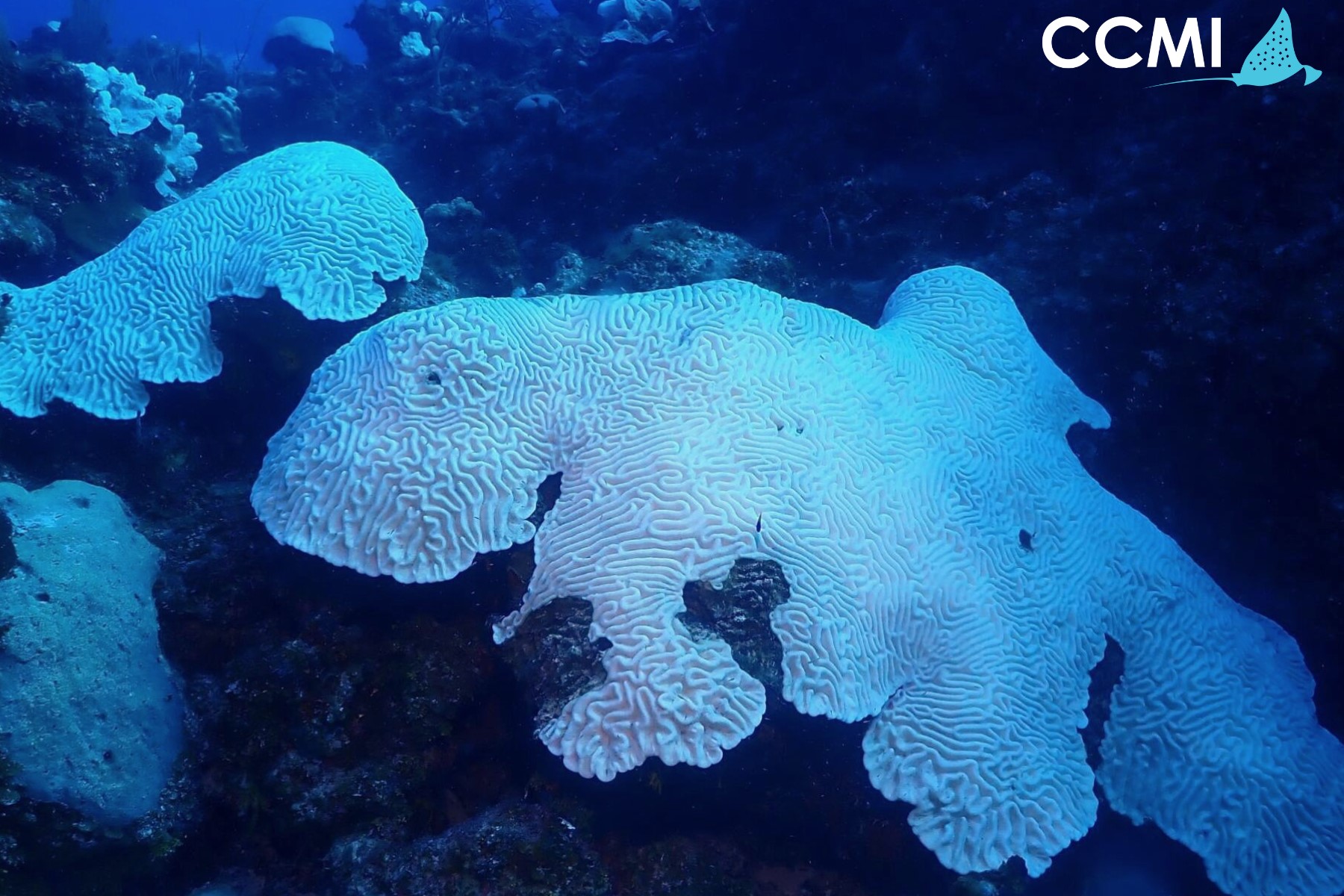
Research by the Central Caribbean Marine Institute has shown that 95% of corals in Little Cayman bleached during the marine heatwave last summer and over 50% subsequently died.
However, most of the corals that died were ‘weedy’ species, the institute pointed out, noting that many of the key reef-building, boulder-like species, such as mountain starlet and great star coral, survived and had higher rates of recovery.
The summer of 2023 was the hottest on record and brought with it the longest and most extreme marine heatwave experienced in the Cayman Islands.
CCMI, which monitored the impact of the heatwave, last week released its results for July 2023 to January 2024 in a report.
It described summer 2023 as the “most drastic marine heatwave on record for Little Cayman, three times more intense than any previous heatwave”.
‘Hope is not lost’
The ‘2023 Coral Bleaching Report Card‘ shows that the coral bleaching in Little Cayman was “severe, and comparably more severe than other reefs in the region”.
It noted, “This is likely to be attributed to factors including higher coral cover to start with and the presence of more susceptible species that are not present on most reefs with more stressors.”
But even with such extreme bleaching, “hope is not lost”, the institute researchers stated in the report.
“Coral reefs that are protected from the added pressures of local threats, such as pollution and overfishing, such as those in Little Cayman, show improved long-term recovery from disturbance,” they said.
Before the bleaching event – which hit not just the Cayman Islands, but worldwide, according to the US National Oceanic and Atmospheric Administration – coral cover in Little Cayman remained at approximately 20%, compared to 10-15% regionally, and monitoring showed that 90% of these reefs were in good-to-very-good condition.
“This higher coral cover, along with higher species diversity and healthy fish populations, particularly herbivores, may mean that Little Cayman’s reefs show better long-term recovery than reefs in poorer health. This provides hope for the recovery of these reefs, but the next year or so will be pivotal,” the researchers said.
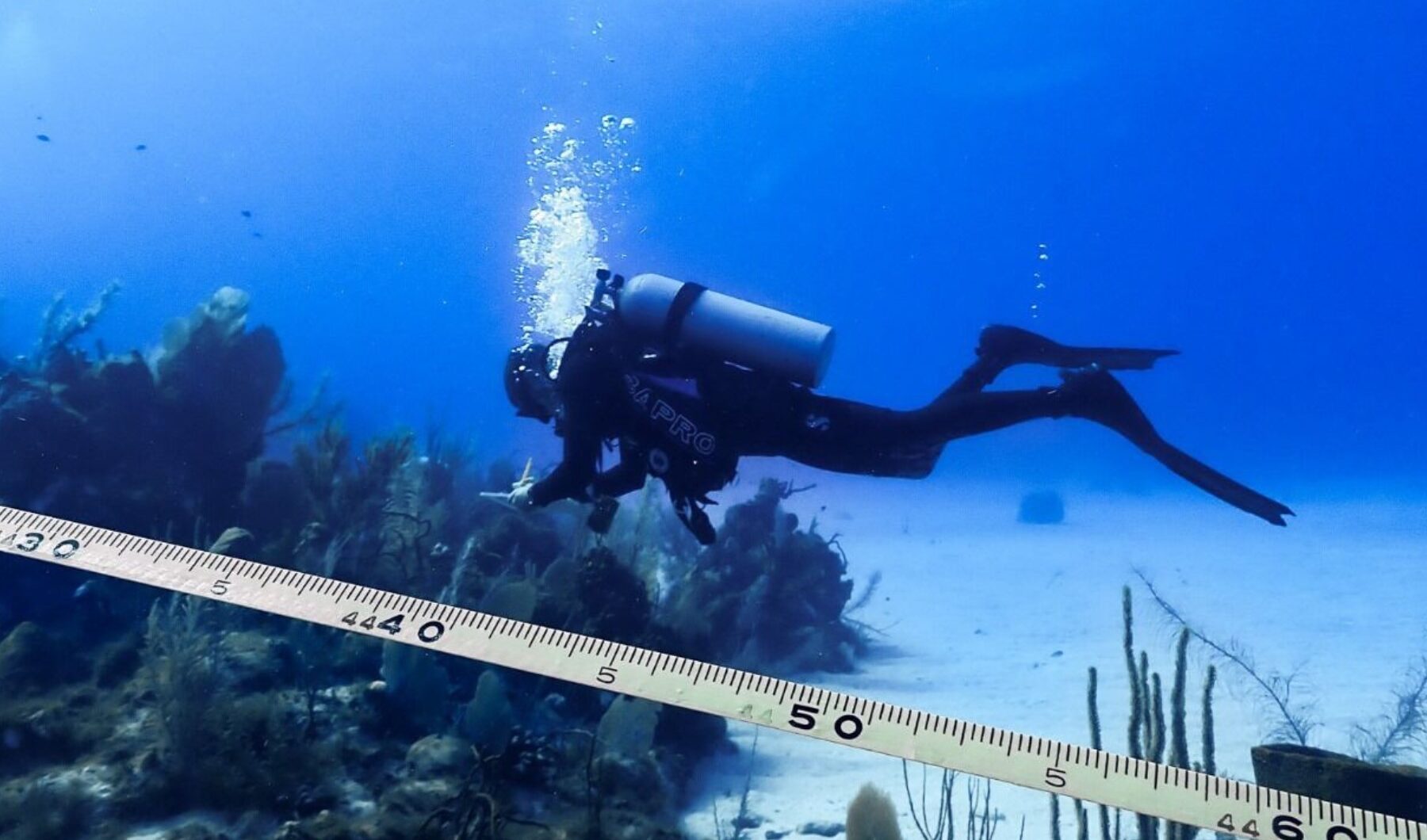
CCMI has been monitoring the reefs of Little Cayman for the past 25 years, which has shown “above average” health of local reefs, despite regional decline, the institute noted.
“Although no one can say for certain how these reefs will recover and fare in the future as climate change impacts intensify, we can say that historically they have showed stability while other reefs in the Caribbean have recorded decline,” the CCMI researchers stated in the report.
“Regardless, with the impacts of climate change intensifying, now, more than ever, these reefs need our help. With predictions forecasting that 2024 could be just as hot, CCMI’s research team are seeking solutions to support reef recovery and understand how we can help these reefs to survive and adapt through science-based action.”
Between August and the end of October last year, the Cayman Islands was at ‘Alert Level 2’, the highest alert for coral bleaching, according to the US National Oceanic and Atmospheric Administration’s Coral Reef Watch.
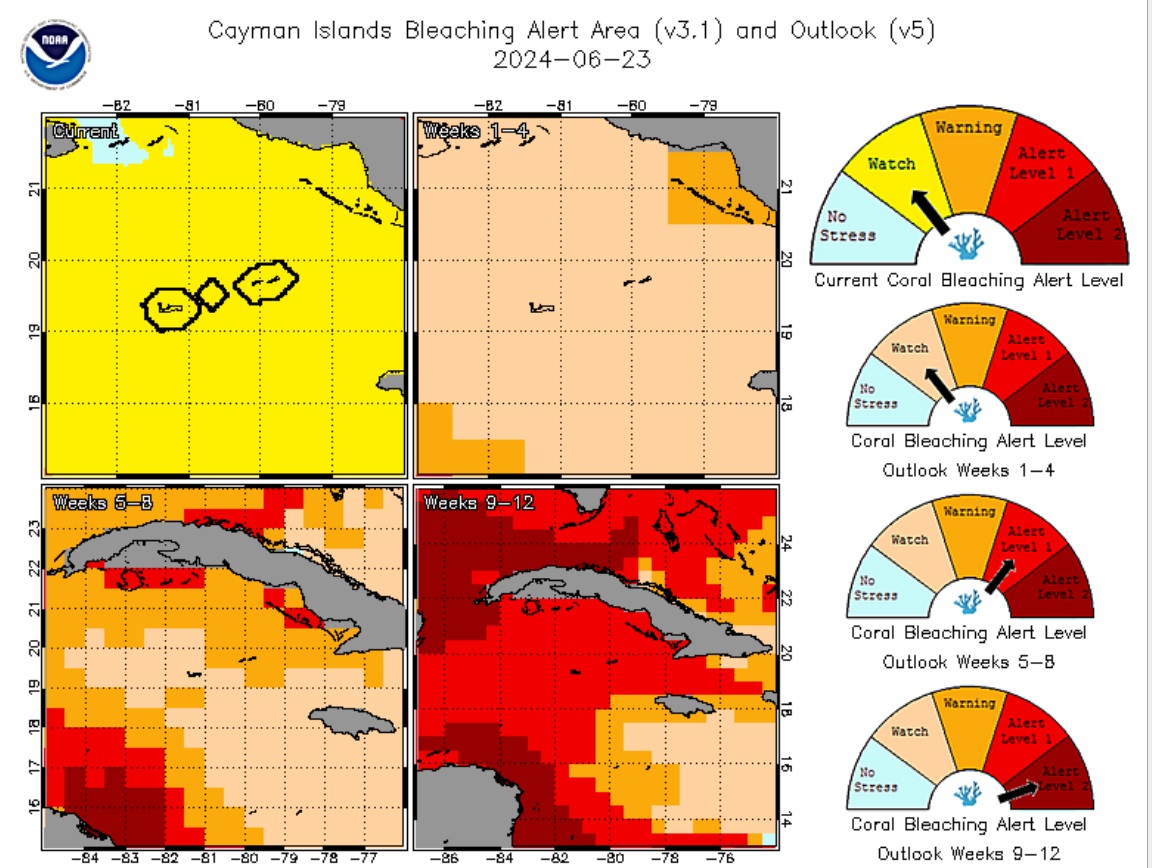
On 10 May this year, with temperatures rising, Cayman was placed on NOAA’s coral bleaching watch – the second level of the five-level alert system. It predicts that within nine to 12 weeks, Cayman will be back at Alert Level 2.
Adapting to climate change
CCMI says it is taking a “multi-faceted approach to helping reefs to survive and adapt to climate change through a combination of cutting edge-research and action”.
One of those approaches involves a resilience-based programme of outplanting coral. Since 2012, the marine institute has grown more than 1,500 corals outplanted over 750 square feet of coral on Little Cayman’s island’s reefs.
Assisted by funding from the National Science Foundation, it has also been researching how reefs deeper than 100 feet can help shallow-water corals survive climate change.
A recent publication by CCMI’s director of research, Gretchen Goodbody-Gringley, found that coral larvae from shallow-water reefs may be able to settle and survive on deep, or mesophotic, reefs, offering hope that these deep reefs could provide refuge for corals if shallow reefs become inhospitable.
To further support this, CCMI has been exploring and documenting previously uncharted deep reefs on seamounts Pickle Bank and 12-Mile Bank, off the coast of the Cayman Islands. At these sites, CCMI’s technical divers have found “highly productive coral reefs that could provide further hope for maintaining coral biodiversity through climate extremes”, the report noted.
It added, “Overall, the impact of last year’s coral bleaching was extreme, not only in Little Cayman but globally, and the summer of 2024 is likely to bring further bleaching. However, the historically stable, healthy and highly diverse reefs in Little Cayman may fare better when it comes to recovery and become a site of hope and re-seeding for other reefs. CCMI is further supporting these valuable reefs through their research and conservation efforts.
“As a community, everyone has a part to play in supporting these ecosystems at such a pivotal time. Small lifestyle changes such as eating less meat, switching to renewable energy sources, eating sustainable seafood and supporting environmental initiatives are powerful ways for everyone to make a difference to the future of coral reefs.”
Related Videos