

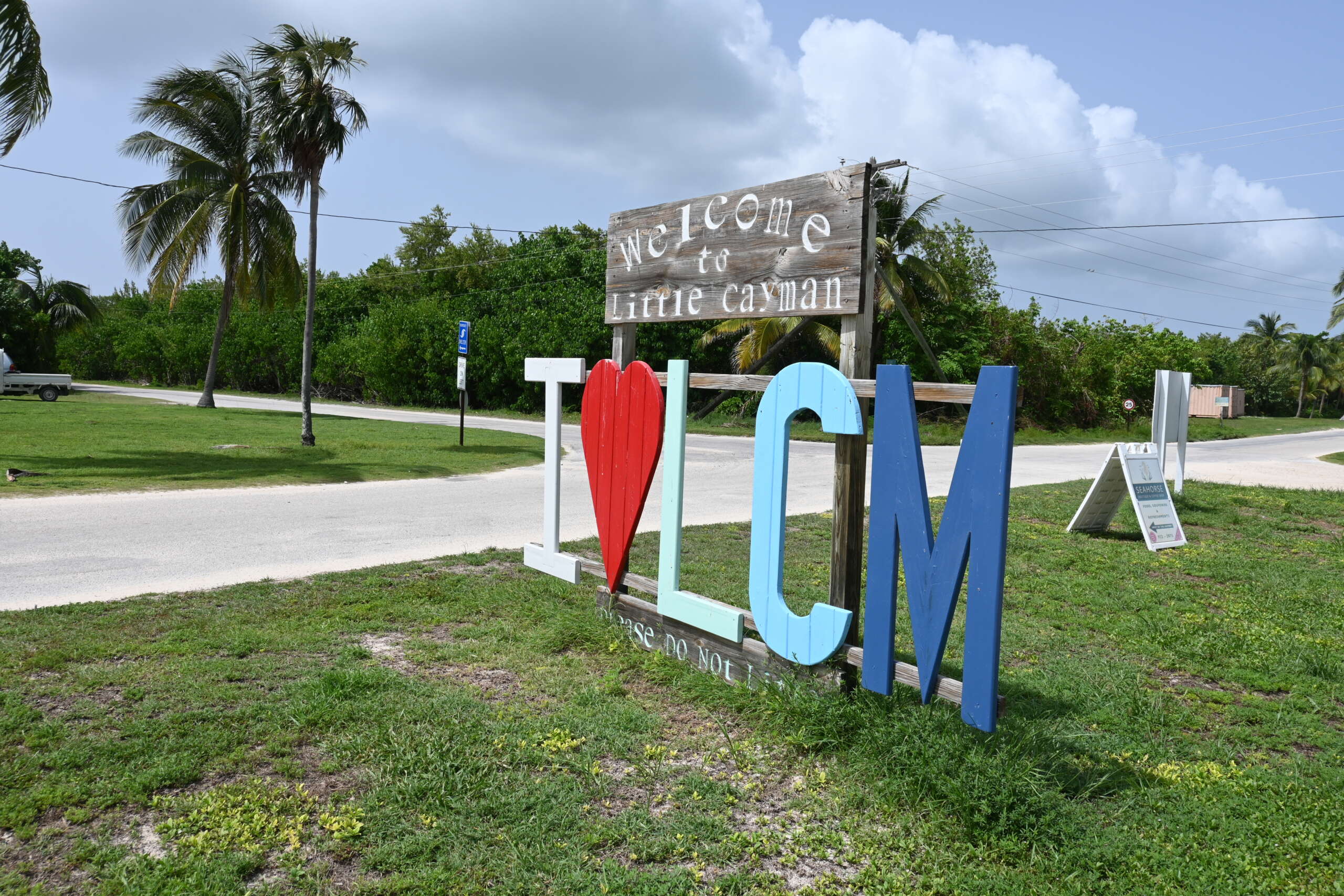
Little Cayman’s protected marine parks and ponds are on a shortlist to gain UNESCO World Heritage status, but a lack of a development plan means the rest of the island cannot apply to be considered for the prestigious honour.
The Cayman Islands’ existing national development plan, drawn up in 1997, omits Little Cayman and Cayman Brac, which are mentioned in an addendum at the back of the document. An initiative by government to update the plan, called PlanCayman, is currently under way, and involves finally including the two Sister Islands.
But, until that is done, any effort to try to get UNESCO World Heritage status for terrestrial Little Cayman is futile.
Peter Hillenbrand, owner of the Southern Cross Club on the island, and the driving force behind the project to attain the UNESCO honour, says the lack of any formal protections for the land on Little Cayman means the decisionmakers at UNESCO would not even consider an application for the terrestrial part of the island.
“The land part cannot be included in the application without a development plan or zoning plans,” Hillenbrand told residents at a meeting last weekend to discuss the islanders’ response to the PlanCayman public consultation.
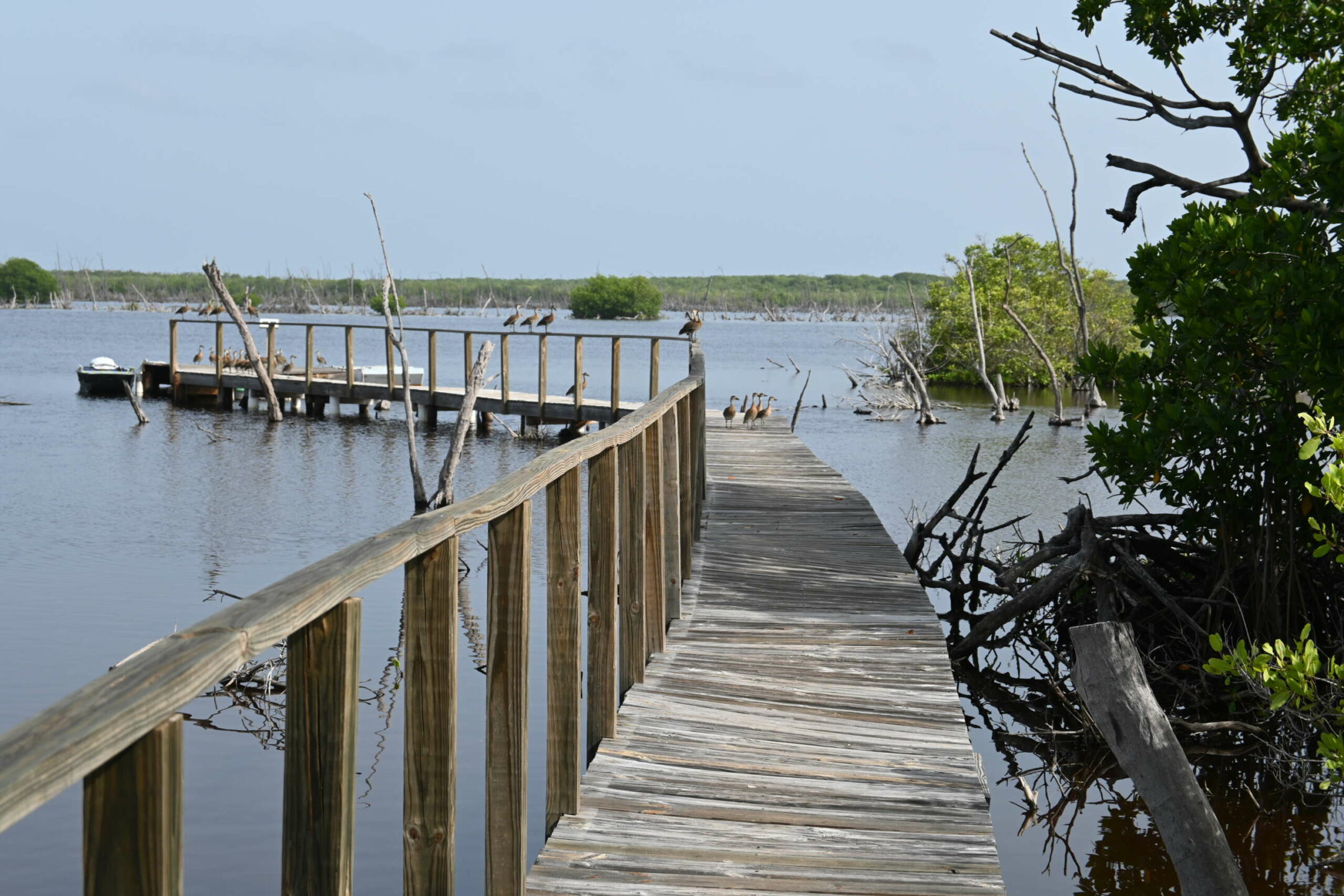
The Tarpon Pond and the Booby Pond can be included as part of the application because, like the marine parks, they are protected areas.
The only way the rest of the island could seek UNESCO World Heritage status would be if a development plan were put in place that outlines specific zoning, including areas of land that can be protected, and then “we would have to do an entirely different plan for the terrestrial part”, Hillenbrand said.
He noted that nearly 75% of the shoreline around Little Cayman is protected under the National Conservation Act. Little Cayman is also a Mission Blue Hope Spot and is recognised as a wetland of international importance under the Ramsar Convention.
Hillenbrand said it appeared Little Cayman’s marine parks had made it to the final two of UK-related sites – the other being central York.
UNESCO – the United Nations Educational Scientific and Cultural Organisation – headquartered in Paris, will make a decision after the UK’s Ministry of Sports, Culture and Heritage sends its final application – either on York or Little Cayman – next month. It is unlikely that a final decision by the UNESCO World Heritage Committee will be made before 2026.
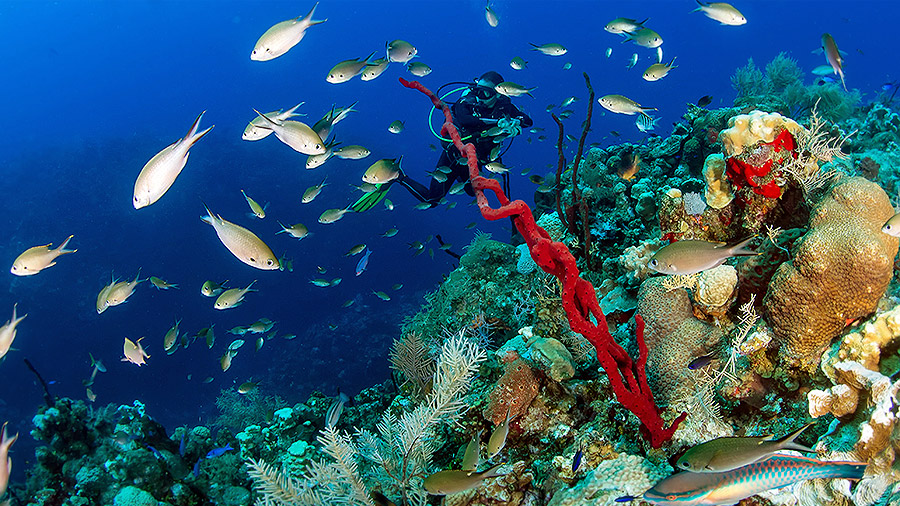
Little Cayman’s marine parks, including the famous Bloody Bay Wall, would be considered under the natural, rather than cultural, category, said Hillenbrand, who is hopeful that the island will edge out York during the consideration stage.
He added, “Hopefully, between York and Little Cayman, Little Cayman will win out and the application will be forwarded to UNESCO in September.”
But, he noted, “The process takes a very long time.”
Following the granting of World Heritage status to boglands in the Flow Country of Caithness and Sutherland in northern Scotland – after a nearly 40-year campaign for recognition – and to the historical village of Gracehill in County Antrim, Northern Ireland, last week, the UK now has 35 UNESCO sites.
To be included on the World Heritage List, sites must be of outstanding universal value and meet at least one out of 10 selection criteria.
Other British overseas territories that have received UNESCO World Heritage Status include Gibraltar; Saint Helena, Ascension and Tristan da Cunha; Pitcairn Islands; and Bermuda.
Related Videos









It would be a great achievement id this were to happen. However, like Grand Cayman, the dump in Little Cayman is a very visible disgrace to an otherwise pristine environment.