FIFA has taken a stance against the ongoing battle of racism following their 74th Congress in Bangkok, where it was announced that racist behaviour during fixtures could result in in criminal charges and games being suspended.
Member associations of FIFA, which includes the Cayman Islands Football Association, unanimously approved and assumed collective responsibility for football’s Global Stand Against Racism – the first step in what will be a process to make the game stronger and more inclusive, according to FIFA.
In a press release, FIFA noted that the initiative is already being implemented across each of the five action areas underpinning the Global Stand Against Racism – Rules and Sanctions, Action on the Field, Criminal Charges, Education and the Player’s Voice.
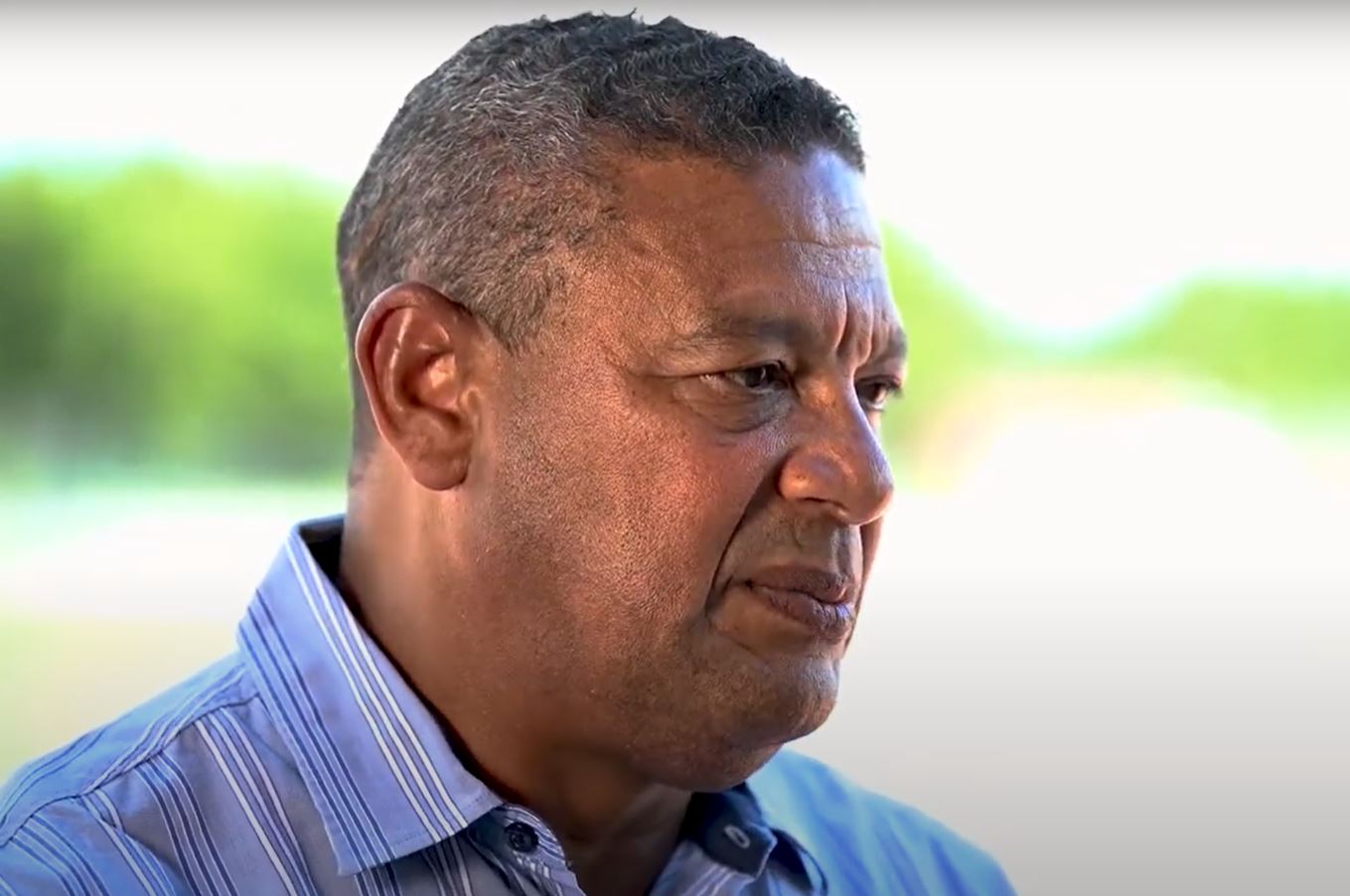
CIFA president Alfredo Whittaker said he is encouraged by the official stand against racism but he said action should have been taken a lot sooner.
“I endorse this decision 100% but it is past overdue,” Whittaker told the Compass, pointing out that this is a global issue for football. “Once we black people make it globally and stand for our rights and what we represent in the world, is when we will see a change.”
The sport has been plagued for decades by racism on and off the pitch, mostly targeting black footballers. In one especially notorious incident, after missing a penalty in the Euro 2020 final, England’s Marcus Rashford was abused on Twitter by Justin Lee Price, who tweeted a racially charged epithet, for which he was jailed for six weeks.
On 1 Sept., the BBC reported the most recent occurrence of racism in football, where Colchester United Samson Tovide was subjected to discriminatory language.
Colchester head coach Danny Cowley shared his thoughts on the situation to the BBC, stating, “I actually feel embarrassed and ashamed that in the 21st century this is still happening.”
As part of the new FIFA rules approved at the Congress, was the section ‘Action on the Field’, where it was agreed that football will pause, suspend and abandon games in cases of racism, introducing a global standard gesture for players to communicate racist incidents. At that point, the referees are to signal the mandatory implementation of the three-step procedure to be undertaken by all 211 FIFA member associations.
This represents a basic, simplified version of the protocol, allowing it to be activated universally to ensure its common application at all levels of the game.
Though the new regulations could serve as a deterrent for racist acts, Whittaker said the “sad reality” is that black people will always face discrimination, but they must use their voice and their new avenue to report inappropriate incidents.
“We are a small minority of black people in a world full of white people,” he said. “These days there are some areas that have [shown] some improvements, and, in some areas, it hasn’t improved at all, and I don’t think it ever will, unfortunately.”
However, in the province of domestic football in the Cayman Islands, Whittaker said his association will not tolerate any instances of racism.
“CIFA has taken a stand against racism for quite some time,” Whittaker said. “We need to step up, especially with the multicultural world that we have in the Cayman islands.”
Under the new Global Stand Against Racism initiative, FIFA has advised each member association to distribute the ‘Three Step Procedure’ within their respective countries to all affected stakeholders including match officials, competition organisers, teams, players and any other relevant parties, reminding them of the mandatory implementation of this protocol at all organised football games.
Related Videos