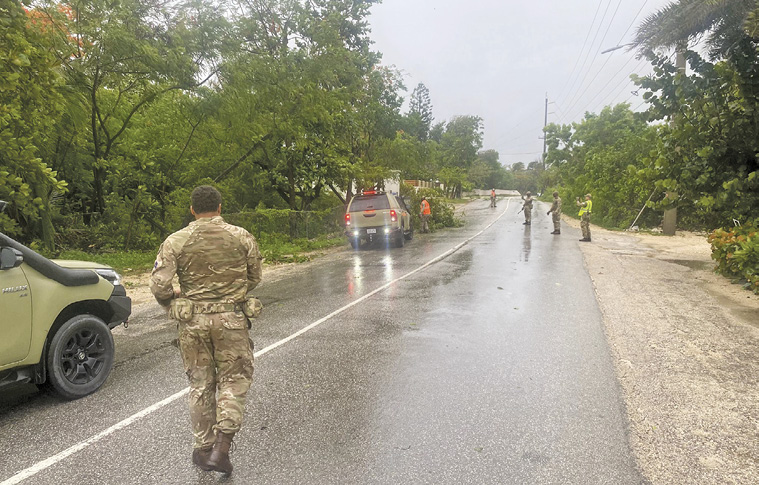
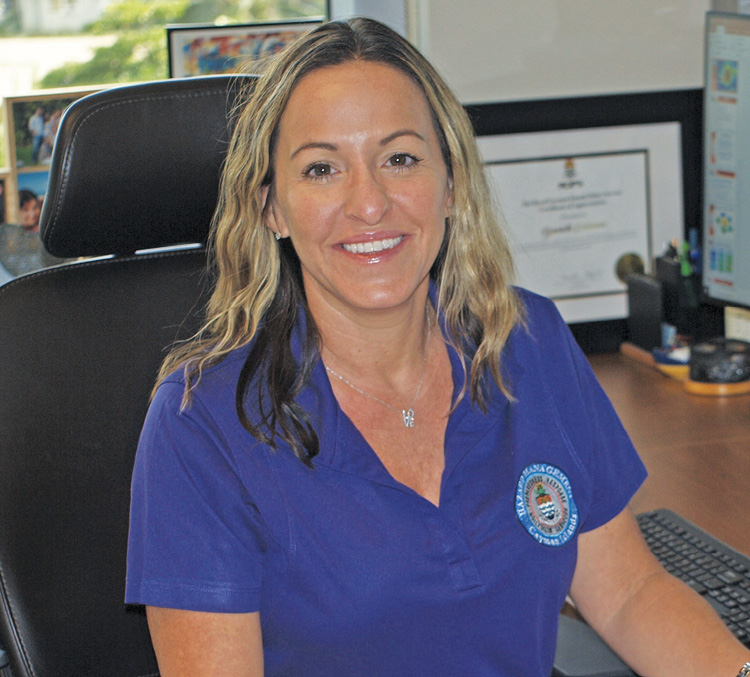
Dani Coleman, director of Hazard Management Cayman Islands, outlines what has been done since Hurricane Ivan to increase the territory’s readiness for disasters.
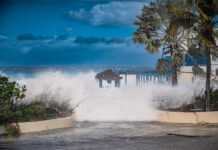
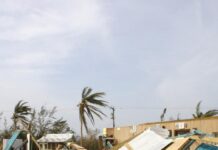
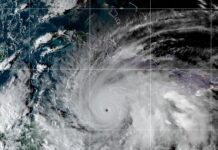
The date 11 Sept. 2024 marks the 20th anniversary of Hurricane Ivan. While 20 years may seem like a long time ago, the hurricane is seared into the memory of all who went through it and has left an indelible place in the history of the Cayman Islands.
Hurricane Ivan was certainly a devastatingly powerful weather system, but looking around today, we can see that our recovery has indeed been remarkable. It stands as a testament to the will and strength of so many.
Cayman has also made great strides to increase resilience and lower our vulnerability in the years since the storm. The recovery process from Hurricane Ivan brought many improvements in local capacities and additional regional and international support mechanisms.
Cayman’s increased resilience includes:
Regional and International Support
 • New regional support mechanisms are now in place, including Cayman’s membership in the Caribbean Disaster Emergency Management Agency and other private partnerships.
• A collaborative relationship with all (British) Overseas Territories including offering surge capacity, if needed.
• A solid and enhanced partnership with the UK Government (Foreign, Commonwealth and Development Office, Ministry of Defence etc.) to ensure assistance is provided to the Cayman Islands, when needed.
Infrastructure
• Increased building codes to strengthen all new residential and commercial infrastructure.
• A requirement that newly constructed government buildings are built to withstand Category 4 or 5 storms.
• Increased shelter space, along with new pet-friendly shelter options, directional signage, and improved standby power and contingency water supplies for all shelters.
• Utilising concrete poles for the electrical grid, which are more resilient than wood poles.
• Creation of a looped water supply system and introduction of a new water plant in North Side, giving potable water infrastructure increased resilience and dependability.
• Fortified roads with sea walls, with a number of new roadways being constructed more inland away from vulnerable coastal areas.
• A strengthened and more robust emergency communications system with the acquisition of a state-of-the-art, ultra-high frequency Motorola communications system. This allows first responders and the National Emergency Operations Centre to better communicate, thereby improving situational awareness during major incidents involving a multi-agency response.
Risk Analysis
• Improved vulnerability analysis to better understand the hurricane threat, which in turn supports decision-making and actions to reduce the risks and impacts.
• Improved forecasting capability with the installation of the Doppler radar.
• The development of situational awareness dashboards providing improved intelligence capabilities and understanding of the most impacted communities, which help guide damage assessment procedures and relief.
Capacity Building
• The establishment of Hazard Management Cayman Islands and the national hazard management mechanism which includes the National Emergency Operations Centre and the Sister Islands Emergency Committee, with trained staff and personnel to respond to all major emergencies.
• Hazard management legislation to guide and direct hurricane preparedness, response and recovery efforts, and includes a dedicated disaster recovery fund.
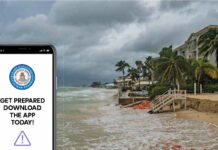
• Improved capacity to alert the public, with the establishment of the National Emergency Notification System or NENS (Phase 1 radio alert and Phase 2 NENS app).
• A legal requirement that all government agencies have contingency plans (which are updated annually) to minimise impacts to critical functions, and expedite the recovery from hurricane impacts and other threats.
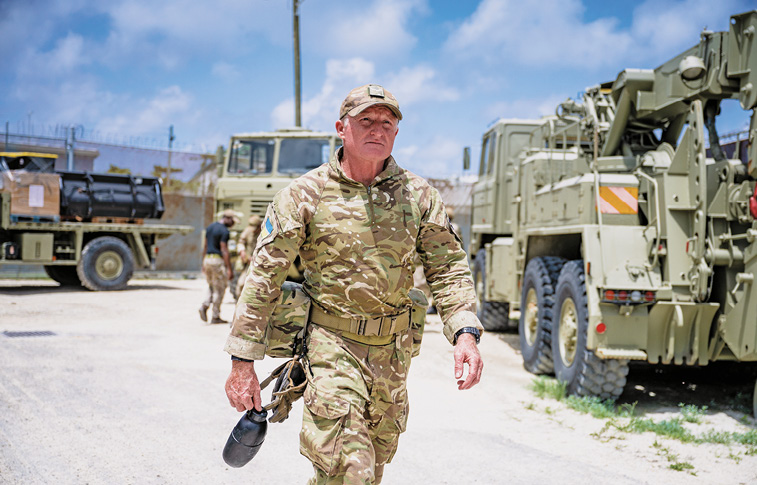
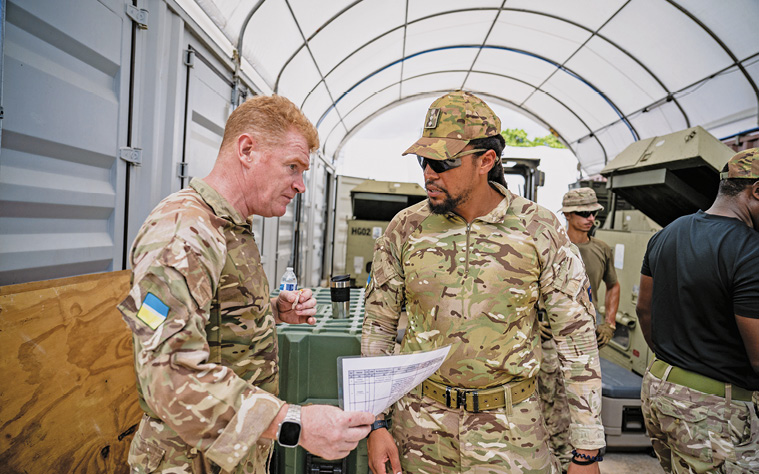
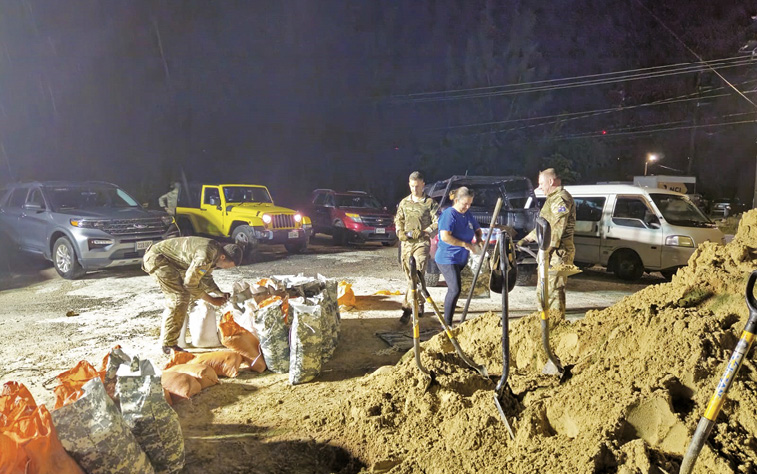
• The establishment of the Cayman Islands Regiment to support disaster response and recovery efforts
• The inclusion of mental health professionals and a ‘quiet room’ at all emergency medical centre shelters during activation, and the establishment of a mental health helpline available 24/7 during an emergency. Overall, there is a much greater understanding of, and appreciation for, the mental health implications in the context of the impacts of all large-scale emergencies.
Preparedness
• Increased public awareness of all hazards, including hurricane threats through a robust public education programme carried out through presentations to schools, businesses, government agencies and NGOs, and supported by dedicated media channels with key messaging.
• Improved capacity to help the elderly and persons with disabilities following a disaster, and greater awareness of the challenges faced by our most vulnerable in the posthurricane environment.
• Improved training in incident command systems and mass casualty management for first response agencies, to ensure a more coordinated and effective response, in a multi-agency incident.
• The establishment of Community Emergency Response Teams (CERTS) across all three islands to build resilience and capacity at the community level.
While there have been many improvements since Hurricane Ivan, Hazard Management recognises that there is always work to be done and we must continuously refine and improve our levels of preparedness and our capacity to respond effectively to hurricanes and all other emergencies.
A few of the many areas we are working on include:
• Flood modelling to support improved storm-water management.
• Increasing emergency shelter capacity.
• Expanding the reach and capability of the National Emergency Notification System (NENS).
• Gathering high-quality risk analysis for hurricane surge, storm-driven waves, and flooding from a range of sources such as heavy rainfall, king tides and incremental sealevel rise to guide strategies for reducing vulnerability and to assist policymakers with future planning and development considerations.
• Advocating for additional protection for coastal wetlands which help to mitigate storm surge and wave impacts, and which add numerous other ecological services, including strengthening coastlines from erosion, and increasing biodiversity.
Hurricane Ivan was, if anything, a good teacher. It showed us our weaknesses and taught us how strong we are as a society. It brought us together as a community and reminded us of what really matters in life.
One of the most important lessons Ivan taught was that it only takes one storm to cause significant damage.
So, as we enter the busiest part of this hurricane season, remember to protect yourself, your family and your community. Check your home, car and medical insurance policies, replenish your hurricane preparedness kit, and monitor official channels for updates.
Bookmark the Cayman Islands National Weather Service (weather.gov.ky) and Hazard Management (caymanprepared.ky) websites for preparedness tips, news and updates on storms.
Let’s use Ivan’s anniversary as a reminder that we live in the Caribbean and hurricanes are inevitable. While we understand that the future is unpredictable, we know that much of our success in overcoming adversity has resulted from our preparedness levels, our planning, our resourcefulness and our spirit of optimism.
Let’s learn from Hurricane Ivan: plan, prepare and persevere and as we learned from the old Caymanian seafarers – respect the might of the sea and Mother Nature herself.
Related Videos