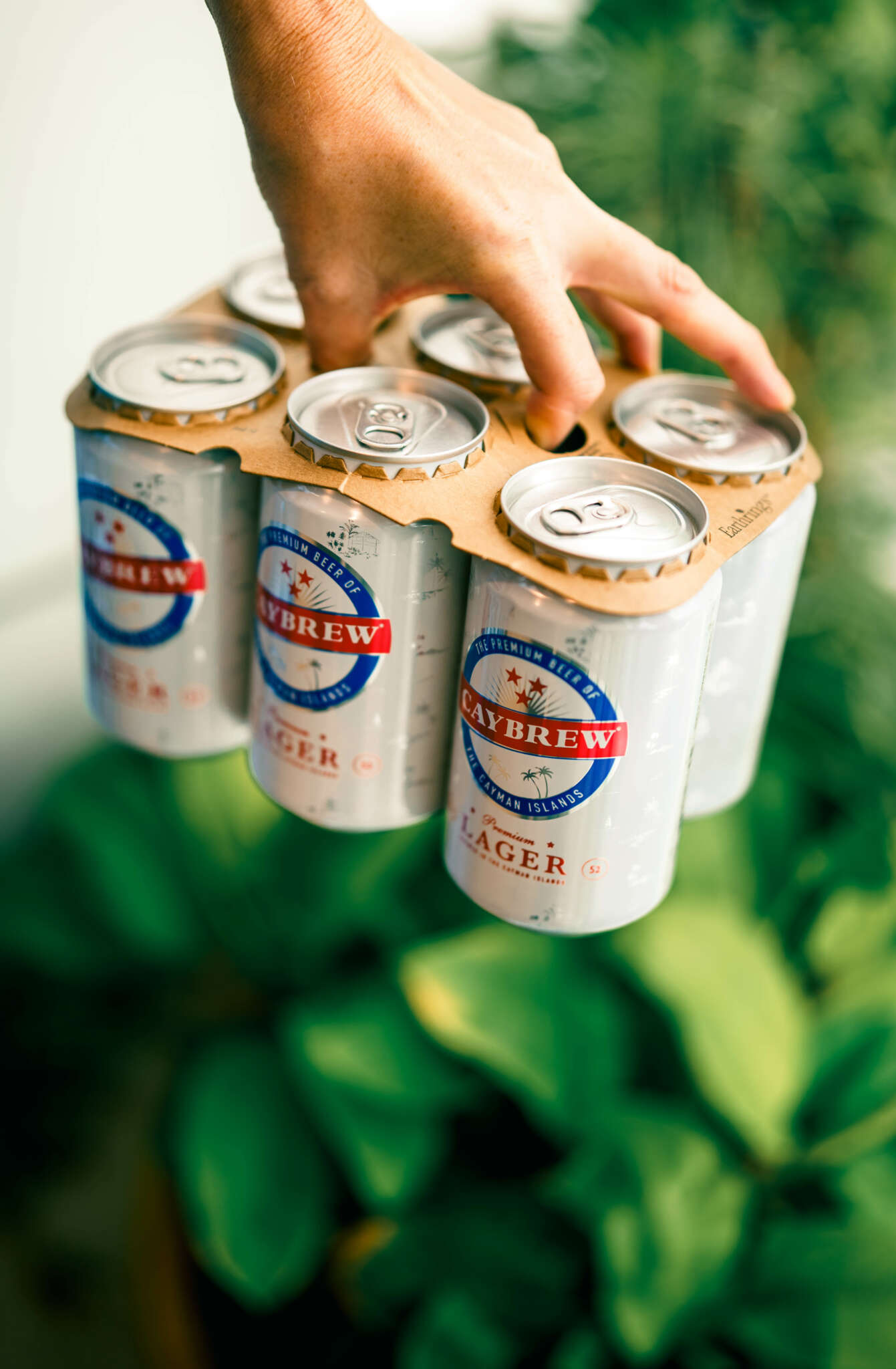
Caybrew will launch biodegradable six-pack rings for all of its canned products.
The “eco-friendly packaging solution” will make Caybrew the first mass producer in Cayman “to move to 100% plastic-free packaging,” according to a press release from the company.
The packaging, known as ‘Earth Rings’, will be available in November.
Made from layers of solid fibre cardboard, the rings are a “robust and durable solution for carrying beer cans while being 100% biodegradable and compostable,” according to the brewery.
“At Caybrew, we’re always looking for ways to reduce our environmental impact, and introducing these biodegradable six-pack rings is a significant milestone,” said Craig Webster, Caybrew general manager.
“For years, this innovation has been a key objective of ours, as it represented the final hurdle in achieving 100% plastic-free packaging. It’s a testament to our commitment to sustainability and protecting the islands we love,” he added.
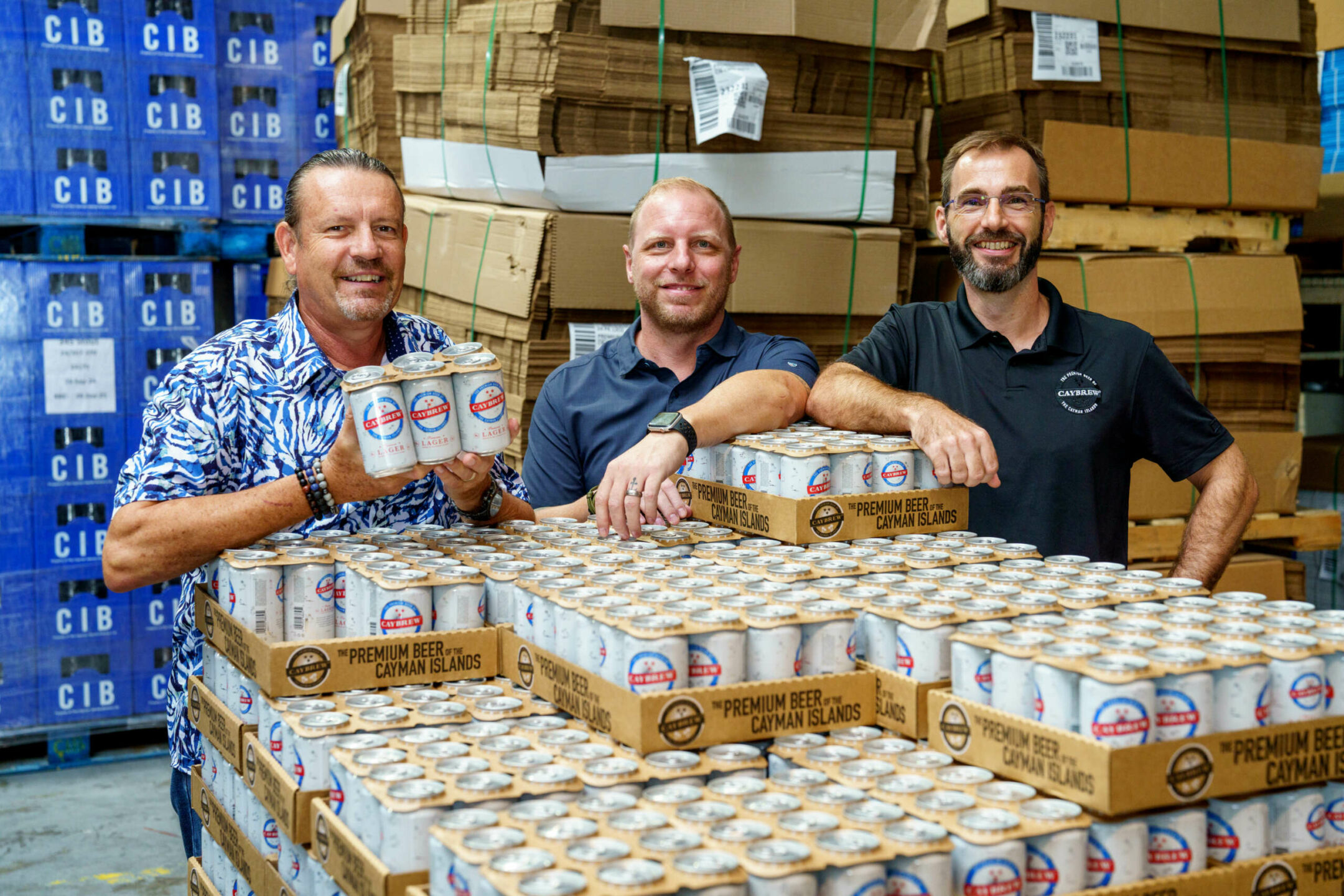
The launch comes after Caybrew removed all plastic from its packaging earlier this month, by printing directly onto the cans, eliminating plastic labels.
The company also offers a ‘bottle reuse programme’ where customers can return a case of empty bottles to the Caybrew Taproom, Blackbeard’s, or Jacques Scott for a $4 discount on their next purchase. The returned bottles are “sanitised and reused, reducing waste, and supporting a circular economy”, Caybrew said.
The press release also highlighted a number of the company’s other commitments to sustainability, including donations from a portion of every sale of White Tip Lager to the Guy Harvey Ocean Foundation and the Cayman Islands Department of Environment, totalling US$275,000 to date; the use of solar panels at the brewery; giving leftover grain from the brewing process to local farmers for livestock feed; and donating grain bags to local beach clean-up groups to collect rubbish.
Related Videos