

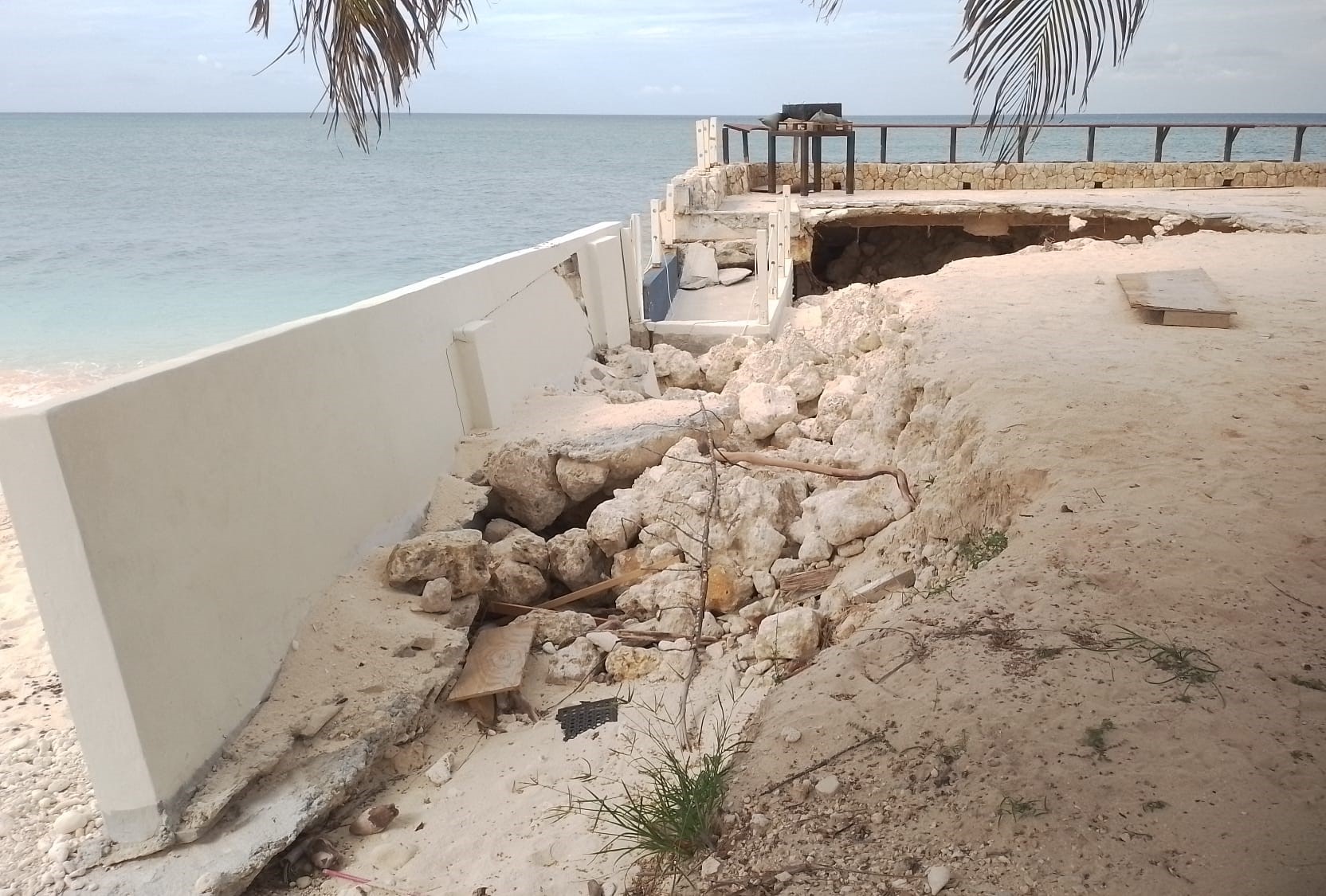
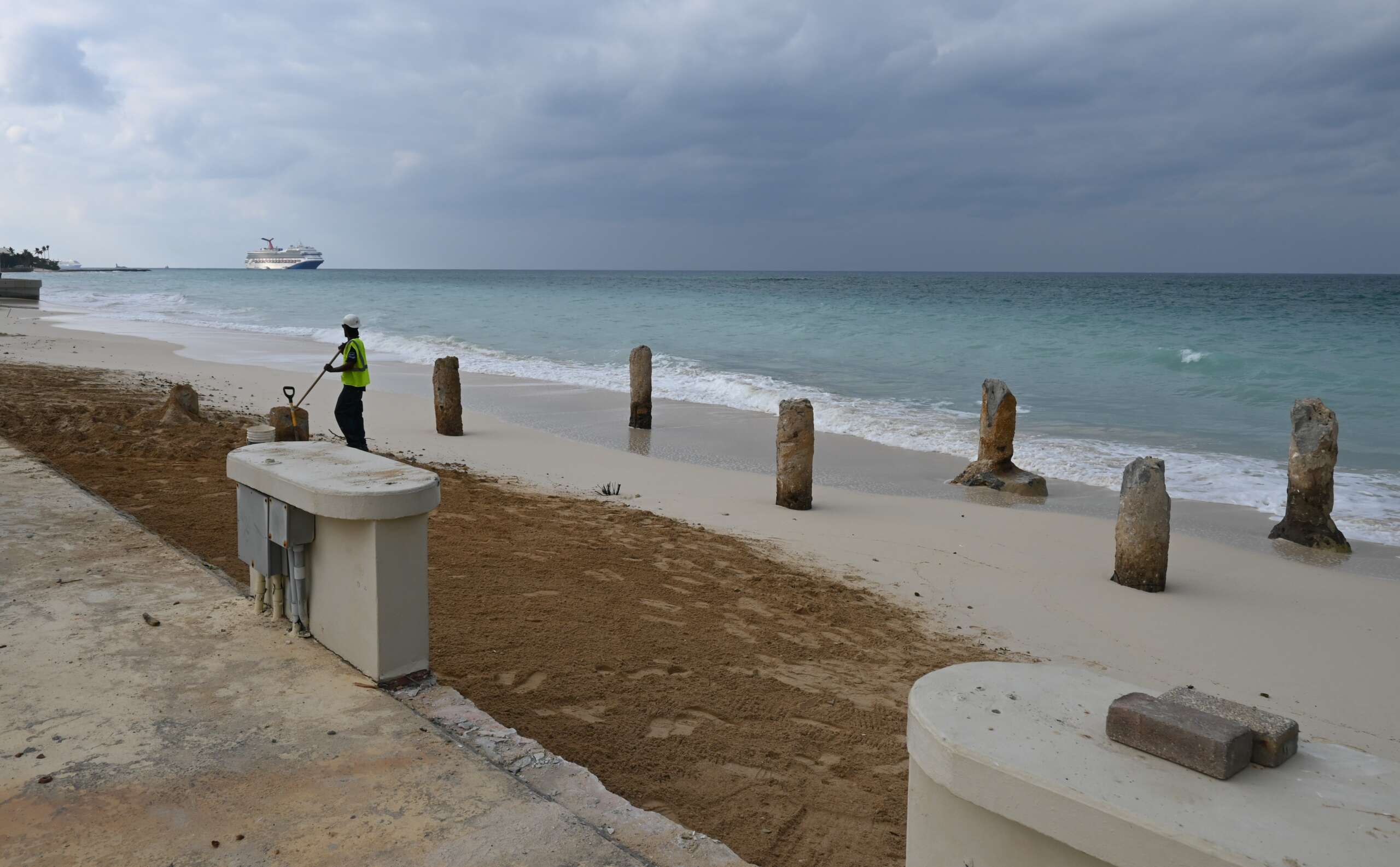
The looming closure of Coral Beach and the recent demolition of the Royal Palms building have turned the spotlight once again on the need for a “viable solution” for the erosion impacting Cayman’s world famous Seven Mile Beach, particularly on its southern end.
Sharlene Brenkus, president of the Cayman Islands Tourism Association, reiterated the urgency as she weighed in on the issue following the announcement of Coral Beach’s closure at month’s end.

“Beach erosion is a national issue. We are at point critical with the need to find and execute a viable solution. Public and private sector must partner to restore and preserve our primary tourism asset, Seven Mile Beach,” she told the Cayman Compass last week in her first interview since taking office.
Brenkus, who sat down with the Compass to discuss her new term and plans ahead, said the beach erosion was uppermost on the list of areas where CITA would like to see action taken.
Brenkus stressed that Seven Mile Beach is the island’s “number one asset” that draws tourists and locals alike.
Crown Jewel, which operates Coral Beach, issued a statement on Friday afternoon announcing the end of its lease agreement with landlord Cayman Shores Limited, a subsidiary of Dart, saying that, effective 31 Jan., it will cease operations.
It blamed beach erosion for the decision.
Brenkus said Cayman has to face its challenges and “weigh the gains versus trade-offs and define a sustainable management plan that ensures we are making the best decisions for the long term”.
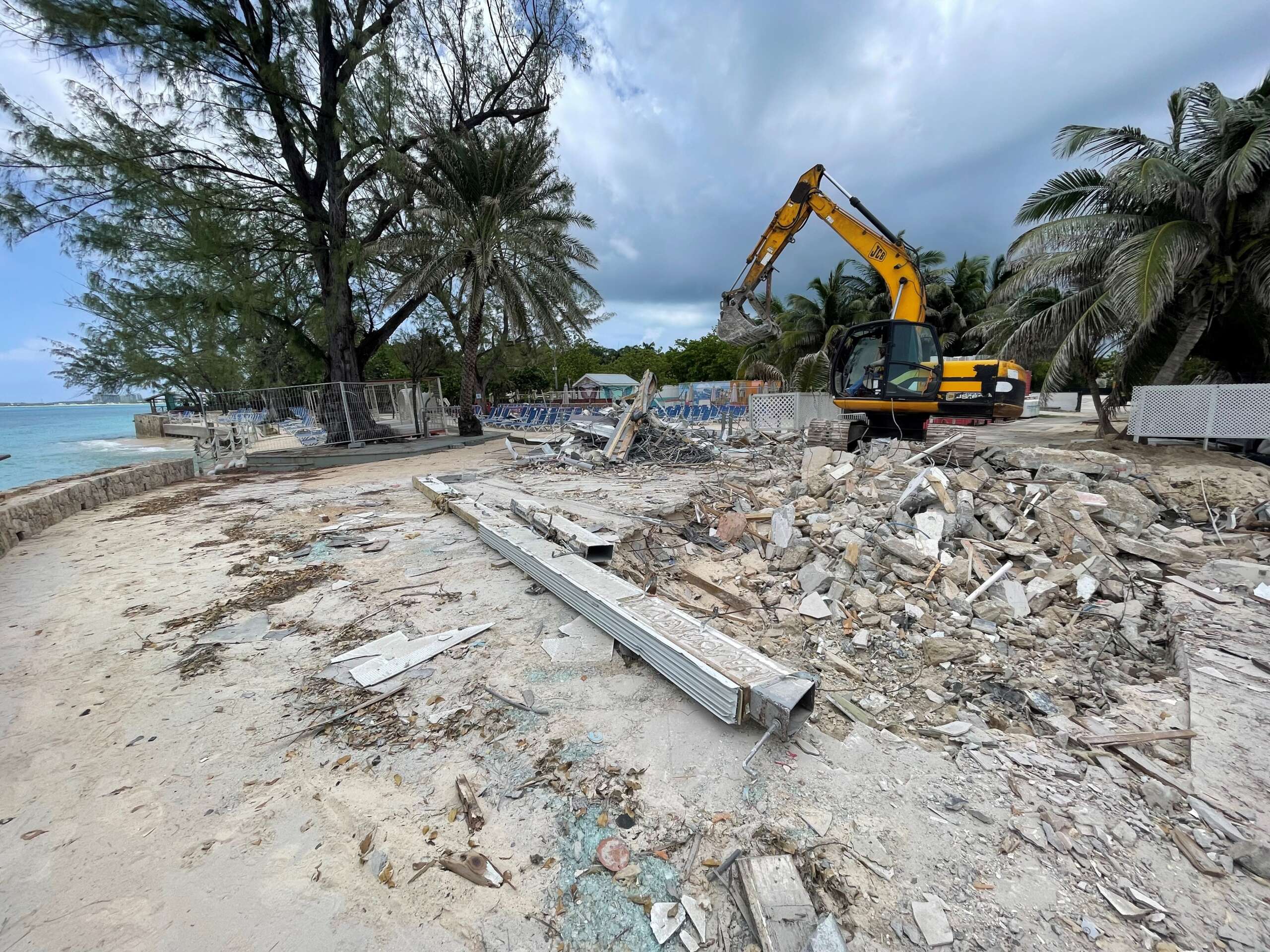
Crown Jewel said the decision to close comes after “a prolonged period of environmental challenges, including ongoing beach erosion, diminished beach access and the demolition of the main bar building due to storm damage, which have significantly impacted the ability to deliver a pleasing beach experience that guests to Seven Mile Beach deserve.”
Brenkus said Coral Beach’s closure “further diminishes public beach access, which the destination can ill afford”.
“It is vital to develop a defined plan to safeguard beach access for all, residents and visitors alike, to protect our natural environment and ensure the beauty of the Cayman Islands remains,” she said.
Coral Beach has been a popular site for cruise ship tourists to enjoy; however, the diminishing beachfront due to erosion has put pressure on Public Beach and Governors Beach to receive more visitors.
This is a concern that Brenkus also noted.
‘Beach erosion a top priority’
Brenkus urged aspiring candidates for the general election to make this issue a top priority for action should they win office in the 30 April polls
“This is our livelihood. It’s part of the tapestry of who we are. It defines our destination as an island, so yes, absolutely [it needs to be a priority,]” she said.
However, she said to keep that “beautiful beach access” will take an all-hands-on-deck effort, as beach erosion ”doesn’t belong to one specific group; it belongs to everyone.”
“We are really looking forward to having a seat at the table and assisting in any way possible in finding solutions to mediate and to repair some of the damage that is in play at the moment,” she said.
While she said she believes everyone would agree that a solution is not being found fast enough, Brenkus said the truth remains, “ there isn’t a quick fix necessarily, and it has to be the right solution for everyone and it has to be a sustainable solution.”
Government, on its public procurement portal Bonfire, last month issued a tender for quotations, seeking qualified bidders to help design the best solution to restore sand stripped away from the southern end of Seven Mile Beach.
That process has since closed.
The Compass has reached out to the Ministry of Sustainability for an update on the beach re-nourishment plan and is awaiting a response.
Deputy Premier and Tourism Minister Kenneth Bryan, who described the Coral Beach closure as yet “another blow” to the island’s tourism product, said he was looking forward to the minister for sustainability’s further announcements on government’s beach re-nourishment plans.
Tourism outlook ‘positive’
Despite the challenges on Seven Mile Beach, Brenkus said she expects the tourism industry to continue to build on its successful holiday season.
“It’s going to be a fantastic year,” she said, adding that January hasn’t slowed down from the the winter season high.
Brenkus said now the US elections are over, bookings will begin to pick up again.
“ Once the election process was done in the US, you started to see the loosening of the market, meaning that the booking pace started to increase and our winter season from a base perspective began to solidify. And as seen over the Christmas period, it was a very healthy holiday season from all perspectives; occupancies were high,” she said.
Brenkus added that there are some challenges on the horizon for the industry, in particular the referendum on cruise berthing and the implementation of a new minimum wage for the hospitality industry.
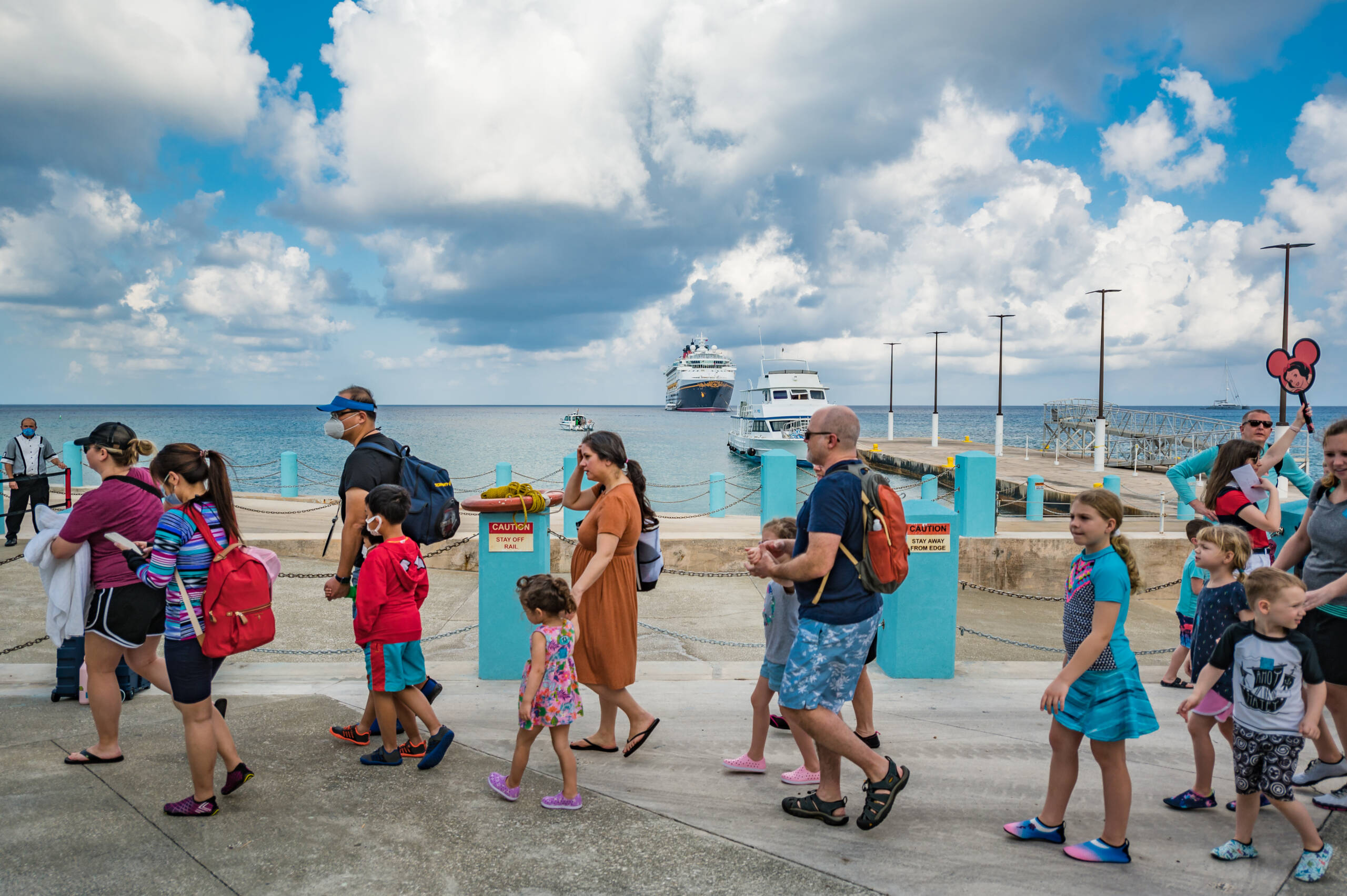
CITA, she said, is polling its members on the issue of cruise berthing before making a public position on the matter.
However, she pointed out that there is still not much information on the referendum or what the final question will look like, as that aspect is still to go before Parliament.
Last month, government gazetted its referendum bill with the proposed question on cruise being, “Should the Cayman Islands develop cruise berthing infrastructure?”
Parliament is set to resume on 31 Jan. when the bill is expected to be debated.
Related Videos













BUILD THE WALL AND FILL WITH SAND
You reap what you sow. If you build hotels and condos and seawalls too close to the beach you will lose your beach. This should not be a surprise. This is the new reality. This sand is not coming back no matter how much the government spends on re-nourishing the sand. The re-nourished sand will also get washed away sooner than later. It would turn out to be the government literally throwing money away – into the ocean. Why hasn’t the CITA startes the discussion with what their members are willing to do or offer – like retreat from the beaches, and start paying attention the DOE and their recommendations on not developing so close to the water. Had anyone listened to the DOE decades ago this problem may not even exist today.