

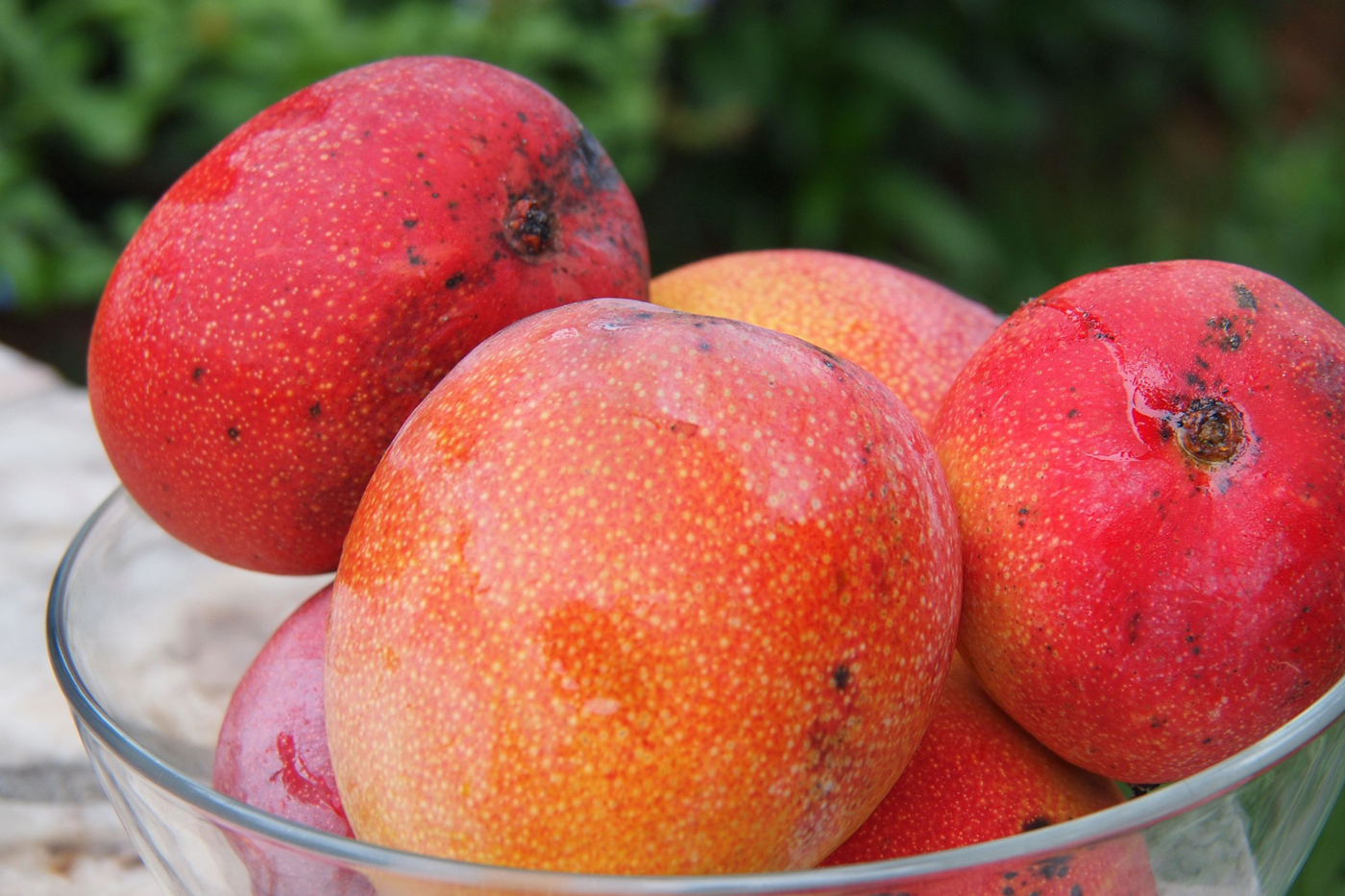
During mango season, Cayman enjoys a wide range of locally grown options, boasting dozens of varieties of the beloved fruit. This wasn’t always the case, however.
Mangoes aren’t native to the Caribbean, and it was only in recent decades that Cayman began to cultivate such an abundant variety of the fruit.
The wild mango is thought to have originated in the foothills of the Himalaya mountains, and the first known cultivation of the fruit was around 4,000 years ago in India.
In 1897, British botanist William Fawcett wrote about the first mangoes planted in the nearby island of Jamaica, following the fruit’s “capture” at sea, in ‘The Public Gardens and Plantations of Jamaica’.
“In June 1782 Captain Marshall, of H. M. S. Flora, one of Lord Rodney’s squadron, captured a French ship bound from Mauritius for Haiti, carrying a number of plants of economic value. The ship was sent as a prize to Jamaica,” the text reads.
When the first mango arrived in the Cayman Islands is not documented, but Wray Banker, formerly of the Cayman Islands National Museum, said, “I can only recall there being three or four types of mangoes when I was a young boy growing up in West Bay.

“There was the sugar mango, the common long mango and the common round mango, which was mostly up in North Side and Savannah, but that one was quite stringy, and it would get caught in your teeth.”
He added, “You can still find some of these old trees in the bush and in the yards of the older Caymanian properties and homes.
“Fifty years ago, it was not that easy to find a ripe local mango for sale in Cayman, even during the season.”
He couldn’t recall even buying a mango until the ’90s.
“Sometimes the Farm Soldier on Shedden Road would have a few mangoes at the God’s People Market, but mostly you either picked your own or you got one given to you by a friend or family member,” he said.
Over the past 50 years, there has been a dramatic increase in the number of varieties of mangoes grown in the Cayman Islands.
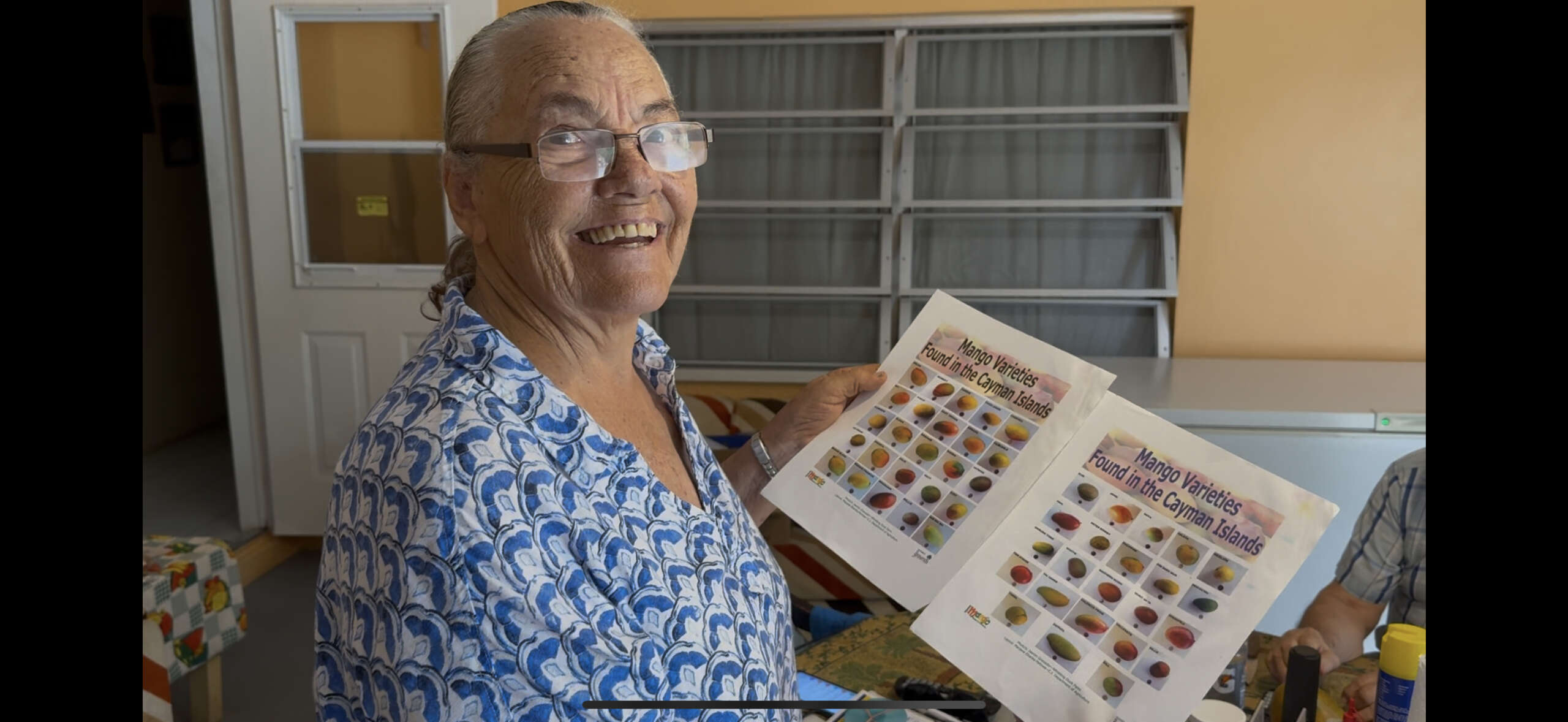
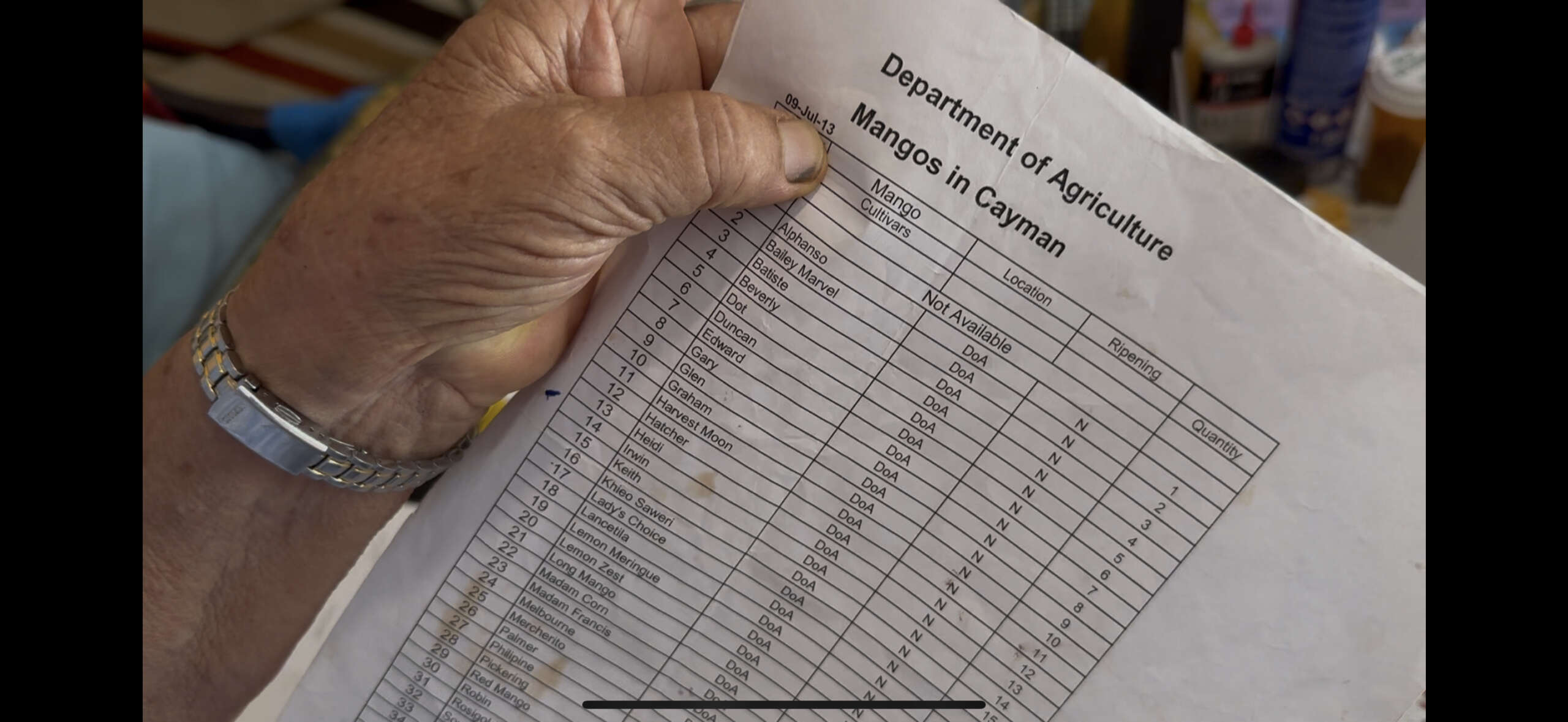
The Cayman Compass recently visited the Whistling Duck farm in North Side, where co-owner Zelma Lee Ebanks showed us a Department of Agriculture list of mangoes growing in the Cayman Islands dating back to 2013.
“You can see there were 75 varieties of mangoes growing here at that time, and I believe there are over 100 different types growing here now,” she said, as she pointed to the list.
Globally, there could be as many as 1,500 varieties. They range in size from just a couple of inches across to the huge Keitt mango that can easily weigh over two pounds. They also have a wide variation in taste and texture.
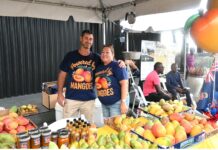
Willie Ebanks is one of the leading mango farmers in the Cayman Islands and runs Willie’s Fruits and Juices and the Whistling Duck farm in North Side with Zelma Lee, his wife.
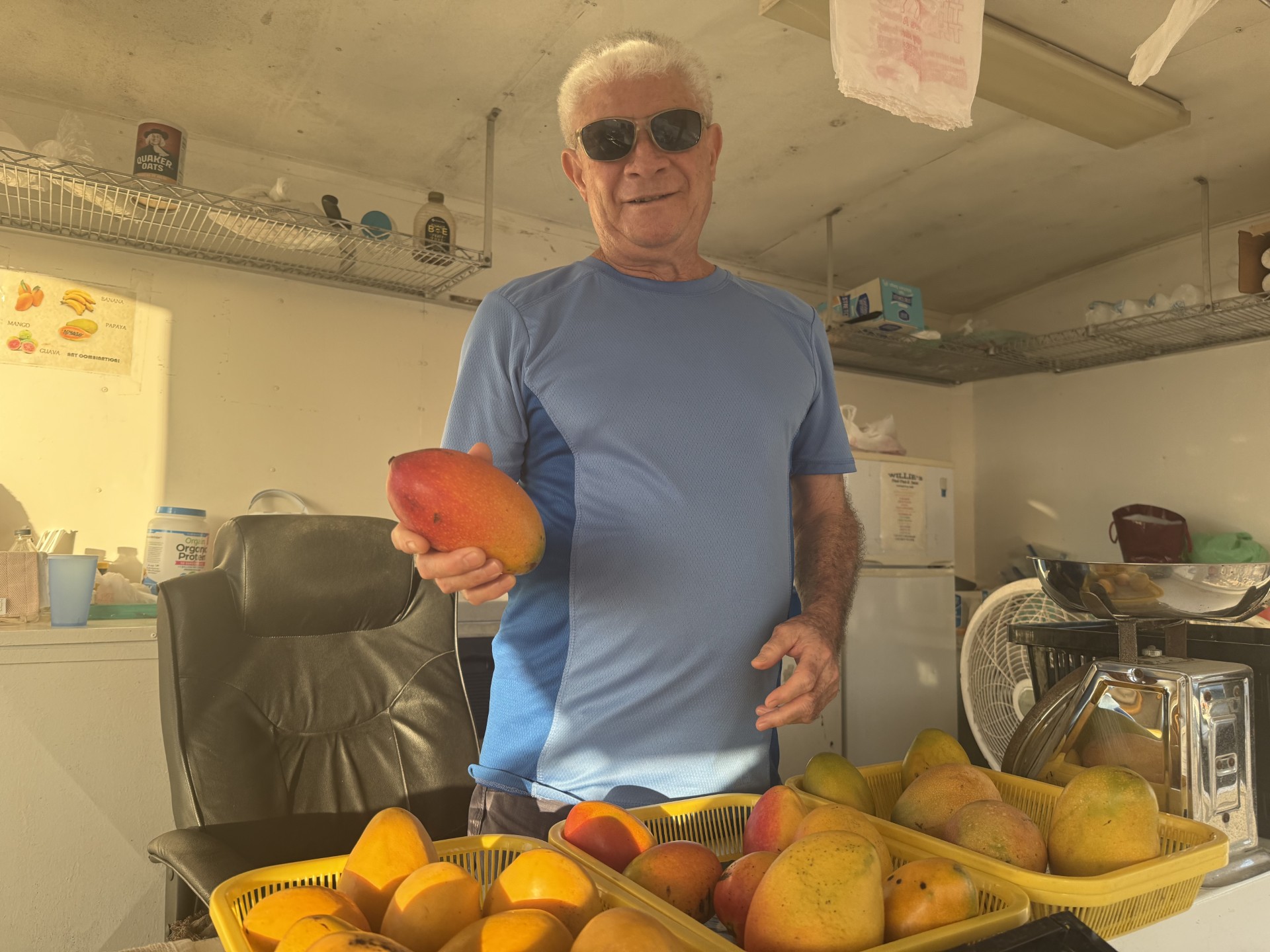
“It is a family-run business,” explained Zelma Lee, who added that their grandson Kiernan Barnes does the deliveries.
Ebanks’ brother Charlie sells the mangoes and other fresh fruit from a trailer on the roadside near the Country & Western restaurant on Shamrock Road. The family also has a roadside trailer at the junction of Frank Sound Road.
“There are lots of ups and downs in farming, and you never quite know where you are heading,” Willie Ebanks said, adding that hurricanes and droughts create further uncertainty.
During mango season, which runs from 1 June to 31 July, it is still quite common to see families heading down to the beach on weekends and eating the fruit in the sea.
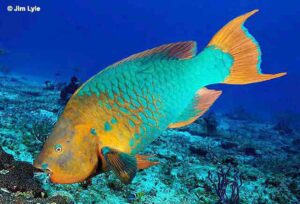
In the past, the discarded skins of the mangoes would attract very large rainbow parrotfish, locally known as gilimbo, close to shore. It was not uncommon to find local fishermen using mango skins as bait to attract the fish, which could easily grow to over three feet in length and weigh 20 pounds or more.
In honour of all things mango, on Saturday, 5 July, the Cayman Islands National Museum in George Town will celebrate the fruit with the ‘Mangofest‘ event. This annual celebration of the fruit is a great opportunity to sample different types and figure out what your favourite variety of mango is. Admission to Mangofest is free.
Related Videos







It’s crazy that local mangos are .20 cents cheaper than kiwis imported from Chile and New Zeland. Something isn’t right with pricing. 3.79 at fosters Kiwis 3.99, mangos at farmers market $4 a lb.
Sure is prohibitive to eat healthy and local