

Few e-bikes have been registered in line with a law that will be enforced starting Sunday, 1 March, Cayman’s police chief said on Friday.
Commissioner of Police Kurt Walton said only 11 e-bikes had complied with the legislation, passed in 2018, but will now be enforced.
Walton admitted, “I am really disappointed because we intended to start this back in January.”
He warned, “The reality is the law is the law and I am expected to enforce it.”
The commissioner added he had seen e-bikes on the roads that had not yet complied with the law as he drove around Grand Cayman.
He said he had put himself back on the beat, pulled riders over and explained the need to comply with the rules on insurance, testing and registration before the deadline.
Insurance available
Walton highlighted, “At least two insurance companies, Indigo and Saxon, are offering insurance policies.”
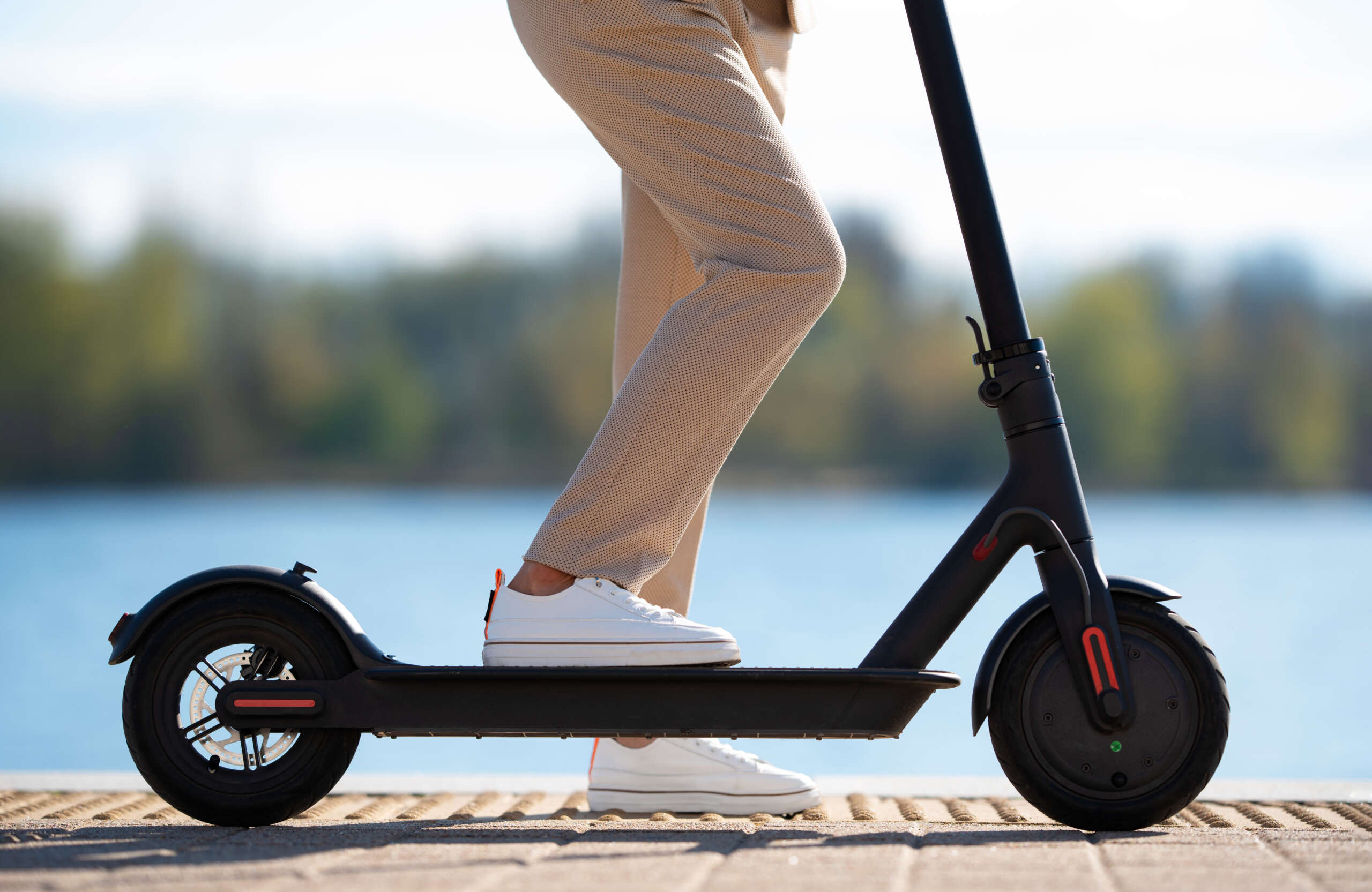
He added that the rules also applied to e-scooters, which are also popular as low-cost powered transport.

“They were never really intended to be used on public highways,” Walton said. “They were intended to be used on in small private areas, but they are all over the place on our public highways.”
He was speaking on 27 Feb., just two days before enforcement started, and said the figure of 11 was correct up until the middle of that week.
Enforcement of the law on insurance, licensing and inspection of e-bike and scooters was originally scheduled to start on 16 Jan.
The enforcement deadline was pushed back to 1 March by the police in consultation with Governor Jane Owen, partially because of a lack of insurers prepared to offer cover.
As of 16 Jan., just one insurance firm, Indigo, was offering insurance for the vehicles by the original deadline day.
UK’s strict rules
It is illegal in the UK for privately owned e-scooters to be ridden on public roads, pavements or cycle lanes, although it is legal to sell and buy them for use on private land.
Police can seize e-scooters used illegally and offenders may face fines and penalty points on their driving licence.
The UK has trial areas for rental e-scooters, but they are limited to specific areas, including parts of cities such as London and in Birmingham, Liverpool and Newcastle.
Rental users in trial areas are permitted to use cycle lanes and public roads, but riders must be at least 18 and hold a UK full or provisional driving licence and the machines must be insured.
It is legal to ride an e-bike in the UK without a driving licence, but only pedal-assist models, not throttle-controlled e-bikes.
They are also restricted to a maximum power output of 250 watts and limited to a top speed of 15.5 miles per hour and can be ridden by people aged 14 or older. Only the lights normally carried on a pedal cycle are needed.
Riders of e-bikes with throttle controls or more powerful motors need vehicle tax and insurance under the UK Road Traffic Act, and operators need a driving licence and motorcycle helmet, although indicators are only required for some categories.
Related Videos












Just another play of the government not wanting to support a green initiative and sell cars on the island.
It’s not about making peoples lives easier but too much government overreach and collecting taxes by requiring scooter and bike fees.
Stick it to the man ebike riders.
What did they expect to happen?
E-scooters should be restricted to a maximum weight and top speed. Say 15-20 mph.
Shut down any business that alters them to go faster.
Minimum age of 14.
Electric assist pedal bikes should have top speed of 25 mph. Maximum weight also.
Then no need for license or insurance for either of them.
Focus on the heavy, fast bikes that are really electric powered motorbikes. THEY should be insured and have licenses.
Dear Mr Walton, why dont you begin first with pulling off the road all the noisy, smoke plume producing dump trucks that terrorize the streets with their jake brake noise, constant honking and thick black smoke! These trucks are far more hazardous the a few low income workers with a low carbon foot print trying to get to work without joining the “car economy”. Enforcement should be logically connect to the level of importance of a problem for society. Electric bikes mainly seem to be concern for some lobbyists who see it as competition for cars. The bikes themselves dont pose a risk to anyone… leave these people and their bikes alone for now and enforce against anti social conduct and criminal level polluters!
Now comes the interesting part…Enforcement!!