
Pam Abbott is managing director at SteppingStones recruitment agency in the Cayman Islands. Here, she shares her top tips to make your résumé stand out.
A résumé is your first introduction to a potential employer, and your chance to make a strong impression before you step into an interview.
A well-crafted résumé doesn’t just list your past jobs; it highlights your achievements, skills, and the value you can bring to a company. In today’s competitive job market, where recruiters may spend only a few seconds scanning each résumé, the quality of your résumé can make all the difference between getting noticed and getting overlooked.
Creating a standout résumé doesn’t have to be complicated. With attention to detail and a focus on relevance, you can craft a document that communicates professionalism and purpose.
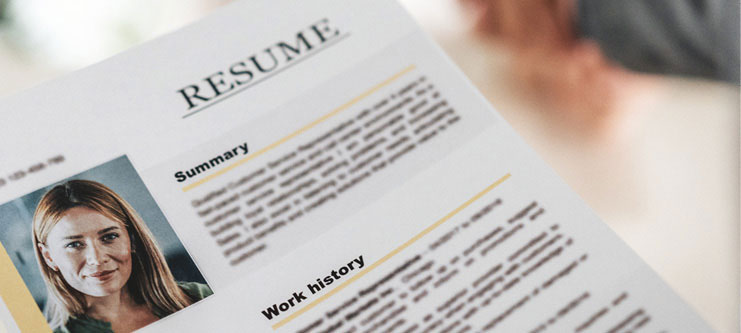
Here are some top tips to help your résumé rise to the top of the pile:
Keep it concise. Your résumé should be short and focused, offering a clear snapshot of your skills, experience and accomplishments. Aim for two to three pages if you have extensive experience.
Highlight your most relevant experience. List your previous positions in reverse chronological order, placing your most recent and applicable roles first. Employers are most interested in what you’ve done lately and how it relates to their opening.
Show your achievements. Don’t just describe responsibilities, quantify results where possible. Use strong action verbs to show how you solved problems or improved processes.
Tailor it to your target job. Define your goal clearly and adapt your résumé for each position. Focus on the skills and experience most relevant to that role, and remove anything unrelated that might distract from your strengths.
Include key sections. At minimum, list your contact details, education, and employment history. You can also include certifications, technical skills, or relevant volunteer work that adds value.
Use a clean, readable layout. Keep your format simple and professional with consistent fonts, spacing and headings. Avoid large blocks of text and ensure everything is easy to read both on-screen and on paper.
Be cautious with creative designs. A visually designed résumé can stand out, but it’s best for situations where you’ll hand it out in person such as career fairs or networking events. Many companies use Applicant Tracking Systems (ATS), which may struggle to read graphic-heavy résumés. For online applications, stick to a plain, text-based version that’s ATS-friendly.
Proofread carefully. Errors in spelling or grammar can quickly undermine your professionalism. Review your résumé thoroughly or ask someone else to look it over before sending it out.
Include a thoughtful cover letter. Accompany your résumé with a short, personalised letter explaining your interest in the role and why you’d be a great fit.
By following these tips, you’ll create a résumé that not only presents your qualifications clearly but also positions you as a confident, capable professional ready for your next opportunity.
This article originally appeared in Compass Media’s 2026 Careers Guide.
Related Videos