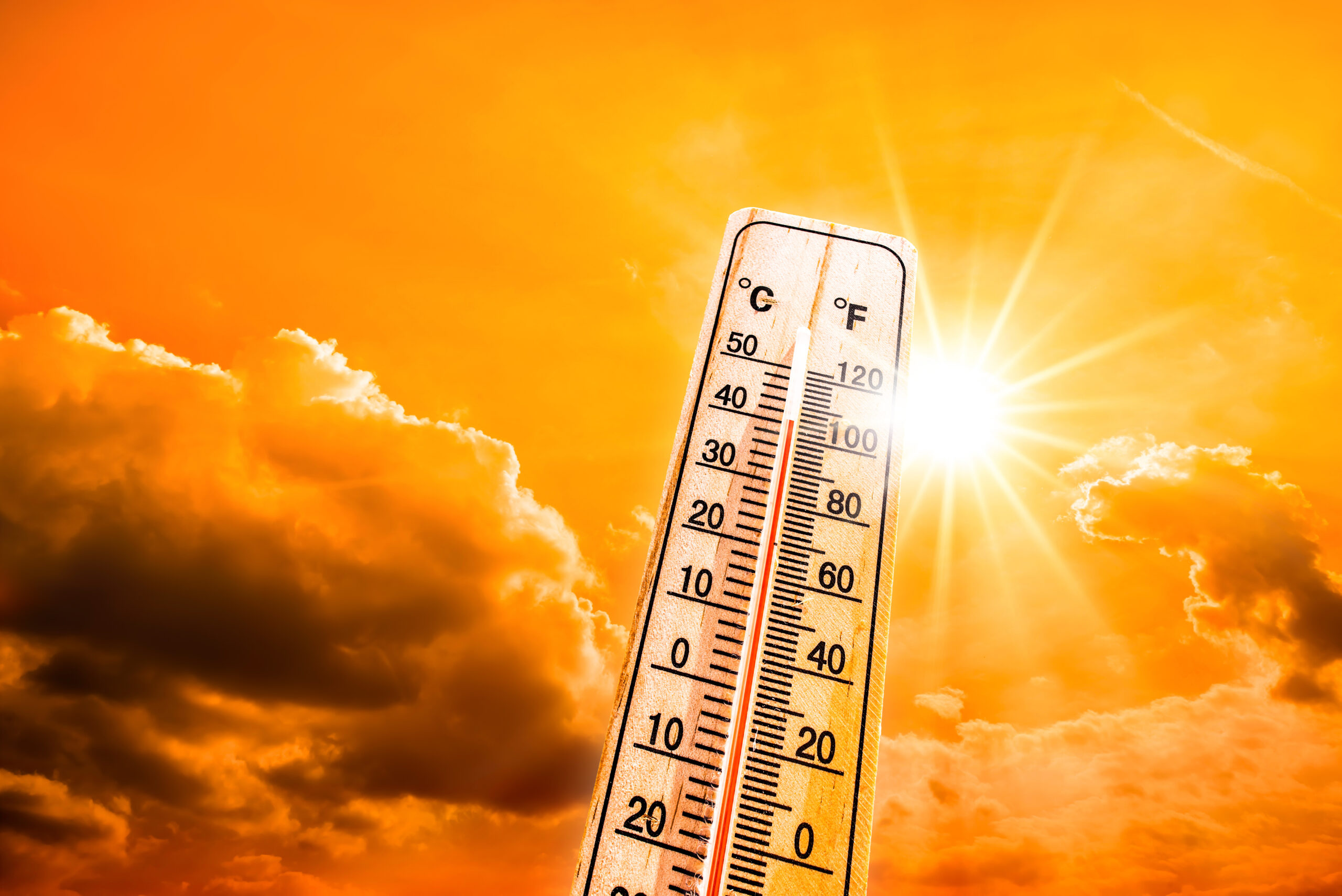
Summer is officially here, and in Cayman that means heat is not an occasional inconvenience, but a part of daily life.
However, familiarity can also create a false sense of security. Cayman residents may be more acclimatised than visitors from cooler climates, but high temperatures, strong sun and humidity still place real strain on the body, particularly when hot days are followed by warm nights that offer little chance to recover.
That risk may become more important this year, with El Niño conditions expected to influence weather patterns and global temperatures. The World Meteorological Organization has warned that El Niño is likely to continue through the coming months, with above-average temperatures forecast across much of the world.
In April, the Cayman Islands National Weather Service warned that “frequent or prolonged heatwave conditions are possible during the 2026 wet season as the Pacific shifts toward El Niño”. Forecasters say the pattern is expected to push temperatures above average across the Caribbean, while also limiting the overnight cooling that normally offers some relief after a hot day.
Risks of excessive heat exposure
Public health agencies, including the World Health Organization, warn that heat is not just uncomfortable. It can worsen heart disease, diabetes, respiratory illness, kidney disease and mental health conditions. Heatstroke is a medical emergency and can be fatal if not treated quickly.
The Cayman Islands Health Services Authority says, “Too much sun exposure can have serious consequences.” They recommend being vigilant about the warning signs of heat exhaustion or heat stroke, which include:
- Heat exhaustion: heavy sweating, weakness, cold, pale and clammy skin, fast weak pulse, nausea, and fainting.
- Heat stroke: high body temperature, hot, red, dry, or moist skin, rapid and strong pulse, and possible unconsciousness. The Health Services Authority warns that heat stroke is a medical emergency, and persons should call 911 immediately.
The people most at risk include older residents, babies and young children, pregnant women, people with chronic health conditions, outdoor workers, athletes, people living alone and those without reliable access to cooling.
In Cayman, the risk is especially relevant for construction workers, landscapers, outdoor tourism staff, fishermen, athletes, runners and anyone spending long periods outdoors. Heat stress can build quickly when the body is working hard, sweating heavily and struggling to cool itself in humid air.
Residents and visitors should void strenuous activity during the hottest part of the day, seek shade, drink water regularly and take breaks before symptoms begin. Outdoor work and exercise should be planned for early morning or evening where possible.
People should also be aware that the sun can make conditions feel much hotter than the official temperature. In direct sunlight, perceived heat can be significantly higher, particularly on roads, parking lots, boats, beaches and construction sites.
Tips to avoid heat exhaustion
At home, keep rooms as cool as possible by closing curtains or blinds against direct sunlight, turning off unnecessary electrical appliances and using fans or air conditioning where available. At night, ventilation can help if outdoor air is cooler.
Hydration is one of the simplest protections. Water should be taken regularly throughout the day, not only when thirst becomes intense. Alcohol should be limited, as it can contribute to dehydration.
Heat exhaustion symptoms can include weakness, dizziness, headache, cramps, heavy sweating, nausea and intense thirst. Anyone experiencing these symptoms should move to a cooler place, remove unnecessary clothing, drink cool fluids and use cold cloths, showers or fans to lower body temperature.
Heatstroke is more serious. Warning signs include confusion, loss of coordination, hot skin, rapid heartbeat, shortness of breath, seizures or loss of consciousness. Emergency help should be called immediately while efforts are made to cool the person down.
Children and pets should never be left in parked vehicles, even briefly. Temperatures inside a vehicle can rise dangerously fast.
Swimming can help people cool off, but it brings its own risks. People should avoid swimming alone, stay within their ability and avoid entering the water after drinking alcohol.
Related Videos