

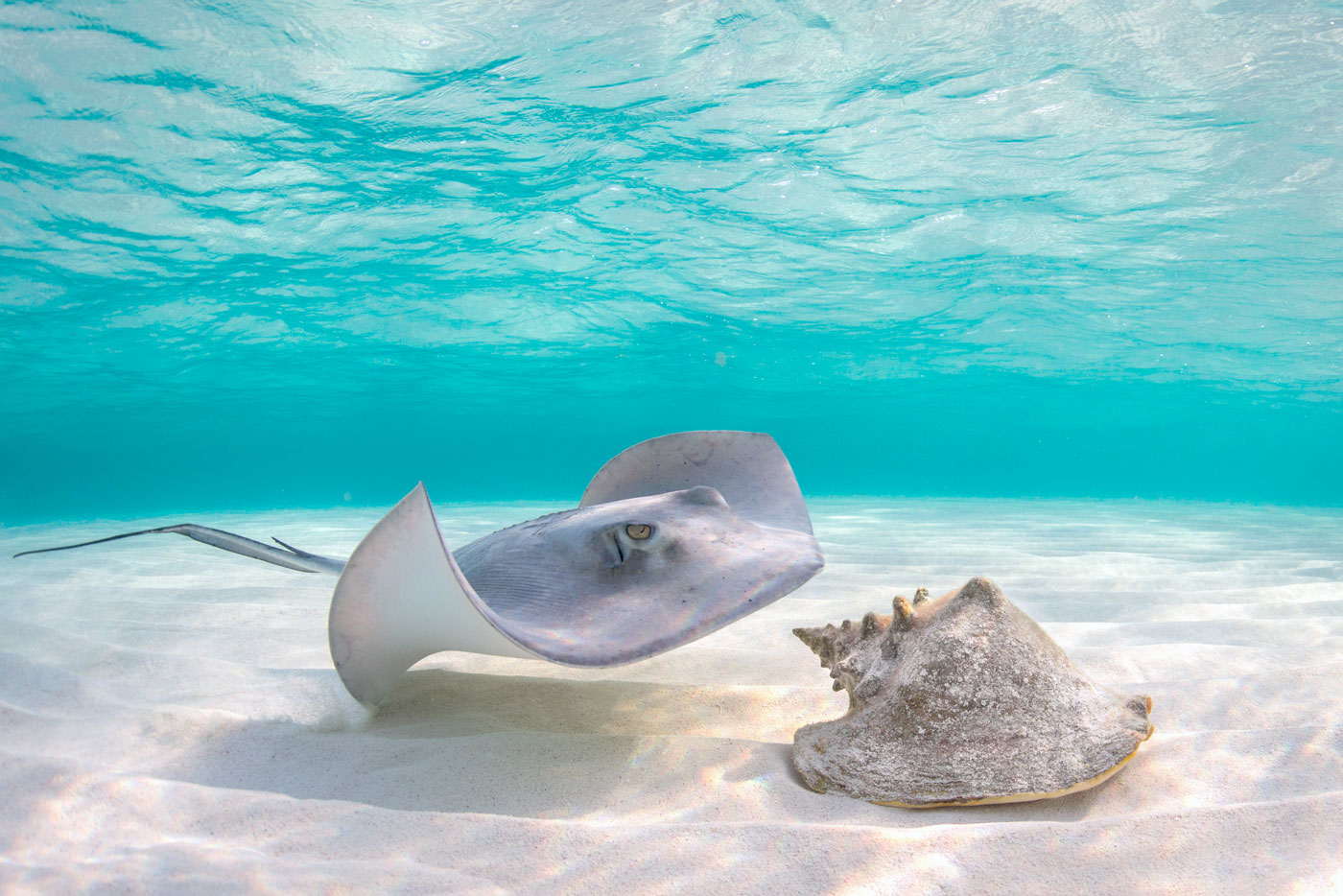
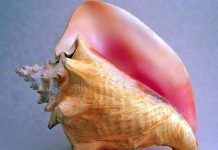
With the official opening of conch and whelk season on 1 Nov., the Department of Environment is advising members of the public heading into the water to take precautions to avoid spreading the deadly stony coral tissue loss disease.
Anyone taking conch and whelk from local coastal waters needs to be mindful of the threat to coral from SCTLD, said John Bothwell, manager, legislation implementation and coordination unit, at the DoE.
“DoE ask anyone getting in the water snorkelling, including persons going after conchs, to disinfect their snorkel gear after they are done, or between sites if they go to more than one area in the day. This is to limit the spread of SCTLD around the Cayman Islands,” Bothwell told the Cayman Compass in an emailed statement Wednesday.
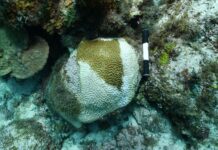
SCTLD continues to ravage local coral around Grand Cayman and threaten local reefs. The disease, first found locally in June last year, off North Side, has spread to almost every part of the island’s coastline.
First discovered in Florida in 2014, the disease has made its way to many coral ecosystems throughout the northern Caribbean including here in Grand Cayman.
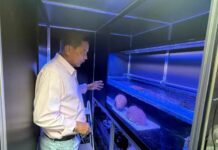
Local marine scientist and SCTLD project coordinator, Tammi Warrender, is heading efforts to battle the deadly disease.
She recently explained that infected corals are being treated with special antibiotics which have been proven to slow down progression of the disease.
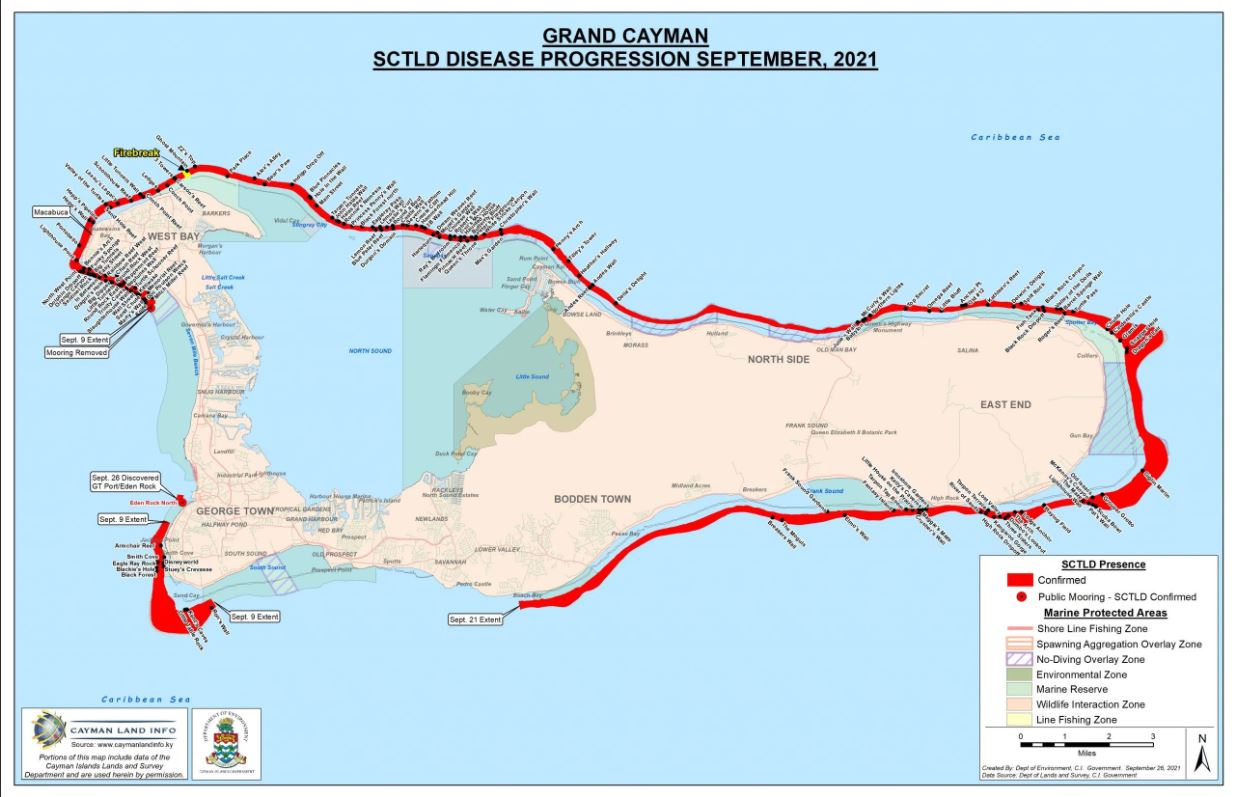
Even with those steps, Bothwell stressed that preemptive action is important.
“SCTLD is spreading around Grand Cayman but we don’t have to help it. This is even more important for people who may take their gear, or their boat, to the Sister Islands. Do your part and disinfect gear and boat bilges,” he said.
Bothwell added that keeping a bucket or large garbage can of fresh water with disinfectant solution (such as Dettol) on vessels “will disinfect snorkels, masks, and fins. While the washing machine will do the same for your swim suit.”
Meanwhile, Bothwell is reminding the public that removing conch from the open zones is permitted, but limited to five per person or 10 per boat per day, whichever is less.
“Following these rules for a sustainable recreational take of conchs means that we can all keep taking conch legally in the future. Anyone approached to buy conch in bulk, or with tips about restaurants buying conch illegally, please let DoE know by calling our enforcement team. It is illegal for any person – or restaurant – to sell, buy or possess more than five conch per day,” he said.
In addition, using scuba for taking conch is not allowed.
Bothwell reminded that “everyone going conching this weekend, or during the season, should download the DoE marine conservation app so that they know where they are, that they are not conching in a marine park, and as a reminder of the conch catch limits”.
The Marine Park Boundary maps can be viewed here.
To report offences to the DoE: call 916-4271 in Grand Cayman; 925-0185 in Cayman Brac; and 925-0185 in Little Cayman; or call 911 on any island.
While the public can take conch and whelks, other marine animals like chitons, periwinkles and bleeding teeth may not be taken.
Taking echinoderms (starfish, sea eggs/urchins, sea cucumbers and sand dollars) is also prohibited.
Meanwhile, the next hunting season on the schedule is lobster, which starts on 1 Dec.
Violation of any of the limits carries a maximum penalty of a Cl$500,000 fine and one year imprisonment.
Related Videos






It looks like the west side is. not effected. That is a supposed protected area and no one should be taking conch from there. It is bout time that the powers to be enforce the protected areas round the island so our children and grandchildren have fish and coral to enjoy