

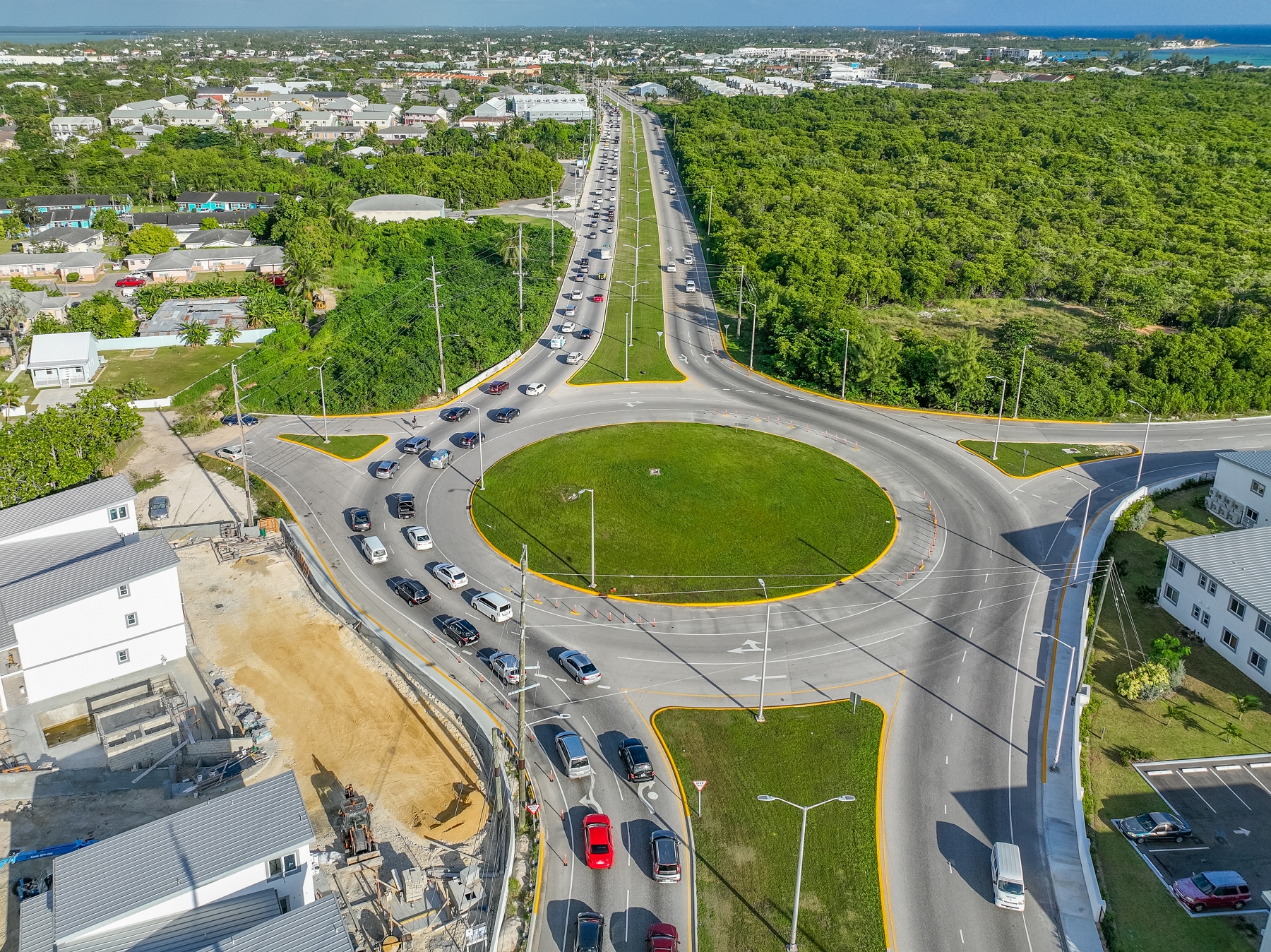
More than 8,000 additional vehicles were licensed to drive on Cayman’s roads last year as traffic surged to record levels.
An all-time high of 46,199 vehicles passed inspection during 2022, according to the Department of Vehicle and Drivers’ Licensing, an increase of 22% on the previous year.
That volume of cars, stretched from bumper to bumper, would be enough to cover 132 miles of open road. The figure includes street-legal vehicles only, meaning the actual number of cars on the roads in Cayman could be far higher.
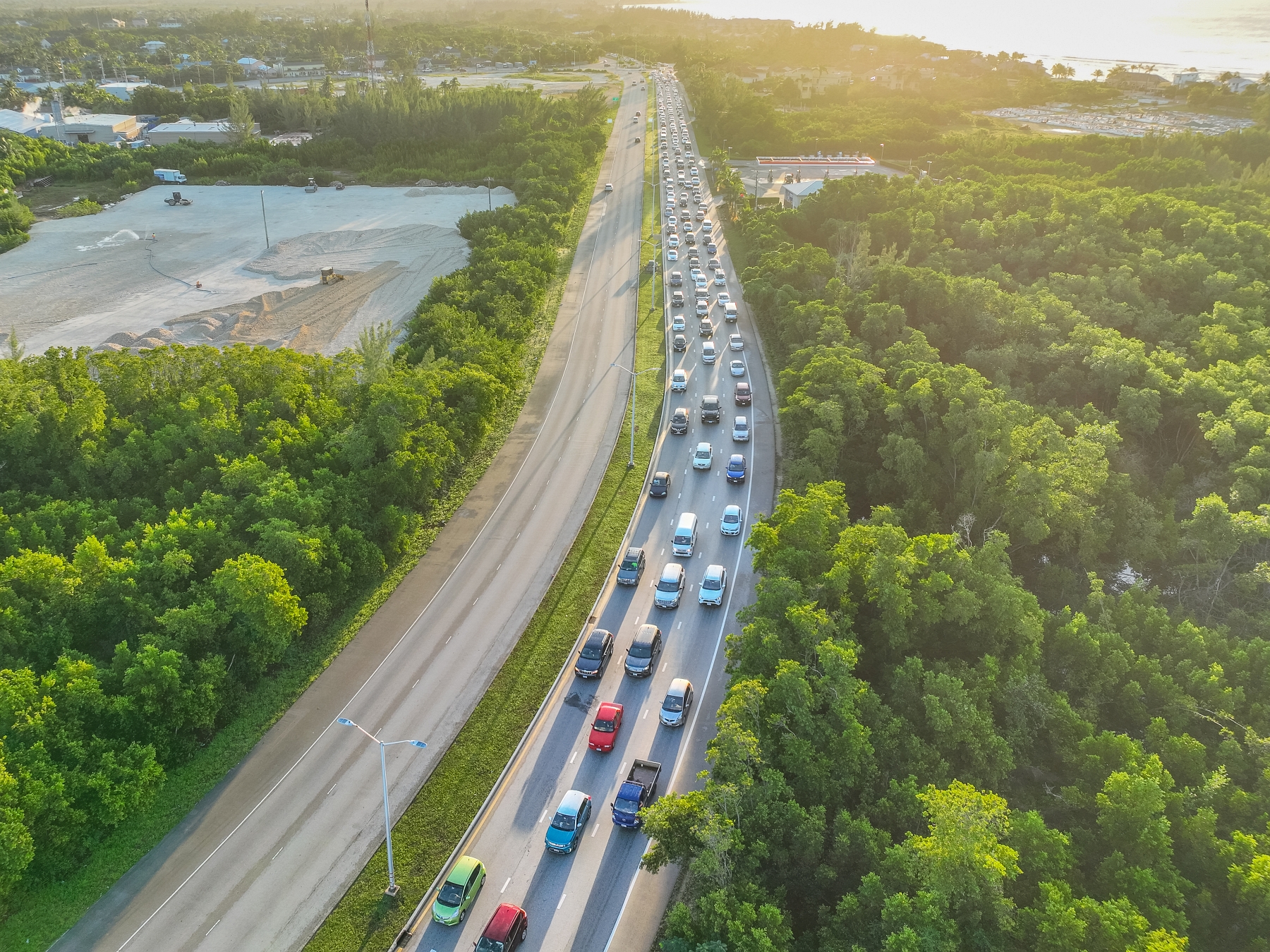
The sharp increase in vehicles, linked to an increase in the population as the economy has bounced back post-COVID, presents a significant challenge for policymakers.
Traffic has emerged as the number one quality-of-life concern for residents in the eastern districts.
And any projected gains stemming from recent and planned road developments are likely to be quickly eaten away by increases in population and car use.
The number of licensed vehicles did dip slightly during the pandemic. But the latest figures, for 2022, eclipse all previous totals, including the pre-COVID record figure of 39,228 registered vehicles in 2016.
Mario Ebanks, an independent candidate at the last election, said a national plan was needed to come up with new solutions.
While he argues for improvements in public transport, among other things, he said there was a “whole menu” of low-cost projects and solutions that could be implemented in the interim.
Ebanks, who participated in a working group which examined solutions to the traffic issues under the last government, said staggered work times and more flexible working arrangements, buses for private schools and limits on the types of vehicles that could be imported were among the ideas already on the table.
“We can’t afford to just keep building roads and expanding roads. We have to find new solutions,” he added.
Ebanks said there were a number of ‘non-capital’ ideas that could be implemented today.
Deloitte report on the way
Deloitte has been commissioned for a $200,000 study to review options to enhance public transport.
Meanwhile government hopes a 10-mile extension to the East-West Arterial, currently in the planning stages, will help ease congestion east of Savannah.
Premier Wayne Panton indicated at the Chamber of Commerce annual general meeting last week, that he would be launching a ‘sustainability agenda’, including a ‘comprehensive transportation plan’, in the coming year.
The Chamber leadership has argued for a strategic vision that factors traffic and transportation into a wider plan for Cayman.
Asked about the increase in vehicle numbers, Shomari Scott, who relinquished the presidency of the business organisation last week, said it was linked to the growth of the economy and the return of visitors and residents after COVID.
There are currently a record 34,607 foreign workers on work permits or government contracts in Cayman and immigration lawyer Nick Joseph, of HSM, estimates the islands’ population could already be as high as 90,000.
That comes just two years after the islands’ census, carried out in the immediate aftermath of the pandemic, put the population at just over 71,000.
Productivity impacts
The Chamber has warned the traffic issue has escalated to the point where it is impacting productivity.
“These delays are causing many businesses and families to adjust their work and living schedules, which costs our community millions of dollars in lost time, productivity and diminishes our quality of life,” said Scott.
He listed restricting vehicle ownership, diversifying of government infrastructure out of central George Town and incentivising businesses and investors to establish a presence in the eastern districts among possible solutions.
The Chamber also supports more remote working, bicycle paths for riding to work and incentivising employee housing, employer pooled transport and increased use of the bus system for all students inclusive of private schools.
Scott said the organisation was looking forward to seeing the Deloitte report and partnering with the government on long-term solutions.
Related Videos








Like every modern city in the world, investment in light rail or real full size bus service can potentially reduce traffic by up to 30% for day time commuters. If you want to be taken seriously as a global financial and trade hub, you have to be serious about public transportation. Simple math…
So there was already a heavy traffic problem in Grand Cayman. For some time it has been getting steadily worse every year. Since starting our holidays in GC in 2009, we have witnessed for ourselves as each year of holiday bliss slowly but surely turned into more of a holiday nightmare navigating the influx of cars. So why, WHY would the government even allow 8,000 more cars into their country to add to the problem? Why isn’t there a plan in place to limit vehicles entering an already jam packed bumper to bumper roadway? And because of these decisions the only option is to make nature pay by bulldozing through 180 acres of Mangroves??? Why are governments (my own included) so afraid or overly cautious to do the right thing? Is this all about $? I don’t get it…I just don’t get why it would be allowed to add to a problem instead of fixing the problem first. If anything, don’t let anymore cars in until there is a solution!!! It’s just common sense!!! Politics suck! We are afraid to come back to GC…between the news of violence by desperate men who have lost so much over the handling of the Covid shut down years, to the traffic debacle and overly inflated prices to keep the middle class out…it’s all such a shame.
https://www.bbc.com/travel/article/20230306-the-progressive-city-that-few-know
Why doesn’t the Caymans Islands Government be more like this city and care more about the environment?