

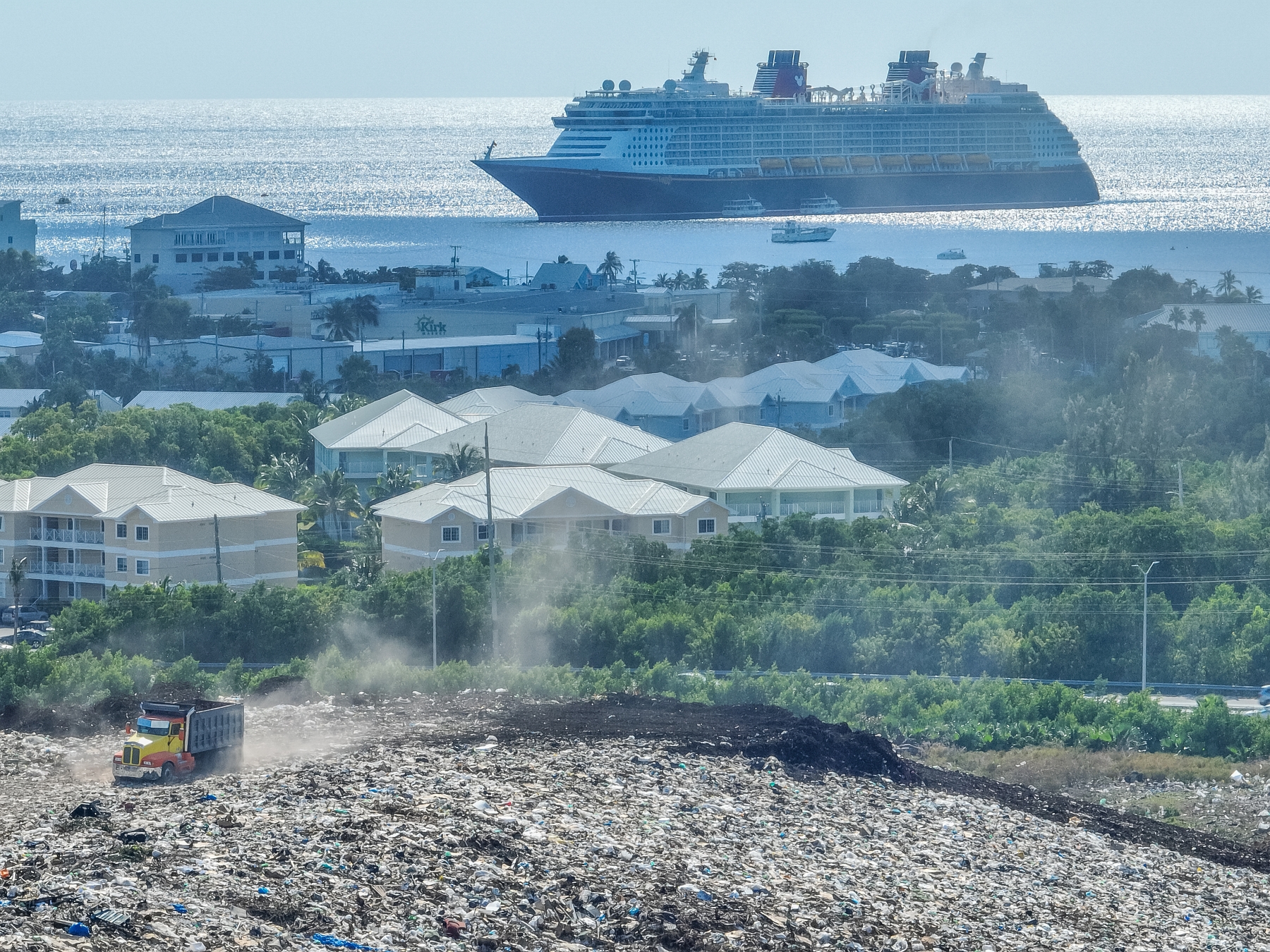
There have been more than 50 fires at the George Town landfill and another 600,000 tons of waste added to the site since government announced in 2017 that a deal had been struck to fix the long-running issue.
As negotiations over the ReGen deal between government and a Dart-led consortium drag on, concern is growing over the management of the landfill, which is rapidly running out of space.
Firefighters spent more than 170 hours fighting nine separate blazes at the site last year – roughly 5% of the total time the Fire Service spent at all incidents in 2022 – according to data supplied to the Cayman Compass. The data shows 52 fires erupted at the site between 2018 and 2022.
Meanwhile, sources familiar with the operation of the dump have dubbed it a “powder keg waiting to go off”, warning it is only a matter of time before another major fire, like those seen in 2013 and 2020, rips through the uncovered landfill area, potentially impacting surrounding homes.
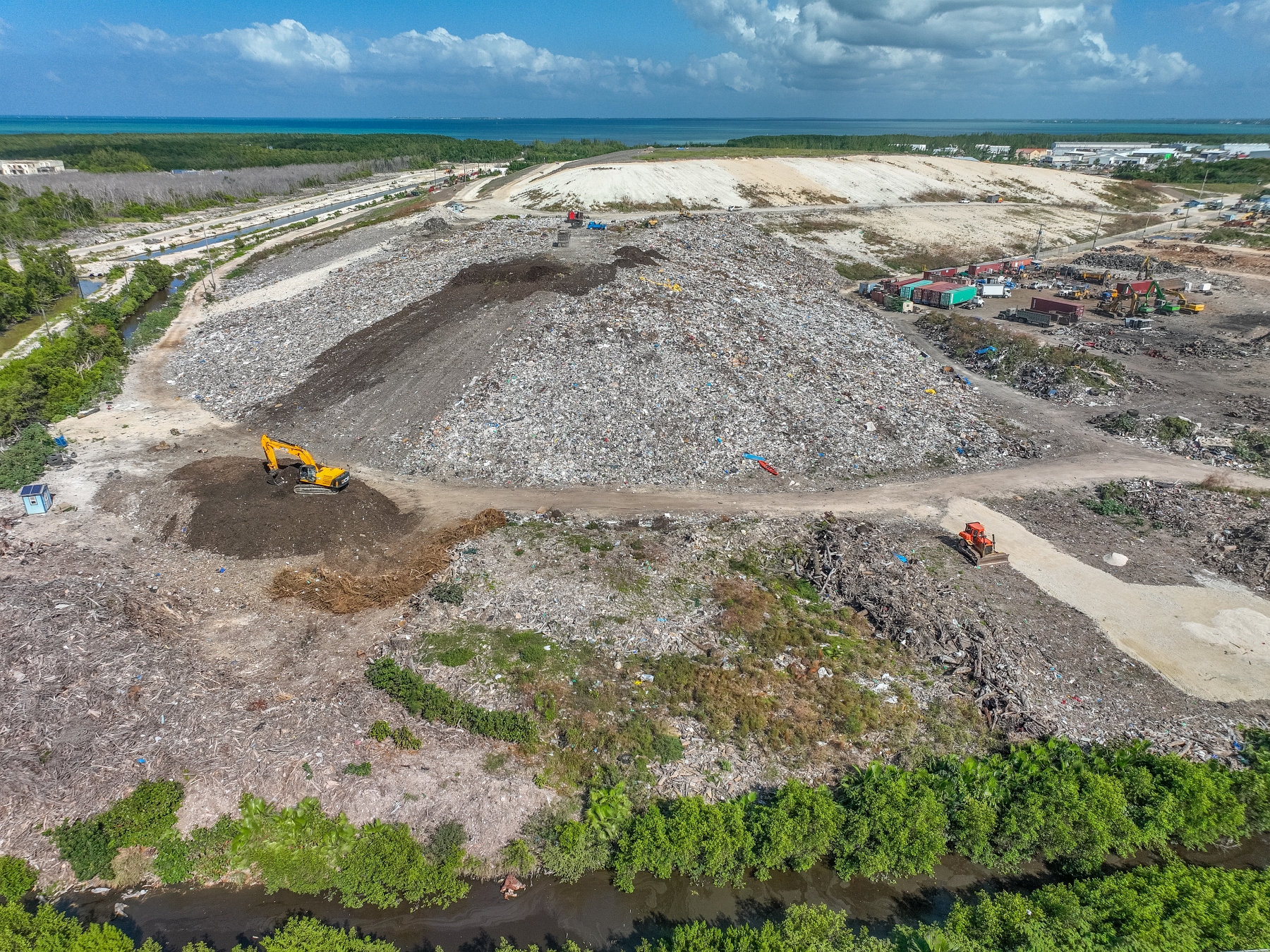
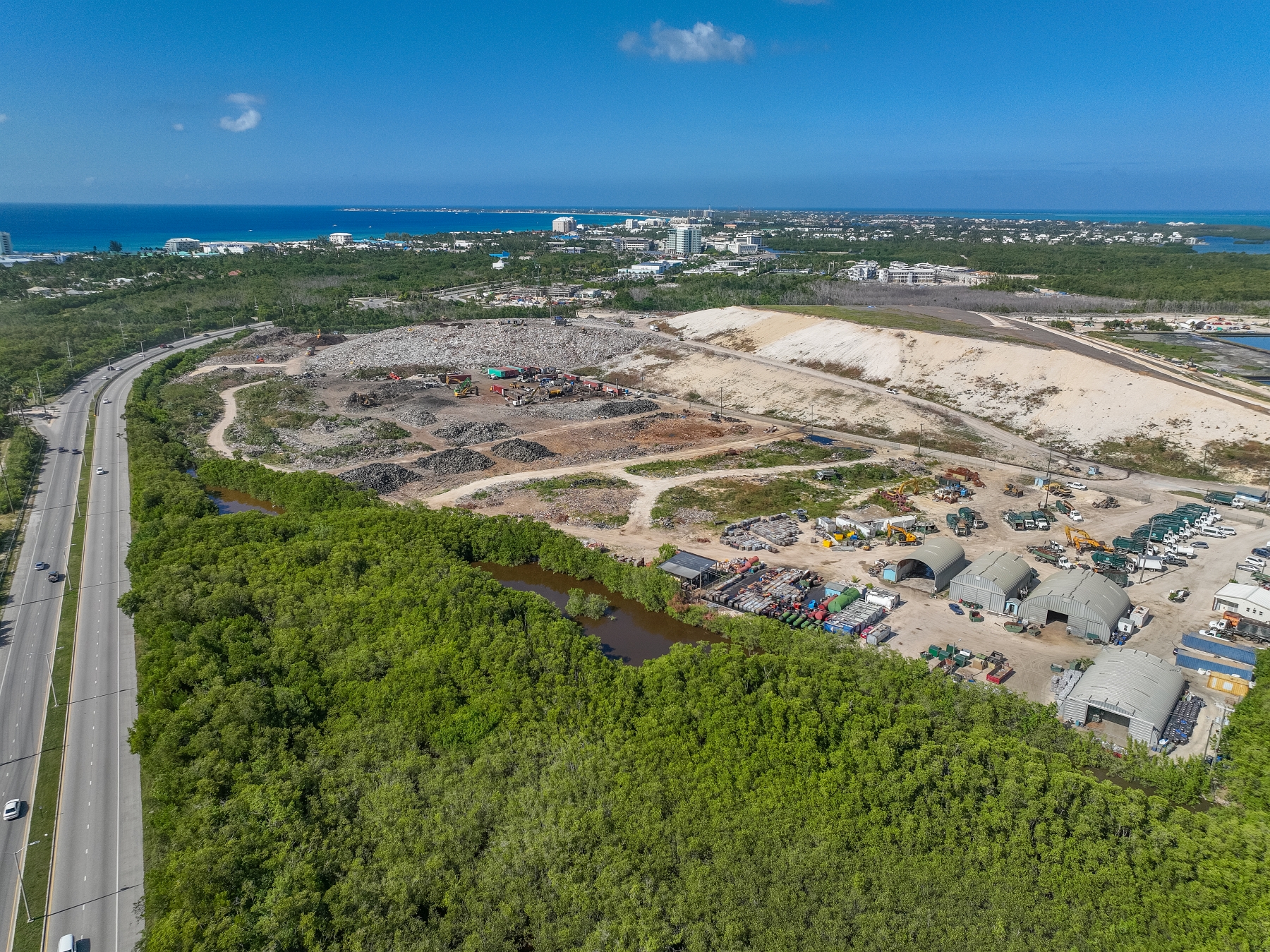
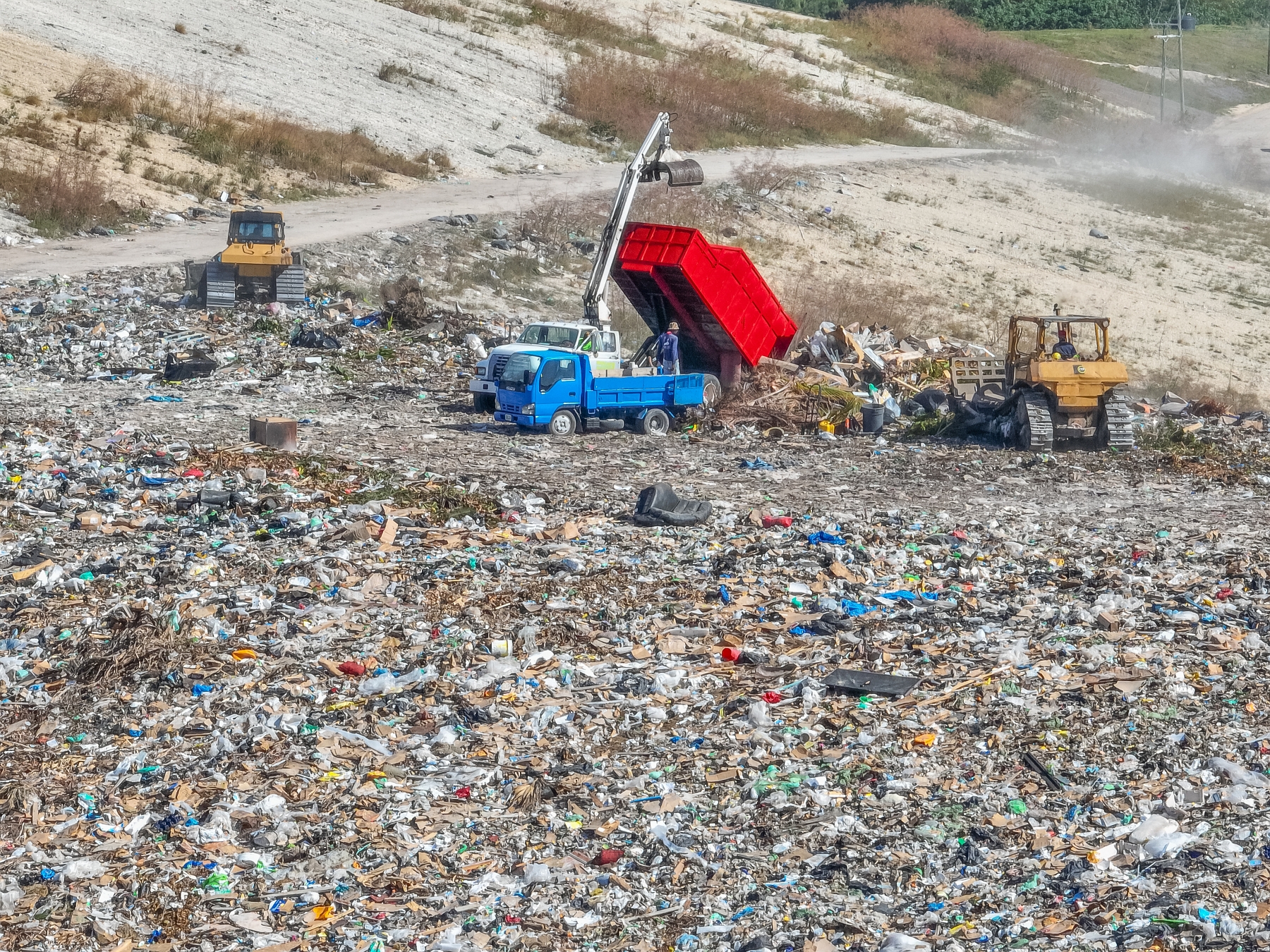
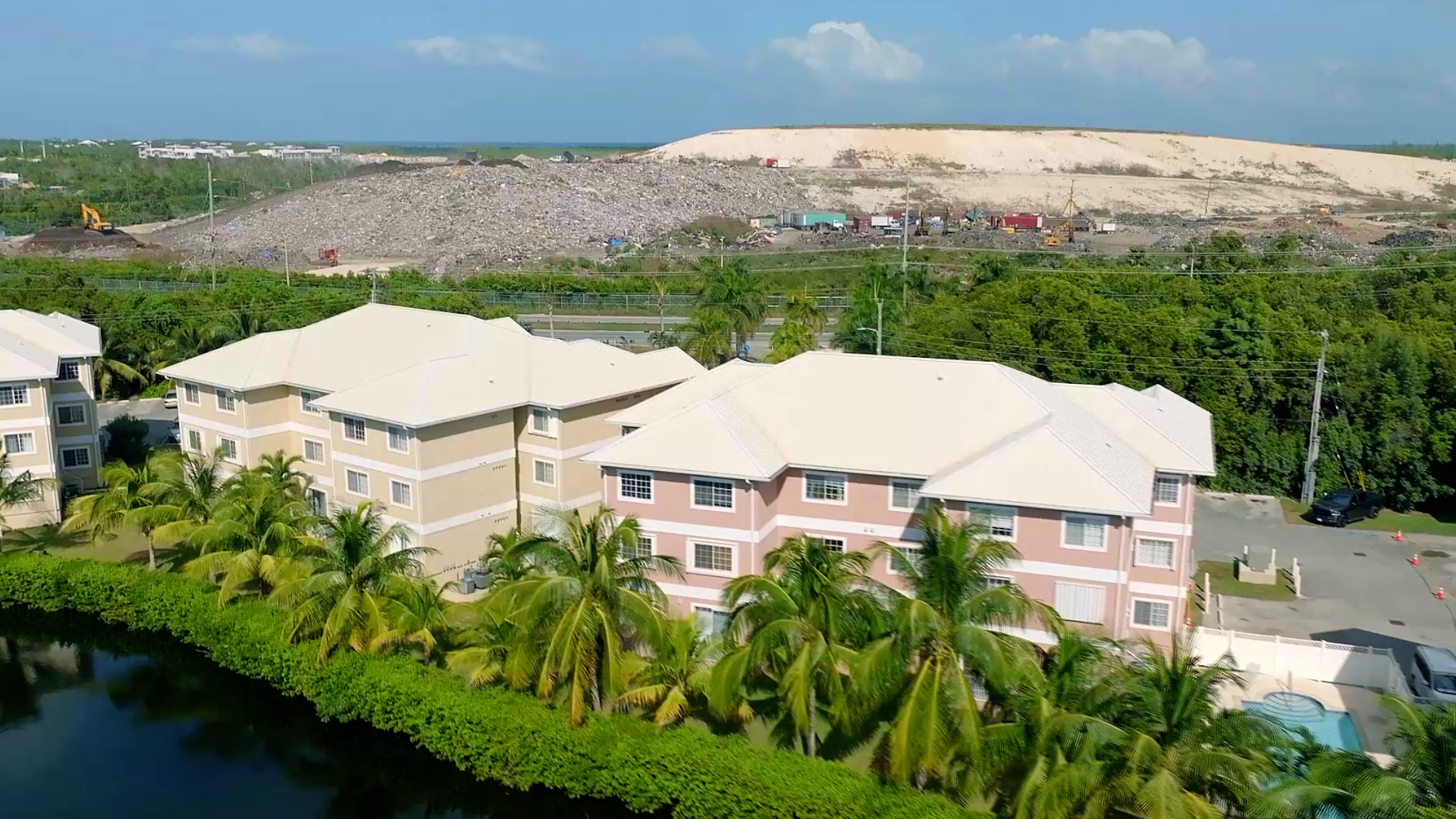
New drone footage, shot for the Compass, shows mounds of trash sprawling haphazardly northward, closer to the highway.
There is no evidence, in the photos, that the trash is being compacted or covered on a regular basis.
Sustainable Cayman has suggested the site is not being managed in accordance with accepted standards, including those set out in a risk management agreement.
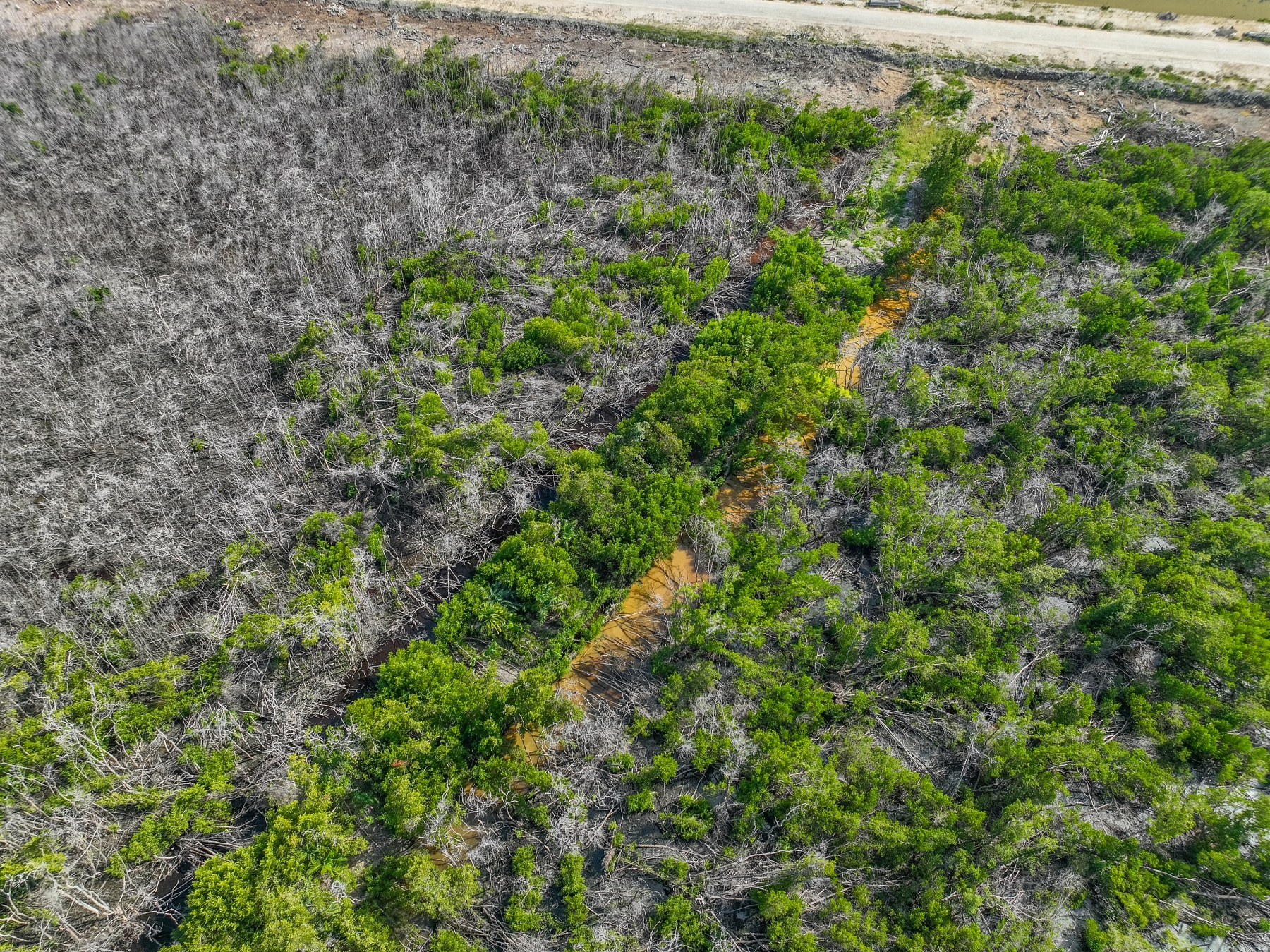
The environmental pressure group is concerned that water used to damp down the constant fires at the site is exacerbating run-off of toxic sludge into the canals and culverts that surround the site, feeding into the North Sound.
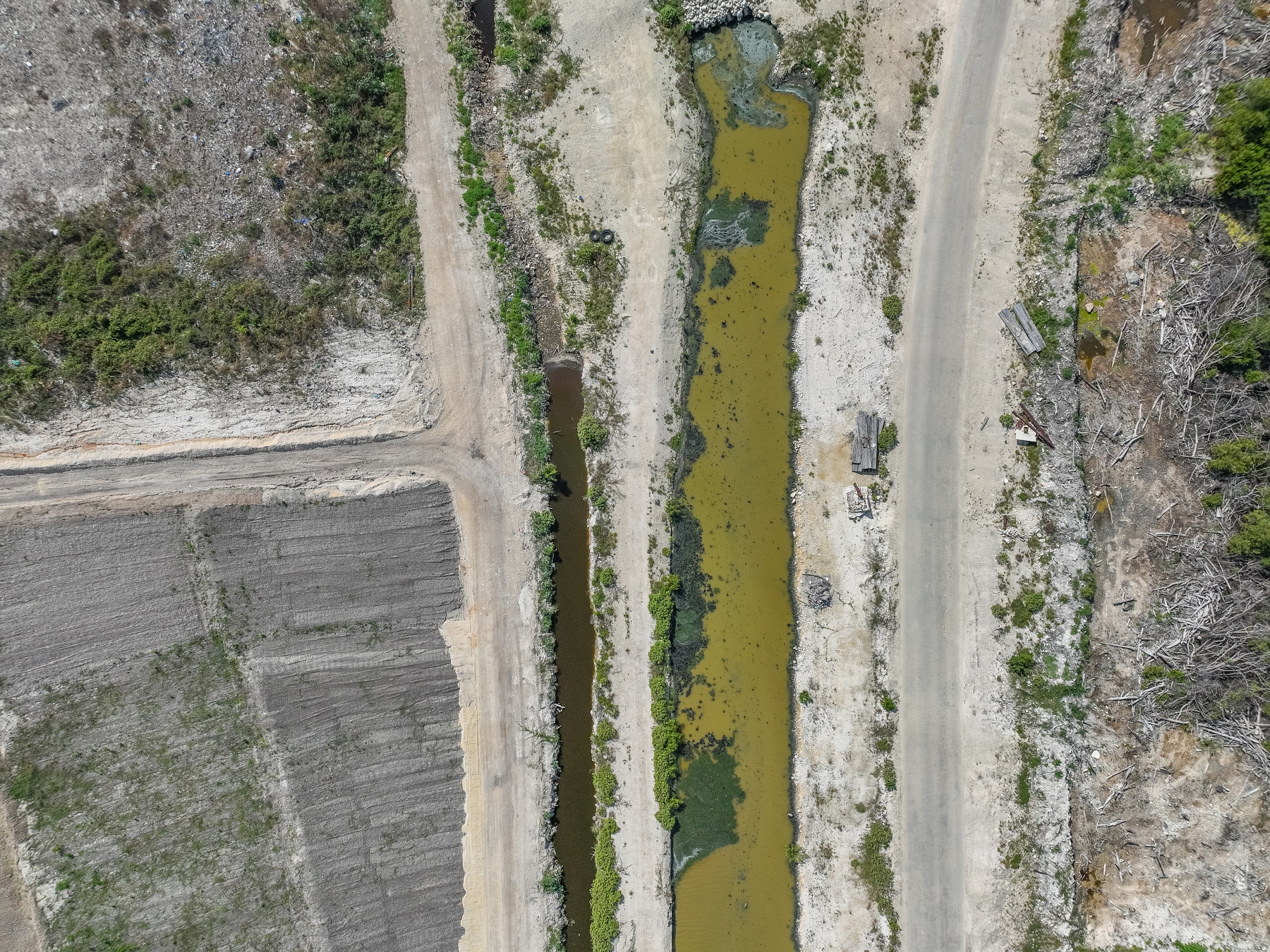
An environmental risk report – agreed between government and the Dart consortium working on solutions to the waste management challenge – highlighted fires and pollution as ongoing concerns while the status quo remains. But government has insisted that air and water quality testing shows “minimal impact” on the North Sound.
Meanwhile, new neighbours – including a cancer hospital and million-dollar homes – are going up next to an open, unlined site that remains a scar on the landscape and a health and lifestyle hazard to everyone in the locality.
Running out of space and time
In addition, the site is running out of space. The main mounds have been capped and are no longer usable.
The new ‘northwest fill expansion’ site is spreading towards areas outlined for the troubled ReGen project.
Even the most optimistic government projections suggest the current landfill site will be out of space within three years.
The ReGen deal between government and a Dart led consortium to replace the site with a waste-to-energy plant, recycling facility and a much smaller lined landfill, remains unsigned.
That agreement, first announced in 2017, appears to be in jeopardy, with former Finance Minster Chris Saunders warning that it has become “unaffordable” and suggesting government should go back out to tender on the project.
That could mean a separate site has to be found for future landfill.
It has been more than a decade since the Progressives swept to power on the back of a campaign to prevent a landfill being put in Bodden Town, but its administration was unable to fully conclude the ReGen deal for new facilities before the last election. Amid claims of escalating costs, negotiations have continued to drag on between Dart and the new PACT administration, which insists it is working to finalise the contract.
Even if the deal were signed tomorrow, workers would be in a race against time to get the new facilities built and operational before the landfill runs out of space.
The project time line anticipates a three-to-four-year construction process, including a full environmental impact assessment.
And Cayman’s growing population is shovelling more waste into the site than ever – nearly 400,000 tons over the past three years. That’s equivalent in size to 2,000 blue whales.
Premier Wayne Panton has declined to answer any questions about the landfill from the Compass over the past two months. He has previously acknowledged in Parliament that the site will soon reach capacity and suggested that some recycling and “waste reduction strategies” could extend its lifespan.
“Taken together these strategies will ensure capacity up to October 2026,” he said in Parliament last year.
A blight on Cayman
Joey Hew, the MP for George Town North, where the landfill is located, said the site continued to be a blight on the neighbourhood.
“When the wind comes of the northeast, you can’t even sit outside if you live in that area,” he said.
Hew argues that the Department of Environmental Health has not been given the budget or the equipment to manage the site properly, exacerbating existing fire and environmental hazards.
“Even looking from the road, you can see they are just about running out of space,” he said.
“All of these reports talk about managing the landfill with compacting and layering. That would give a bit more time, but none of that is happening,” he said.
He added that the fire risk was particularly concerning given the proximity of the active fill site to the road and neighbouring properties.
Contrary to government claims that the majority of the deal was still to be negotiated when PACT took power in April 2021, Hew claimed the agreement was “75% done” and would have provided an affordable, sustainable long-term solution to the issue.
“This was our best chance to resolve this issue once and for all,” he said.
Premier Panton has insisted in Parliament and in radio appearances that there were “significant issues” remaining to be resolved when he took office.
Site operations
Answering concerns about the management of the site in a parliamentary exchange with Hew, he said a new compactor would be coming in January 2023, which would improve that issue.
That hasn’t happened as yet, however, and sources familiar with the operation of the site indicate that the failure to consistently compact and cover trash is creating an enhanced fire risk.
“It is like a powder keg waiting to go off. It is only a matter of time before we have a repeat of that huge fire we had in 2020,” one source said.
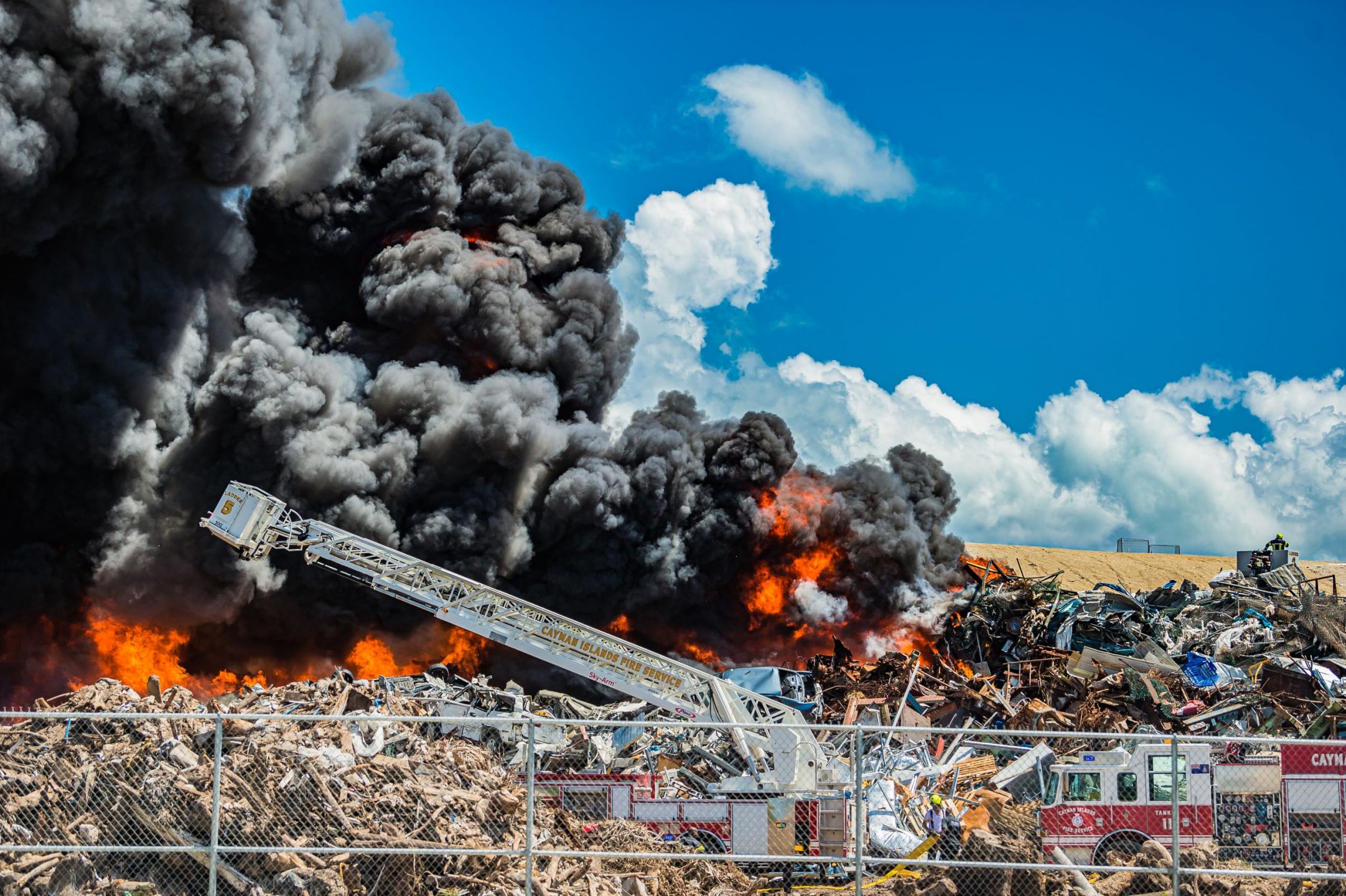
According to government’s own documents, the site is supposed to be managed in accordance with a waste tipping plan. That plan, including maintaining as small a mound as possible, the compacting of waste and the temporary cover of the waste with soil, does not appear to be happening.
“There is a general expectation that it will be managed properly to mitigate those fire impacts and that is currently a long way from the truth,” the source said.
A Remediation Options Report and an Environmental Risk-Based Assessment for the site, agreed between government and the Dart consortium, give detailed instructions for how the site should be operated, including compacting and covering waste.
The latter report indicates, “Certain contaminants within the wastes deposited at the existing George Town Landfill are currently impacting the surrounding environment in terms of elevating emissions to air, surface water and groundwater – and will continue to do so for the foreseeable future without the provision of an engineered landfill cap.”
Neither the premier nor the Department of Environmental Health replied to questions from the Compass on the management of the site or on the environmental issues.
Dart declined to comment on the operational side of the landfill but acknowledged its team has been on site working on remediation of the main mound.
Responding to similar concerns raised by Sustainable Cayman, officials at the site indicated the compactor – considered key to managing the fill site effectively – will arrive later this month.
They also insisted that the site is being operated in accordance with an agreed tipping plan – subject to the availability of equipment and fill material to cover the trash.
Toxic run-off concern
Sustainable Cayman has raised concerns that rainfall and water used to hose down the near constant fires at the site could be impacting the surrounding environment.
The group is concerned about leachates – water mixed with potentially toxic waste – running off into the North Sound and causing pollution.
“The active landfill tipping site should be subject to a stringent leachate, gas and surface and ground water monitoring and management plan,” the group said in a statement to the Compass.
The Department of Environmental Health also put out a press release last week, denying any serious impact from the landfill on water quality in the North Sound.
Video footage posted on social media showed discoloured water coursing into culverts surrounding the landfill. The DEH insists the culverts are not connected to the surface water systems at the landfill and are operated separately by the National Roads Authority.
“Regular testing to date conducted by the Department of Environmental Health on water quality in the North Sound confirms there is minimal impact to water quality resulting from the landfill,” it said.
“Nevertheless, remediating the landfill is an important step in lowering the risks posed by the majority of contaminants.
“Capping the landfill greatly reduces the amount of rainfall infiltration into the waste mound, decreasing the potential for contaminants to leach into the groundwater below the site.”
Firefighters on alert
Meanwhile, firefighters continue to be on high alert for calls to the landfill.
“I guess it’s a matter of time before another big fire, but the minute they see smoke they call and we go and we set up and start wetting it down,” one fire and rescue source told the Compass.
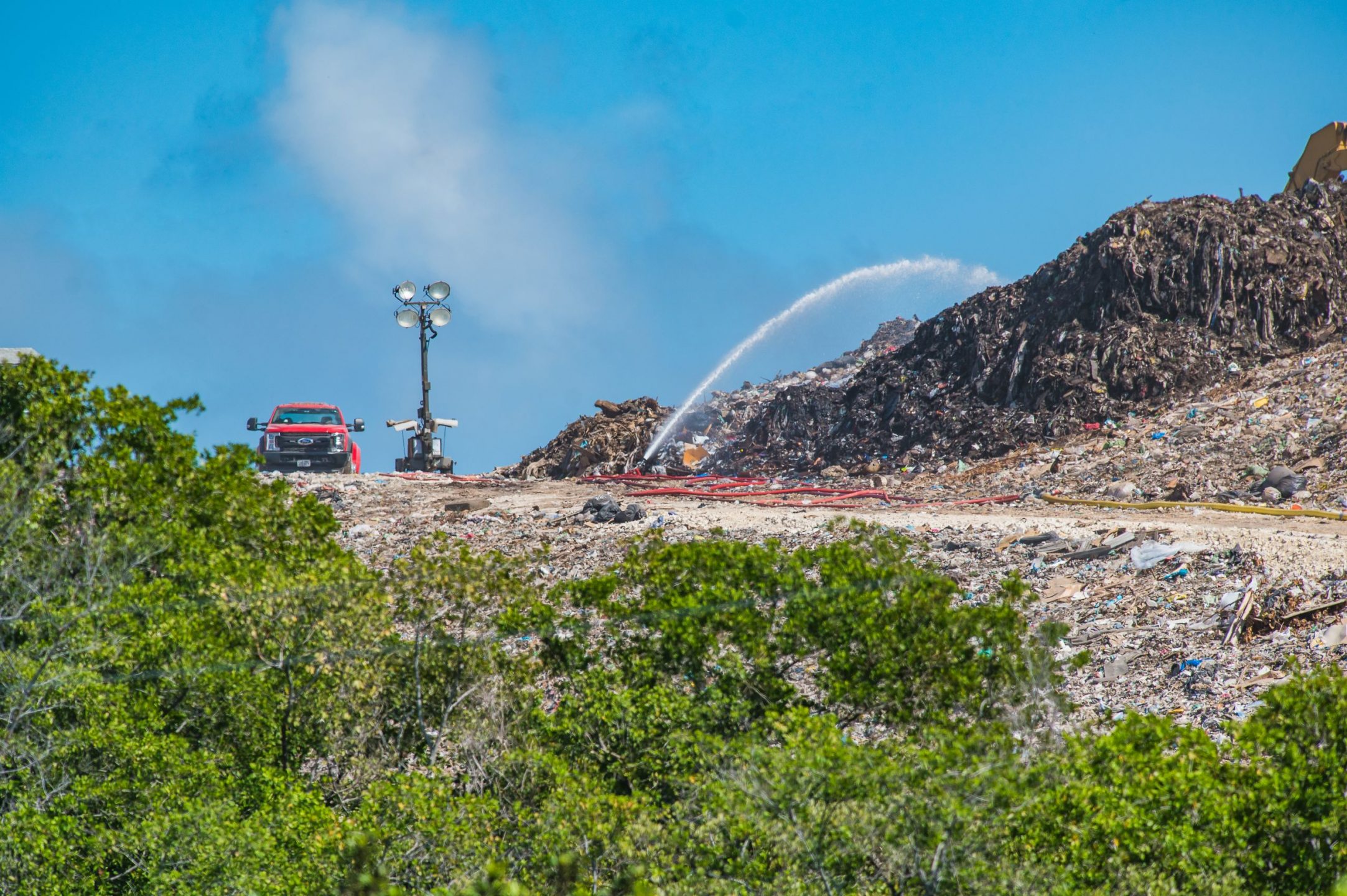
They said the fires were often deep seated and it was a challenge to get to the source of the blaze, meaning it often took days or even weeks of repeat call-outs before a blaze could be fully extinguished.
“That’s the problem down there and it has been going on for years,” they said.
The Fire Service declined official comment.
Fires at the George Town landfill have their own category in the annual call-out stats.
Neighbours wait for a solution
In the meantime, neighbours, including the Lakeside condo development, the new OLEA condos, Camana Bay and the Cayman International Schools, continue to wait for a solution.
Health City hopes to open a new cancer hospital in the area in the coming years, while Dart continues to expand its office and residential properties around Camana Bay.
The Cayman International School, located next to the landfill, is also growing, almost doubling in size over the past few years.
“Luckily it has been a few years since we have had to evacuate the school,” said Principal Jim Urquhart.
He said the school had a well-drilled plan to get the students picked up and out of harm’s way in the case of a major fire and was one of the first institutions to get the call from Hazard Management.
The school also publishes air-quality data to help temper the concerns of parents.
While students have campaigned for the landfill to be remediated and improved, he said this was out of environmental concern for the island rather than for their own health and safety. He said the school had been living next to the landfill for years and considered the threats to be manageable.
Unanswered questions
The Compass strives for balance, especially on stories that could be viewed as criticising government.
We first submitted questions to the Department of Environmental Health and the Office of the Premier on 7 Feb. Despite numerous follow-up calls, emails and WhatsApp messages over the past two months, we have received no answers.
Among other questions, we asked about the fire risk, management plans for evacuating neighbouring areas and the operation of the landfill site, essentially asking the relevant civil servants and politicians to address the issues raised in this article.
Further questions from the Compass about the ReGen project and the likely cost of the proposed 25-year deal, submitted following former Finance Minister Chris Saunders’ claim that it was now unaffordable, also remain unanswered.
The Ministry of Sustainability and Climate Resiliency, however, issued a general press release on 5 March, refuting what it described as “misinformation” about the cost of the project.
It did not include the actual cost of the project, saying only, “While negotiations are still ongoing, the contract cost is less than the figure shared on social media.”
That’s understood to be a reference to Saunders’ claims that the project cost had spiralled to $2 billion. The premier himself gave a figure of $1.5 billion in a radio appearance last month.
“Financial modelling for the project was updated at the beginning of 2023,” the ministry’s release noted, emphasising that the final cost for the lifespan of the project would include two distinct figures – one for the Dart-led consortium to build, operate and run the waste-to-energy plant and other facilities, and the other for the total cost of waste-management operations in Cayman, including Department of Environmental Health’s continued role in collecting waste, among other things.
Interactive graphics created by Stephanie Ditta
Related Videos











Disgraceful! We’ve been coming to Grand Cayman for over 40 years. It was bad then and now, obviously out of control! I pray the Government find a solution soon, for the sake of all who love this island!